
Seven UG and UMCG researchers awarded Vidi grant
The Dutch Research Council (NWO) has awarded a Vidi grant of up to €850,000 to Hjalmar Bouma, Hanna van Loo, Zoé Christoff, Björn Hoops, Tim Lichtenberg, Sanne Moorman, and Rik Smit. With this grant, the researchers can develop their own innovative research plans and establish their own research groups.
Vidi grants are intended for experienced researchers who have been conducting successful research for some years after gaining a PhD. Alongside the Veni and Vici grants, the Vidi grant is part of the NWO Talent Programme. Within this programme, researchers are free to submit their own topics for funding. In total, 109 proposals were honoured.
The following UG and UMCG researchers who have been awarded a Vidi grant:
When lactate turns toxic: a metabolic waste product reprogrammes the immune system in sepsis
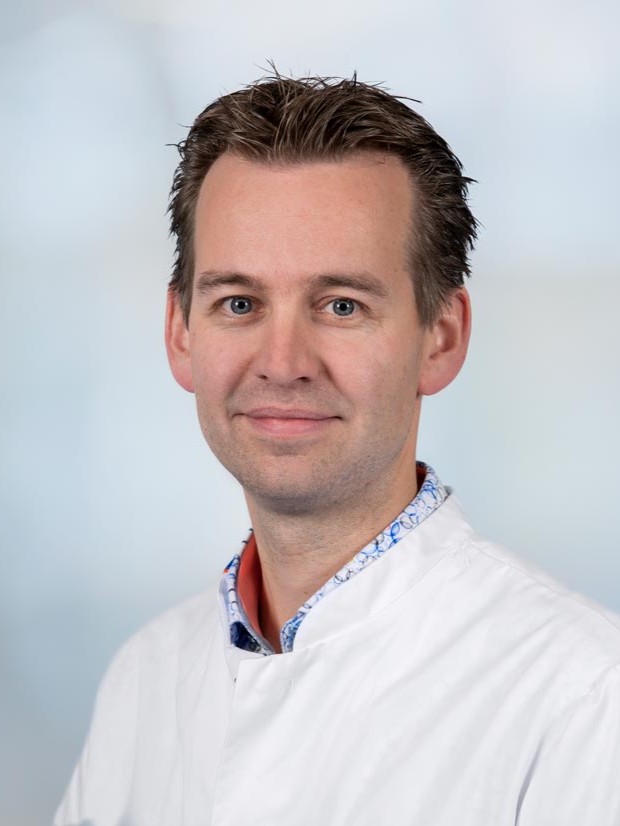
Dr. Hjalmar Bouma (UMCG)
Sepsis is a severe response to infection that kills millions each year. Moreover, survivors of sepsis often remain vulnerable to new infections. During sepsis, cells switch to an emergency energy mode that produces lactate, which can modify proteins in immune cells through a process known as lactylation, impairing their ability to fight infection. We will investigate whether lactylation causes immune failure and whether it can be reversed. If successful, this could lead to treatments that restore immune function to better fight infection during sepsis and reducing the risk of recurrent infections and re-admission to the ICU, significantly improving patient care.
Do similarities attract? Unravelling why psychiatric disorders cluster in romantic partners
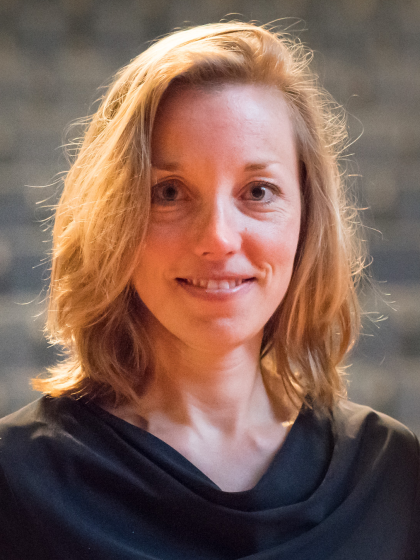
Dr. Hanna van Loo (UMCG)
Contrary to the popular adage ‘opposites attract’, romantic partners are often similar in their mental health. It is currently unknown why psychiatric disorders cluster in partners. Insight into the causes of partners’ similarities will help in predicting the prevalence of psychiatric disorders in future generations, and in deciding whether partner-based, family-based, or societal interventions are most effective to prevent and treat them. This project uses an innovative approach to unravel the causes of partner similarity in psychiatric disorders by investigating similarities in mental health in the extended family and their environment instead of in couples only.
Similarity and information flow in social networks
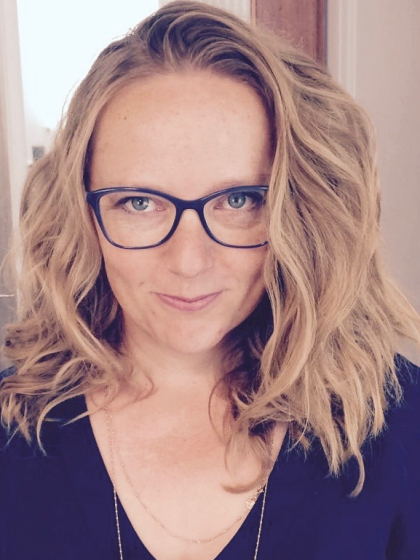
Dr. Zoé Christoff (Faculty Science and Engineering)
Our online experience is increasingly similarity-driven. On social media, we connect with people whose interests, opinions, and socio-economic backgrounds are similar to ours. Under their influence, we often become even more similar to these connections. At the same time, recommendation algorithms suggest content similar to what we have previously engaged with. Together, these mechanisms influence who interacts with whom and which information becomes visible online. This project studies how such combined similarity processes shape the flow of information in social networks. By developing formal models, the researchers will identify the structural conditions under which communities can reliably form true beliefs.
Putting Caring into Sharing: Private Law for Equitable Energy Communities
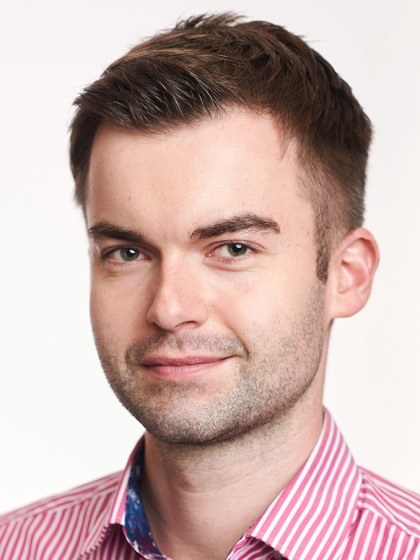
Prof. Björn Hoops (Faculty of Law)
Energy Communities are organizations in which people, businesses, and public authorities jointly generate renewable energy, making an important contribution to the energy transition. Policymakers and researchers want these communities to include and empower vulnerable groups, such as low-income households. However, there are no clear guidelines on how this should be achieved in practice. This project works with Energy Communities and stakeholders across Austria, Germany, and the Netherlands to develop such guidelines and translate them into practical and enforceable legal arrangements. These will help reduce legal complexity and costs, while creating more favourable conditions for equitable and inclusive Energy Communities.
Hazy worlds around tiny stars: could the most common planets harbour hidden atmospheres?
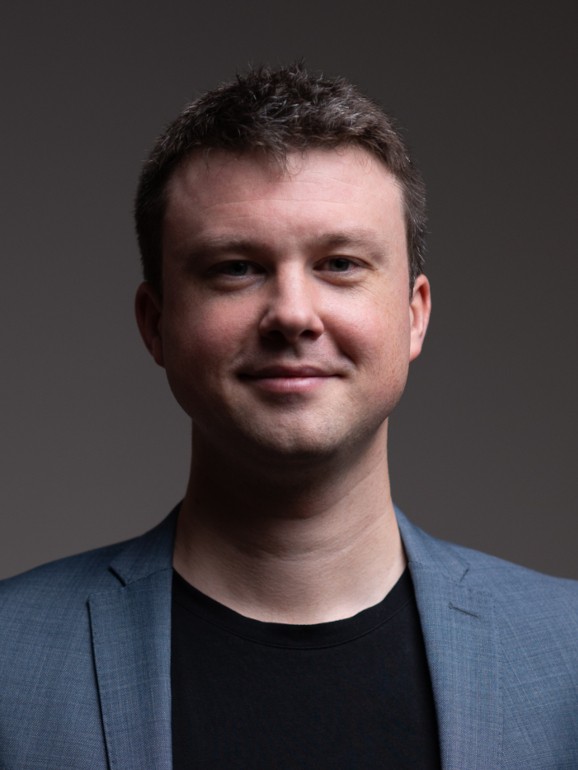
Dr. Tim Lichtenberg (Faculty Science and Engineering)
Most planets in the universe orbit small, cool stars called M-dwarfs. Recent space telescope observations suggest these planets may lack atmospheres, making them barren rocks. However, new data shows that M-dwarf planets likely form from material much richer in carbon than our Solar System. Carbon-rich planets could develop thick, hazy atmospheres that are hard to detect with current methods. This project will build computer models to simulate how such carbon-rich planets evolve and predict what telescopes should observe, helping determine whether these common worlds could support conditions for life.
Zebra finches learning their song from video screens?
Dr. Sanne Moorman (Faculty Science and Engineering)
In our digital society, we engage more with screens than ever. Yet, live interactions lead to better learning outcomes, including in speech acquisition. In this project, researchers test whether this happens because learners are more attentive when they are involved in live interactions. Birdsong learning in zebra finches has many parallels with human speech acquisition. In zebra finches, attention will be measured when learning from a live bird or a video screen, by observing behavioral and physiological parameters, measuring and altering neuronal activity, and comparing song learning outcomes. Thereby, this project will identify how attention affects vocal learning outcomes.
Using AI to remember the past
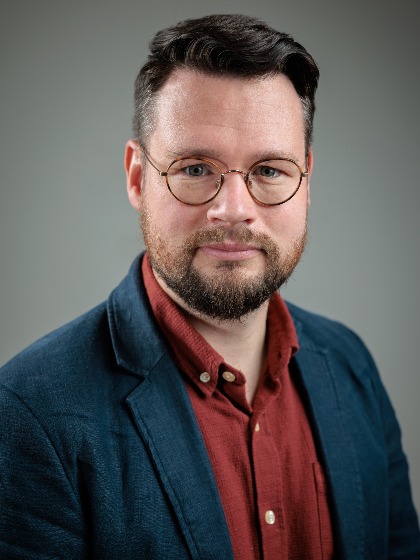
Dr. Rik Smit (Faculty of Arts)
From “griefbots” that digitally resurrect loved ones to tools that generate fictional historical images: generative AI (GAI) shapes how we remember. However GAI can also be used to distort, sanitize, or weaponize the past, impacting wellbeing and social cohesion. GenMem investigates how people’s practices, feelings and thoughts shape how they remember with AI. Through a traveling “mobile memory experience,” the project engages diverse audiences with interactive GAI tools, gathering real-world insights. This approach demonstrates how memory is co-created with AI and sparks urgent public debate as our pasts become not just digitized, but generated.
More news
-
22 October 2026
How someone with bad intentions could employ AI
-
22 October 2026
Doubling hydrogen production through a synergy of materials
-
22 October 2026
KNAW Early Career Award for two UG researchers