
10 years of the Nobel Prize Ben Feringa
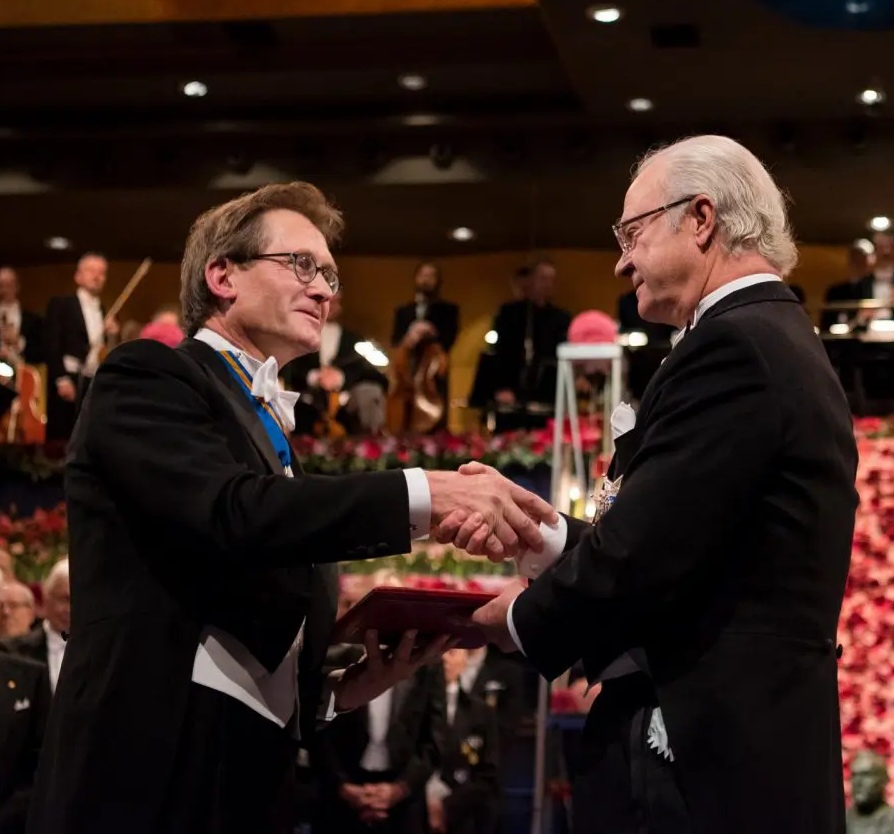
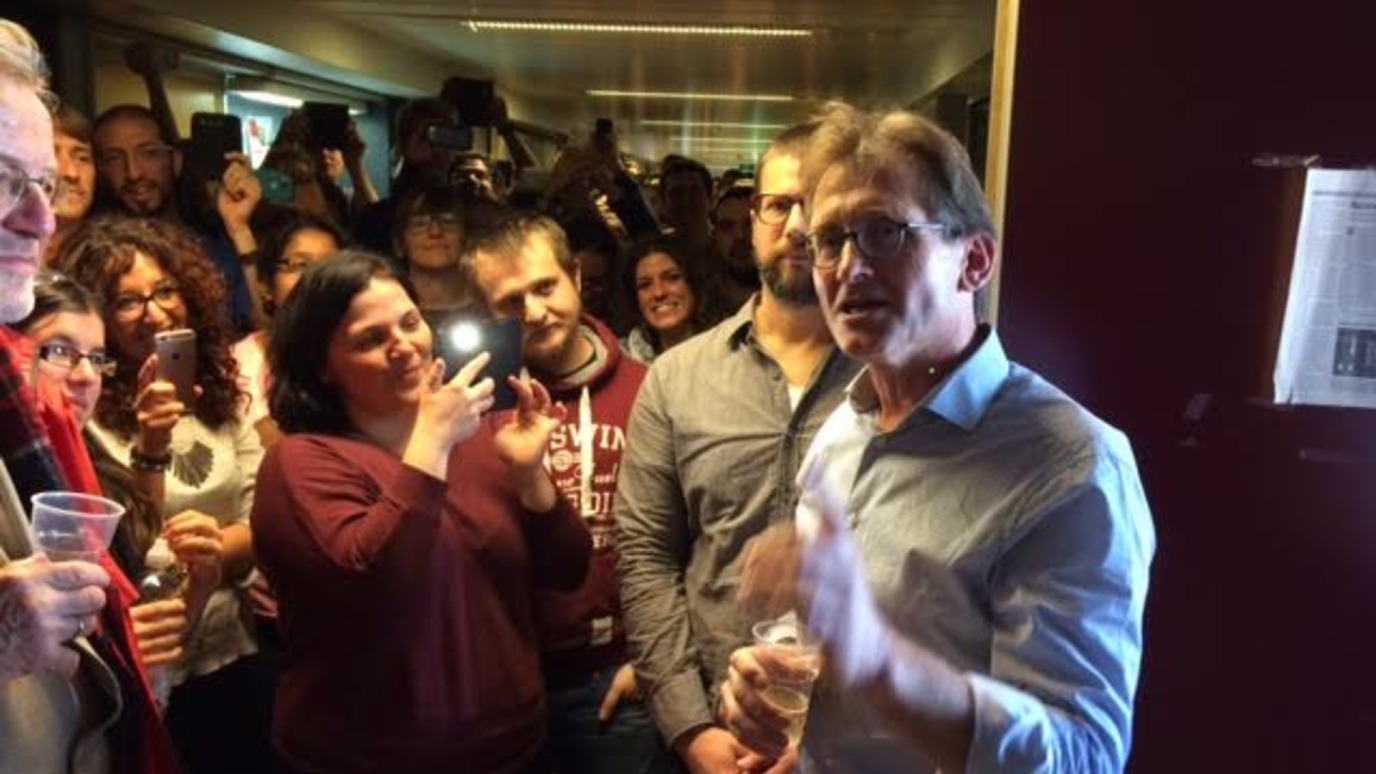
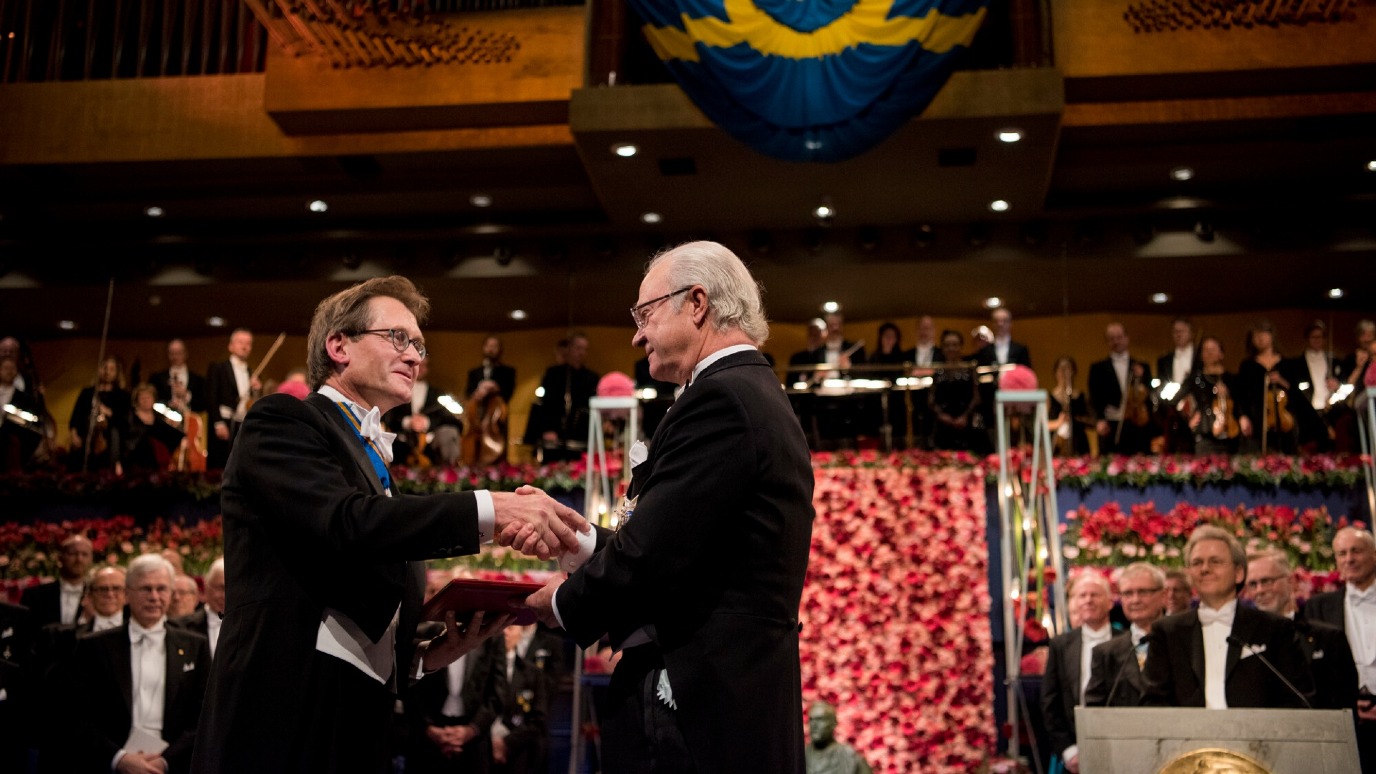
Wednesday morning, October 5, 2016: Professor of Organic Chemistry Ben Feringa unexpectedly receives a phone call from Stockholm. Moments later, colleagues hear a roar of joy echoing through the hallway. Feringa turns out to have been awarded the Nobel Prize in Chemistry together with Frenchman Jean-Pierre Sauvage and Briton James-Fraser Stoddart. On Saturday 10 December 2016, Feringa receives the Nobel Prize alongside them from the hands of Swedish King Carl XVI Gustaf.
Now, ten years later, we look back on this remarkable event.
The reason: molecular nanomachines
Feringa, Sauvage, and Stoddart receive the highest scientific distinction for their groundbreaking research into molecular nanomachines. In 1999, Feringa discovers the ‘molecular motor’, a light-driven rotating molecule. A breakthrough of global significance with potentially spectacular applications. The molecules can function as motors in so-called nano-vehicles, which are up to eighty thousand times smaller than a human hair. This could enable them to deliver medicines precisely to specific locations in the body.
This is how the nanomachines work:
Would you like to learn more about Feringa’s discovery? Read this inspiring background story.
Advocate for fundamental research
Throughout his career, Feringa has been a strong advocate for fundamental research. He puts it this way: 'There are questions where the answer and the route to it are already almost known. It just needs to be filled in. But at the other end of the spectrum are the real challenges, where the route is unknown, where you don’t even know exactly what the question is, let alone the answer. Those are the most exciting. But also the most difficult.'
Universities should be, and remain, a playground for science.
Feringa continues: 'Sometimes you discover very surprising things, but with this kind of fundamental research, you have to keep your eyes open along the way and, above all, not be afraid to push the boundaries. Universities are places where rebellious ideas can emerge, where there is a great freedom of thought. They should be, and remain, a playground for science. But, of course, at the highest international level.'
Feringa’s Nobel Prize in focus
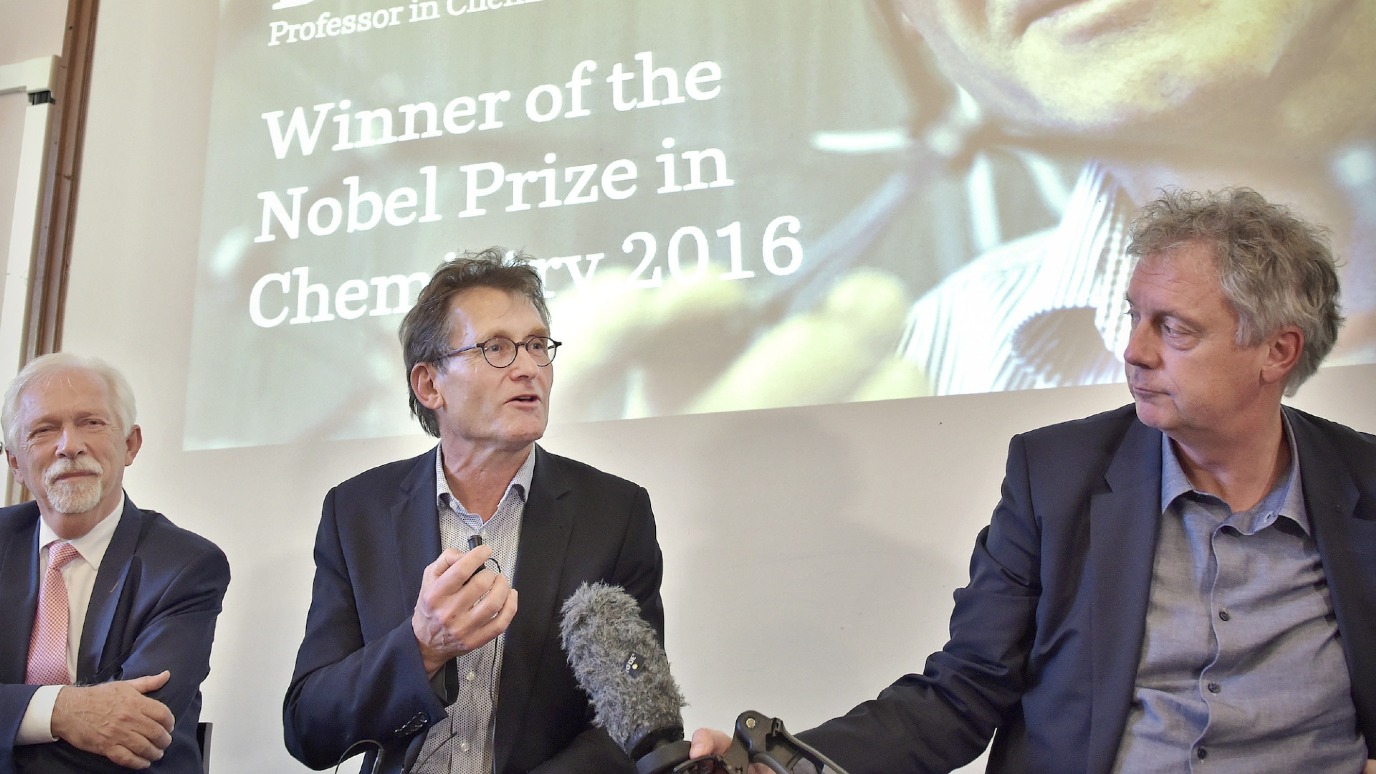
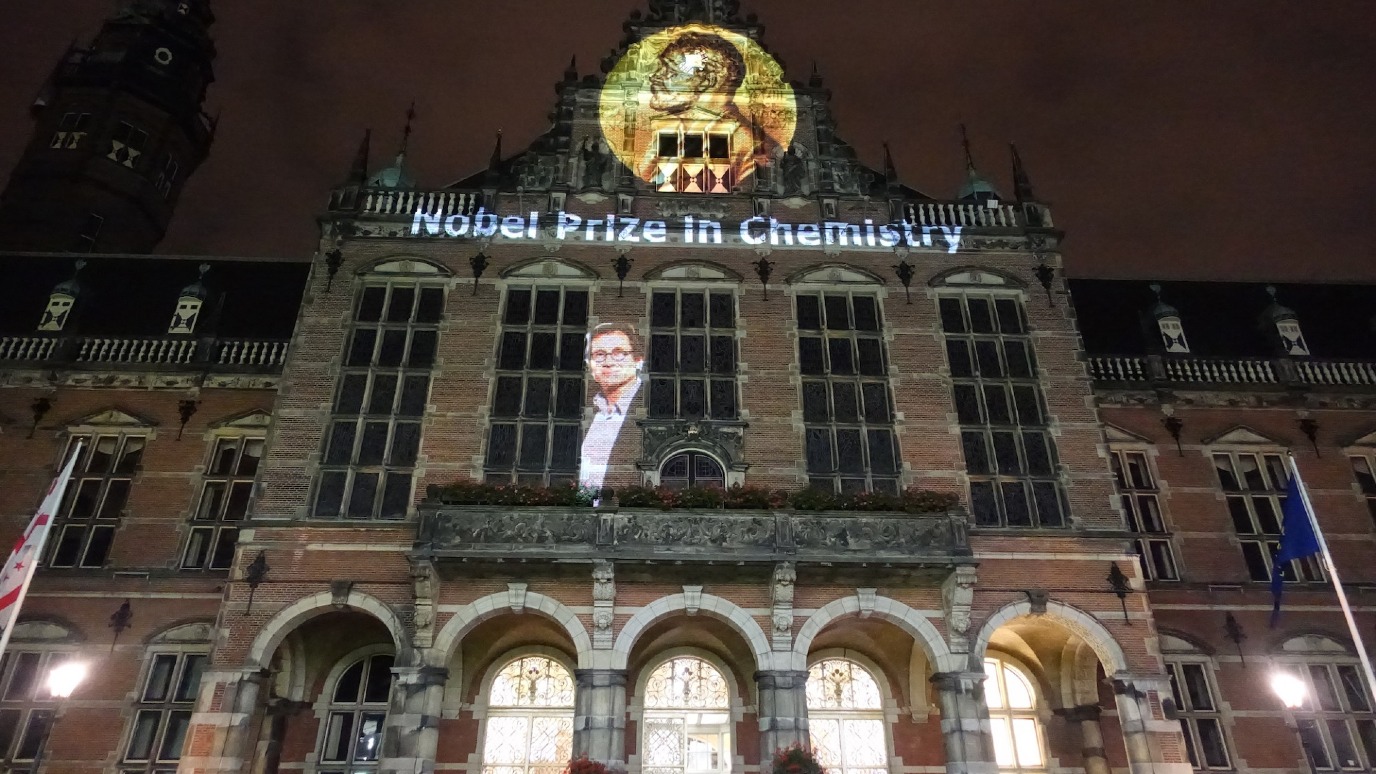
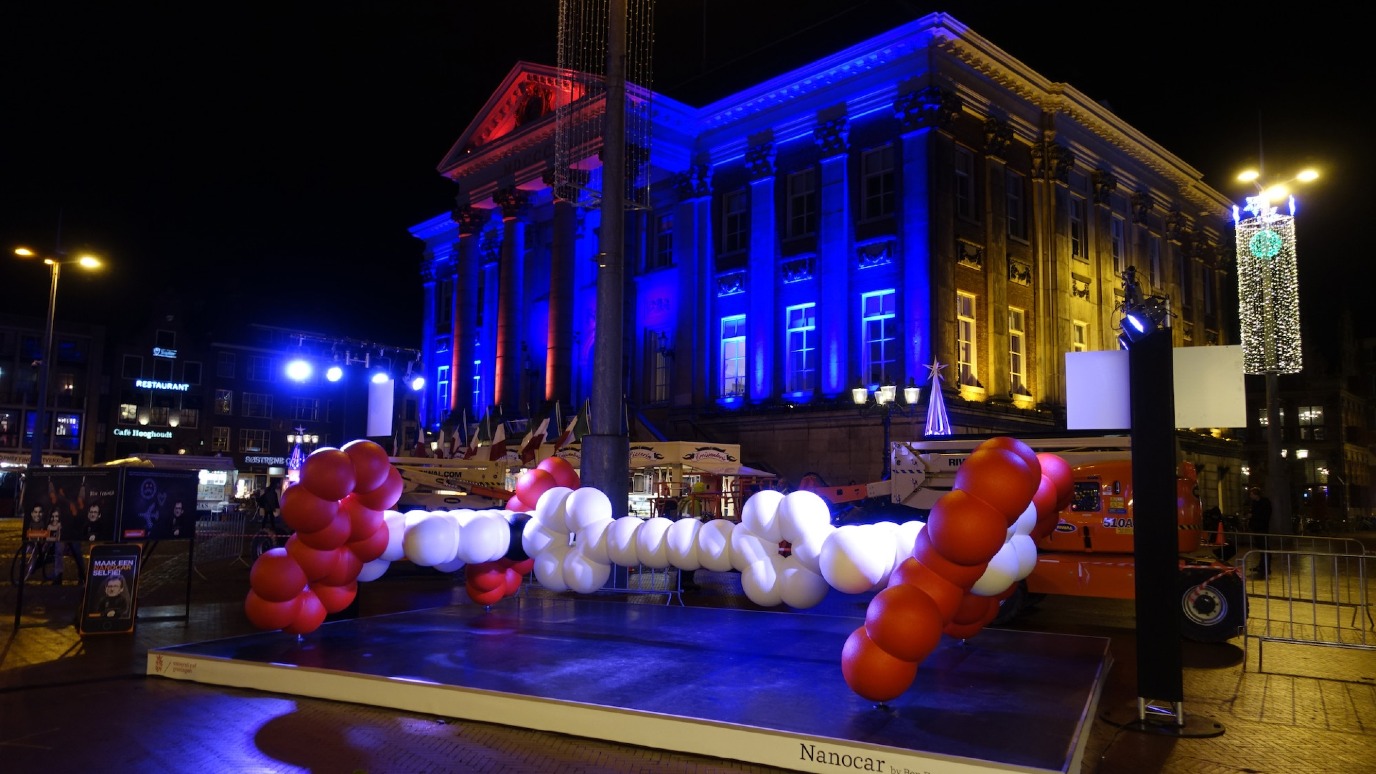
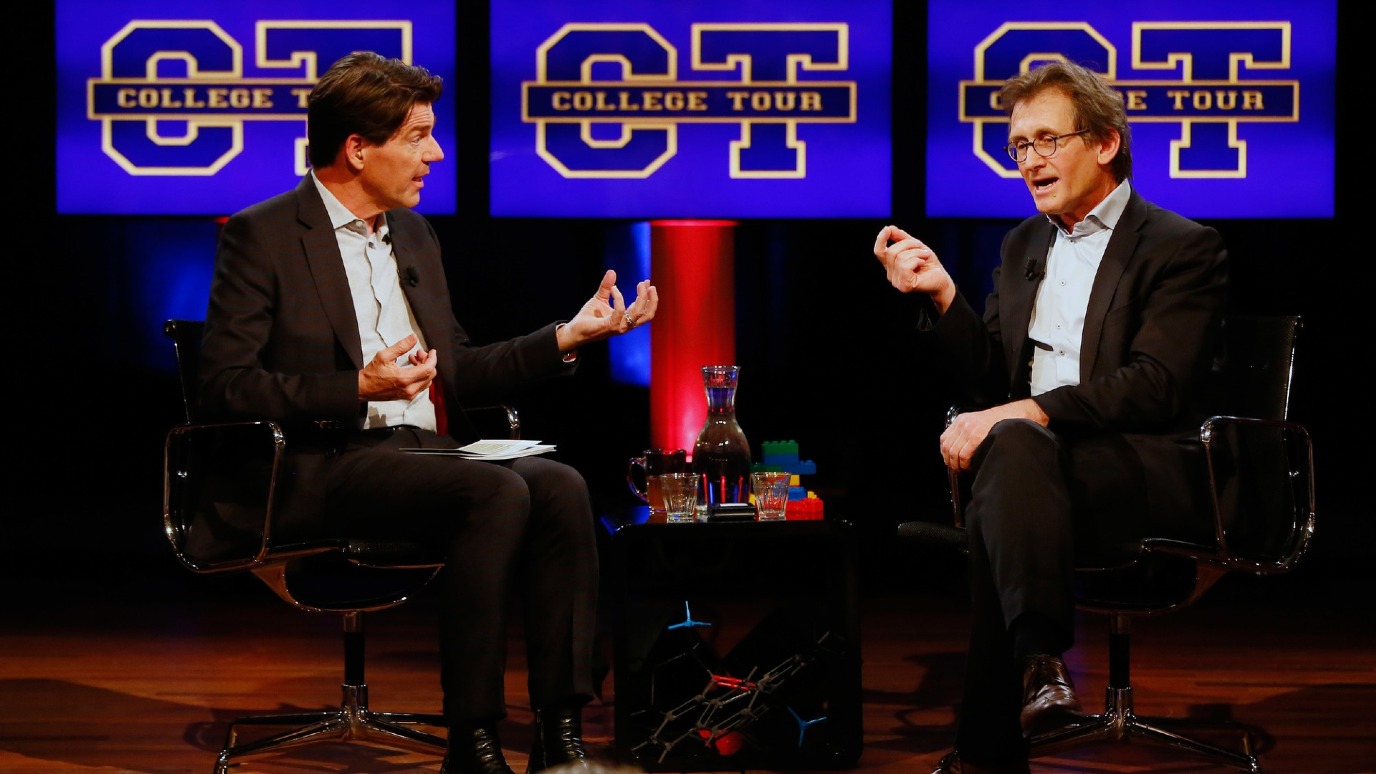
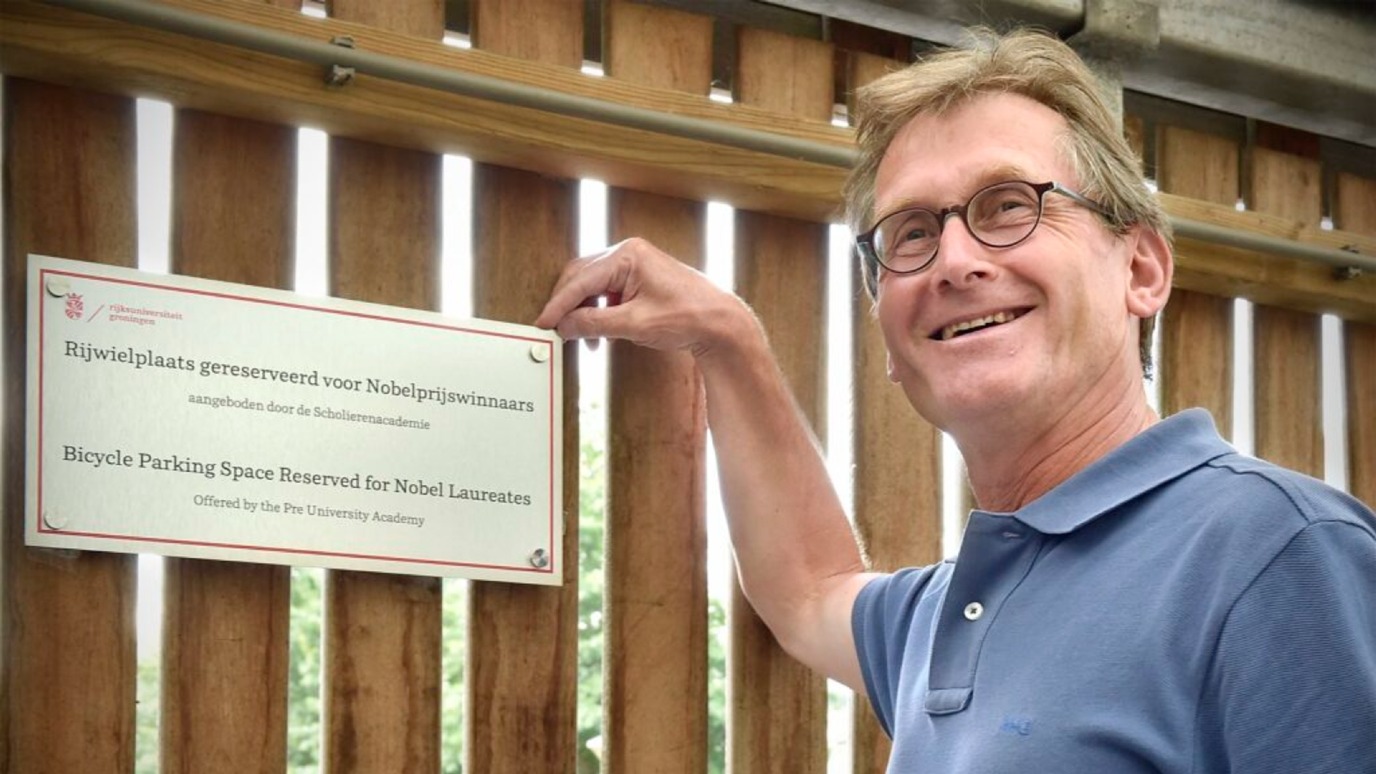
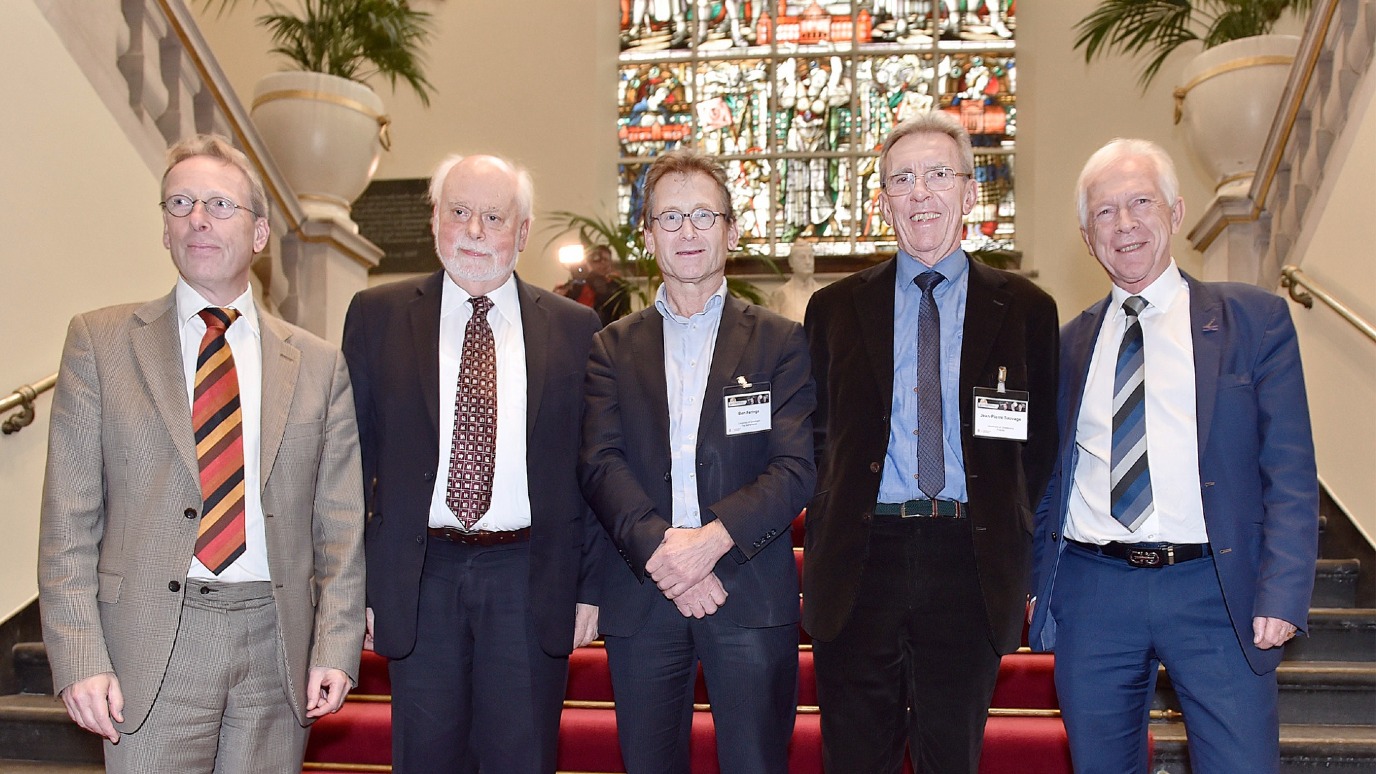
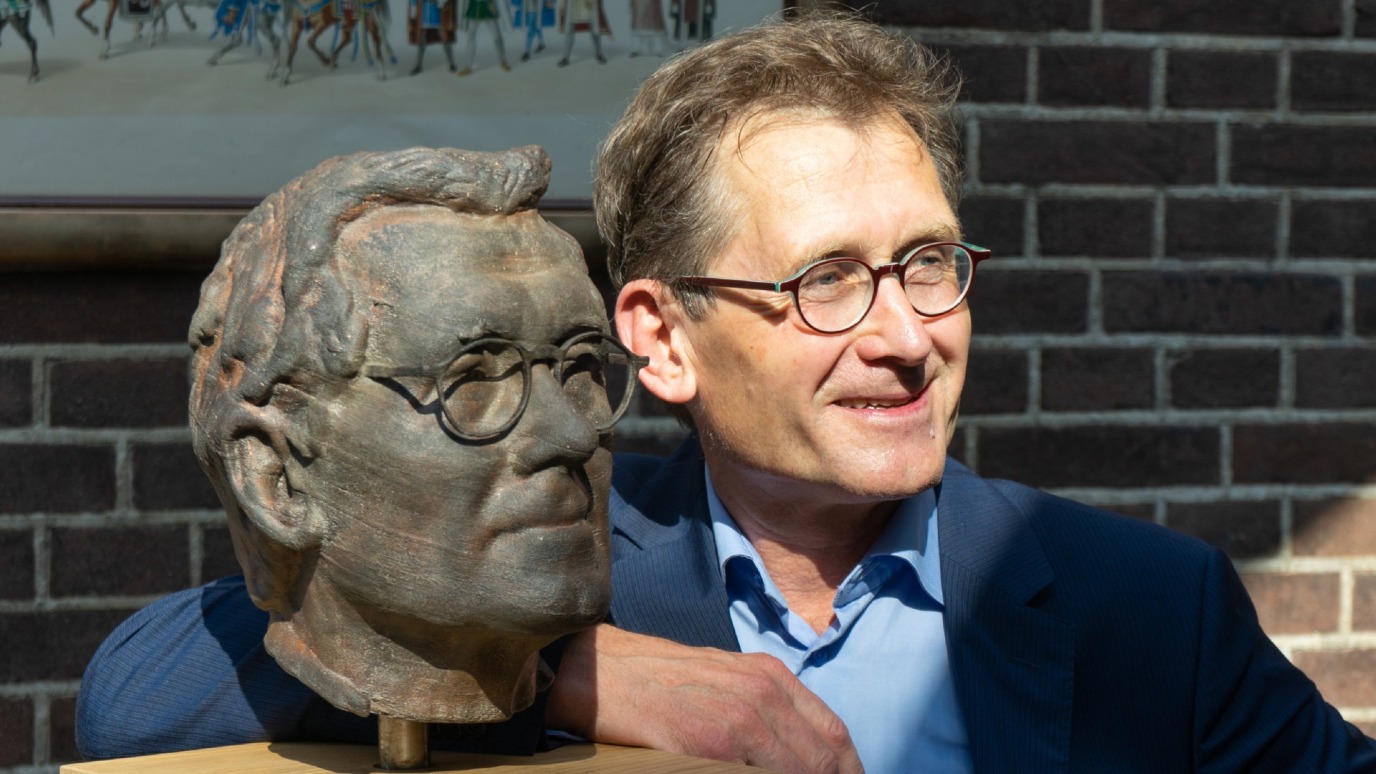
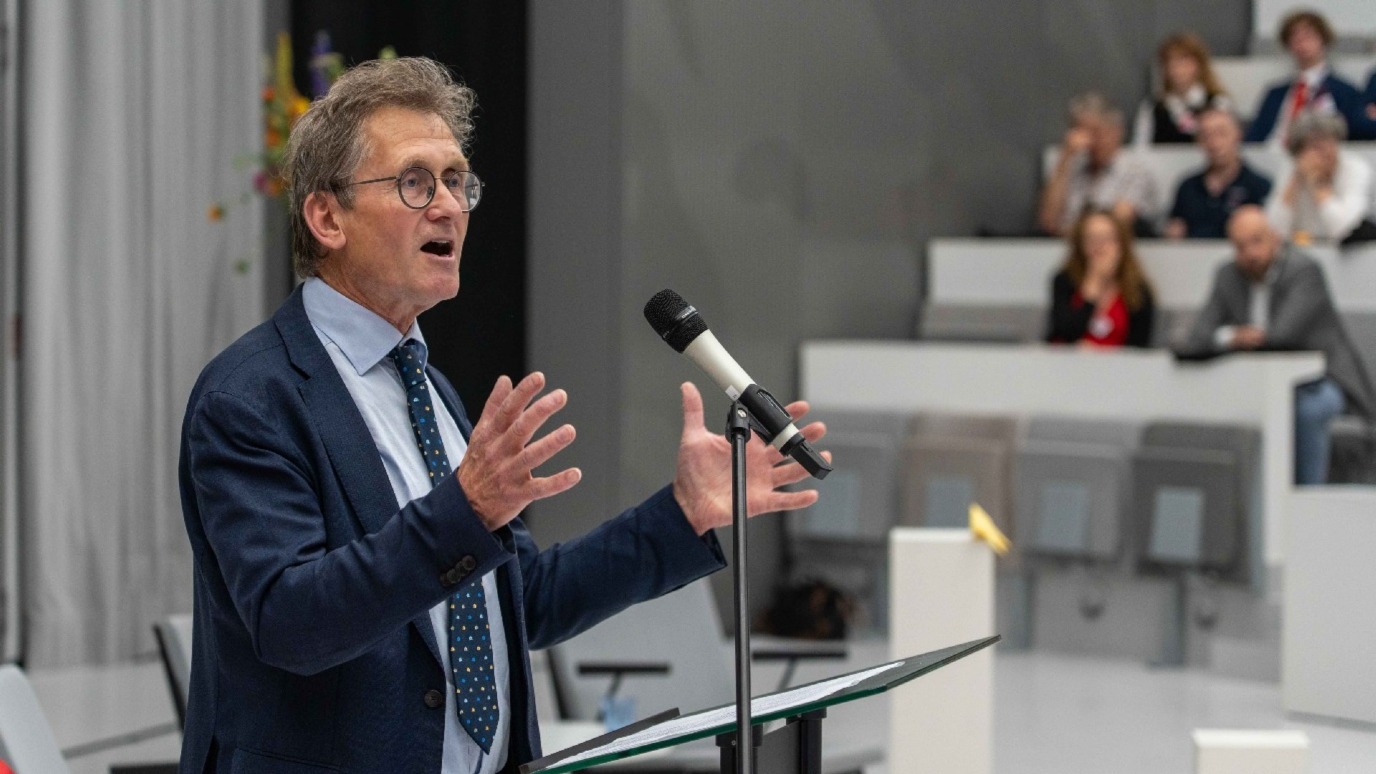
The phone call on 5 October 2016 sets off a chain reaction of events in the weeks, months, and years that follow. Take a journey through time with our photo collage:
More about Feringa and his Nobel Prize
Would you like to learn more about Ben Feringa, his Nobel Prize, and his subsequent research? We’ve collected the best stories for you:
-
3 Makers of World’s Smallest Machines Awarded Nobel Prize in Chemistry (The New York Times)
-
Special alumni magazine Broerstraat 5 about Feringa’s Nobel Prize (University of Groningen)
-
Ben Feringa appointed Commander in the Order of the Netherlands Lion (University of Groningen)
-
Playground – Inside Ben Feringa’s Nobel Lab (photo series by Jos Jansen)
-
Ben Feringa’s discovery: Simple process produces complex polymer (University of Groningen)
-
Ben Feringa takes school tour through Groningen and Friesland (University of Groningen)
-
Professor Ben Feringa gives first lecture in brand-new Feringa Building (University of Groningen)
More news
-
25 September 2026
NASA selects infrared space telescope PRIMA featuring Dutch technology
-
-
24 September 2026
Arjan van der Schaft receives IEEE Control Systems Award