
Cesspits reveal what the Dutch ate centuries ago
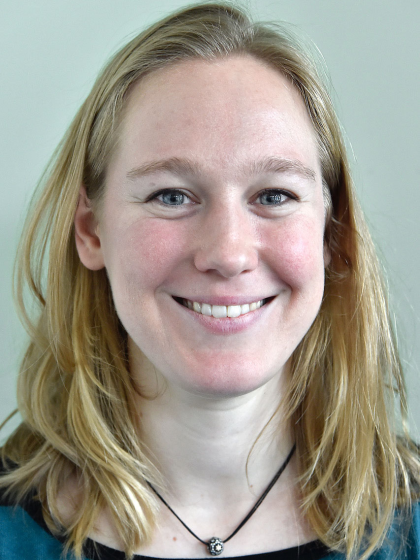
What did the eating habits of the Dutch look like between 1500 and 1850? Merit Hondelink researched the consumption of plant-based food in Dutch cities during this period using a unique combination of archaeobotanical and historical research. Her work paints a surprising picture: despite changing food trends and the emergence of exotic ingredients, the building blocks of the daily diet remained remarkably stable. Hondelink will defend her PhD thesis on 24 September at the University of Groningen.
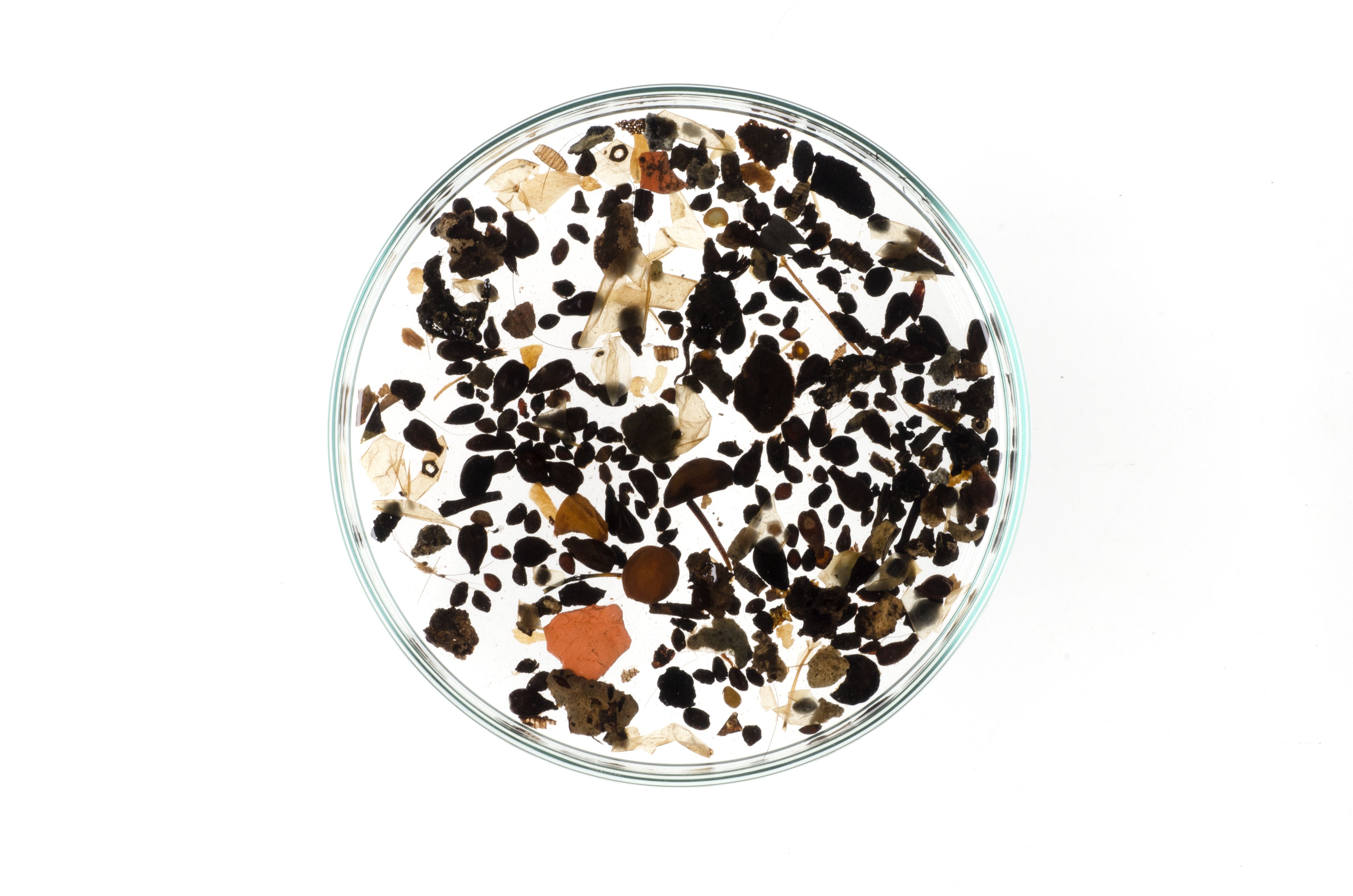
Hondelink, an archaeologist specializing in archaeobotany - the study of plant remains from archaeological excavations - examined findings from cesspits across the Netherlands for her PhD research. These remains of seeds and fruits reveal what was actually prepared, eaten, and discarded. In addition, she studied cookbooks, kitchen accounts, and a herbarium. To further enrich her research, Hondelink also cooked old recipes herself.
Little change in diet
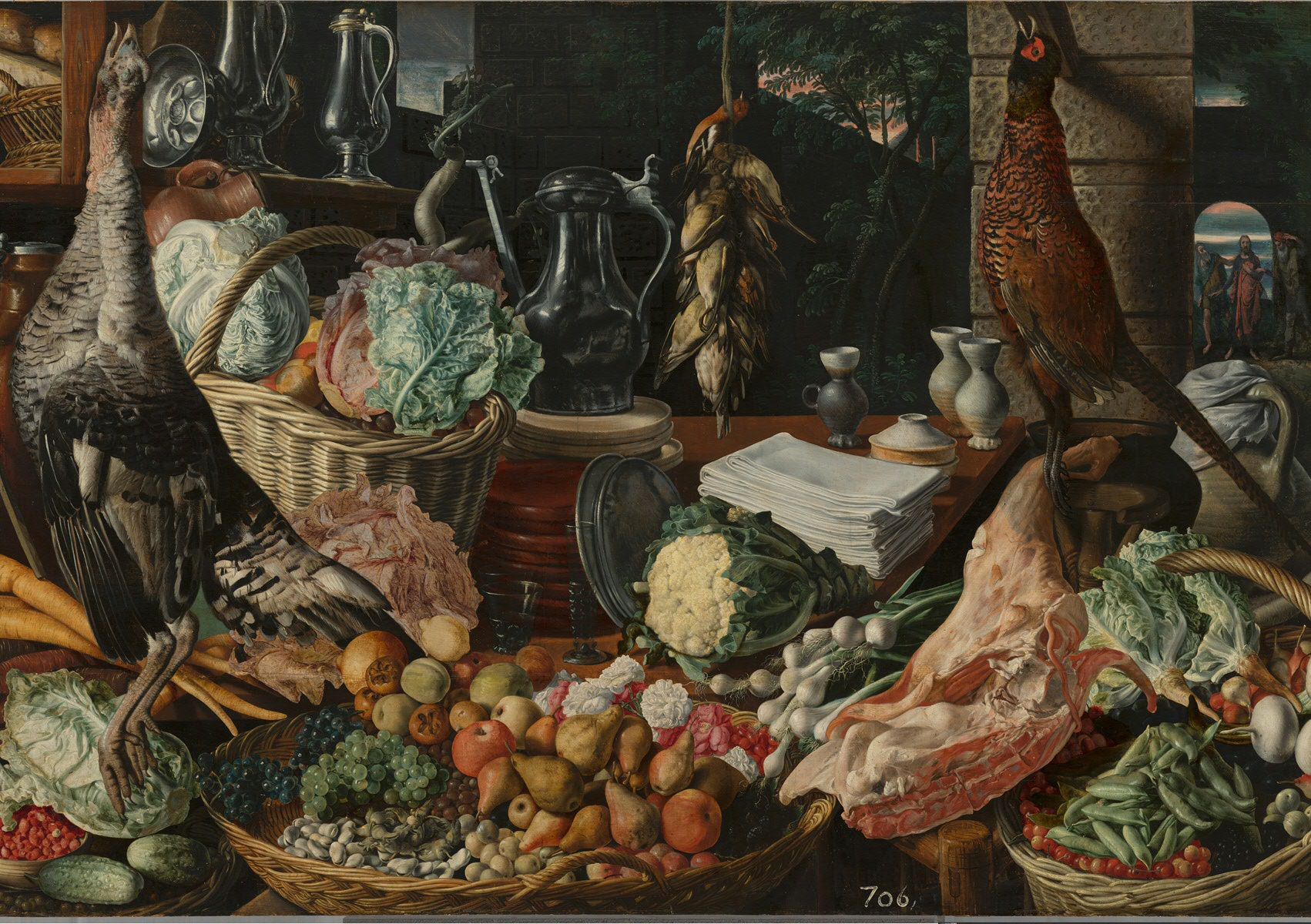
Plant-based food in the early modern period was characterized by continuity, explains Hondelink. ‘New ingredients did appear, and culinary trends changed, for example due to the introduction of new products and a wider range of others, such as cane sugar. But the core of the daily diet remained stable. The Dutch stuck to familiar tastes and dietary patterns.’ The menu mainly consisted of grain products, local fruit, and vegetables such as parsnips, broad beans, beets, and various types of cabbage.
Potatoes and tooth decay
From the 18th century onwards, potatoes became a staple on the menu, and the classic combination of potatoes, meat, and vegetables slowly emerged. ‘In fact, it is only in the last fifty years that we have fundamentally changed the way we eat,’ says Hondelink. ‘Our (great) grandparents ate the same menu as people in the 18th century.’ Cane sugar also became more widely available during the 18th century. ‘People started snacking en masse. Physical anthropologists can see this in the teeth - dental health deteriorated.’
Cooking for deeper insight
For her research, Hondelink often stood in the kitchen herself. She cooked forgotten dishes from old cookbooks, which sometimes provided additional insights. ‘By cooking old recipes, you can, for example, compare self-made cut marks on pits with samples from the cesspit to determine how they were used.’ She also discovered how seasonal recipes were and how they should be interpreted. ‘Different cooking methods required specific fuel sources and kitchen utensils. This shows that you cannot understand recipes solely based on their ingredients.’
Varied diet in a Delft orphanage
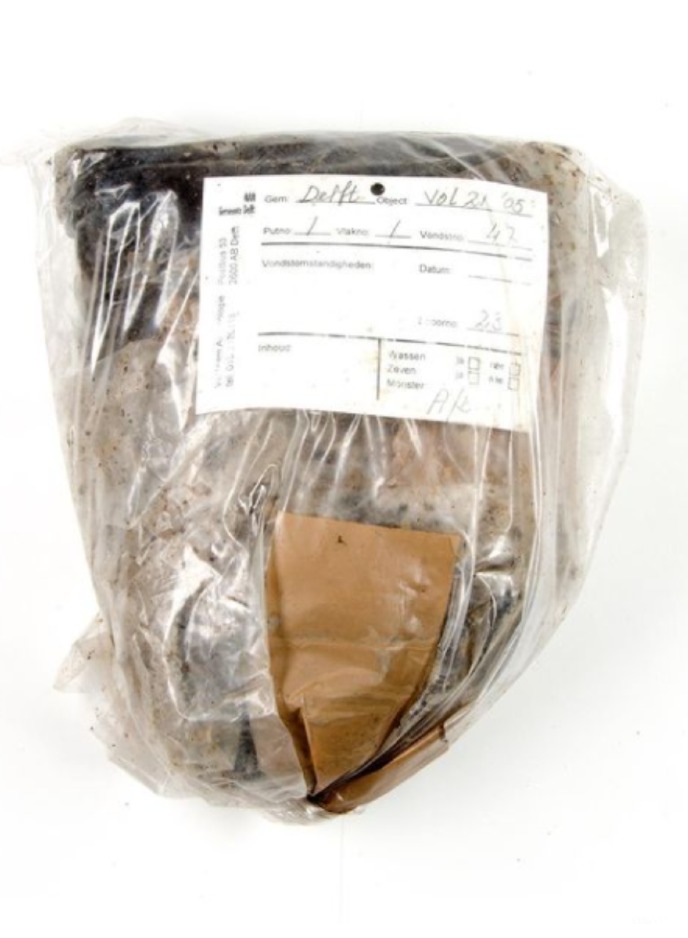
In a case study, Hondelink reconstructed the eating habits of children in a Delft orphanage. ‘The diet in that orphanage was not at all monotonous or insufficiently nutritious. The orphans were offered a fairly varied diet, including fresh fruit and shellfish.’
The power of combination
According to Hondelink, no single source can provide a complete picture of past eating habits on its own. ‘We know, for example, that nutmeg was used. But you won’t find any trace of it in cesspits. It was so expensive that it was completely grated and used up.’ Plant remains reveal what was used but not how it was prepared. Recipes and accounts, on the other hand, show what was available or popular but provide little insight into actual consumption by the average citizen. By combining both perspectives, a better picture emerges of what ended up on the plates of early modern Dutch people.
More information
More news
-
01 September 2026
Resilient local communities essential for reconstruction
-
01 July 2026
Ninah Tiemersma named Alumnus of the Year
-
02 June 2026
Impact |The wainscotting at Museum Janning