
Wat als we de wereld onprettig zouden maken voor dikke mensen?

Er zijn steeds meer mensen met overgewicht in Nederland. De overheid en veel gezondheidsorganisaties zien dat als een groot probleem: het heeft invloed op de levenskwaliteit van mensen en het kost ons als maatschappij heel veel geld. Hoog tijd om er wat aan te doen, want in tijden van afvalmedicatie zoals Ozempic kunnen we allemaal kiezen voor een gezond gewicht, toch? Hoogleraar toegepaste psychologie Arie Dijkstra aan de Rijksuniversiteit Groningen denkt daar anders over: overgewicht is géén keuze.
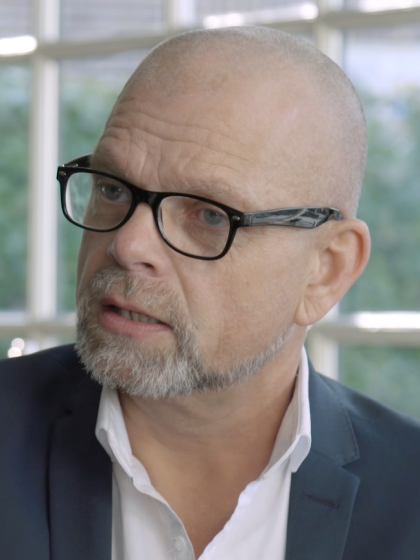
Opgetekend door Marrit Wouda, Corporate Communicatie RUG
Verboden voor dikke mensen
‘Stel je voor: we maken de wereld onprettig en ontoegankelijk voor dikke mensen. We maken geen aanpassingen in vliegtuigen en ziekenhuizen om ze tegemoet te komen en weren ze van schoolpleinen, en openbare ruimtes zodat kinderen niet gaan denken dat overgewicht normaal is. We maken het leven van dikke mensen zo ongemakkelijk dat ze moeten afvallen, net zoals we met roken hebben gedaan. Obesitas kost de samenleving miljarden, net als roken. Dus waarom niet dezelfde aanpak om mensen te motiveren af te vallen? Het antwoord is simpel: het werkt alleen als je het héél ver doorvoert. Maar wil je dat? Want het is vooral wreed.’
Obesitas is geen keuze
‘Elk pondje komt door het mondje’ toch? Op zich klopt dat, maar overgewicht is veel ingewikkelder. Obesitas is voor 40 tot 75% genetisch bepaald. Het gaat niet alleen om genen die je metabolisme beïnvloeden, maar ook om genen die je hongergevoel, verzadiging, impulscontrole en zelfs je voorkeur voor vet of zoet regelen. En natuurlijk heeft leefstijl een enorme invloed, maar er zijn ook genen die bepalen hoe makkelijk je beweegt en hoe fijn dat is voor je. En dan hebben we het nog niet eens over omgevingsfactoren: goedkoop, ongezond voedsel en gebrek aan kennis over gezond eten.’
Weet jij wat gezond is?
‘In Nederland besteden we maar 15% van ons inkomen aan voedsel terwijl dat in sommige delen van Afrika 65% is. Wij hebben de luxe om te veel te eten, en de industrie maakt het ons gemakkelijk: fastfood is goedkoop, overal beschikbaar, en vaak de meest aantrekkelijke optie. Maar waarom verwachten we dan dat mensen wel de juiste keuzes maken? Omdat ze weten wat gezond is? Nee. Veel mensen hebben nooit geleerd hoe ze hun lichaam moeten onderhouden. Ze eten wat er op tafel staat, wat lekker is, wat goedkoop is. En als je niet weet wat een Nutri-Score D of G betekent, hoe kun je dan een bewuste keuze maken?’
Stigmatiseren helpt niet
‘Mensen met obesitas zijn niet lui of zwak. Stigma maakt het alleen maar erger en schaamte zorgt niet voor gedragsverandering. Het zorgt voor isolatie, stress, en soms zelfs meer eten. Obesitas is een complex samenspel van biologie, psychologie en de invloed van de samenleving. Als we dat erkennen, kunnen we pas écht iets veranderen.’
Ozempic alleen niet de oplossing
‘Ozempic en GLP-1-agonisten kunnen sommige mensen echt goed helpen, vooral bij ernstige obesitas met medische risico’s. Maar het is geen quick fix, en alleen spuiten is niet genoeg. Als je stopt met de medicatie, komt het gewicht vaak weer terug, omdat de onderliggende honger en stofwisseling niet structureel zijn aangepakt. Afvalmedicatie moet gecombineerd worden met professionele begeleiding op het gebied van voeding, gedragsverandering en langetermijnstrategieën, maar op dit moment is dat nog onvoldoende professioneel geregeld.’
Pak de omgeving aan
Voorkomen blijft beter dan genezen, ook bij overgewicht. Bij roken hebben we inderdaad de omgeving aangepakt. Niet alleen door rokers te weren, maar ook door leeftijdsgrenzen, verbod op reclame, een inperking van waar je rookwaar kunt kopen. Dat doen we met voeding niet. Een hamburger van 1500 calorieën? Mag je gewoon adverteren. Daar kunnen we wat aan doen, net als een suikertaks en gezonde opties makkelijker beschikbaar maken. Daarnaast: educatie. Leer mensen meer over gezonde voeding, zodat zij dat ook aan hun kinderen kunnen doorgeven. Want anders staan die kinderen nu al met één-nul achter.’
Meer informatie
Meer nieuws
-
08 oktober 2026
Diversity Week: Wat kan ik doen voor LHBTQIA+ acceptatie?
-
22 september 2026
Negatieve oordelen spelen grote rol in leven van bijstandsgerechtigden
-
24 augustus 2026
Social media: Zwemmen of verdrinken?