
How kestrels counter chaotic currents
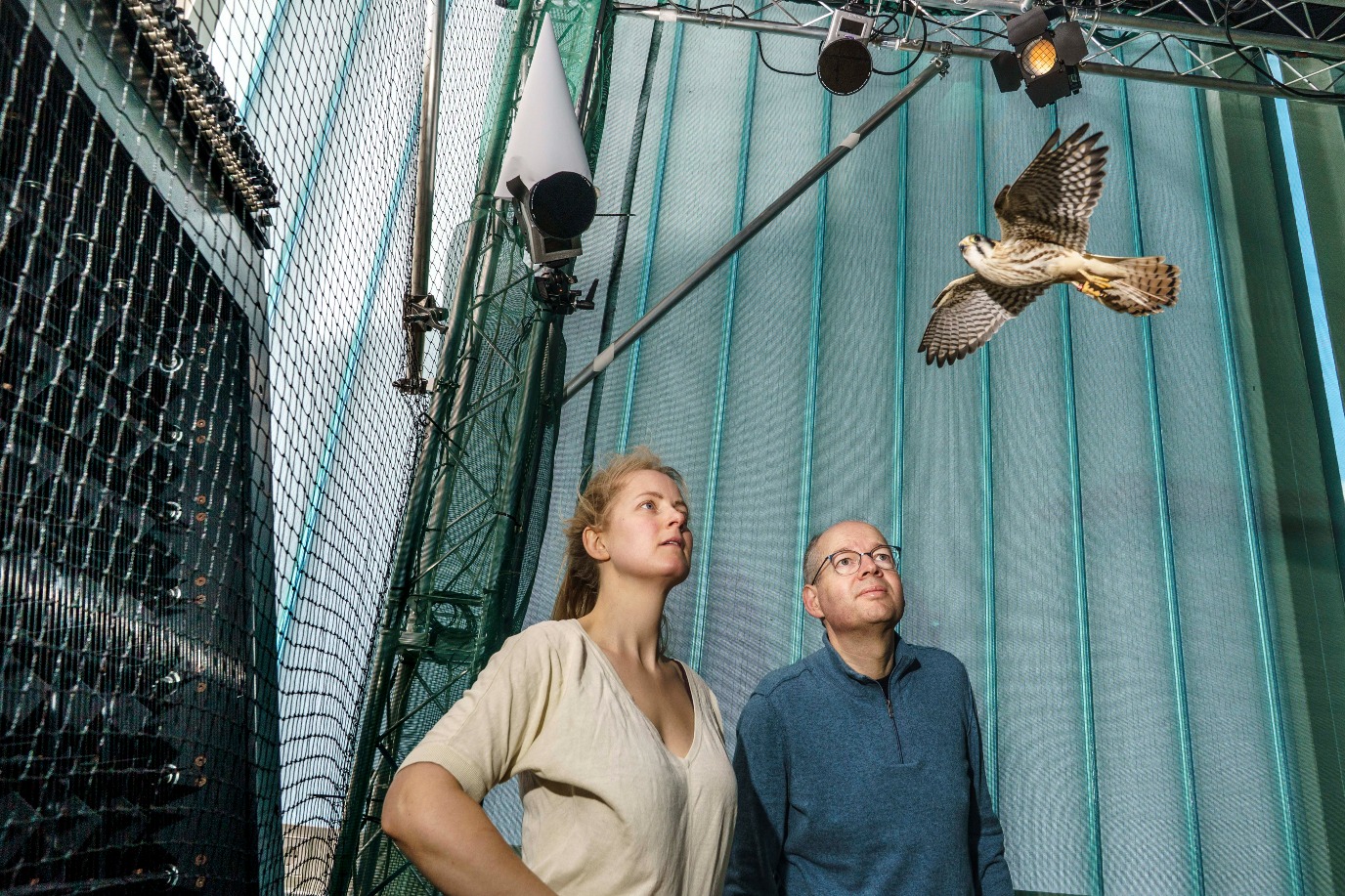
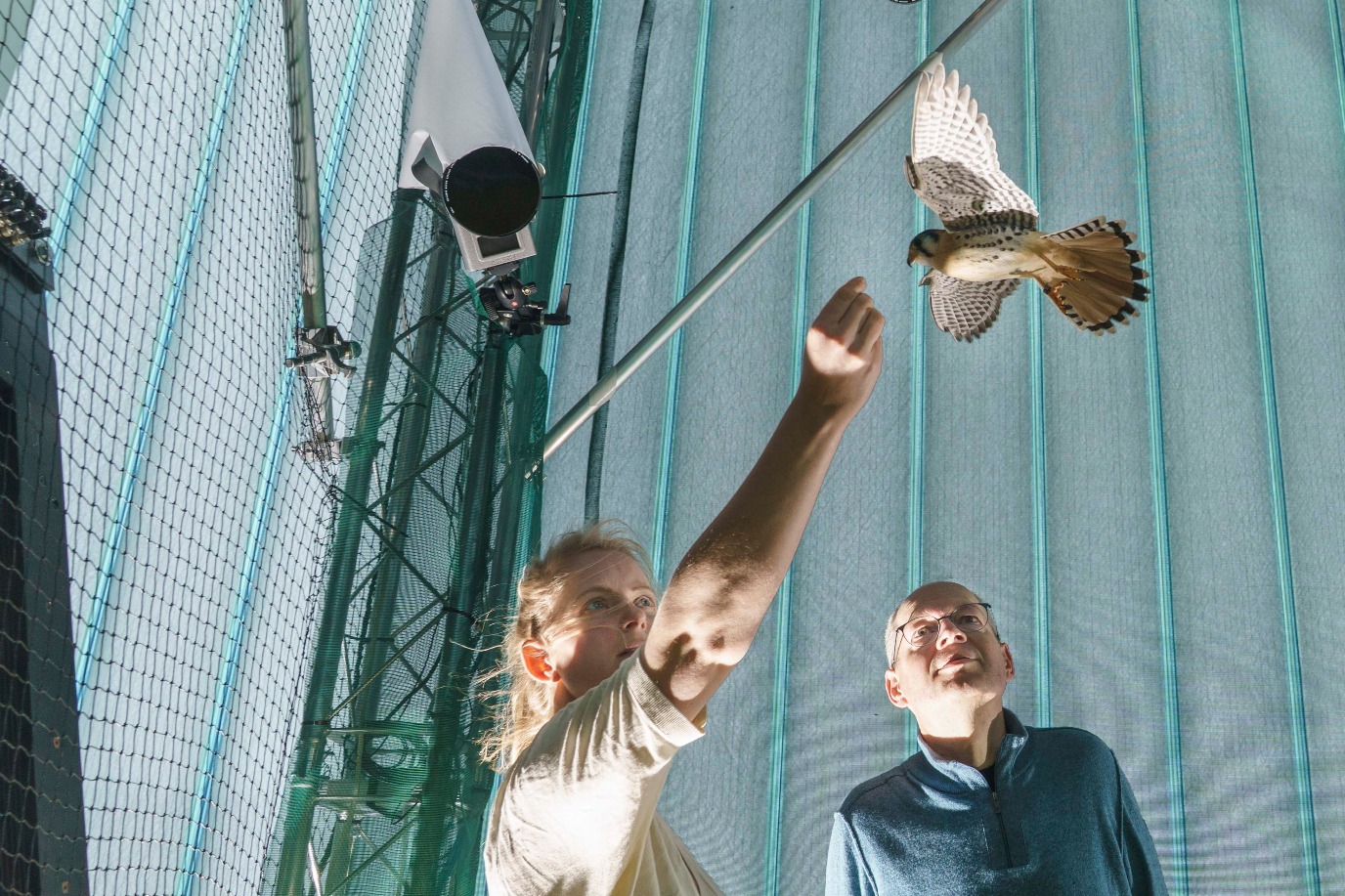
In a laboratory in the Linnaeusborg, an American kestrel can be seen ‘hanging’ motionless in front of a wind tunnel from which air is being blown. He appears to be coping effortlessly with the actively generated turbulence he faces. He is nicely coloured, elegant, and relatively small for a bird of prey. Next to him in the flying area are biotechnician (and bird trainer) Josien Janssen and Professor in Biomimetics David Lentink. Lentink’s ambition is to use knowledge about birds’ flight behaviour to improve the flight performance of aeroplanes and drones.
Birds flap, swoop, and skim through the air. They ‘stand’, climb, descend, hover, or glide. But how do they do it? This question has haunted David Lentink since childhood. He believes that gaining a better understanding of the highly complex flight behaviour of birds could be the key to improving the flight performance of aeroplanes and drones. With their heavy, rigid wings, aeroplanes and drones do not cope well with turbulence, whereas birds’ wings comprise such an ingenious network of delicate bones, muscles, and feathers that they can make countless minute adjustments.
Lentink is one of a rare breed: a researcher who is both an engineer and a zoologist. Having studied Aerospace Engineering at Delft University of Technology, his childhood fascination with biology drew him into a PhD in Zoology at Wageningen University, specializing in biological flight. He went on to gain even more specialist knowledge and experience in the training of birds during his postdoc at Harvard University and then at his own lab at Stanford. This diverse academic background places Lentink in a unique position in the scientific community.
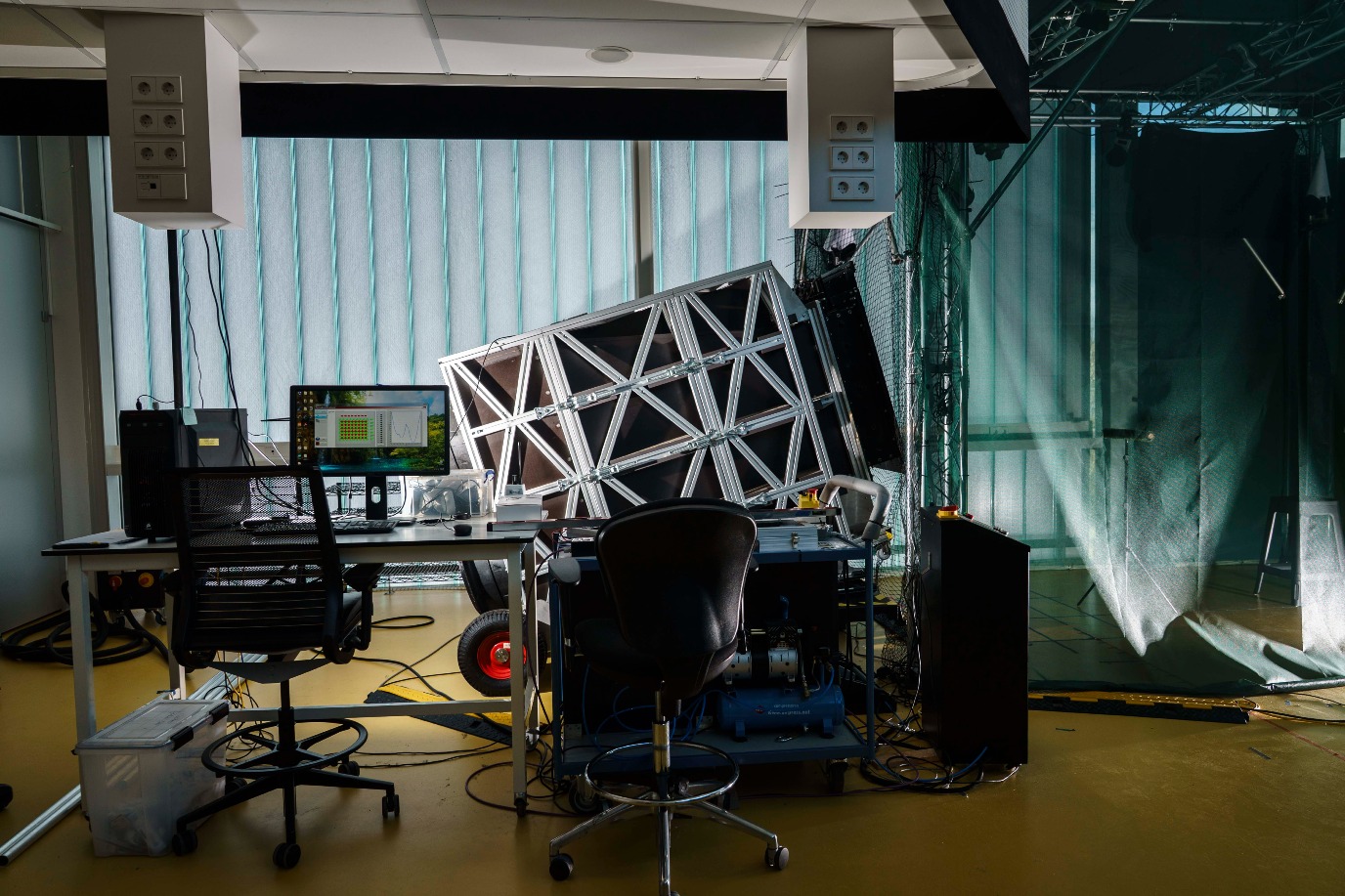
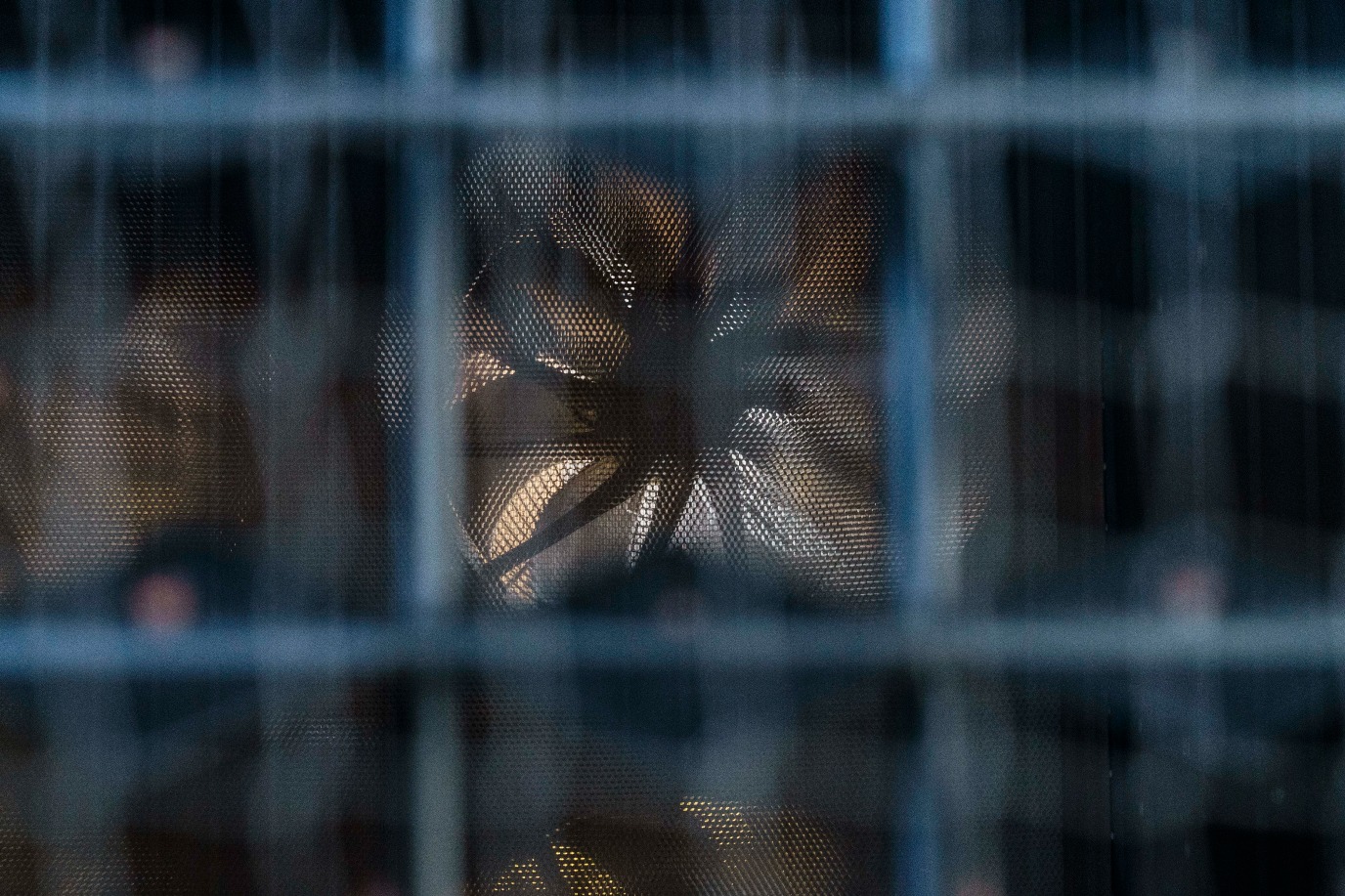
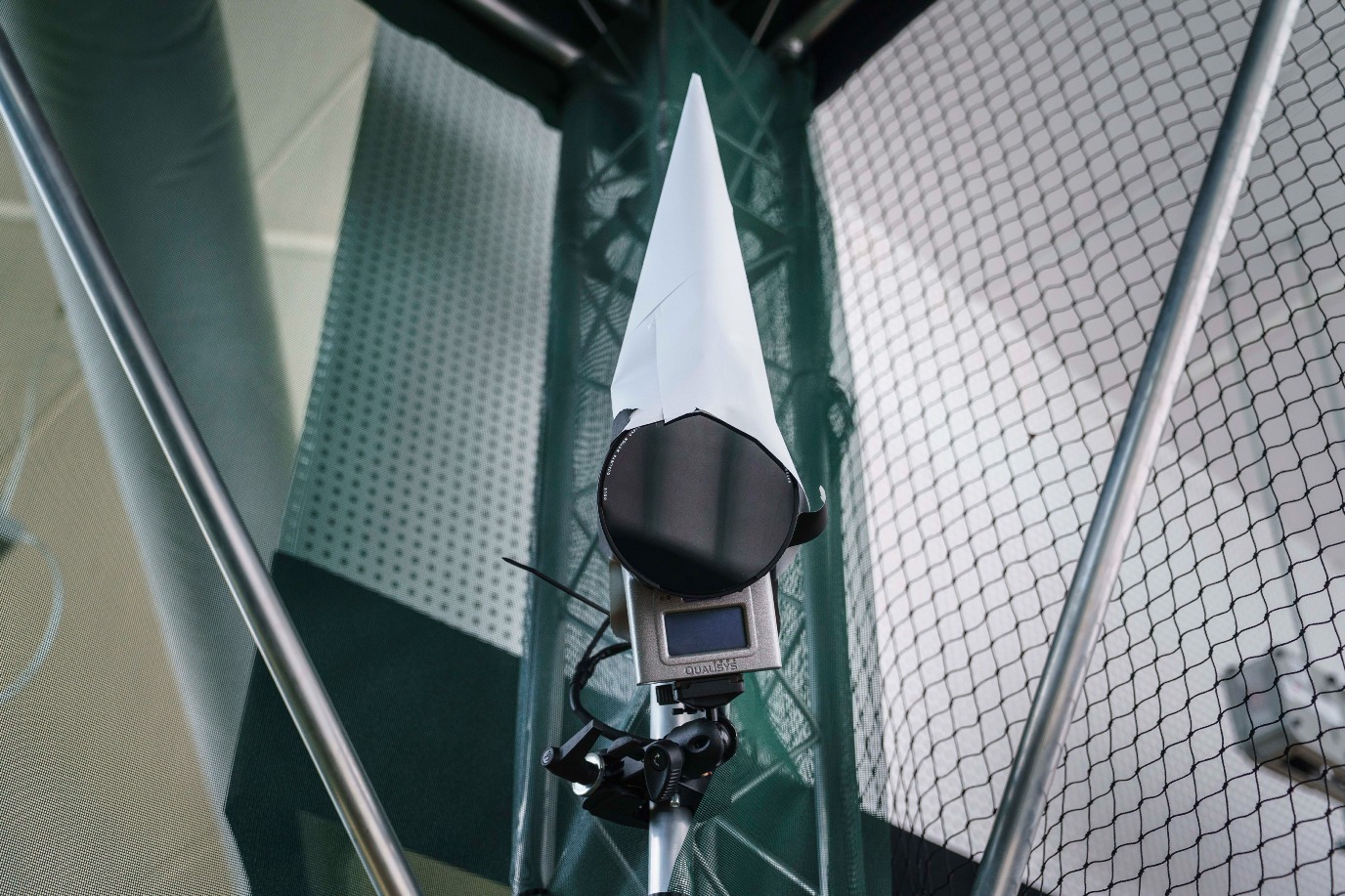
Lentink and his team are keen to discover how American kestrels manage to hover so steadily in severe turbulence. The team’s technician has built a turbulence grid, based on Lentink’s own design. The researchers place the grid in the airflow and generate various forms of turbulence by continuously adjusting the position of the series of flaps in the grid. Biotechnician Janssen then places markers on different parts of the birds’ wings and sends them into the turbulent conditions, rewarding them with their favourite snack afterwards. ‘The birds enjoy the process’, Lentink says, ‘and it provides us with lots of quantitative data on how they use their wings and tails to maintain flight stability.’ Data that PhD student Rens de Boer can use for his research.
To train birds of prey for this research, Janssen uses positive reinforcement as part of her own unique method of interacting with the birds. ‘Her method takes our research to a higher level,’ explains Lentink, ‘allowing us to acquire in-depth biological and mechanical knowledge about kestrels’ flight.’
Text: Fenneke Colstee, UG Corporate Communication
Photos: Reyer Boxem
Every two weeks, UG Makers turns the spotlight on a researcher who has created something tangible: it can be anything from measuring equipment they have designed themselves for use in academic research to a product that has the potential to change our daily lives for the better. Each portrait is an example of how UG researchers are helping to create solutions to major scientific and societal challenges. Visit the overview page for previously published portraits of ‘Makers’.
The position of engineering teaching and research as one of the wide range of strong disciplines on offer at the UG goes back decades and stands to strengthen its position even further through our increasingly close collaboration with the four technical universities in the Netherlands.
Further information
More news
-
25 September 2026
NASA selects infrared space telescope PRIMA featuring Dutch technology
-
-
24 September 2026
Arjan van der Schaft receives IEEE Control Systems Award