
Opinion | Getting sustainable deals at the flea market: “Do I really need this?”

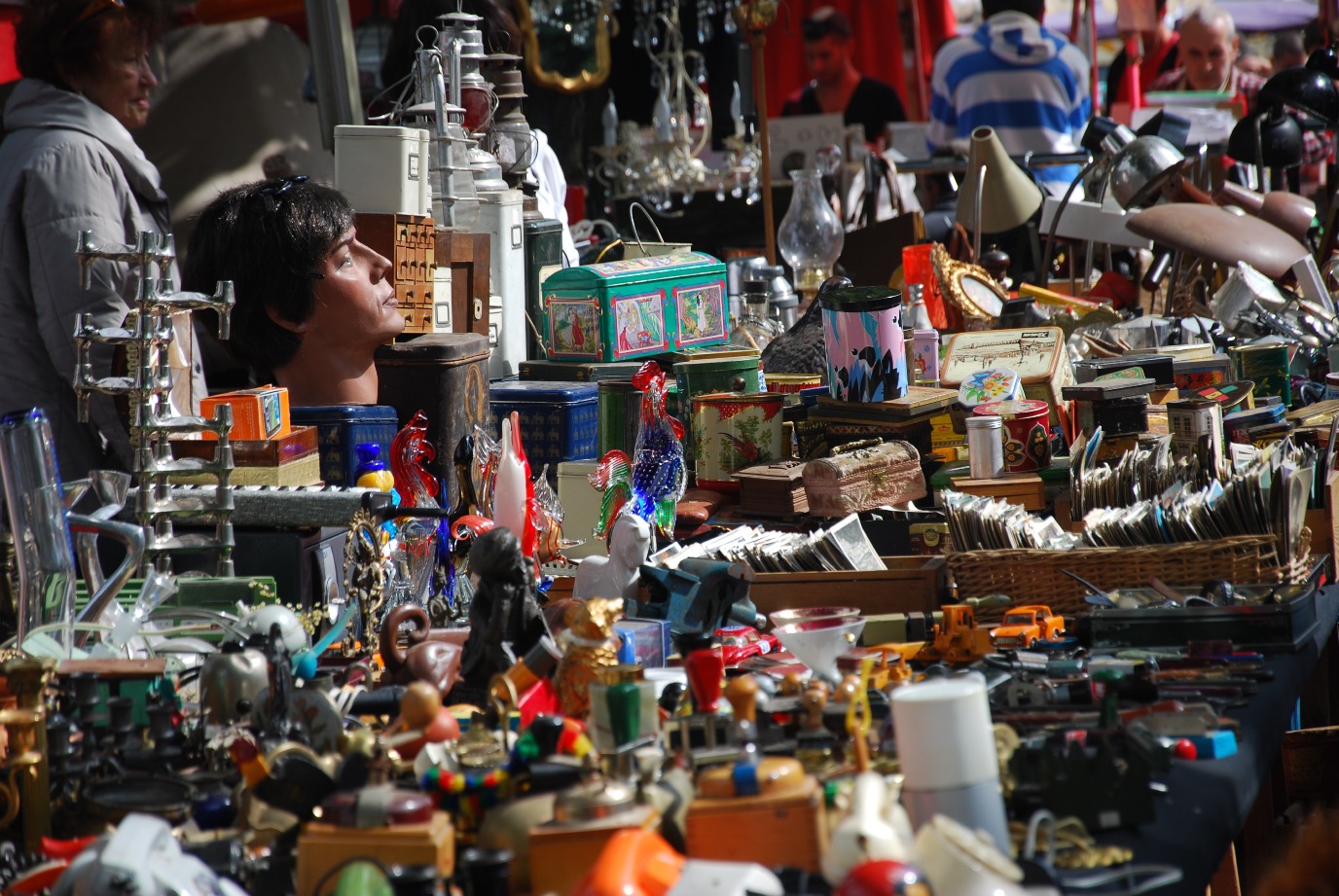
For many people in the Netherlands, the (Kings Day) flea market is synonymous with bargain hunting, haggling and unexpected finds. But anyone who truly wants to be sustainable should start with a different question, says consumer researcher Marijke Leliveld: do I actually need this?
Text: Sjoerd Bekius, Corporate Communication
'The most sustainable purchase is no purchase at all,' she states, going straight to the heart of the issue. Buying second-hand feels good, but often does not reduce overall consumption. On the contrary, it tends to complement what people already buy new, rather than replace it. Platforms such as Vinted are growing, yet sales of new products are not declining.
So how do you make a truly sustainable deal?
A sustainable deal does not begin with negotiating, but with self-restraint. First ask yourself: do I really need this, or is it simply ‘nice to have’? Only when something genuinely serves a purpose—such as toys that are still missing or clothes you truly need—does buying second-hand become a sustainable choice.
Once you decide to buy something, a second-hand purchase is more sustainable than a new one. However, psychology plays a major role here. People like to see themselves as ‘doing the right thing’ and sometimes use sustainable choices as an excuse. After buying several second-hand items, it can feel as though you have earned the right to also buy that expensive new coat you do not really need, but that suits you so well. It is a kind of moral balancing act. If you learn to recognise this tendency and avoid falling into that pattern, you will gradually buy fewer brand-new products. That is truly sustainable.
Article continues after photo
What can consumers do?
The role of the consumer mainly comes down to three things:
-
Buy less, and more consciously
See second-hand as a replacement for something you would otherwise buy new, not as an extra
2. Use items for longer
Invest in quality and repair where possible. The culture of replacing things every few years is largely learned.
3. Dispose of waste responsibly
Do not simply throw things away; separate and return them properly so that materials can actually be recycled.
How do we ensure that we buy less?
According to Leliveld, the solution does not lie with consumers alone. The system needs to change. Companies are often willing to become more sustainable, but struggle to compete with cheap mass production. Governments can address this through subsidies, regulation and by encouraging circular business models.
At the same time, consumers will need to get used to having less choice and fewer opportunities to buy. This can feel like a loss, as we have become accustomed to abundance and convenience—from fast fashion to one-click purchases.
The real shift, therefore, lies in a cultural change: buying fewer things should become enjoyable again, just as buying second-hand has become. That last development in particular makes Leliveld optimistic. 'In the past, it was not common to shop at a charity shop if you could afford new products. Now it is perfectly normal. That shows that consumers can change towards a more sustainable way of consuming.'
Look, browse—don’t buy
A sustainable flea market deal is not about the lowest price, but about making the right choice. Ask yourself whether you need something, only buy it if it replaces something you would otherwise have bought new, and above all, enjoy what you already own for longer. Buying less is ultimately the most sustainable—and perhaps the most difficult—choice.
And if you still want to score that great deal? Bargaining at the flea market remains a game. Stay friendly, set a clear limit, and remember that timing matters. Early in the day you may find the best treasures, while later on prices may drop significantly.
'But still, the most sustainable purchase is no purchase at all,' Leliveld repeats, reflecting on clearing out her own attic. 'In the end, it saves a great deal of clutter.'
More news
-
07 September 2026
Why entrepreneurship thrives in specific regions
-
11 August 2026
InnoLaunch: Get your startup ready for takeoff in 8 weeks
-