
Doing good in complex situations
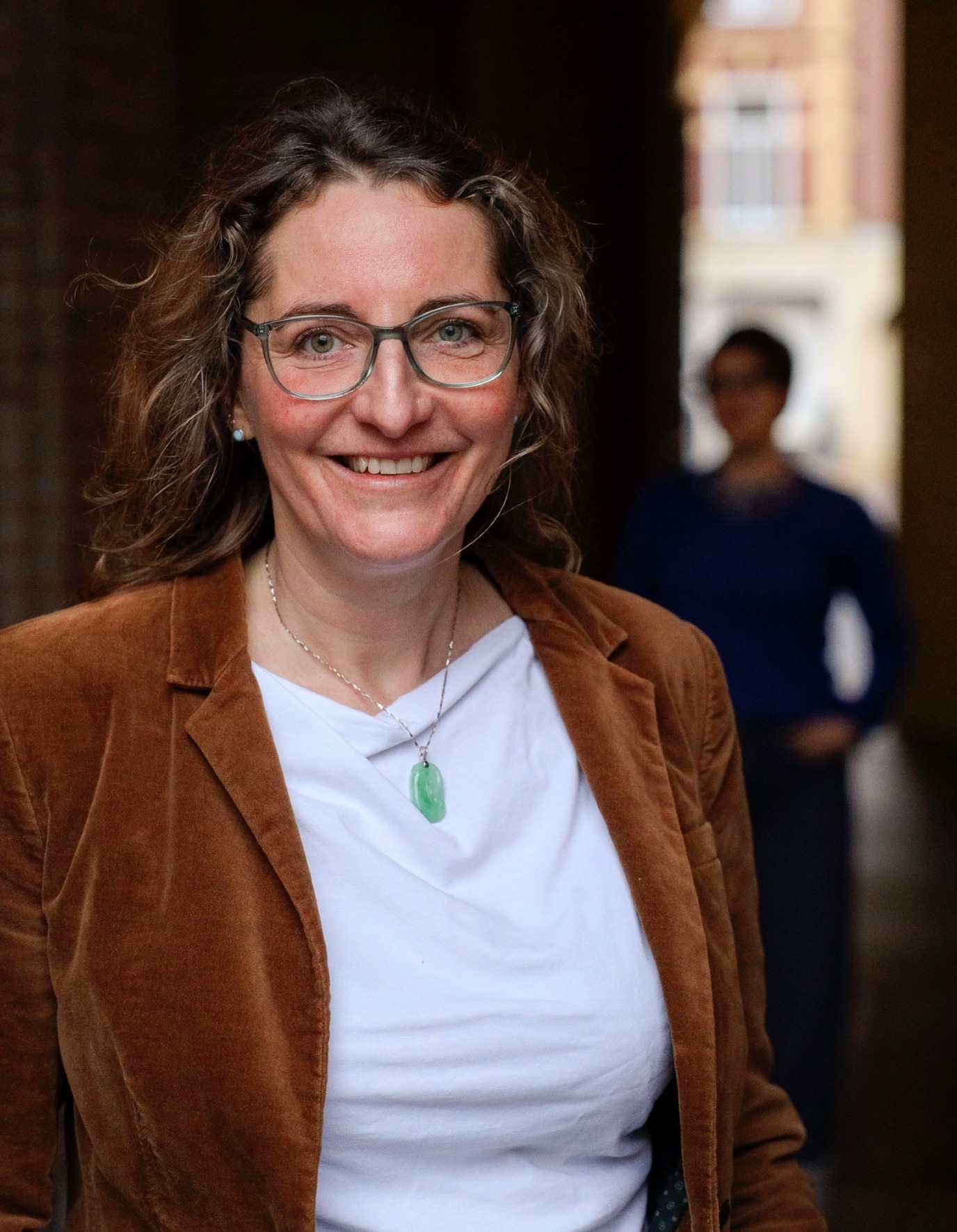
2025 was the year of floods, wars, earthquakes, genocide, drought, hunger, infectious disease outbreaks, overcrowded and filthy refugee camps and closed borders. It was also the year in which the humanitarian sector itself fell into crisis. The largest donor, the United States, cancelled its annual contribution of nine billion euros. ‘The sector must reinvent itself very quickly, and for that you need out-of-the-box thinkers,’ says NOHA director Nadine Voelkner.
Text: Helma Erkelens / Photos: Henk Veenstra
How do we get the humanitarian catastrophe in Sudan onto the agenda of world leaders? What do people in Gaza need, both urgently and in the long term? What support do local authorities in Indonesia require to get relief goods to where they are needed during massive floods? What lessons can be learned from the Ebola crisis?
Finding answers to these kinds of questions – one way or another – and learning to develop approaches and make them evidence-based; that is what the NOHA Master’s programme is all about. NOHA stands for Network on Humanitarian Action: consisting of eight European universities that have jointly organized a two-year Master’s programme. The University of Groningen has been part of the network for nearly 30 years.
The Master’s prepares students for leading and strategic roles in aid organizations such as the Red Cross, UNICEF, UNHCR or Doctors Without Borders, but also at the EU or in national ministries. Graduates sit at the negotiating table with governments and aid organizations to secure funding or access to a region, they lead humanitarian organizations, coordinate and organize relief efforts, and conduct research into what works and what does not in specific contexts.
Developing a sense of impact
Just as in a real crisis, students are immersed in a theme somewhere in Europe. This approach quickly provides a glimpse into the enormous complexity of humanitarian crises. This year it was ‘environment’ – the impact of crisis on the living environment.
‘Climate change causes floods, water shortages, drought, resulting hunger and displacement,’ Voelkner explains. ‘Also, consider the impact of pollution and war. In Gaza, the environment and economy are being structurally destroyed. This makes it impossible for Palestinians to work towards recovery. What does that mean for the humanitarian action you can take?’
A backpack full of knowledge
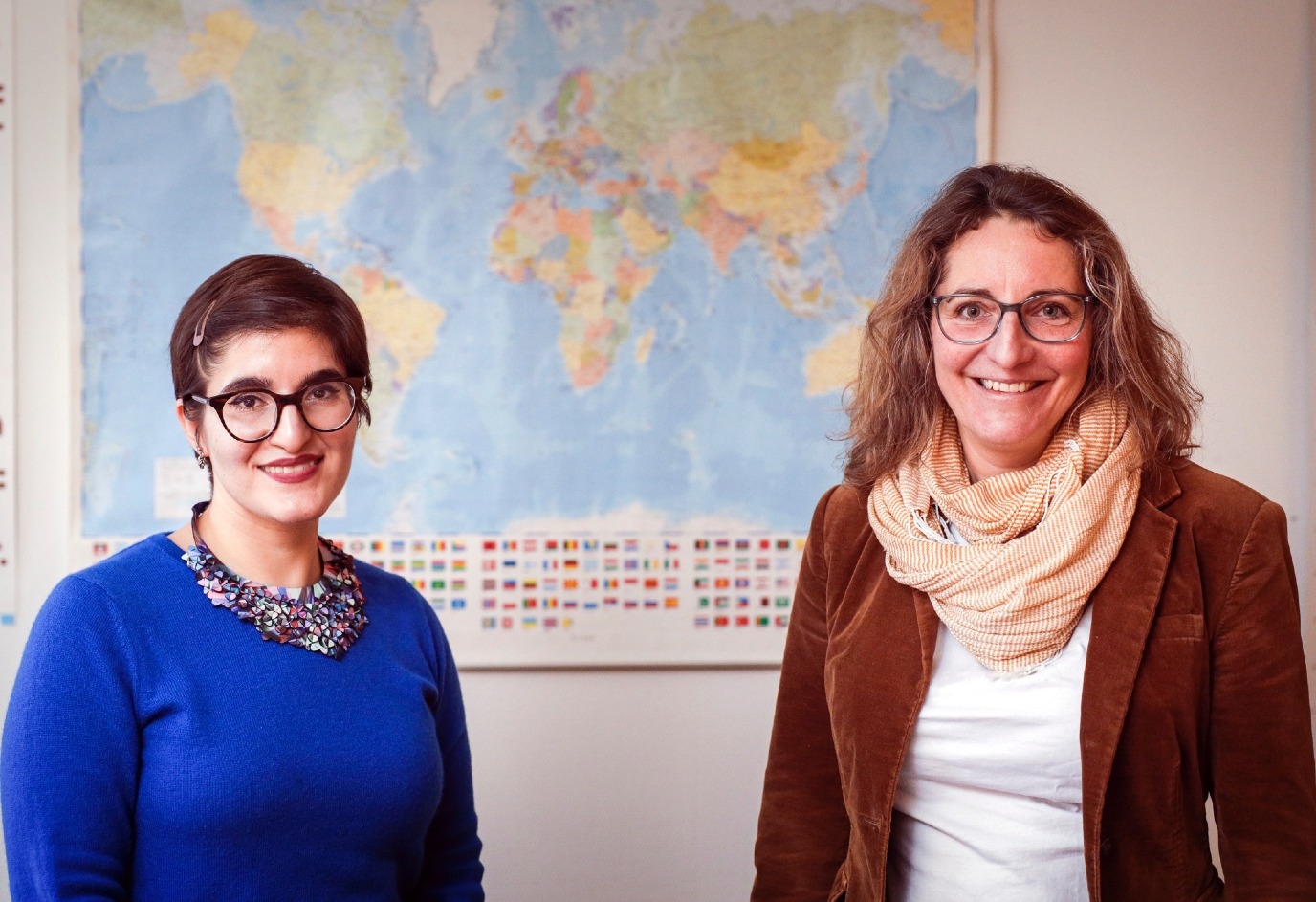
After their first week, students spread across the eight universities, which in the first semester provide a solid grounding in political dynamics, international relations, public health, cultural anthropology, management, legal aspects and much more. The curriculum is the same everywhere during this semester. Afterwards, students choose a specialization, which differs per university.
The Groningen focus
NOHA Groningen’s research and teaching focus on context assessment, the supply chain, advocacy and negotiation, and evidence-based decision-making. A scientific approach is key, along with critical thinking, reflection, creativity and flexibility. Awareness of ethical dilemmas runs throughout the programme.
Voelkner: ‘In the humanitarian sector, you deal with these constantly, because you want to do good and avoid causing harm. For example: How do you respond when authorities deny you access to a region? What is the impact if you withdraw? And sometimes the government itself is part of the problem. How do you deal with that?’
Students from many cultures
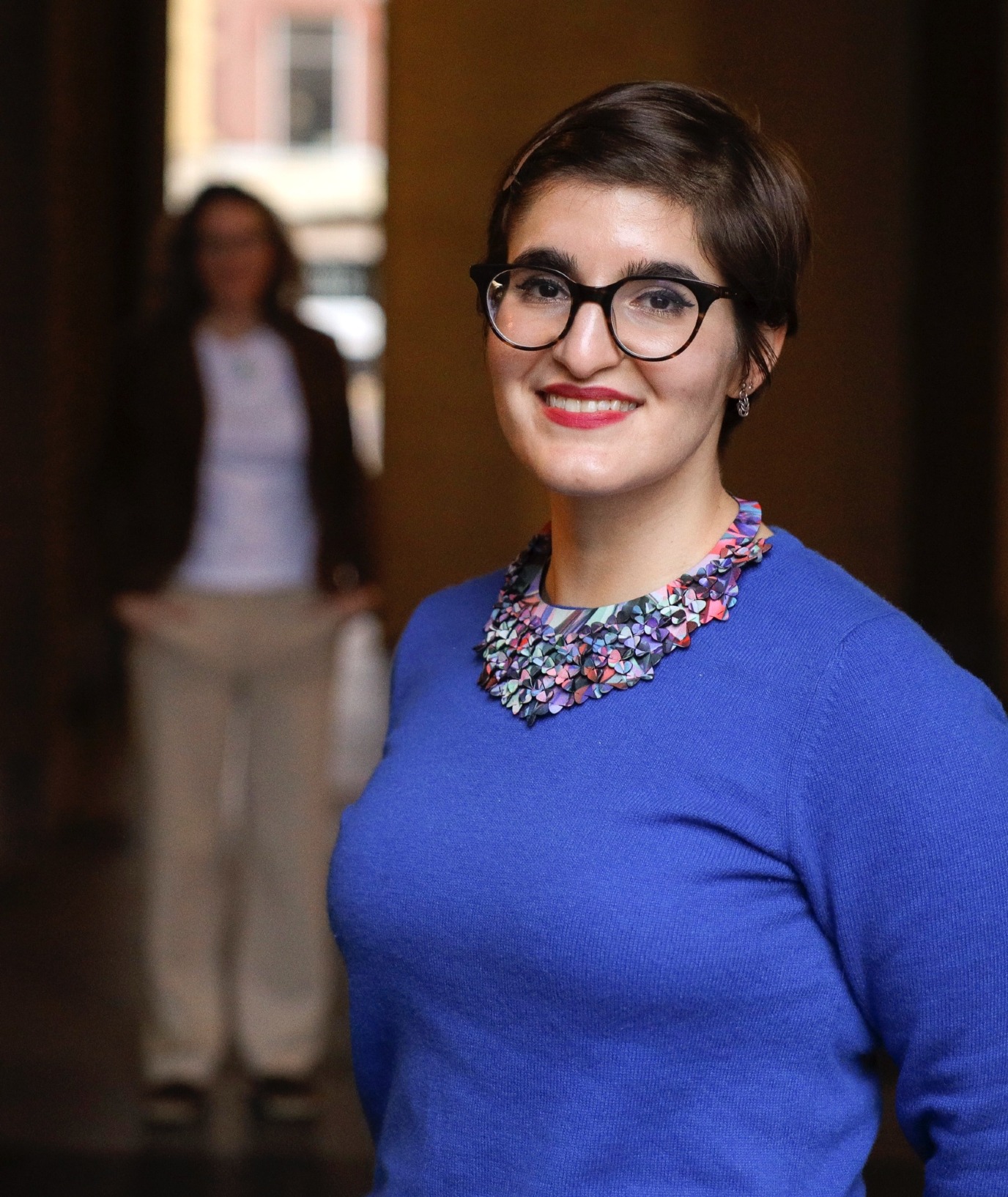
The great diversity in the backgrounds of the students also contributes to critical thinking, reflection, creativity and flexibility says deputy director Nazanin Zadeh-Cummings: ‘Some have just completed their Bachelor’s, others have worked in the humanitarian or another sector. We have doctors, engineers, physicists, people with backgrounds in business or international relations, political scientists, cultural anthropologists. They come from all over the world, sometimes even from crisis regions. All these different experiences and perspectives create new insights.’
They become aware of their own norms and values, and those of others. This is essential, Voelkner argues: ‘Our research shows that unconscious assumptions cause problems in aid delivery. A hidden Western sense of superiority and latent racism often influence decisions. So, what about your own biases?’ Zadeh-Cummings adds: ‘You learn from each other. It’s an incredible learning process for the lecturers, too.’
Attention to local solutions
Voelkner illustrates how Western assumptions can lead aid efforts to miss opportunities, referring to research by a student with a psychology background. She wanted to understand how local Indonesians cope with trauma after a natural disaster. There was only one psychiatric clinic in the region. Voelkner explains: ‘Many people turned to a traditional healer. She compared the healers’ treatment methods to those of psychologists and psychiatrists in the United States. The surprising result? There were similarities in how they approach trauma and in the exercises given to patients. Aid organizations usually don’t regard traditional healers as professional support. There is often little attention paid to local solutions. But when resources are scarce, humanitarian organizations could benefit greatly from them.’
Displaced as a student
A study that will never be forgotten is that by Nancy, a humanitarian aid worker from Sudan. During her research in Darfur, she herself became displaced. The NOHA lecturers were deeply concerned for Nancy’s safety and uncertainty. ‘Luckily, Nancy had prior experience as an international humanitarian professional. Besides, you also learn how to monitor your own psychosocial well-being.'
‘She ultimately wrote an autoethnographic thesis about what it means to become a displaced woman,’ Voelkner says proudly. ‘Her research questions were: What obstacles do women face when they are displaced and must resettle in Cairo? How do they rebuild their lives? There is hardly any work, no family, no network, and there are countless displaced people. The significance of such participatory research is immense,’ Voelkner stresses. ‘Through Nancy we heard the voices of people who have truly lived through catastrophe and displacement. That happens far too rarely.’
Added value of academic humanitarian professionals
Voelkner: ‘You need people on the ground to distribute food, medicine and supplies. But you also need people who can take a step back. People who can look at situations from a bird’s-eye perspective and consider: What is the best course of action; what can we learn? That requires – indeed – critical thinking, reflection, creativity and flexibility. With the drastic cuts to the humanitarian sector and the intense competition this has created within and between organizations, these competences are needed more than ever.’
In Groningen, the Master’s programme is embedded within the Department of International Relations of the Faculty of Arts. Each year, more than 20 students enrol, coming from various disciplines and countries. Each semester they study at a different university, and in the third semester they can do an internship at an international or local aid organization or a governmental body somewhere in the world. Another option is to study at one of eleven partner universities outside Europe, for example in Jordan, Thailand, Sierra Leone or Colombia. In the final semester, students complete the Master’s programme with their own research project.
More news
-
-
14 September 2026
Dementia in migrants: does care in the native language help?
-
14 September 2026
Cesspits reveal what the Dutch ate centuries ago