

Science as cement: how research contributes to collaboration
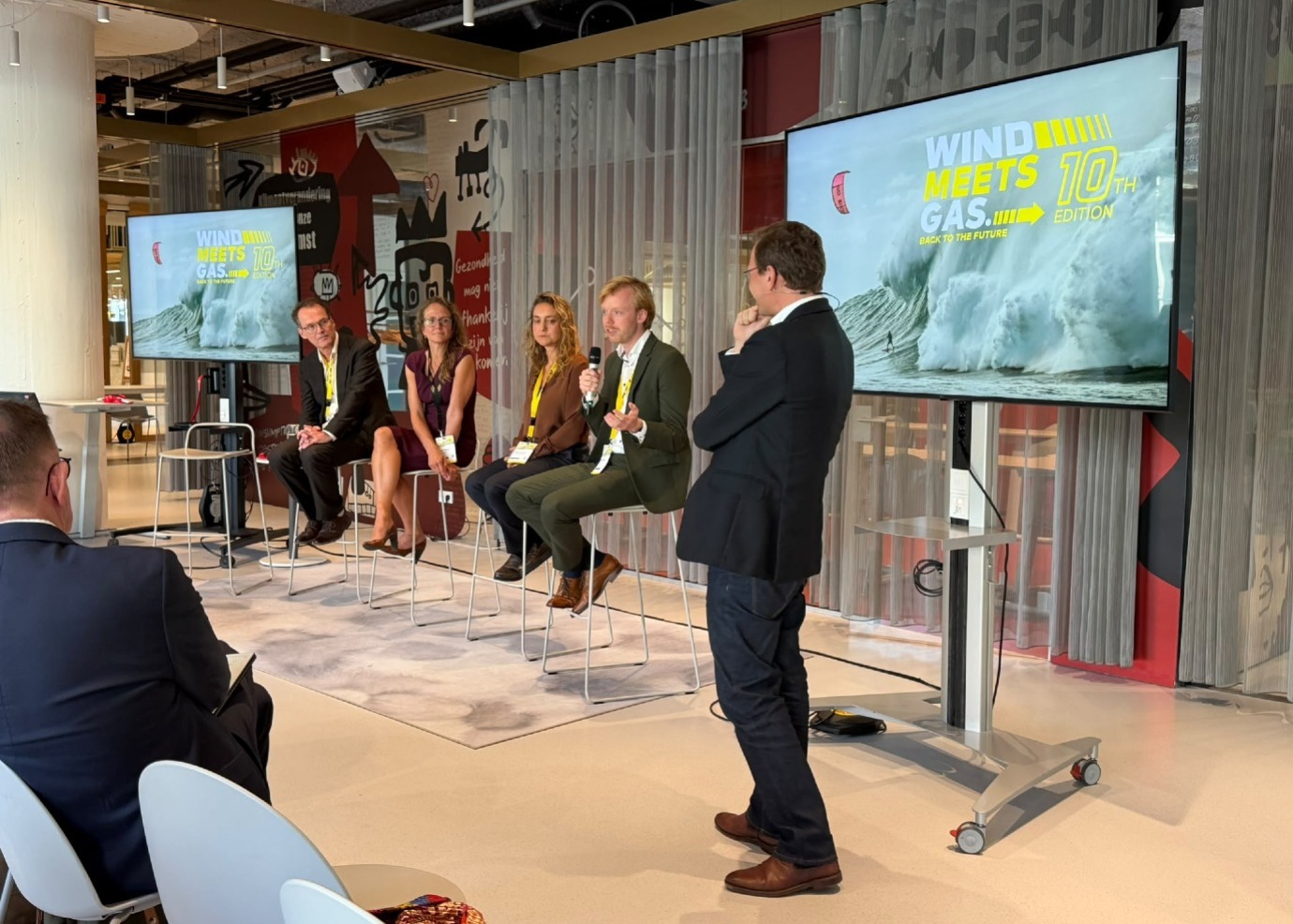
The energy transition does not stop at national borders but is a global challenge. What role can science play in international collaboration? During Wind Meets Gas, this question was central in the session on ‘Science Diplomacy’, organised by the Wubbo Ockels School for Energy and Climate.
Tekst: Jelle Posthuma
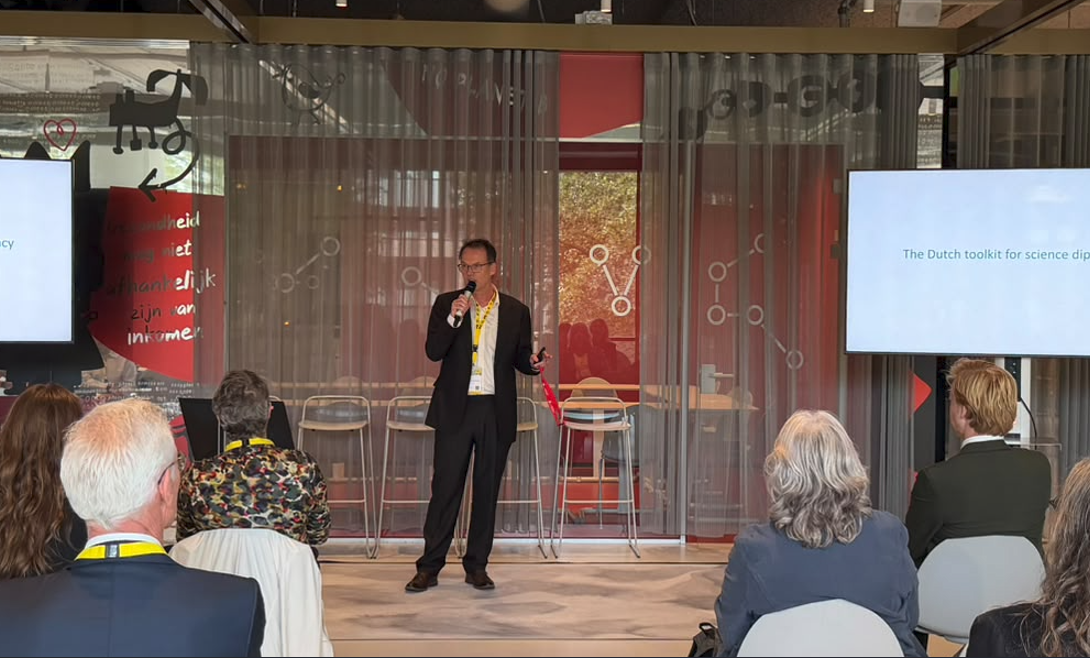
Who suffers from flight shame? This is the question moderator Lorenzo Squintani, professor of Energy Law and former scientific director of the Wubbo Ockels School (WOS), posed to the audience at the beginning of the meeting. A logical question, as both diplomats and scientists travel the world for international collaboration. Many diplomats and researchers have achieved Gold status with one airline or another.
Different dimensions
Kilometres for international exchange. When this exchange is combined with science, the term ‘science diplomacy’ comes into play. Science diplomacy has three dimensions. In diplomacy for science, diplomacy works to enable international scientific collaboration. In science in diplomacy, scientific knowledge contributes to well-founded foreign policy. And in science for diplomacy, science acts as a bridge between countries, helping to strengthen diplomatic relations.
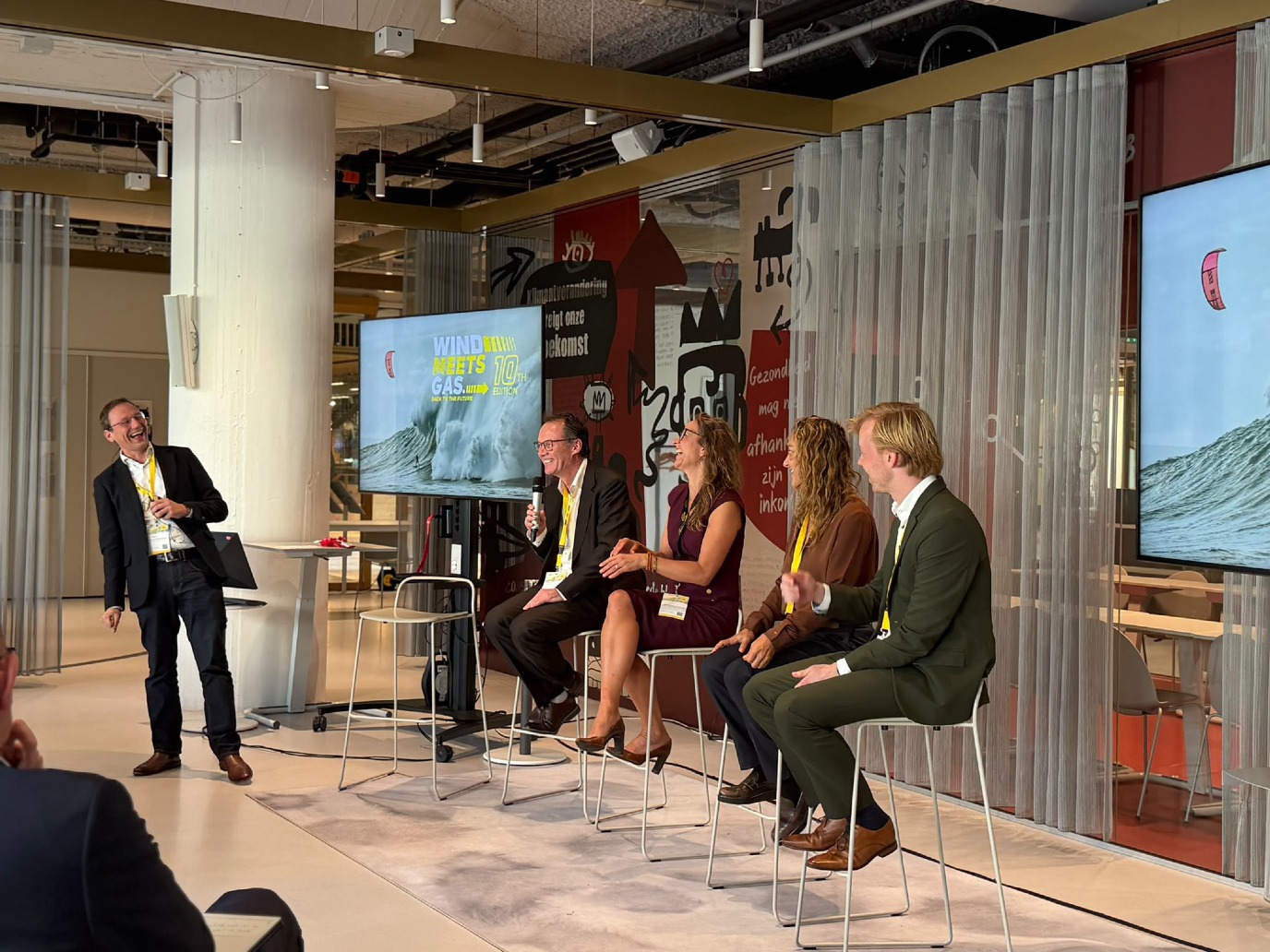
Guests Eric Beerkens (NWO), David Koole (RVO), Evrim Ursavas (RUG), and Nienke Homan (Impact Hydrogen) shared their experiences with ‘science diplomacy’ and discussed it with each other and the audience during a panel discussion. Beerkens, head of international programmes at NWO, explained how the research financier supports all three dimensions of science diplomacy. He emphasised the importance of long-term relationships, which often arise from small-scale, personal contacts.
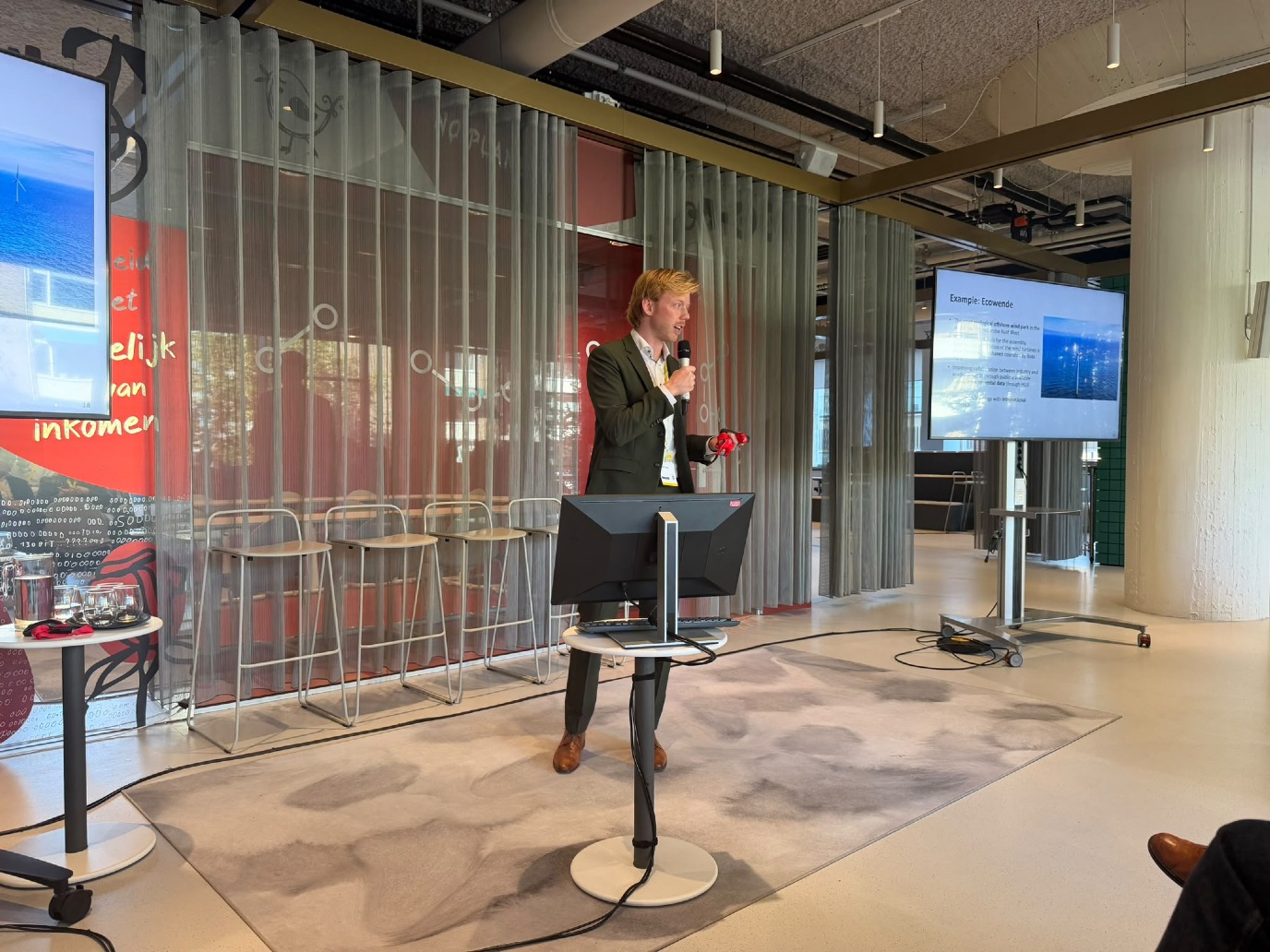
Koole, hydrogen advisor at the Netherlands Enterprise Agency (RVO), also addressed the importance of building relationships. At RVO, the focus is on the Triple Helix, he explained: collaboration between governments, businesses, and knowledge institutions. According to him, scientific knowledge helps build trust within this tripartite. As an example, he mentioned the Ecowende wind farm in the North Sea, where scientific insights into ecology are central to the construction of the park. Insights gained from building this wind farm can then lead to new research results.
From knowledge to impact
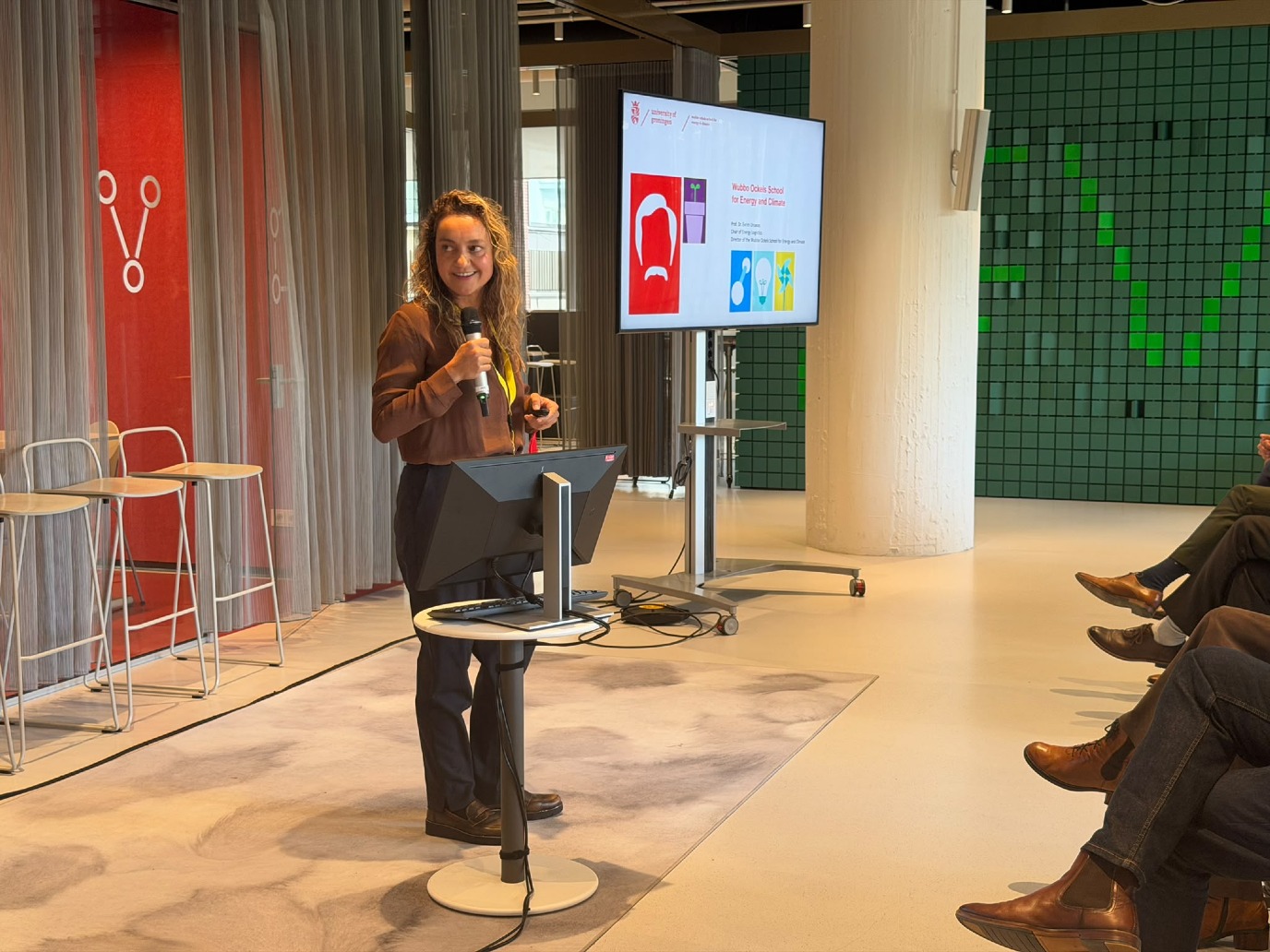
Ursavas spoke about converting scientific knowledge into impact, for example through the Schools for Science and Society at the University of Groningen, set up to increase collaboration between disciplines and with society. She mentioned the knowledge hubs: the Public Participation Center, the Climate Adaptation Platform, and the Hydrogen Valley Campus Europe. The latter focuses on developing knowledge about hydrogen to then use it for major societal challenges.
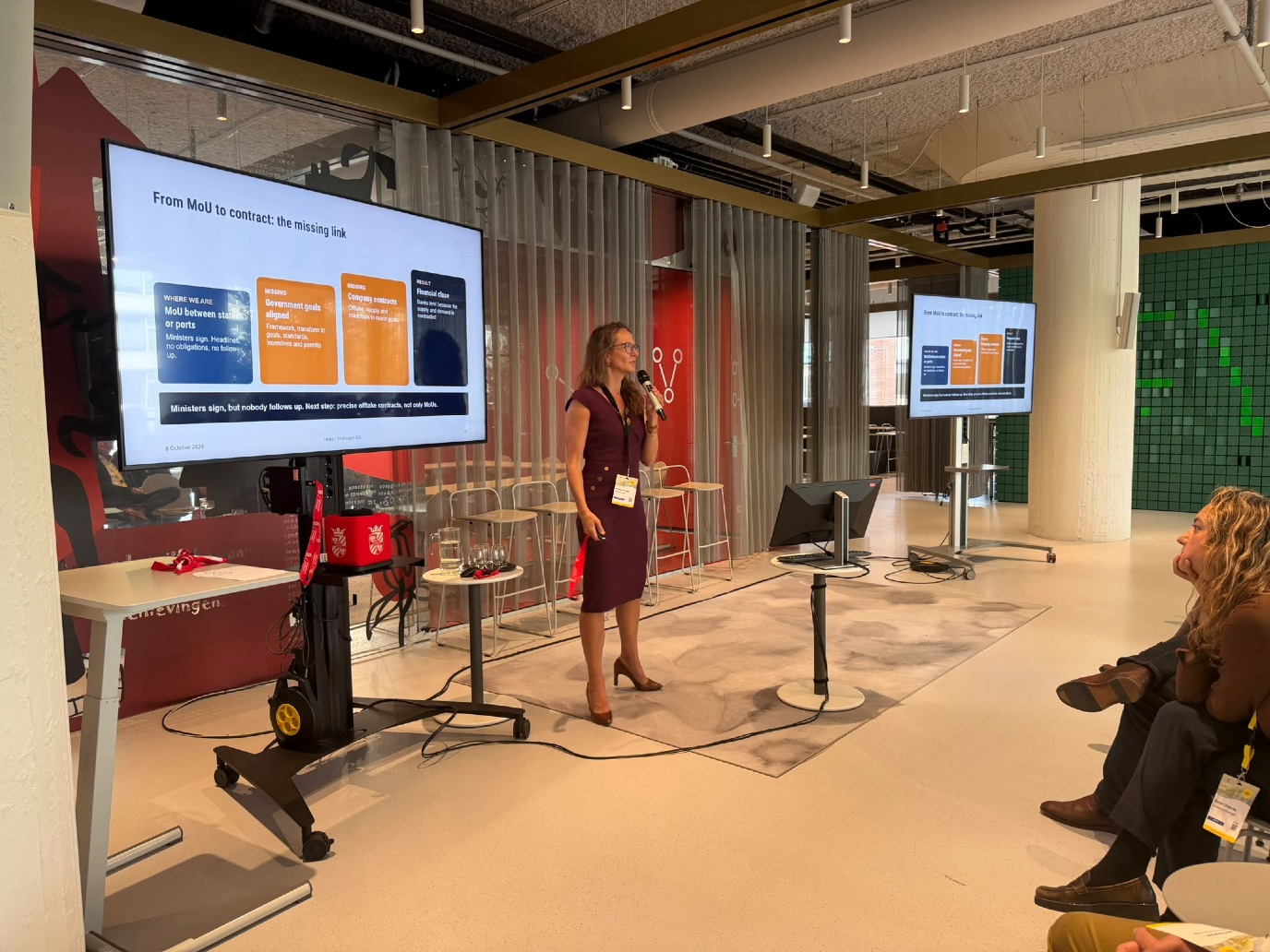
The final speaker, Nienke Homan, was closely involved in developing the hydrogen ecosystem within HEAVENN, the first Hydrogen Valley in Europe. An important lesson? According to Homan, knowledge institutions and businesses operate at different ‘speeds’. Companies want immediate results, while research looks to the long term. Therefore, the involvement of governments, which act as mediators and catalysts between knowledge institutions and businesses, is crucial in her view.
Knowledge security and making decisions
But how do we do that: collaborate? As it happens, we are very good at that in the Netherlands, Koole responded to the audience’s question. The Netherlands has a long and successful tradition of the polder model, in which collaboration is central. Are we not looking for too much collaboration, someone in the audience reacted. The energy transition requires a rigorous change, is it not time for an ‘enlightened despot’? Of course, sometimes decisions need to be made, the panel responded. But international collaboration is ultimately about long-term and carefully built relationships.
A major challenge in international collaboration in the current era is knowledge security, the panellists acknowledged. Not all topics lend themselves to international collaboration, especially when it comes to sensitive technology. There are plenty of recent examples, such as political developments in the United States, problems with students from Iran, or restrictions on collaboration with China. At the same time, science can continue to serve as a bridging function, the panellists emphasised: research remains an international activity.
What can the North learn from this meeting? Moderator Squintani posed this question to the panellists at the end. Groningen has a strong profile, with an international university that is firmly rooted in the region, among other things through the University of the North collaboration. The North should also utilise the large alumni network, was their advice. Many Groningen alumni cherish warm memories of the far North – if only because of the unlimited opening hours of Groningen’s pubs.
More news
-
-
03 September 2026
Ming Cao reappointed as scientific director of the Jantina Tammes School
-
01 September 2026
Evrim Ursavas appointed scientific director Wubbo Ockels School