
Knowledge and Eduation for Impact
The Knowledge and Education for Impact theme investigates impactful university and school education through four main areas: innovative and effective teaching practices and student development; inclusive educational practices respecting personal needs; life skills development (including creative thinking, critical thinking, learning to learn, communication, collaboration, social responsibilities, emotional development); and knowledge sharing beyond academia. The theme incorporates knowledge cultures research, exploring relationships between knowledge production and societal change. This includes investigating various forms of knowledge production (scientific, indigenous, embodied, art-based methodologies), examining disciplinary differences and postcolonial perspectives, and studying science communication in non-formal settings like museums. There is particular focus on scientific literacy and the role of academia in cultivating critical thinking and engaged citizenship.
Project showcases
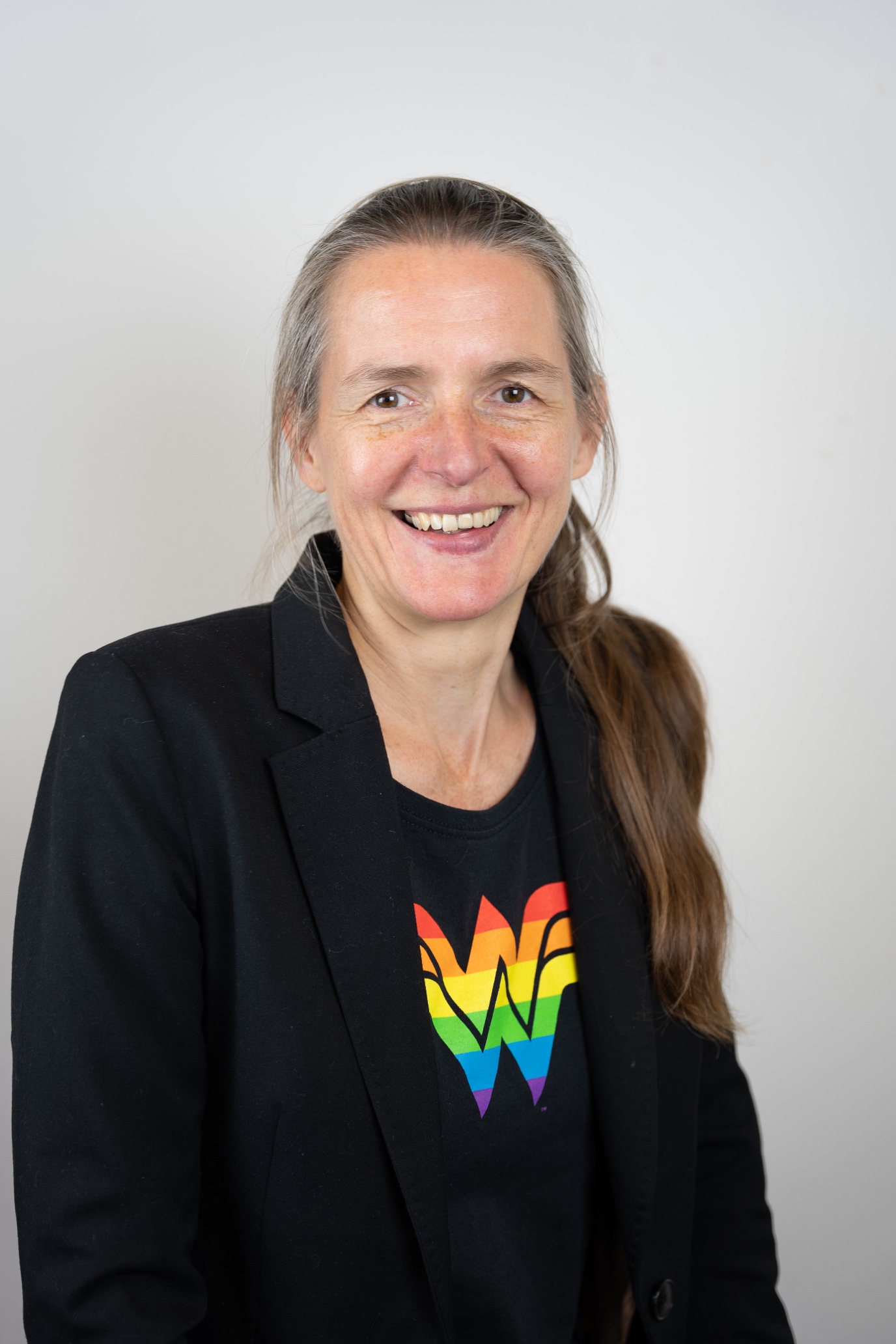
In 2023, Bettina van Hoven has been awarded an NWO grant of 400.000 euro for her project Everyday Geographies of Being and Becoming Disabled. Using a community-based participatory research approach, the project explores and analyses everday experiences of being and becoming disabled.
The project focuses on:
-
What are everyday, lived experiences of (social) encounter and interaction of persons with disabilities in urban spaces?
-
To what extent do physical, socio-cultural, affective, economic and policy/ governance dimensions affect these everyday experiences?
-
To what extent can inclusive spaces, places and practices be identified that may instigate new practices and perceptions by those frequenting such places (nondisabled and disabled)? What spaces and encounters can be enabling and conducive to ‘lived citizenship’?
-
Which ‘lessons’ can be identified from involving community stakeholders multi-method community-based participatory research, how can these lessons best be communicated, and to what extent are these transferable?
-
The research team will collaborate with sHeerenloo/Noorderbrug, an organisation that provides care and housing for people with acquired brain injuries, deafness with complex problems, and chronic neuromuscular diseases.
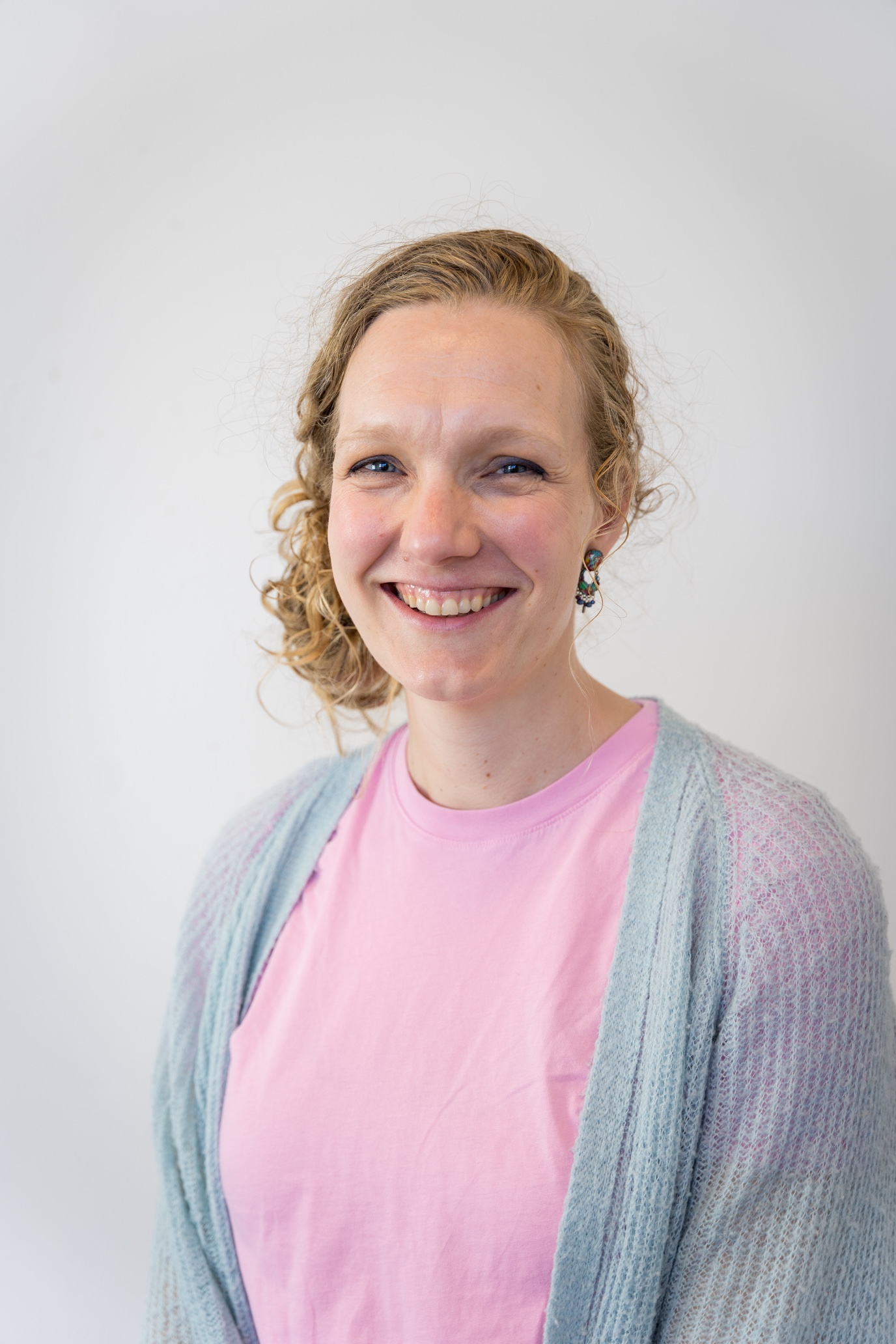
In 2026, Theisje van Dorsten co-spearheaded the launch of TRACE, an online environment where primary and secondary school teachers and arts educators can register their cultural-education activities. TRACE was developed in collaboration with Stichting Kunst & Cultuur (Groningen) and Compenta (Drenthe).
TRACE (Teachers Registration Application for Cultural Education) is a digital tool designed to help teachers gain insight into how they stimulate cultural consciousness in their lessons. Cultural education spans subjects such as visual arts, music, dance, theatre, philosophy, literature, heritage, and history, and supports pupils in understanding themselves, others, and the cultural contexts in which they live. Despite the importance of these learning goals, teachers previously had no way to systematically track and evaluate their efforts in this area. TRACE fills this gap by making cultural education practices more visible, measurable, and open to reflection.
Developed by PhD researcher Lisa-Maria van Klaveren and Dr. Theisje van Dorsten in collaboration with Stichting Kunst & Cultuur and Stichting Compenta, TRACE enables teachers to register and analyse cultural education activities in a structured and accessible way. The tool provides valuable insights into educational practice by showing which cultural skills teachers have stimulated, which media they have used, and how their activities align with the Dutch national core objectives (kerndoelen) for Arts, Citizenship, and Digital Literacy. Through clear visualisations and analyses, teachers and schools can evaluate their educational choices, identify strengths and areas for development, and support ongoing curriculum improvement.
TRACE was developed and tested over a two-year period in close collaboration with nine primary and secondary schools in the province of Groningen. Evaluations showed high levels of teacher satisfaction and self-perceived professional learning, demonstrating the tool's value for both classroom practice and professional development. Building on these positive results, TRACE has since been further developed and is now available to schools throughout the Netherlands.
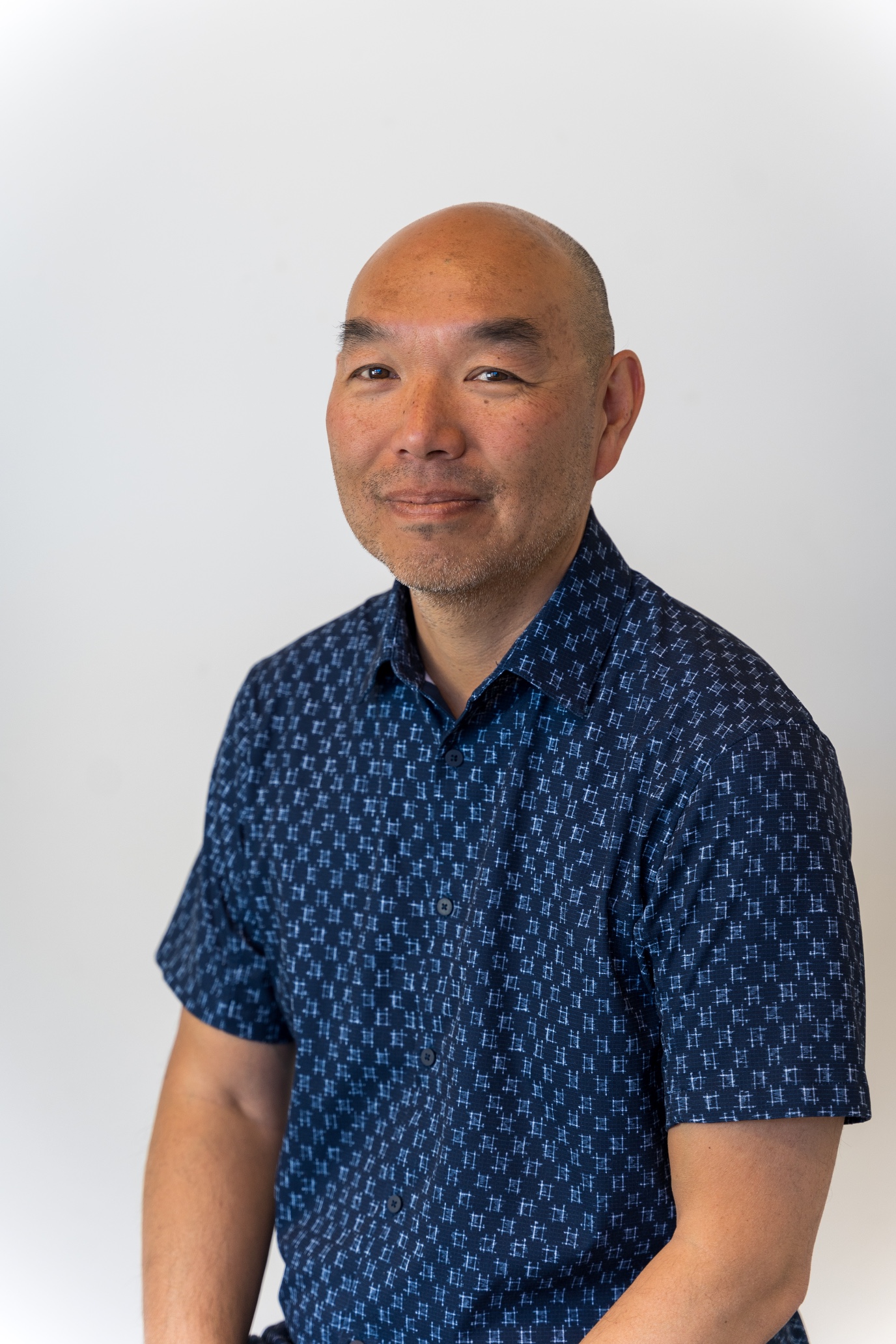
Roland Chiu leads SPARK, an ENLIGHT-funded project that puts creativity, playfulness, and experimentation at the heart of teaching. At University College Groningen, the project explores how students can engage more deeply with complex life-science topics by moving beyond familiar formats such as posters and towards assignments that ask them to investigate, create, test, and communicate.
Students are active partners in the process. They turn scientific research into creative prototypes, make choices under real constraints, respond to feedback, and find new ways to explain difficult ideas clearly and convincingly. The emphasis is not creativity for creativity’s sake, but using creativity to strengthen scientific reasoning, engagement, and communication.
SPARK also reaches beyond the classroom. Students and educators share their experiences across the ENLIGHT network, exchanging ideas with international colleagues and showing how successful local teaching innovations can be adapted, developed, and used in other courses, disciplines, and universities.