
The Young Academy Groningen welcomes seven new members
The Young Academy Groningen is welcoming seven members. During their five-year membership, they will collaborate with our current members in projects focusing on science policy, interdisciplinarity, public engagement, and diversity and inclusion.
The seven researchers will be installed officially as members of the YAG on Wednesday, 16 September 2026. You are very welcome to join us for the festive ceremony.
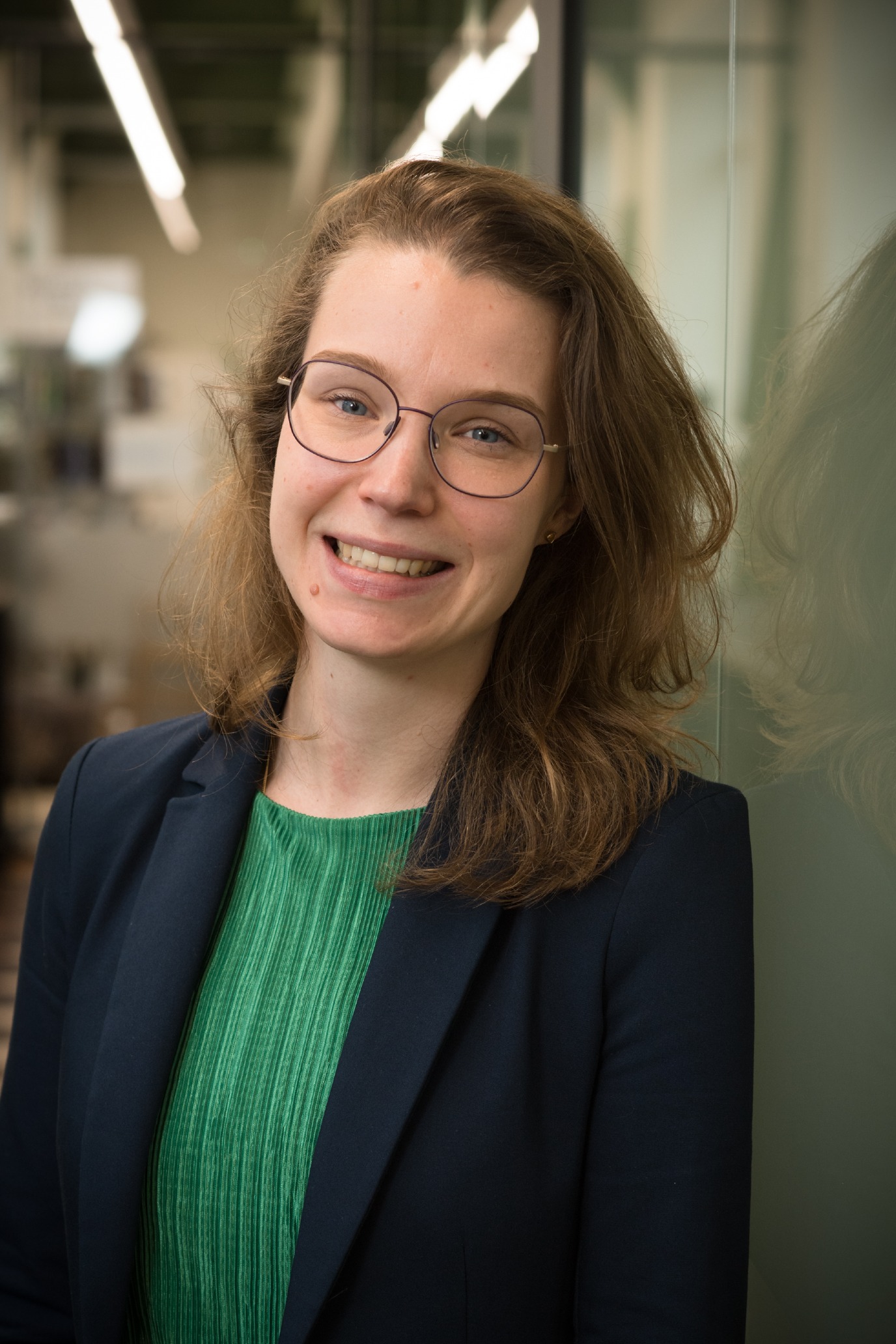
Aranka Ballering (Faculty of Medical Sciences)
I am a health scientist in the Department of Psychiatry (UMCG), where I also completed my PhD (cum laude). I previously worked in the Department of Sociology at Ghent University. My research focuses on reducing health inequities by identifying sex and gender differences in health and healthcare, paying special attention to persistent somatic symptoms and health-related stigmatization. In addition to being a scientist, I am an avid science communicator with a passion for using out-of-the-box formats to connect science and society. My activities have included hosting an academic gender-comedy slam, developing a game of quartets on sex, gender, and health, and participating in scientific theatre shows for children.
As a new member of the Young Academy Groningen, I aim to help strengthen the connection between science and society. I hope to do this by actively bringing research outcomes into society, as well as by challenging the notion of a ‘standard scientist’. I am strongly convinced that academic environments and science thrive when rooted in diversity of people, perspectives, and research methods.
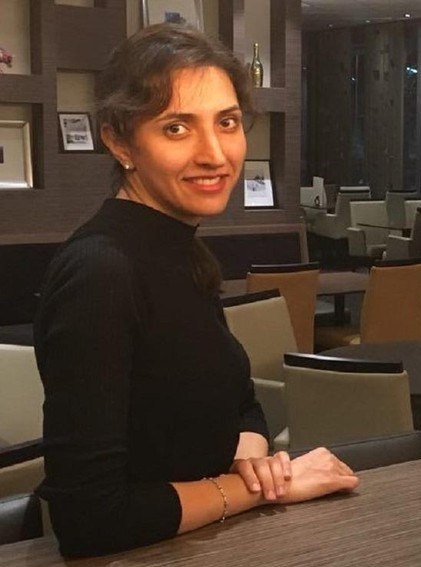
Bahar Haghighat (Faculty of Science and Engineering)
I am an assistant professor of Robotics and Automation at the Engineering and Technology Institute Groningen (ENTEG), where I lead the Distributed Autonomous Intelligent Systems (DAISY) Lab. My research focuses on the design and coordination of robot swarms, as well as on integrating embedded systems, distributed control, and artificial intelligence for applications in infrastructure inspection, environmental sensing, and autonomous exploration.
In addition to a dual degree in Electrical Engineering and Physics from Sharif University of Technology in Iran, I completed a PhD in Robotics, Control, and Intelligent Systems at EPFL in Switzerland. Thereafter, I held postdoctoral positions at Harvard and Princeton in the United States. I have been recognized as a Rising Star in Electrical Engineering and Computer Science by MIT and the UIUC, and I have received several research awards, including the EPFL Gilbert Hausmann Doctoral Research Award, two postdoctoral fellowships from the Swiss National Science Foundation, and a Vidi grant from NWO in the domain of Applied Engineering Sciences (AES). In the field of education, I have led initiatives to incorporate challenge-based learning (CBL) into engineering curricula and supervised student teams in international competitions.
As a member of the Young Academy Groningen, I aim to contribute to initiatives in academic policy, diversity, and inclusion, in addition to strengthening connections amongst research, education, and society. I see the YAG as a unique platform for shaping a more inclusive and forward-looking academic culture, while also linking technological innovation more closely to societal needs.
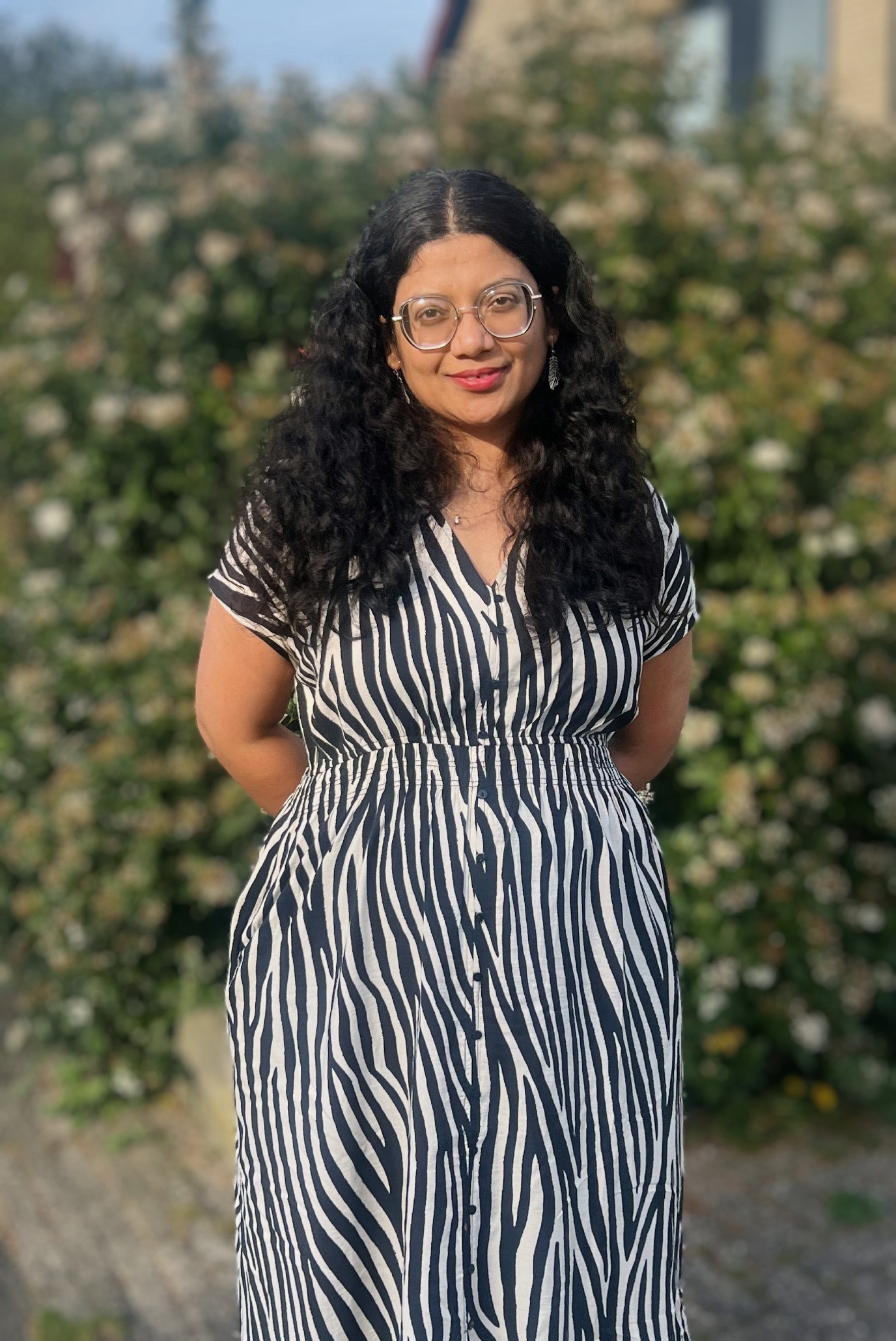
Ritumbra Manuvie (University College Groningen)
I am an interdisciplinary scholar at the intersection of law, politics, and policy. My research is anchored in the question of citizenship – the foundational concept upon which all rights in a welfare state rest. Across history and geography, political narratives of ‘othering’ have eroded the citizenship of vulnerable communities in India and around the world, at times culminating in genocidal situations.
I investigate how governments and political parties actively deploy tools of delegitimization against minorities, including Adivasi communities and other marginalized groups. Although traditional media have long served this purpose, I focus particularly on how technology-facilitated propaganda and hate speech have deepened and widened existing fault-lines. In my view, technology does not create new divisions so much as it accelerates and amplifies those already present, thus making the erosion of citizenship faster, more pervasive, and harder to contest. This work also extends into my research on relations between the EU and India, in which I examine how trade and transnational legislations can function as a lever for state and non-state accountability.
At the Young Academy, I aspire to promote truly interdisciplinary scholarship and defend academic freedom – especially in light of the mounting pressure on academia and freedom of speech and thought throughout the world. In this regard, collaborative, cross-disciplinary spaces like the YAG are more vital than ever.
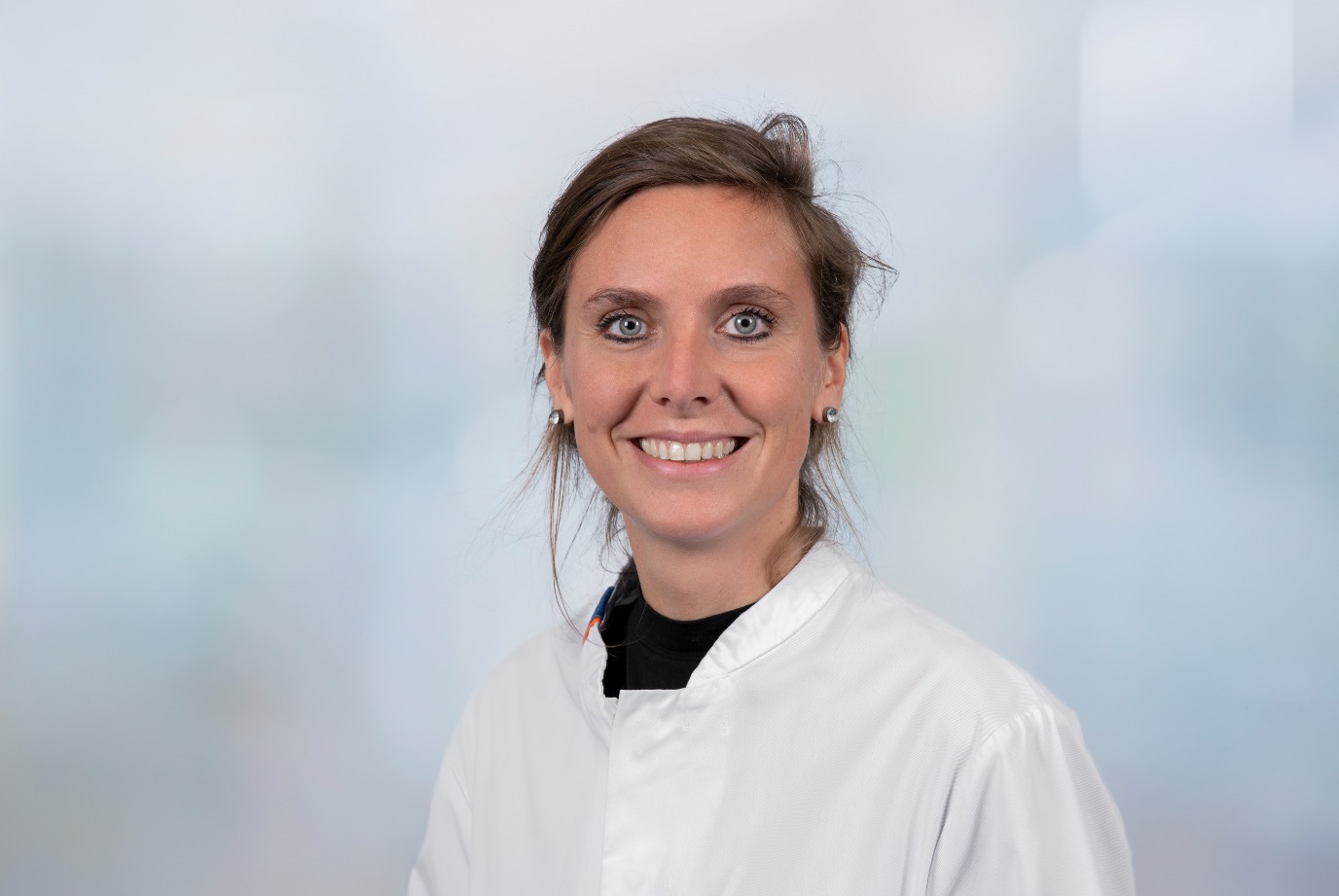
Paola Mian (Faculty of Medical Sciences)
I am a hospital pharmacist, clinical pharmacologist, and toxicologist at the University Medical Center Groningen. My research is driven by a clear clinical need: improving drug therapy for pregnant women, their babies, and young children – populations that are currently under-represented in clinical trials. By combining clinical data with computational modelling and ex vivo experimental approaches, I aim to generate evidence-based dosing regimens for these populations that can be translated directly into practice. To this end, I collaborate both nationally and internationally with a multidisciplinary team of students, physicians, biologists, technicians, and pharmacologists. Several of our dosing recommendations have already been implemented in clinical guidelines and hospital protocols worldwide, thereby improving patient safety and treatment effectiveness.
Beyond my own research, I am committed to fostering the next generation of clinical scientists through supervision and teaching, as well as by strengthening interdisciplinary collaboration. I actively engage with society through outreach and science communication, proceeding from my conviction that research should be accessible and relevant beyond academia.
My motivation for joining the Young Academy Groningen stems from its role as a platform for interdisciplinary exchange and academic leadership. I would like to contribute by advocating for early-career researchers, promoting inclusive research environments, and strengthening the connection between research, clinical practice, and society.
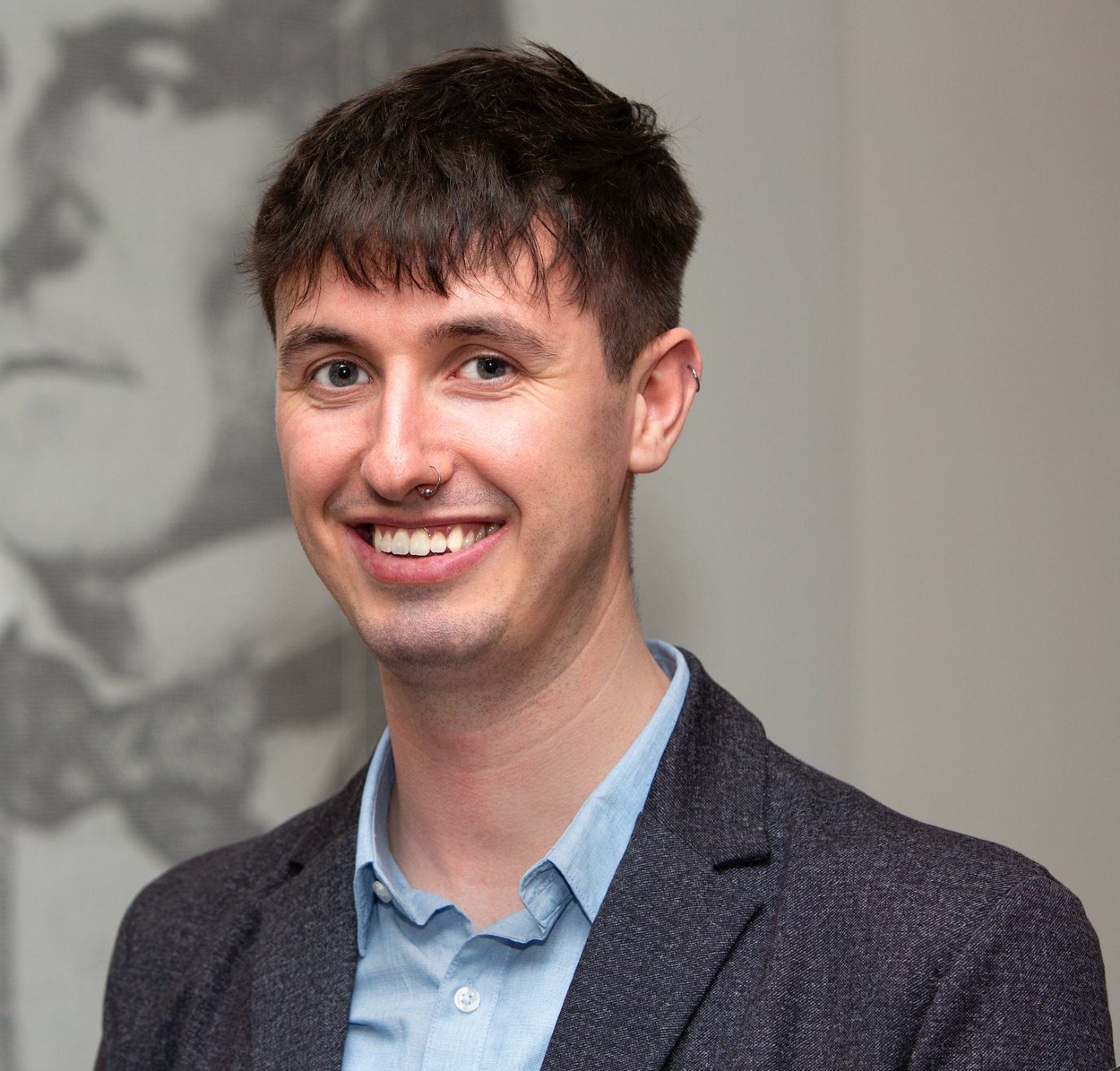
Conor O’Driscoll (Faculty of Spatial Sciences)
I grew up in Cork, Ireland, where the people are known for loving their city. When I arrived in Groningen, I recognized that same civic pride straight away – and it immediately made me feel at home.
Where people live also has important implications for the opportunities they can access. More generally, geography plays a quiet role in shaping an individual’s lot in life. As an economic geographer, I study how geography can limit the opportunities people have, as well as how it influences the way we behave and moulds the futures we imagine for ourselves.
Although these differences might not amount to much individually, they add up to significant spatial inequalities that create real-world problems. One of my goals is to use my research to make sense of these spatial inequalities so that policymakers and society can work together to resolve them.
In light of the increasing scrutiny of science, it is more important than ever to demonstrate that the work we do can truly help to make places better. As the future of the academy, early-career researchers face a certain obligation to steer this discussion. I am convinced that the Young Academy is the perfect place to address these problems.
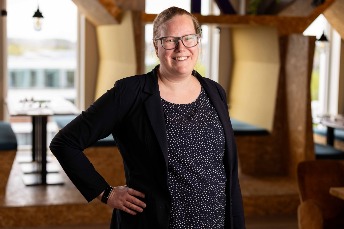
Charissa Roossien (Faculty of Science and Engineering)
I am an assistant professor of Medical Device Design at the University of Groningen. I am driven by the ambition to advance biomedical engineering research and education with societal impact. My research is inherently translational, as it is situated at the intersection of engineering, healthcare, and society to develop technologies aimed at real-world implementation. This bridging role also defines my educational goals. For example, my challenge-based learning (CBL) programme connects the learning goals of students to clinical and industrial challenges, thereby making them aware of the social relevance of engineering.
I am motivated to join the YAG because I believe strongly in shaping a university environment that truly supports interdisciplinary collaboration, educational innovation, and the well-being of young researchers. Joining the YAG will allow me to draw on my experience bridging academia, industry, and healthcare, while contributing to supportive policies for young researchers by giving them a voice in shaping policy and promoting investment in their professional development.
As the mother of two young children, I know how challenging it can be to balance academic expectations with family life. This drives my commitment to create a more inclusive and supportive academic culture. Through the YAG, I aim to make this happen, and I look forward to working with the other members to advance the academy’s goals.
Merel Semijn (Faculty of Philosophy)
I am a postdoctoral researcher in the philosophy of language and fiction. Questions I have addressed include what happens (in terms of truth and reference) when fictional characters acknowledge their own fictionality, thus ‘breaking the fourth wall’. I have also explored whether something being true in a fiction is different from something being true according to a fiction, as well as whether memories from fiction are of a different kind than memories from non-fiction.
My current Veni project – ‘Fact, fiction, and deception in the digital age’ – focuses on discourses of the current digital age. Recent advances in artificial intelligence and the omnipresence of social media have created new kinds of language use and users (e.g. ChatGPT, trolls, online hoaxes, clickbait, juice channels). I investigate how these digital-age discourses blur fact, fiction, and deception, in addition to exploring how various notions (e.g. pretence, lying, bullshit, and common ground) can help to make sense of them.
I am very excited about the opportunity to join the YAG and contribute to this vibrant community of early-career researchers. I am particularly eager to share ideas for strengthening interdisciplinary collaboration and to support innovative approaches to public engagement.
More news
-
19 October 2026
From research to business: RUG Ventures helps ideas move forward
-
-
03 September 2026
Ming Cao reappointed as scientific director of the Jantina Tammes School