Testimonials Career Minor studenten
Karoline over de Career Minor in het algemeen

Veel studenten moeten binnenkort gaan kiezen voor een Minor. Waarom heb jij gekozen voor de Career Minor?
Eerlijk gezegd zou ik eigenlijk mijn minor in september 2020 in Madrid volgen, aan de Universidad Pontificia Comillas. Helaas heeft de pandemie ook voor mij roet in het eten gegooid. Toen dit niet door kon gaan ben ik gaan zoeken naar alternatieven en kwam ik bij de Career Minor uit omdat ik geen idee had wat ik later wilde doen. Ik heb nog wel even getwijfeld omdat er werd aangegeven dat het een hele intensieve minor was, maar mijn nieuwsgierigheid heeft het toch gewonnen. Uiteindelijk bleek het ook een stuk minder fulltime en intensief te zijn dan ik verwacht had, ik deed alleen nu veel meer op de universiteit en weinig tot niks thuis.
Wat onderscheidt de Career minor van andere minoren?
Veel minoren hebben dezelfde structuur als de bachelor die je volgt. In feite verandert er niet veel behalve de onderwerpen en je medestudenten. De Career Minor heeft echt een compleet andere structuur en vormgeving. Ten eerste ben je veel vaker op de universiteit en hoef je thuis weinig tot niks te doen. Daarnaast ontmoet je heel veel interessante mensen uit het verschillende werkvelden. Je hebt hierdoor de kans om inzicht te krijgen in verschillende carrièrepaden en nuttige connecties aan te gaan. Ook leer je veel praktische vaardigheden, zoals een goed LinkedIn profiel maken en solliciteren. Veel mensen die je tijdens dit traject tegenkomt staan open voor vragen en willen graag verder helpen. Dat de minor vanwege het karakter van praktijkgericht onderwijs ondanks de corona-pandemie ‘live’ gegeven werd was heel speciaal en voor ons een verademing.
De minor geeft inzicht in en traint vaardigheden die nodig zijn als je na je studie aan het werk gaat. Wat zijn dat voor vaardigheden/waar gaan die workshops over?
Enerzijds krijg je hier heel direct workshops over van Career Services. Dit zijn onder andere workshops over solliciteren, netwerken, cv en pitch. Ook kregen we lessen over leiderschap en (online) communicatie. Anderzijds ligt het trainen van deze nieuwe vaardigheden ook bij jezelf. Veel van mijn medestudenten en ik zijn na workshops of colleges in gesprek gedaan met de gastdocenten en hebben hier leuke contacten/ervaringen aan overgehouden. Ik heb ook in deze tijd mijn nieuwe verkregen vaardigheden gelijk in de praktijk gebracht door een aantal sollicitaties te doen, sommige met succes, andere niet. Ook hier heeft Career Services mij in ondersteund.
Naast het algemene deel is er ook een thematisch deel. Welke thema’s zijn er en waar heb jij voor gekozen?
Afgelopen jaar kon je kiezen uit: Vrede & Veiligheid, Working in and on Governance en Entrepreneurship and Leadership in the Humanities, maar de onderwerpen verschillen per jaar. Ik heb gekozen voor Vrede & Veiligheid (V&V). Het Governance thema lag voor mij erg voor de hand omdat ik Internationale Betrekkingen studeerde, maar ik wilde graag V&V doen omdat ik hier juist totaal niet bekend mee was. Het heeft me erg aangenaam verrast, ik heb zelfs gesolliciteerd bij Defensie afgelopen jaar, zonder succes helaas.
Je sluit de minor af met een stage, een ondernemersplan of een opdracht voor een overheidsinstelling, een bedrijf of een niet-gouvernementele instelling. Wat heb jij gekozen?
In eerst instantie wilde ik kiezen voor een stage, ook omdat ik dan wellicht toch nog naar het buitenland kon. De pandemie liet dit helaas niet toe en ik heb daarom gekozen voor een team-opdracht. Met deze keus hoopte ik ook het samenwerken in interdisciplinaire teams te ervaren. Ik had heel veel geluk met een team dat van begin tot eind super goed (samen) heeft gewerkt. We hebben een onderzoek gedaan in opdracht van Cordaid en zowel Cordaid als wij waren heel enthousiast over het eindproduct. We zijn zelfs gevraagd ons eindproduct te presenteren aan een groep PhD studenten in Leiden!
Wat voor arbeidsmarktcompetenties heb je opgedaan?
Het project met de groep voor Cordaid in blok 2 heeft zeker mijn communicatieve vaardigheden helpen verbeteren. We leerden vooraf van een heel leuke gastdocente over groepsdynamica en konden zo goed voorbereid het hele proces van werken in een interdisciplinair team bewust meemaken. Wat hielp was de reflectie en het doelen stellen vooraf. We hadden een heel open groep, zonder gedoe. Als er als eens iets was dan spraken we dat naar elkaar uit. Daarnaast leerde ik mensen te interviewen en goed te plannen. Het was een groot project dat op tijd stond, dus je moest ‘plannen voor je leven’. Ook leerde ik mijn daadkracht, het nemen van beslissingen, verbeteren. Tevens leerde ik me echt te verdiepen in een onderwerp. We deden veel onderzoek om meer te weten te komen over het thema. Doordat we er na een tijdje veel van wisten voelde het heel professioneel toen we zelf specialisten gingen benaderen voor het vraaggesprek. Het gaf een heel voldaan gevoel dat ze als volwaardig gesprekspartner met ons spraken.
Wat vond je achteraf van je praktische invulling?
Ik vond het een hele prettige afwisseling met de academische setting die ik normaal ervaar. Ik hoefde veel minder te lezen – wat ik niet goed kan – en mocht veel meer doen. Ik moest vaak vroeg naar de universiteit, maar ging er met plezier naar toe en kwam in de middag voldaan thuis, waarna ik de rest van de avond en middag vrij had om andere leuke dingen te doen.
Hoe kijk je terug op deze minor? Wat heeft het jouw persoonlijk gebracht? Kun je vertellen wat jij hebt geleerd?
Ik ben heel blij dat ik deze minor heb gevolgd. Ik heb veel (praktische) skills geleerd en ben weer een stapje dichterbij het vinden van de baan die ik wil. Mede door deze minor ben ik terecht gekomen bij een functie bij Gemeente Stadskanaal, waar ik misschien door kan stromen naar de afdeling Beleid. Daarnaast heb ik mijn netwerk fors uitgebreid en ben ik mijn eigen sterke punten en verbeterpunten tegengekomen tijdens verschillende activiteiten omdat er ook veel gereflecteerd wordt. Ook heb ik veel leuke nieuwe mensen leren kennen waarmee ik echte vriendschappen heb opgebouwd het afgelopen jaar!
Wat vond je het leukst?
Het leukst vond ik de voldoening die deze minor me bracht. Eigenlijk kwam ik elke dag thuis met positieve nieuwe ervaringen en leerde ik elke dag iets bij. Ook ben ik erg trots op het eindproduct van de groepsopdracht. We hebben als team ontzettend ons best gedaan, kritiek leren geven en incasseren en hebben veel lovende woorden over het eindproduct mogen ontvangen. Daarnaast heb ik contact gelegd met een aantal interessante gastsprekers, wat ik eigenlijk best spannend vond. De kers op de taart was dat ik door de coördinator van de minor gevraagd was om aankomend jaar Student-assistent van de Career Minor te worden. Ik was in positieve zin opgevallen. Dit voelde echt als een beloning voor mijn inzet het afgelopen half jaar.
Heb je nog tips?
Je kunt deze minor kiezen om heel veel verschillende redenen; omdat je niet weet welke carrière je ambieert, omdat je graag praktisch bezig bent, of omdat één van de thema’s je interesseert. Eigenlijk zijn alle motivaties goed en ik denk dat je veel uit deze minor kunt halen. Wel geldt dat wanneer jij er niet voor open staat en geen inzet toont, je er minder uithaalt dan mogelijk is en je voldoening veel minder zal zijn. Wanneer je hier met een open, leergierige en sociale houding in stapt weet ik zeker dat je veel leuke nieuwe contacten zal opbouwen en veel leert over jezelf en je toekomst. Bij deze minor heb je echt de kans om aan jezelf te werken en jezelf nóg beter te maken!
Luna over haar stage
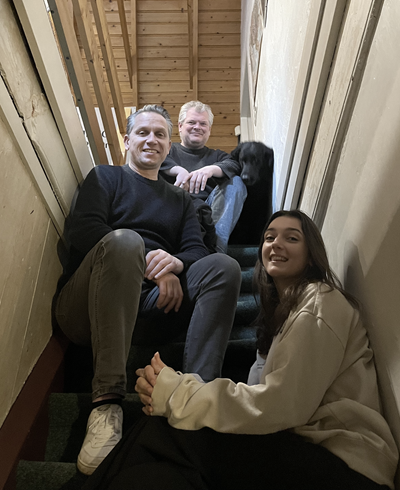
Luna Dupalo, derdejaars student International Relations, koos ervoor om de Career minor met een stage te doen. We vroegen haar hoe ze tot die keuze is gekomen, wat ze tijdens de minor gedaan heeft en wat haar belangrijkste lessen waren.
Vorig jaar rond deze tijd moest jij kiezen voor een minor. Hoe heb je dit aangepakt?
Naar de minorvoorlichting gaan is wat mij het meest heeft geholpen bij het maken van de keuze. Ik heb daar met de coördinatoren van de minoren gesproken over wat ik van elke minor kon leren. Daarna kon ik goed bedenken wat ik wilde bereiken en welke minor daar het beste bij paste.
Waarom heb je uiteindelijk voor de Career minor gekozen?
Met mijn minor wilde ik graag een beter beeld krijgen van wat ik na mijn studie wil gaan doen. Tijdens de voorlichting werd al snel duidelijk dat bij de Career minor de focus ligt op het voorbereiden voor de arbeidsmarkt. Dit doe je niet alleen door het leren van verschillende ‘employability’ vaardigheden, maar ook door het verkennen van je eigen ambities. Wat me daarnaast erg aansprak aan de Career minor, was de kans om een stage te doen. Dat zag ik als een ideale combinatie; eerst vaardigheden ontwikkelen en ze later in de praktijk toepassen. Op deze manier hoopte ik aan het einde van de minor beter te weten welke richting ik later op wil gaan.
Tijdens het tweede blok van de Career minor heb je dus gekozen voor een stage. Kun je het eerste blok ook kiezen wat je gaat doen?
Ja, je mag een module kiezen in het eerste blok van de Career minor. Voor twee dagen in de week mag je dan zelf een thema kiezen, waarbij je specifiek ingaat op dat wat jij interessant vindt. Ik koos het thema Vrede en Veiligheid, omdat ik er veel goede verhalen over had gehoord. Je kon ook kiezen voor het thema Working in Governance, wat misschien een logischere stap was voor een student International Relations, maar ik wilde wat anders. Ik vond het interessant om me te verdiepen in een thema waar ik eigenlijk nog weinig van af wist.
Hoe zag het themavak Vrede en Veiligheid eruit?
Samen met dertig andere studenten had ik gastlezingen, een VN simulatie en een aantal excursies. Zo gingen we naar het Ministerie van Defensie, de Koninklijke Militaire Academie en een militaire kazerne (waar we zelfs mochten schieten!), en kregen we de opdracht van de Gemeente Groningen om met een aantal voorstellen te komen om het drugsgebruik onder studenten tegen te gaan. Uiteraard leer je onwijs veel van de gastsprekers, maar je leert ook heel veel van je medestudenten met verschillende academische achtergronden. Door de excursies en lezingen kwamen we ook in contact met heel veel verschillende soorten mensen binnen het veiligheidsdomein. Door dit netwerk ben ik uiteindelijk ook terechtgekomen bij mijn stageplek.
Hoe zag een dag tijdens de Career minor er voor je uit?
Met de Career minor proberen ze het werkleven te simuleren. In blok één zat ik de hele dag op ‘school’ en in het tweede blok liep ik fulltime stage van negen tot vijf. Dat is even wennen, maar je krijgt er veel voor terug. Tijdens de workshops werk je onder andere aan je persoonlijke ontwikkeling en kom je erachter wat je ambities zijn. Maar je hebt ook keynotes, waarin professionals vertellen over hun loopbaan en vooral hoe hun weg daarnaar toe was, waar je veel inspiratie haalt voor je eigen toekomst.
Hoe zou je de Career minor in één zin uitleggen?
Het is een gevarieerde en interactieve minor waarin je verschillende vaardigheden, zelfinzicht en werkervaring opdoet die je voorbereiden op de arbeidsmarkt.
Je sluit de Career minor af met een stage, een ondernemersplan of een opdracht voor een overheidsinstelling, een bedrijf of een niet-gouvernementele instelling. Waarom heb jij voor een stage gekozen?
Ik wilde vanaf het begin graag een stage doen omdat ik wist dat ik er veel van zou leren. Ik dacht eerst dat ik er nog niet klaar voor was, maar tijdens de Career minor heb ik gelukkig veel zelfvertrouwen gekregen. Je leert zo onwijs veel van direct samenwerken met collega’s met ervaring!
Kun je iets vertellen over je stageplek en wat je daar allemaal doet?
Ik loop stage bij het Centre for European Security Studies (CESS). Het CESS streeft ernaar om politieke ontwikkeling, democratie, mensenrechten en in het bijzonder de veiligheidssector te verbeteren in landen die in democratische transitie zijn. Het project waar ik me de afgelopen periode mee bezig heb gehouden is het BIHOS-project (Bosnia and Herzegovina Building Inclusive Oversight of Security). Hierbij mocht ik helpen met het organiseren van een studiebezoek van Bosnische parlementsleden aan Den Haag waar ze kregen te zien hoe Nederlandse instituten parlementair toezicht aanpakken. Ook kreeg ik de kans om zelf naar Sarajevo te gaan om te helpen bij het organiseren van een training voor parlementaire medewerkers. Momenteel houd ik me voornamelijk bezig met onderzoek en maak ik een overzicht van de politieke situatie in Bosnie voor externe trainers.
Dat klinkt heel leerzaam!
Ja! Dat is ook de reden dat ik een stage wilde doen. Leuk al die theorie bij IR, maar ik wist niet echt wat ik met die informatie kon doen dus ik wilde graag iets in de praktijk gaan doen. Nu merk ik ook dat al die kennis ergens goed voor is. Ik heb er zelfvertrouwen van gekregen.
Wat is je belangrijkste les geweest?
Ik dacht dat ik met de Career Minor er eindelijk achter zou komen wat ik later wil doen. Nou, dat heb ik niet gevonden, maar ik ben er wel achter gekomen dat je zoveel kanten op kunt. Door alle keynotes en mensen die hierover kwamen vertellen heb ik geleerd hoe “vloeibaar” het is. Je hoeft je einddoel nog helemaal niet te weten!
Wat is de concrete vaardigheid die je mee gaat nemen naar je baan later?
Wat het mij vooral heeft gebracht is dat ik nu weet hoe ik mezelf kan presenteren. Ik kan zeggen waar ik voor sta en wat mijn sterke punten zijn. We hebben veel moeten pitchen. Dat was confronterend, maar het gaat me straks wel helpen bij het zoeken van een baan.
En dan de laatste vraag: heb je nog tips voor studenten die de Career minor willen gaan doen?
Als je vanaf het begin al weet dat je een stage wilt lopen, begin dan ook gelijk met zoeken. Veel studenten komen er te laat achter dat ze een stage willen lopen. Als je in oktober pas begint met zoeken voor een stage in november dan ben je te laat.
Oja en ga je armspieren trainen, want als je te laat bent bij een lezing of workshop van de Career minor moet je push-ups doen! Een van de professoren is oud-militair.. ;)
Ditte over haar praktische teamopdracht
Ditte van Dalen over haar praktische teamopdracht:
De team opdracht heeft mij verreweg het meeste nieuwe inzichten gegeven. Het was iets nieuws en verfrissends naast de academische zijde van de universiteit, omdat de groepsopdracht mij de kans gaf om te werken voor een echt bedrijf. Het was erg spannend en stimulerend om te doen omdat dit bedrijf direct aansluit bij mijn persoonlijke en academische interesses. De combinatie van werken in een professionele sfeer, het leren kennen van het fantastische team dat ik had, het leveren van een betekenisvol eindproduct en het vergroten van mijn netwerk met hele interessante personen maakte dit echte een speciale ervaring. Het werk stimulerend en motiverend om een eindproduct te moeten aanleveren aan een belangrijke cliënt. Naast het werken voor de opdrachtgever hebben wij onze begeleider ook goed leren kennen door middel van vergaderingen en goede gesprekken. Daarnaast heeft het werken in een team gezorgd voor verschillende uitdagingen, maar ook vooral veel plezier en interessante discussies.
“Een verfrissende en nieuwe ervaring naast mijn studie met de motivatie om een goed eindproduct af te leveren aan een echte opdrachtgever”
Bart over Humanities at Work
Bart van der Meulen over Humanities at Work:
Humanities at Work begint met een individueel gesprek met een coach. Wie ben je? Wat zijn je plannen? Vooral bij deze laatste vraag liep ik tot vorig jaar vaak vast: ik wist niet welke kant ik op moest. Als student Bedrijfskunde had ik nog zo veel andere interessegebieden. Dit vak was dan ook een van de redenen dat ik mij voor de Career Minor heb aangemeld. Je wordt op een positieve en professionele manier gestimuleerd om een netwerk op te bouwen door workshops van professionele coaches en deskundigen. Je leert jezelf kennen en hoe je jezelf professioneel kunt presenteren en je bespreekt dit wekelijks met een buddy waardoor je gestimuleerd wordt er ook echt mee bezig te gaan.
Daarnaast hielpen de gastcolleges mij een beeld te vormen van allerlei (aan de drie thema’s gerelateerde) specialisaties die ik nog niet zo goed kende. De gastsprekers komen uit topfuncties in o.a. het bedrijfsleven en vertellen je over hun carrière, waardoor je je heel goed realiseert hoe veel verschillende carrièrepaden zijn. Dat biedt je perspectief en geeft je de rust om te bepalen wat je echt wil!
“Het vak Humanities at Work heeft mij aangemoedigd en gemotiveerd om met mijn toekomst bezig te gaan. Daardoor weet ik nu veel beter wat ik wil”
Esther over haar praktische teamopdracht
Esther Ploeger over de praktische teamopdracht:
Tijdens de teamopdracht krijg je de kans om je vaardigheden in de praktijk toe te passen. Zelf heb ik bijvoorbeeld met mijn groep gewerkt aan een manier om militairen te informeren over de cultuur in een mogelijk uitzendgebied. We hebben hiervoor een interactieve website gebouwd, die door de opdrachtgever kan worden gebruikt als kennisportaal.
“Het is bijzonder om mee te mogen werken aan een product dat daadwerkelijk gebruikt kan worden. Naast dat ik heb geleerd hoe het is om goed in een interdisciplinair team te functioneren, was het erg waardevol om inzicht te krijgen in de werkzaamheden van de opdrachtgever”.
Marije over het thema Vrede & Veiligheid
Marije over het thema Vrede & Veiligheid:
Als American Studies student vond ik het thema Vrede & Veiligheid binnen de Career Minor erg interessant en verfrissend. Ondanks dat ik mijn studie echt fantastisch vind, is het thema V&V ineens heel concreet en dichtbij. Binnen V&V heb ik ontzettend boeiende mensen mogen ontmoeten en ontzettend interessante lezingen bij mogen wonen. De gastsprekers hadden bijvoorbeeld een functie binnen defensie, het ministerie van defensie, de nationale politie, de marechaussee, de NCTV en de AIVD. Door deze lezingen realiseer je je ineens dat er op de achtergrond een heleboel veiligheidszaken spelen waar je je op dagelijks niveau totaal niet van bewust bent. Ook hoor je over problemen en dilemma’s betreffende mogelijke oplossingen en zelfs over verschillende visies op de juiste aanpak binnen verschillende afdelingen in het veiligheidsdomein. Ook is het interessant om zowel mensen te spreken die aan de uitvoerende kant staan als mensen die aan de beleid makende kant staan. Als doorsnee student die zich niet eerder heel actief bezighield met het veiligheidsdomein ging er oprecht een wereld voor me open.
“Het thema Vrede & Veiligheid opent de deur naar een beter inzicht in het Nederlandse veiligheidsdomein op zowel beleids- makend, uitvoerend en ondersteunend niveau. Het is een aanrader voor een ieder die graag een concreet voorbeeld zou krijgen over een mogelijk carrièrerichting als zijnde (Letteren) student”.