
The Change: menopause is more than just a hormonal matter
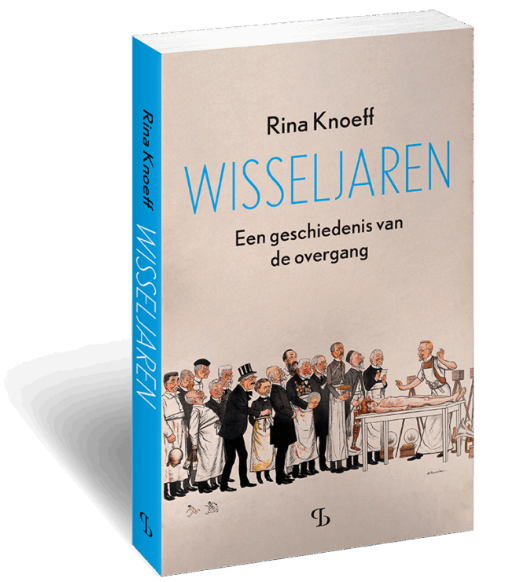
In 'Wisseljaren. Een geschiedenis van de overgang' (Years of Change: A History of the Menopause) medical historian Rina Knoeff demonstrates that menopause is far more than a biological process. How women experience this transition is shaped in part by the era in which they live and by prevailing ideas regarding femininity, beauty, aging, health, and social productivity. Consequently, menopause is not merely a medical phenomenon but a cultural one as well.

Knoeff makes it clear that the current focus on menopause is by no means new; women, physicians, and those around them have been preoccupied with it for centuries. Throughout this time, explanations for and treatments of menopausal symptoms have constantly evolved. Women have at times been subjected to drastic or even dangerous medical theories and treatments. Fear has been a recurring theme in the history of menopause—fear of physical decline, and of losing one’s femininity or sanity. Almost invariably, this fear has exacerbated the symptoms and intensified the suffering experienced by women.
A key insight from the book is that symptoms are not the same everywhere or at all times. Hot flashes, insomnia, mood swings, and other symptoms are often portrayed as inevitable consequences of hormonal changes. However, Knoeff demonstrates that the way such symptoms are named and experienced is also linked to cultural patterns and expectations. For instance, hot flashes are reported as a symptom far more frequently in Western societies than in certain other parts of the world.
Medicalization looms
It is precisely for this reason that Knoeff questions the current ‘menopause boom.’ While the menopause is less of a taboo today, this does not automatically mean that women approach it with a more open mind. In her own words, there is a risk of a new form of medicalization: almost any phenomenon occurring during the menopause can be attributed to hormones and subsequently deemed to require a medical solution.
At the same time, she emphasizes that hormone therapy can be a tremendous help to women suffering from severe symptoms. Her aim, therefore, is not to reject medical treatment, but to prevent women from being reduced to their hormones and the menopause from being viewed solely as a disease.
The core message of 'Wisseljaren' is that there is no single, timeless experience of menopause. The meaning people attach to symptoms, the emotions associated with them, and the language used to express them are constantly changing. By making this history visible, Knoeff aims to help women better understand their own experiences and avoid being governed by the shame, stereotypes, and unrealistic expectations that can exacerbate symptoms. In this way, history can not only explain why we experience menopause the way we do but also show that things can be different.
More news
-
-
14 September 2026
Dementia in migrants: does care in the native language help?
-
14 September 2026
Cesspits reveal what the Dutch ate centuries ago