
Democracy should embrace unelected influencers
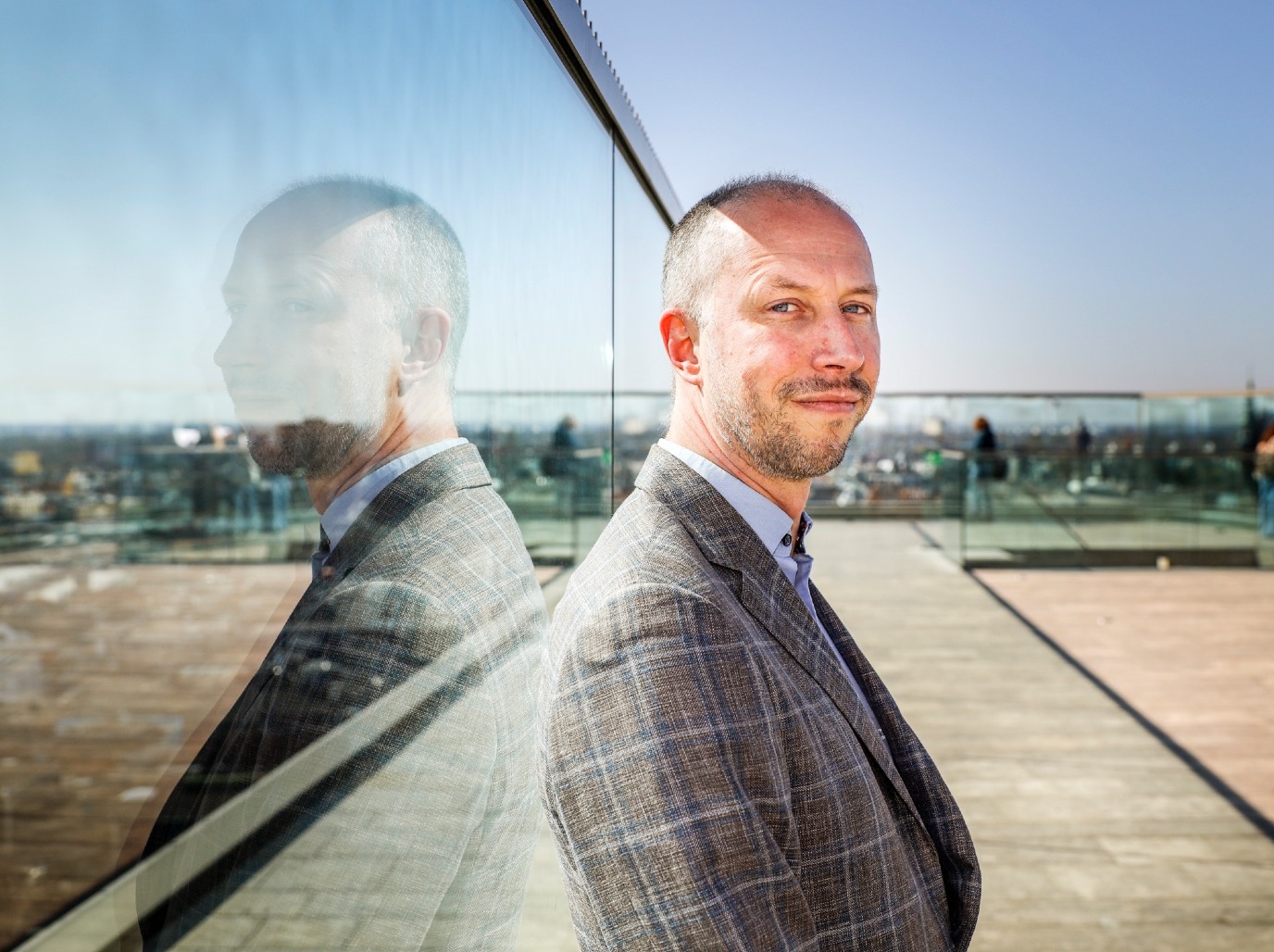
Influencers, activists, and celebrities play an important role in a democracy. Through their assertive political statements, they ensure that citizens who identify with their views feel better represented—which, in turn, leads those same citizens to view the functioning of democracy more positively. According to Pieter de Wilde, Professor of European Politics and Society, this raises the question: 'How do we ensure that influencers can be questioned and held accountable?'
Photo's: Henk Veenstra
Greta Thunberg, Eva Vlaardingerbroek, Jake Paul, George Clooney, and other activists, celebrities, and influencers influence political debate on a daily basis and are followed by large numbers of citizens. ‘Although these individuals were not elected, they certainly play a political role,’ states De Wilde. ‘Precisely because of that role, we should consider how we treat them. When someone claims to speak on behalf of large groups of citizens, public accountability should be part of the equation. There ought to be room for that within a democracy.’
A more positive view of democracy
De Wilde bases his findings on a large-scale experiment involving 8,279 citizens in Germany, Sweden, Italy, and Romania. The researchers examined what happens when people are confronted with political statements made by activists. The results show that citizens feel better represented when an activist voices political views that align with their own. In this context, the content of the message matters more than the person delivering it.
The study also reveals that many citizens who do not feel represented by the political establishment—for instance, because their preferred party is not part of the government—take a more positive view of how democracy functions when they do feel represented by unelected figures such as influencers.
According to the researchers, these representatives fill a gap that elections alone cannot always bridge. This also implies that the well-known divide between election "winners" and "losers" could be narrowed—which, in turn, represents a gain for democracy.
Democratic renewal
'When considering how well our representative democracy functions, we need to look beyond elected politicians,' says De Wilde. 'Discussions on democratic renewal usually highlight two options. One is to tinker with the rules of democracy—for instance, by introducing an electoral threshold or adjusting ministerial accountability. The other option is to give citizens more influence, such as through citizen participation.'
'A third option could be to rethink how we treat influencers, activists, and celebrities when they make claims or statements. Instead of keeping their voices outside formal politics, we could, for example, invite them to plenary debates in the House of Representatives, provincial councils, or municipal councils. There, they could explain whom they represent and the basis for their claims, while also facing questions from elected representatives."
When someone claims to speak on behalf of large groups of citizens, public accountability should go hand in hand with that.There ought to be room for this within a democracy.
According to De Wilde, such an approach strengthens democracy on multiple fronts: citizens who do not feel adequately represented by elected politicians gain more opportunities to voice their opinions; unelected representatives are compelled to be more transparent about their roles and responsibilities; and the formal institutions of our representative democracy become more central and significant in the democratic lives of citizens.
De Wilde adds: 'The standard model of representative democracy, as we know it in the Netherlands, assumes that representation occurs through elections. Citizens elect politicians, and politicians subsequently answer to the electorate at the next election. However, political reality differs. Political representation also takes place outside these formal institutions. How we adapt our institutions to reflect this is a societal debate we ought to be having.'
Link to the study on feelings of representation >>
Link naar de studie over impact op tevredenheid met de democratie >>
De Wilde also published on security and democracy in a European context >>
More news
-
22 October 2026
Seven UG and UMCG researchers awarded Vidi grant
-
14 October 2026
The Change: menopause is more than just a hormonal matter
-