
Why Europe's focus on security offers opportunities for democracy
A war on our continent. Unknown drones hovering over military airfields in the Netherlands, Belgium, Poland, and Denmark. The Ministry of Defence, according to the Defence Cyber Strategy 2025, published last month, actively combating hacker groups: not waiting and taking the bait, but actively attacking and eliminating them. And a defence budget that is spiraling out of control. After decades of more or less self-evident peace on our European continent, the threat of war now seems real. For Professor Pieter de Wilde, this is the perfect moment to reflect critically and constructively on the role of security in European politics. And on the potential opportunities and threats for democracy.
Pieter de Wilde will be one of the guests on Thursday, December 4th, at Het Pakhuis De Zwijger, discussing the current state of affairs in the European defense and security industry. Other guests include Elanor Boekholt-O'Sullivan, Bastiaan van Apeldoorn, Bart Groothuis, and Nathan Meershoek. More information can be found at this link: Europa in wapenrusting
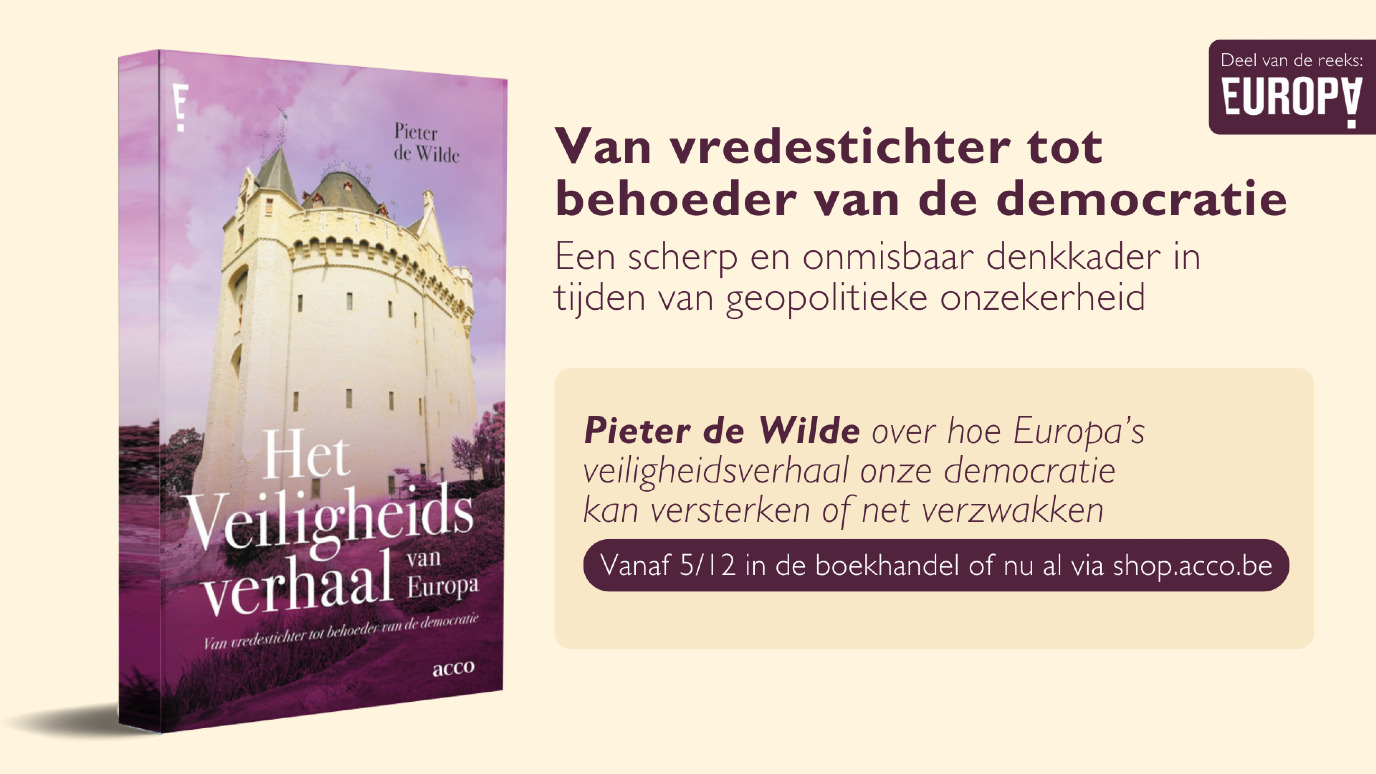
His new book Het Veiligheidsverhaal van Europa will also be for sale there.
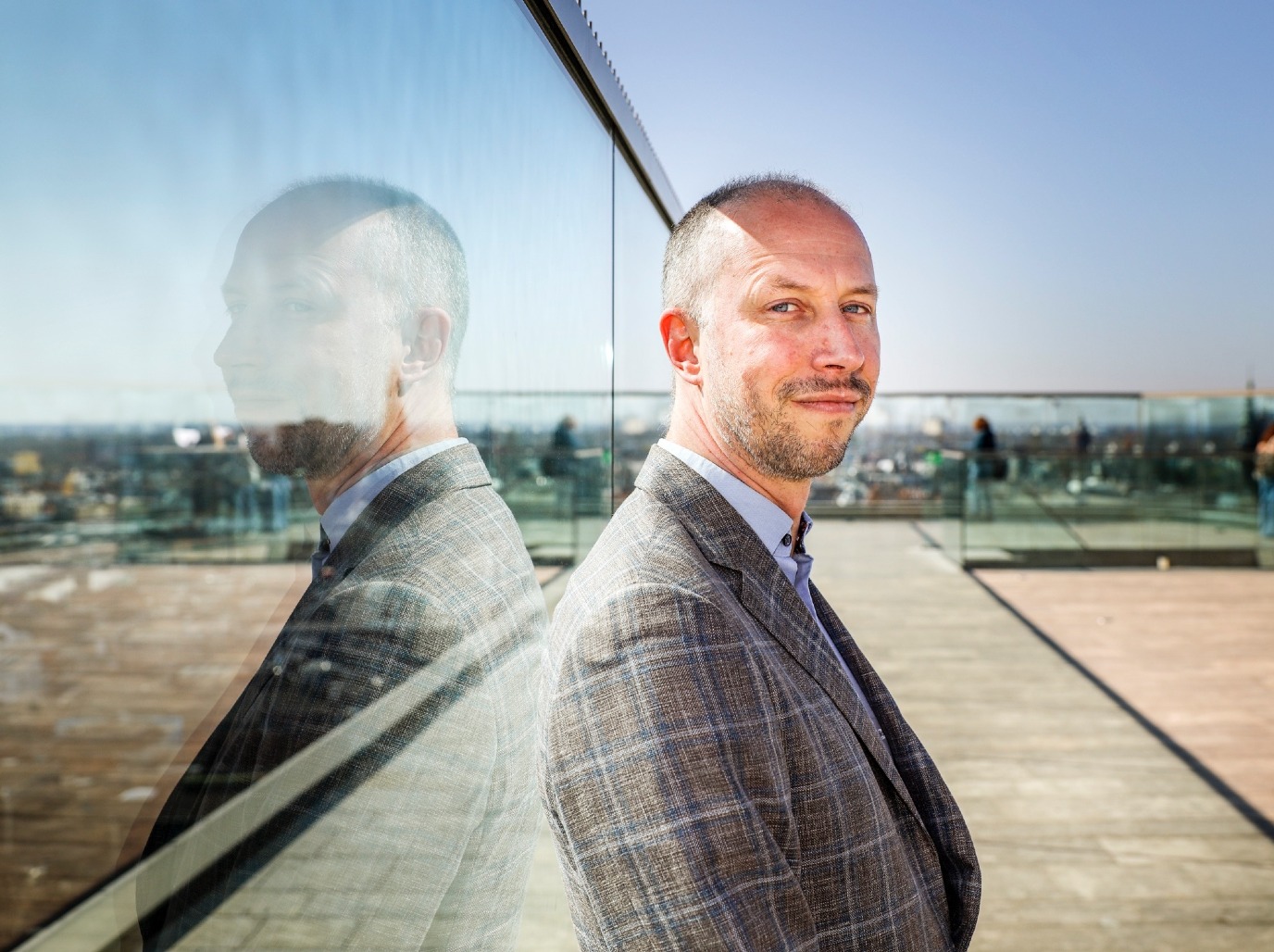
The world looks very different now than it did in November 1989, when the Berlin Wall fell and the Cold War became a thing of the past. Especially for countries far from the Russian border, such as the Netherlands and Belgium, this new reality is a shock. A shock that prompts reflection on the role of Europe. Since the 1950s, European integration was presented to the general public as a progressive liberal project of peace, prosperity, and freedom. But the current security narrative of a "Europe that protects" breaks with this tradition. The narrative has suddenly become more conservative. Conservatives in Europe view international cooperation more positively, while liberals and progressives embrace conservative policies.
The sting out of polarization
"Migration has led to deep divisions in recent years," says De Wilde. "Now, security is changing the political debate and uniting political opponents. Identity politics is being replaced by choices about money, and it's much easier to reach a compromise on that through democratic politics." This means that the current security narrative offers opportunities for our European democracies.
Besieged
But an overly fearful siege mentality also opens the door to leaders who uncritically undermine the liberal legal principles and moral foundations upon which our democracies are built. What potential risks does this pose for democracy? While De Wilde is optimistic about the positive effects of the security debate, he also warns of the dangers of fear. "When security becomes obsessive, it can lead to a feeling that we are threatened from all sides. That is disastrous for democracy, because it gives way to authoritarian reflexes."
Vigilant and Critical
According to De Wilde, countries like the Netherlands and Belgium aren't there yet. "For now, the unifying power of security outweighs the risks. We must embrace the security narrative, but with an open mind." De Wilde: "In any case, it means that we are now in a position to reflect critically and constructively on the role of security in the European project and in our national politics. And on the narratives we cherish or, conversely, dare to question."
About the book
"The Security Story of Europe: From Peacemaker to Guardian of Democracy" will be published on December 5, 2025, by ACCO Publishers and is written for a wide audience: from politicians and policymakers to interested citizens. The book offers a unique perspective on how attention to our security can be an opportunity for democracy in Europe.
Pieter de Wilde is Professor of European Politics and Society at the University of Groningen. His research focuses on political debate and democracy in Europe and has been published in leading international journals. His interviews and opinion pieces have appeared in publications including De Telegraaf, De Correspondent, De Volkskrant, Tagesspiegel, Al-Jazeera, and Dagblad van het Noorden.
More news
-
14 September 2026
Dementia in migrants: does care in the native language help?
-
14 September 2026
Cesspits reveal what the Dutch ate centuries ago
-
01 September 2026
Resilient local communities essential for reconstruction