

Energie opwekken als universiteit: hoe doen we dat?
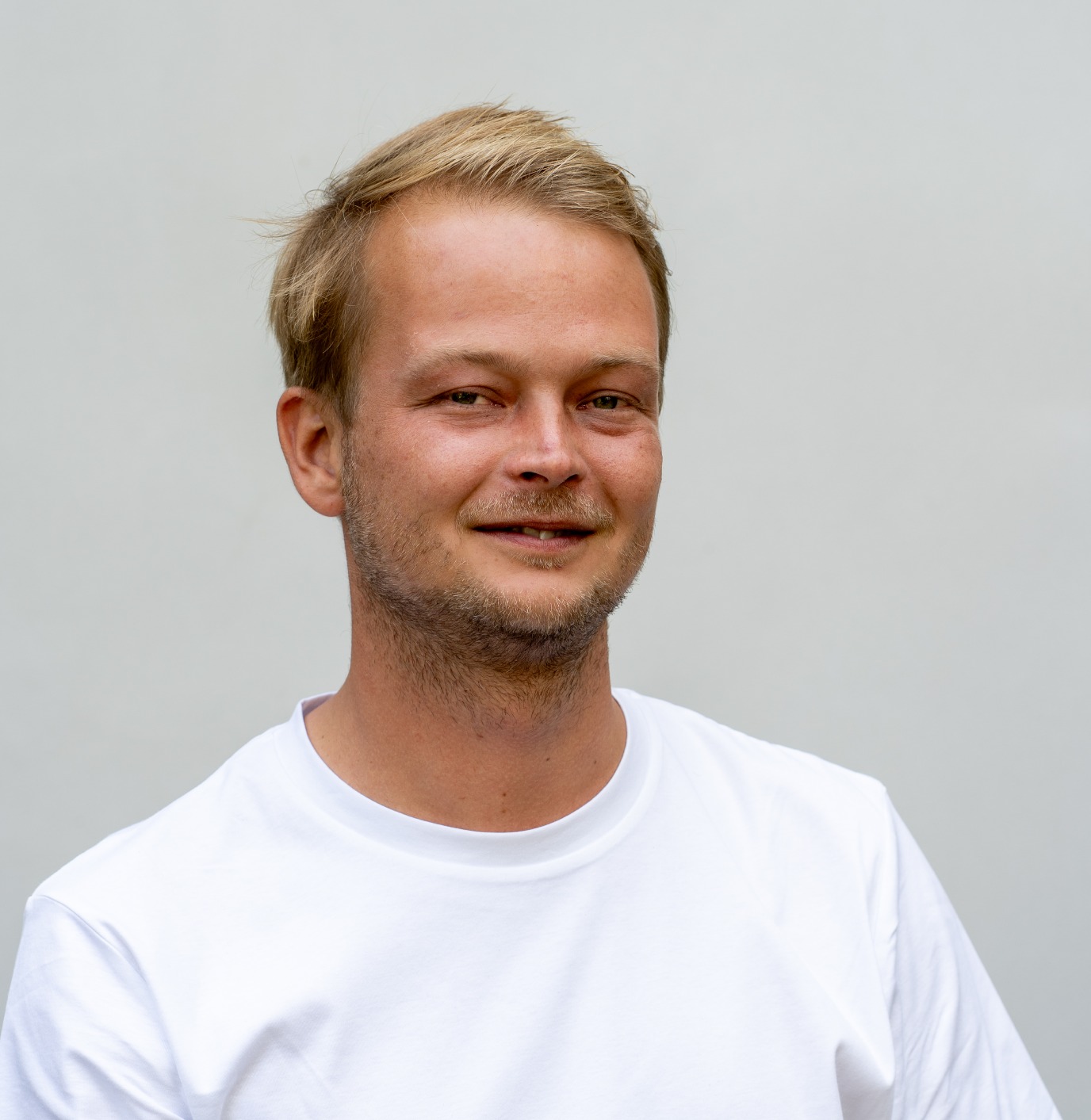
Wie ben je?
Mijn naam is Brent Boog, ik ben 31 jaar en woon in de binnenstad van Groningen. Ik heb een achtergrond in de maritieme sector en heb daarna een aantal jaren als duurzaamheidscoördinator bij een grote zorginstelling gewerkt.
Wat is jouw rol binnen de universiteit?
Ik werk sinds januari 2025 voor de RUG als Beleidsadviseur Energie & Duurzaamheid bij de Vastgoedorganisatie en zit daarnaast in het programmateam Energie en Duurzaamheid (E&D). Binnen het programma E&D hebben we vier overkoepelende thema’s waarin we werken: Nieuwbouw & Renovatie, Beheer & Onderhoud, Energiemanagement en Energieopwekking. Met dit laatste thema houd ik mij bezig. Naast energieopwekking richt ik me ook op de opslag van energie.
Wat betekent energieopwekking?
Energieopwekking is het proces waarbij grondstoffen zoals windkracht, zonlicht of fossiele brandstoffen worden omgezet in een bruikbare vorm, denk aan warmte, koude of elektriciteit. De keuzes die we hierin maken als RUG zijn vastgelegd in duurzaamheidsdoelstellingen volgend uit de Roadmap Duurzaamheid van de Green Office en de Energievisie & Beleidsnota van de Vastgoedorganisatie.
Wat gaan we bij de RUG merken van energieopwekking?
Het meest concrete voorbeeld op dit moment is de aansluiting op het duurzame warmtenet van WarmteStad. Op de Zernike Campus zijn hiervoor al flink wat werkzaamheden uitgevoerd, en ze zijn nog steeds in volle gang. Daardoor waren tijdelijk toegangswegen afgesloten en moest je op verschillende plekken omrijden. Dat was nodig om de buizen van WarmteStad onder de grond en naar onze gebouwen te leggen. In de animatie zie je hoe dit werkt.
We kijken voortdurend naar nieuwe mogelijkheden voor energieopwekking. Denk hierbij aan energie opwekken door eigen zonnepanelen en participeren in lokale zonneparken en/of windmolens. Daarnaast verwarmen en koelen we al enkele gebouwen met duurzame warmte en koude door middel van een Warmte Koude Opslag (WKO). Het meest recente gebouw dat is aangesloten is het Anda Kerkhoven Centre.
Wat vind je het leukst aan jouw baan?
Het leukste vind ik het vertalen van onze doelstellingen naar projecten. Keuzes die we op dit moment maken, bepalen hoe de energievraag van onze universiteit in de toekomst wordt ingevuld. We werken hierin veel samen met lokale partners zoals WarmteStad, de gemeente en de andere gebruikers van onze campussen.
Wat is de grootste uitdaging binnen jouw werk?
Wat ik het mooiste vind aan mijn rol is tegelijkertijd ook de grootste uitdaging: de vraag ‘Maken we als RUG op dit moment de beste keuze voor de toekomst?’ Voor een deel blijft dit lastig te voorspellen. Een ding dat zeker is, is dat we als RUG graag grip willen houden op de kosten, maar tevens ook willen voldoen aan de leveringszekerheid van energie en onze duurzaamheidsambities. Om hier de beste balans tussen te vinden is een prachtige uitdaging!
Meer nieuws
-
-
03 september 2026
Ming Cao herbenoemd tot wetenschappelijk directeur Jantina Tammes School
-
01 september 2026
Evrim Ursavas benoemd tot wetenschappelijk directeur Wubbo Ockels School