Ons onderzoek
Het onderzoek aan onze faculteit is georganiseerd rond één kernvraag: Hoe veranderen samenlevingen en hoe kan deze verandering worden vormgegeven?
Ons onderzoek is gestructureerd rond drie onderling verbonden wetenschapsteams:
-
Circular Economy (CE) richt zich op de mechanismen van individuele, zakelijke en institutionele transities die nodig zijn om een koolstofneutrale samenleving te bereiken.
-
Governance & Technology (GT) combineert technologische innovatie met onderzoek naar bestuur om transities naar rechtvaardigheid en veiligheid te sturen.
-
Sustainability & Wellbeing (SW) identificeert wat er verandert in relatie tot de klimaatcrisis en het verlies aan biodiversiteit, en concrete oplossingen voor gezondheid, welzijn en sociale rechtvaardigheid.
Samen vormen deze teams een geïntegreerde, interdisciplinaire onderzoeksomgeving die de belangrijkste dimensies van maatschappelijke transities behandelt, van ecologische duurzaamheid en economische systemen tot technologische ontwikkelingen, gezondheid, welzijn en bestuur.
Ons onderzoek evolueert in reactie op maatschappelijke uitdagingen en wordt ontwikkeld in samenwerking met bedrijven, lokale overheden, ngo's en andere kennisinstellingen. Door kennis te genereren die zowel analytisch als toepasbaar is, dragen we bij aan academisch begrip en informeren we beleid, praktijk en innovatie.
Matt Coler, Team Lead Governance & Technology
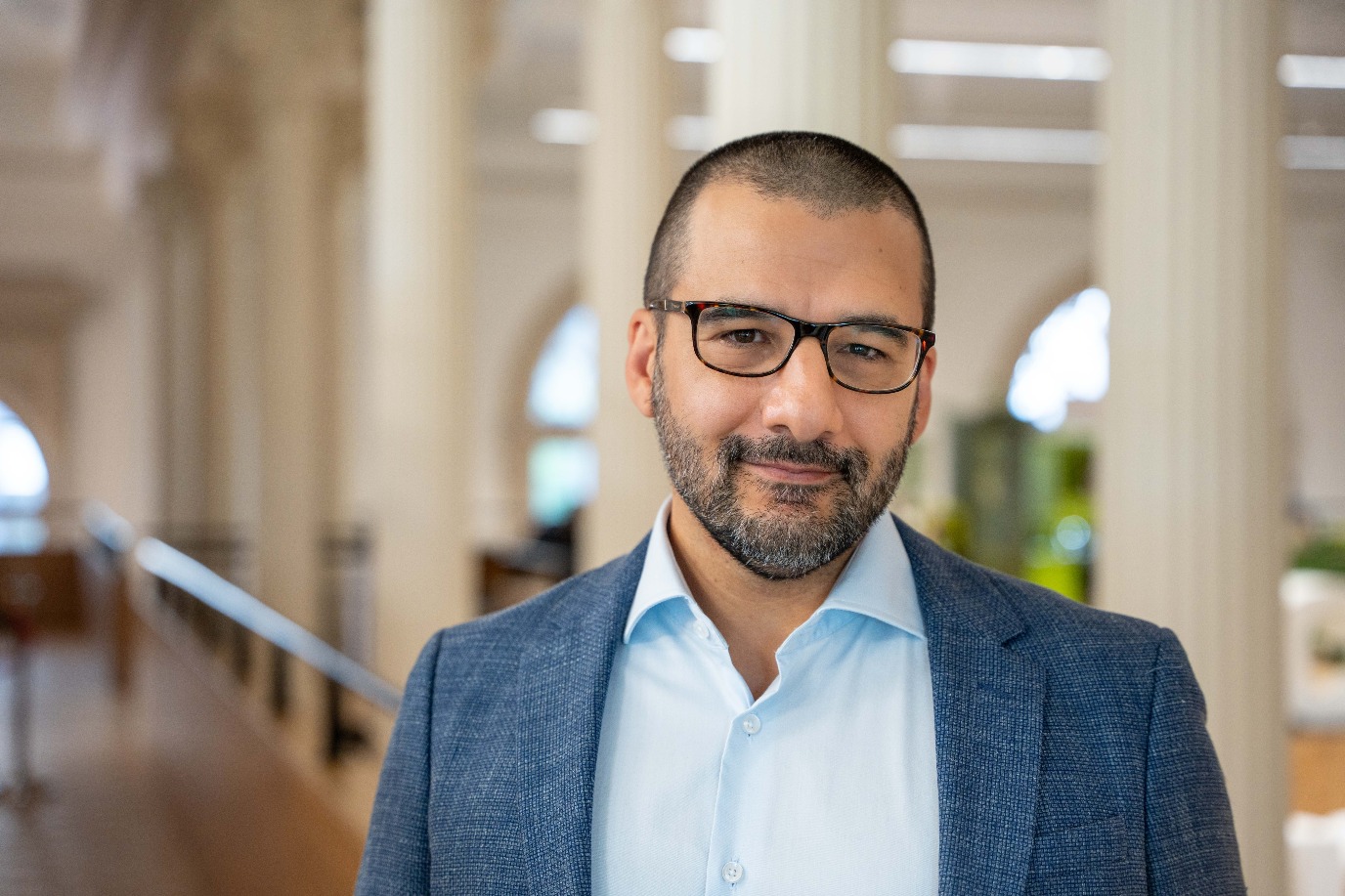
"Van algoritmische besluitvorming tot taalminderheden en digitale infrastructuur: ons team werkt op het snijvlak van technologische veranderingen en democratische verantwoording. De vraag die hieraan ten grondslag ligt, is: wie mag de toekomst vormgeven?"
Berfu Ünal, Team Lead Circular Economy
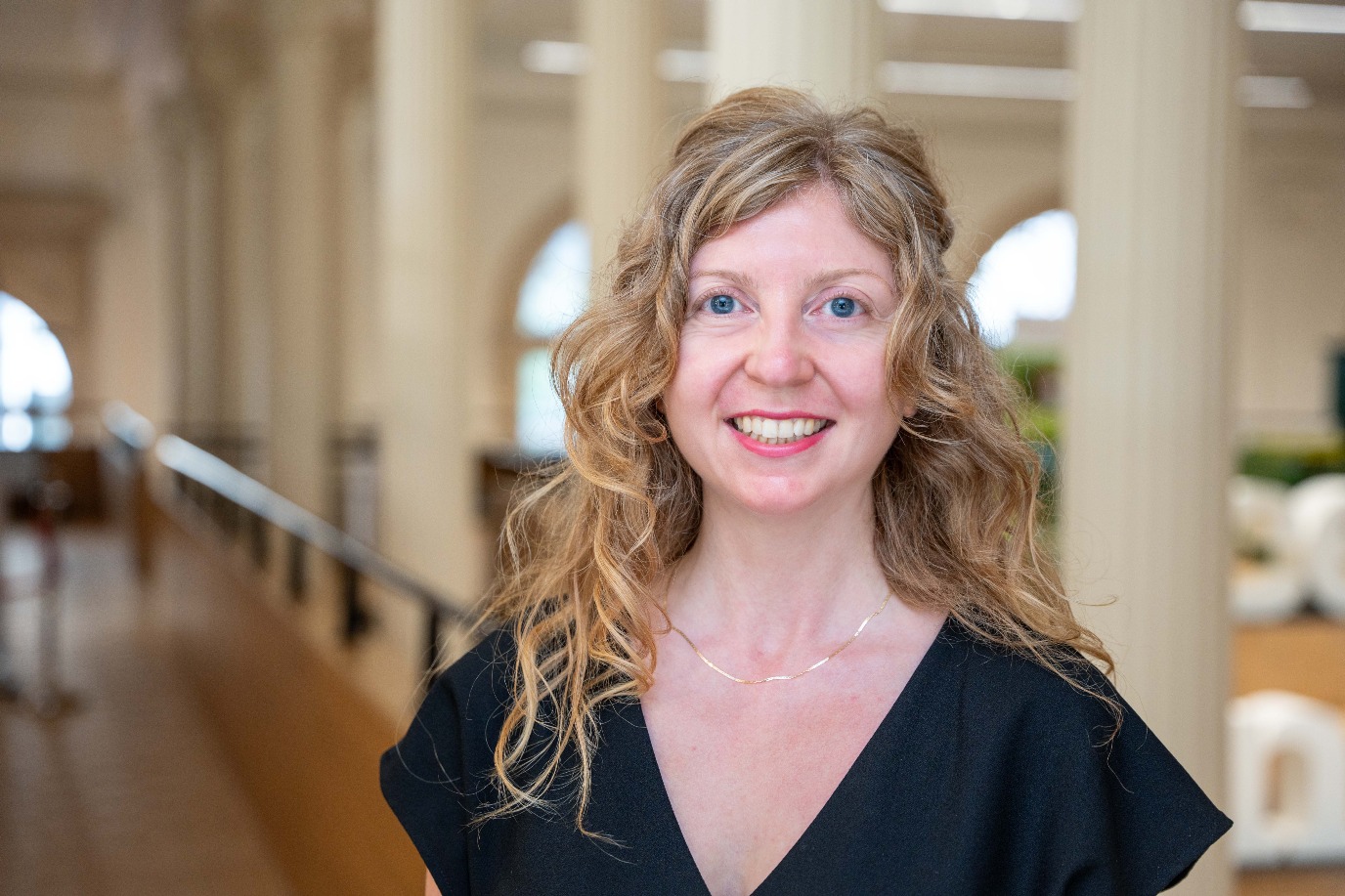
"Transitioning to a circular economy requires systemic and coordinated change across people, business, and institutions. Our research provides the knowledge base needed to understand, design, and accelerate these transitions."
Dr. Élise Rouméas, Team Lead Sustainability & Wellbeing
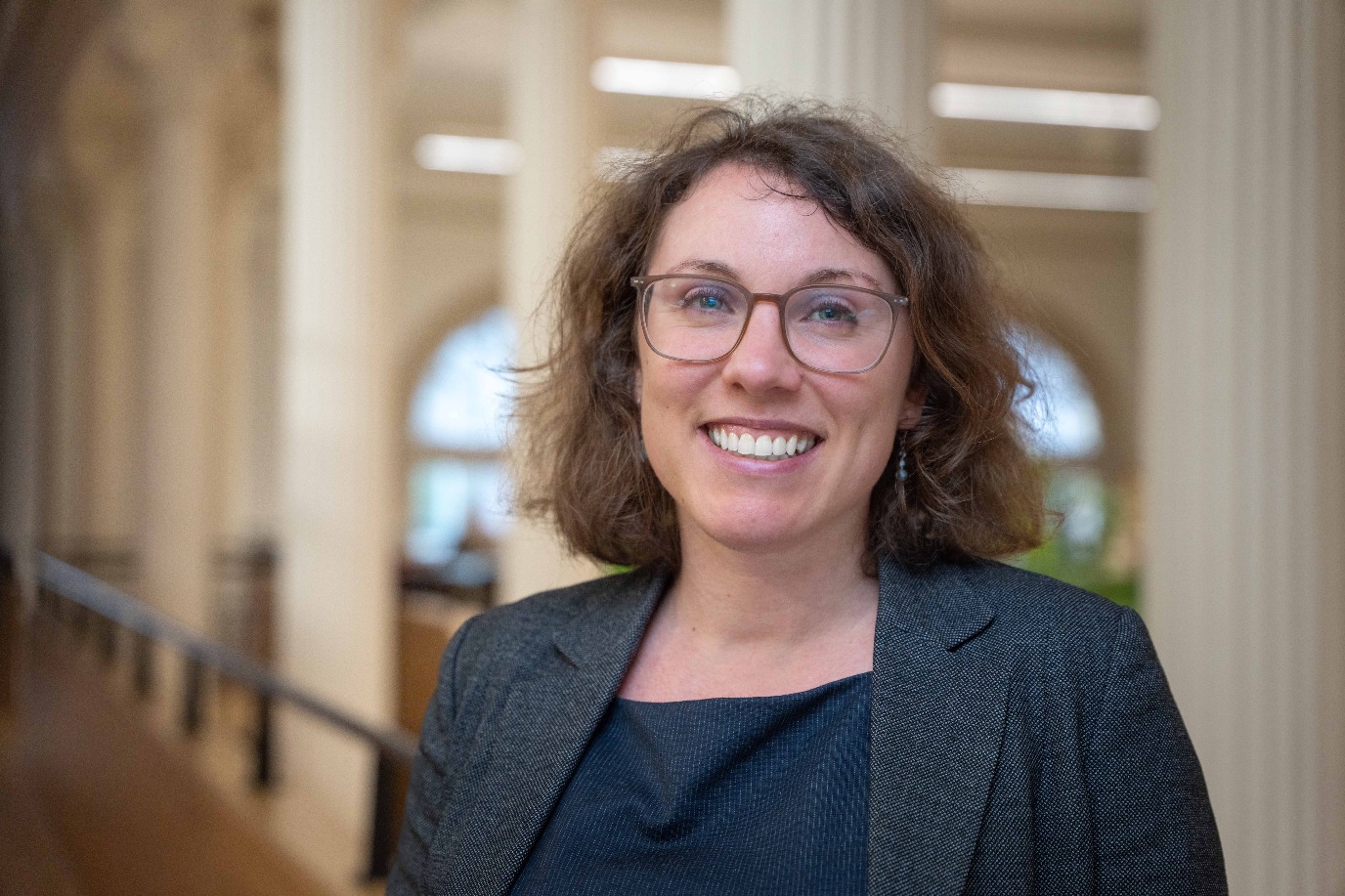
"De vraag is niet alleen hoe we de planeet in stand kunnen houden, maar ook hoe we er samen goed op kunnen leven. Ons werk bestudeert en geeft vorm aan transities naar een toekomst die rechtvaardig, veerkrachtig en gedeeld is door alle soorten."
Franzi Steinherr, PhD Candidate
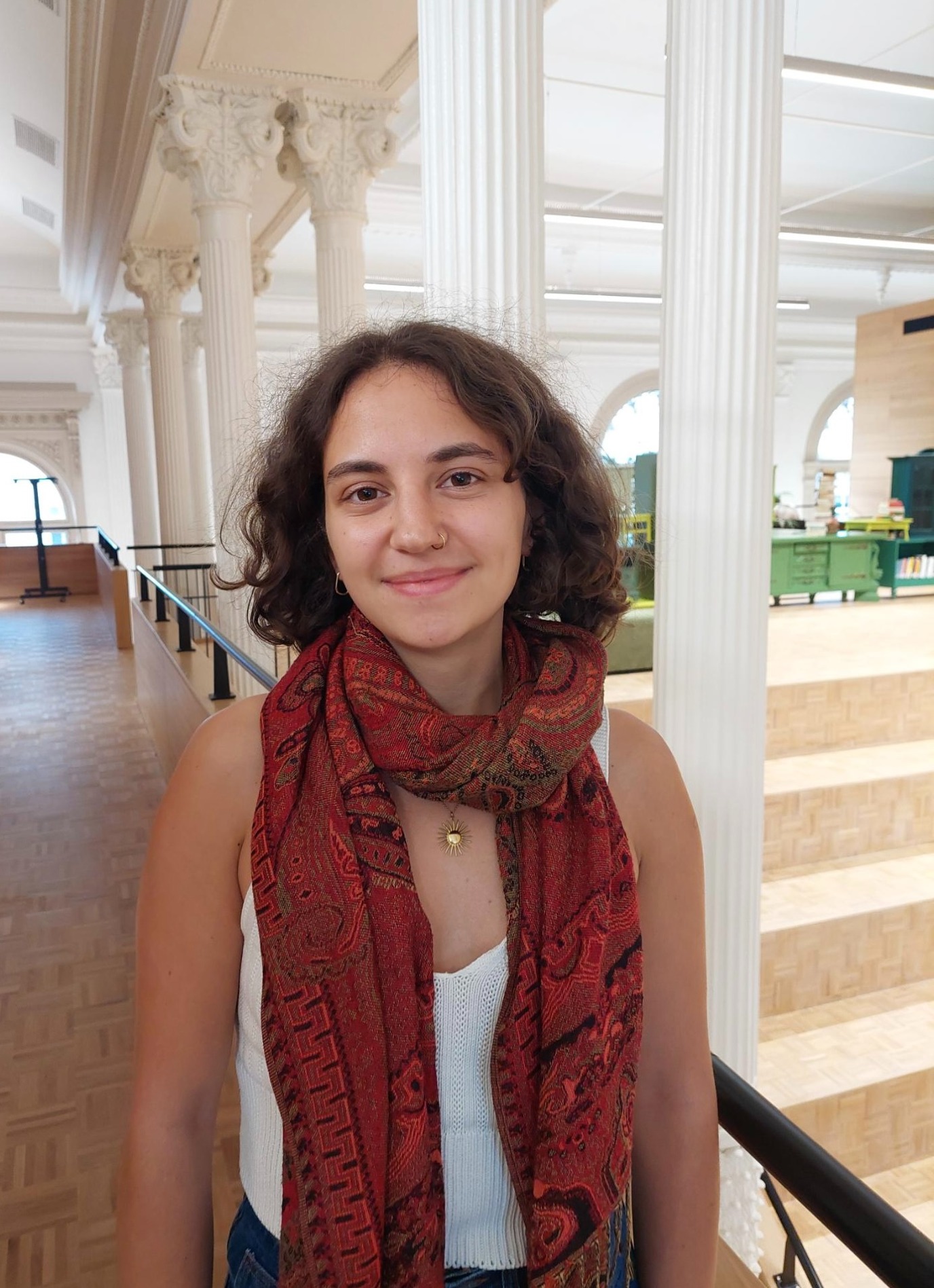
"Binnen het science team Circular Economy onderzoeken we hoe samenlevingen de overstap naar een duurzamere en circulaire toekomst kunnen maken. Dit is een systemisch en sociaal proces, en we richten ons op gedrags-, ondernemers- en institutionele veranderingen. We onderzoeken hoe dagelijkse praktijken evolueren, hoe bedrijven hun bedrijfsmodellen herontwerpen met het oog op de lange termijn, en hoe beleidsmaatregelen duurzame systemen vormgeven. Mijn eigen onderzoek richt zich op het gedrag van boeren en onderzoekt hoe interventies gericht op gedragsverandering de adoptie van duurzamere en circulaire praktijken in de landbouw kunnen ondersteunen."
Trevi Putri, PhD Candidate
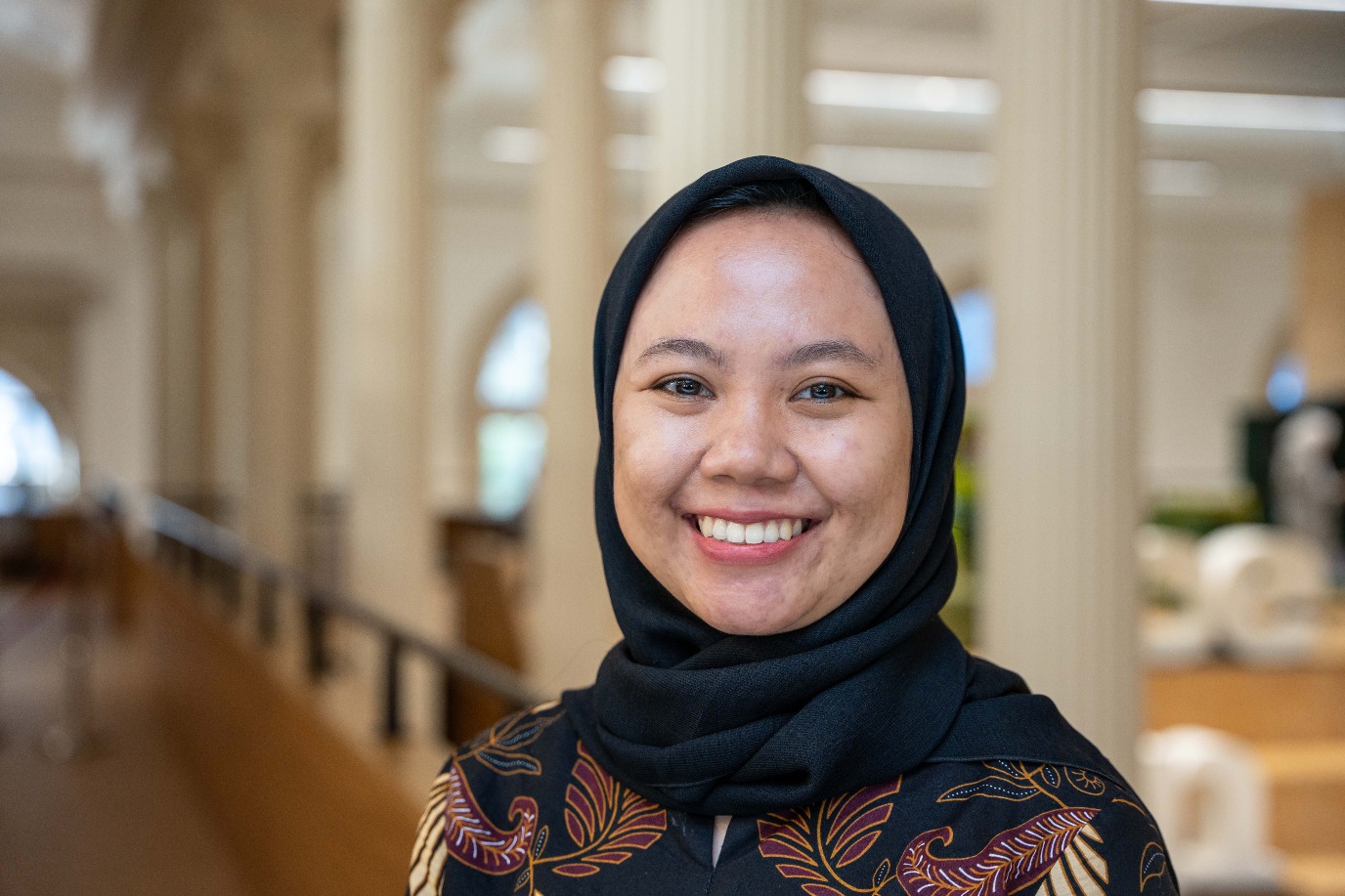
"Technologie hervormt democratie, taal en de machtsverhoudingen wereldwijd. Binnen onze afdeling bestuderen we deze transformaties en de bredere vragen die ze oproepen voor bestuur, technologie en maatschappij. Ons werk is georganiseerd rond drie belangrijke onderzoeksgebieden.
Binnen politieke theorie en bestuur onderzoeken we structurele rechtvaardigheid, democratische participatie en de vertaling van mensenrechtenprincipes naar AI en dataregulering. Binnen spraaktechnologie ontwikkelen we AI-systemen voor talen met beperkte middelen en gemarginaliseerde gemeenschappen, waaronder Friessprekenden en mensen met spraakstoornissen. Binnen digitale ethiek en bestuur evalueren we de verantwoordingsplicht van AI, zinvolle menselijke controle en contentmoderatie op digitale platforms.
Ethiek en duurzaamheid vormen de rode draad in al onze drie gebieden en helpen ervoor te zorgen dat ons onderzoek verantwoording aflegt aan de gemeenschappen die het wil dienen."