
What does a year in Sustainable Futures master's look like? Tea's story
Moving to another country for a master's degree is exciting, but it also comes with plenty of unknowns. Will you find your place? Will studying in an international classroom actually change the way you think? Will it help you discover what kind of work you want to do afterwards?
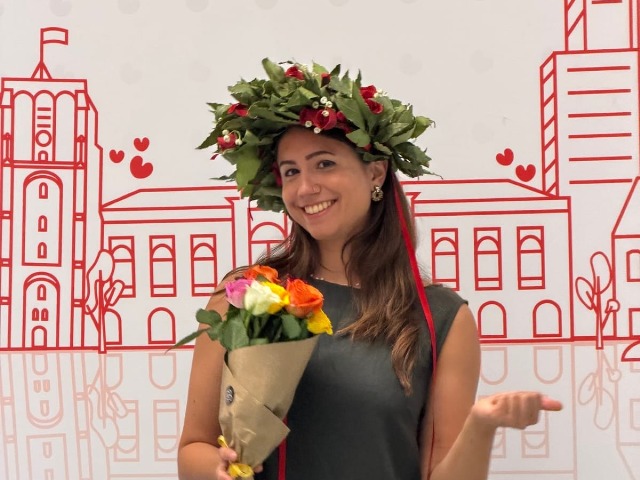
For Tea, who came to Campus Fryslân from Italy after completing a bachelor's degree in Political Science, the answer is yes, although perhaps not in the way she expected. During her time in the Master's in Sustainable Futures, she researched the intangible cultural heritage of her home region for her thesis, learned to carry out qualitative research independently, and found herself studying alongside classmates from each different corner of the world.
More than an academic pursuit
"Choosing to continue my education with an international master's degree has been one of the most rewarding decisions I have made."
When deciding what to do after her bachelor's degree in Political Science, Tea wanted a programme that would challenge her academically while also giving her the chance to grow as a person.
"This master's programme at Campus Fryslân represented exactly the opportunity I was looking for"
Studying abroad meant starting from scratch in many ways. A new country, a new university, new people, different ways of learning. Those first weeks quickly became an introduction to something she would come to value throughout the programme, a classroom where no two people had followed the same path to get there.
A different kind of classroom
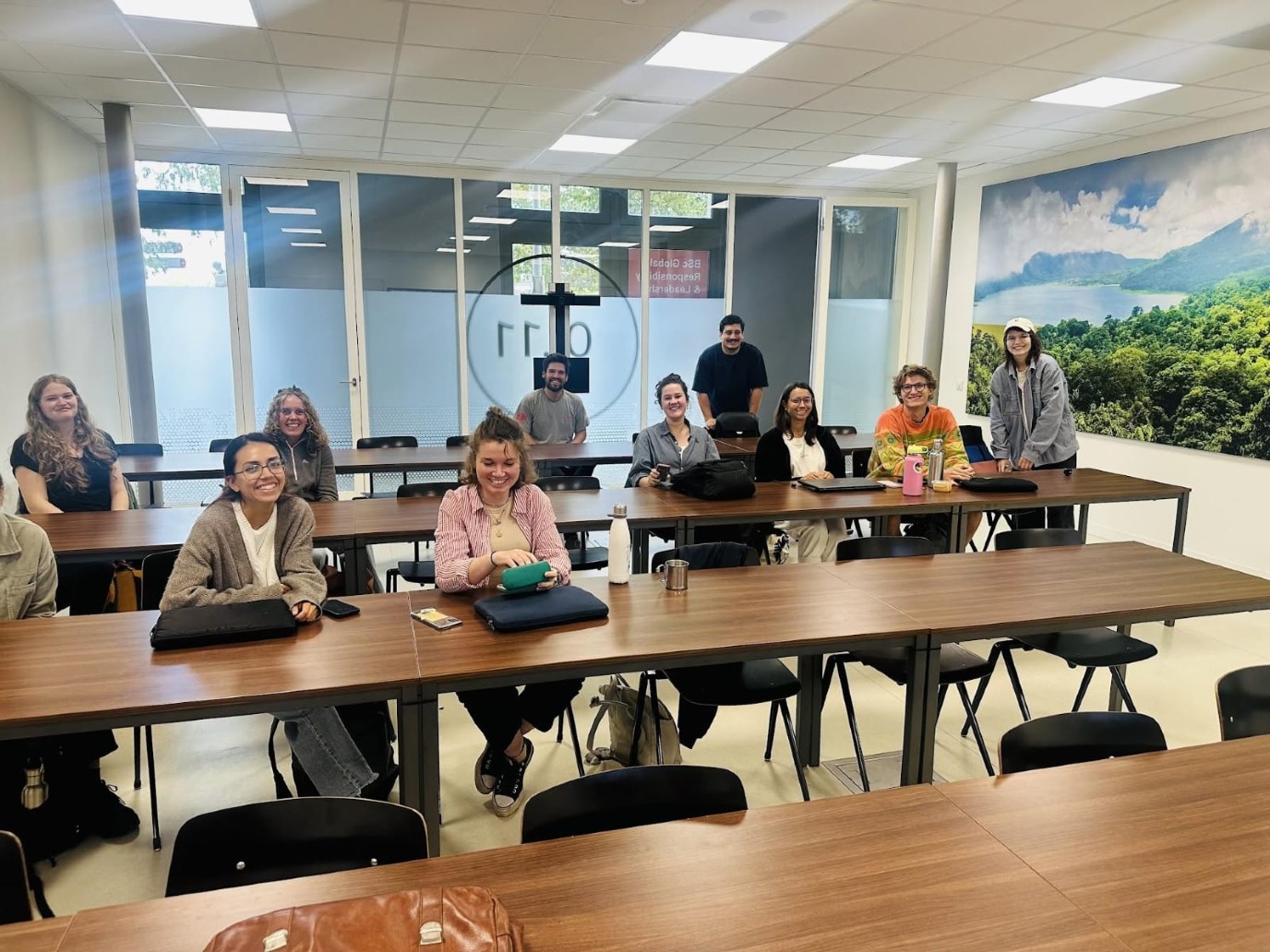
"From the very beginning, I found myself surrounded by people from different countries, cultures, and academic backgrounds"
For Tea, CF brought moments for experiences to meet, sometimes agree, sometimes clash, and often taking the discussion somewhere nobody expected.
"Every lecture, group project, and discussion became an opportunity to learn something new, not only from the professors but also from my classmates"
She describes the diversity of both students and lecturers as one of the strongest parts of the programme.
"Everyone brought unique ideas, cultural values, and professional experiences into the classroom, making discussions far more engaging than they would have been in a more homogeneous environment. Each voice mattered."
Working with classmates from different countries also meant getting comfortable with uncertainty. There was rarely a single answer that everyone agreed on, and that became part of the learning process.
"It showed me that there is rarely only one way to interpret a problem or find a solution. Listening to different viewpoints challenged many of my assumptions and encouraged me to become more adaptable in my thinking"
Returning home through research
When it came time to write her master's thesis, Tea decided to look back towards home.
"I decided to focus my research on the intangible cultural heritage of my region in Italy, a topic that is deeply connected to my personal background and interests"
She chose qualitative research methods because they best suited her research question, but also because "throughout the master's programme we had many opportunities to practice qualitative approaches, making me feel confident in applying them independently".
Like most students, she describes the thesis as demanding. There were long days, plenty of rewriting, moments when things worked and moments when they did not. Looking back now, those months became one of the parts of the programme she is proudest of.
"The thesis process was intense and required dedication, critical thinking, and perseverance, but it was also incredibly rewarding. Looking back, I am proud of what I achieved and of how much I developed as a researcher throughout the process"
The people you don't expect to meet
Ask many graduates what they remember most about university and, sooner or later, the conversation drifts towards people. For Tea, friendships became one of the best surprises of moving abroad.
"Beyond the academic experience, this master's programme has allowed me to meet incredible people who have become friends"
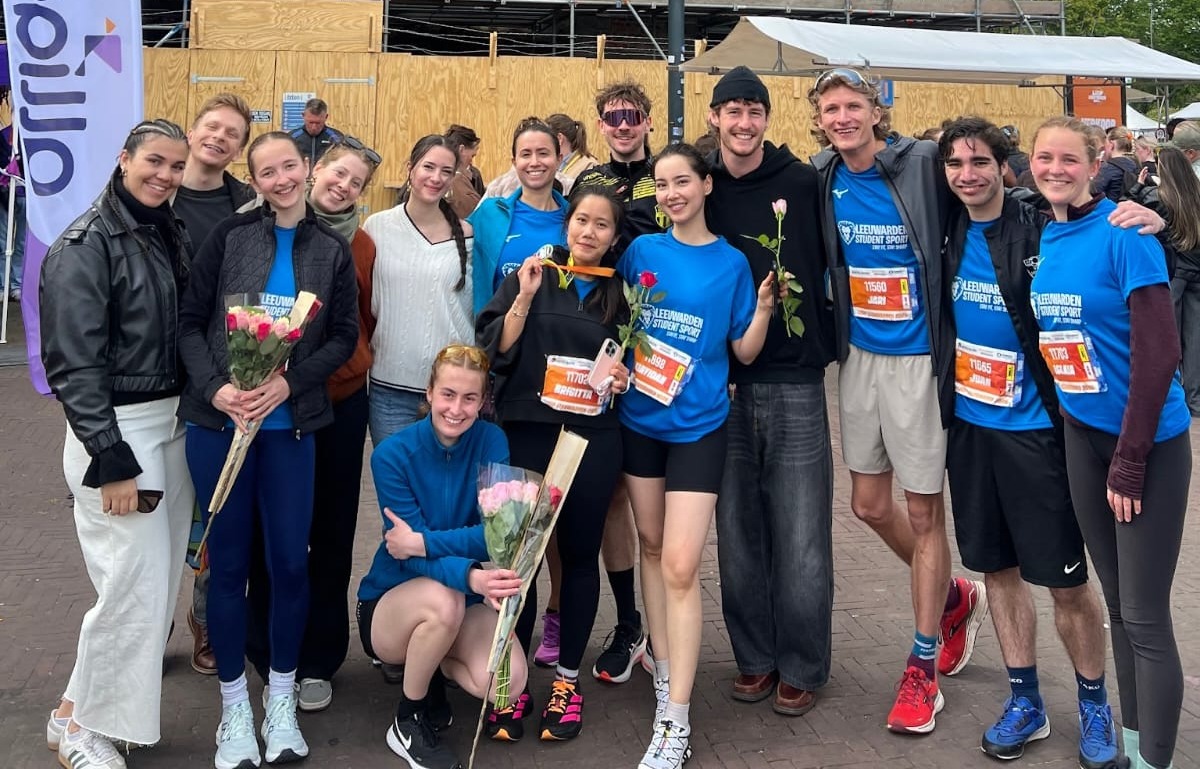
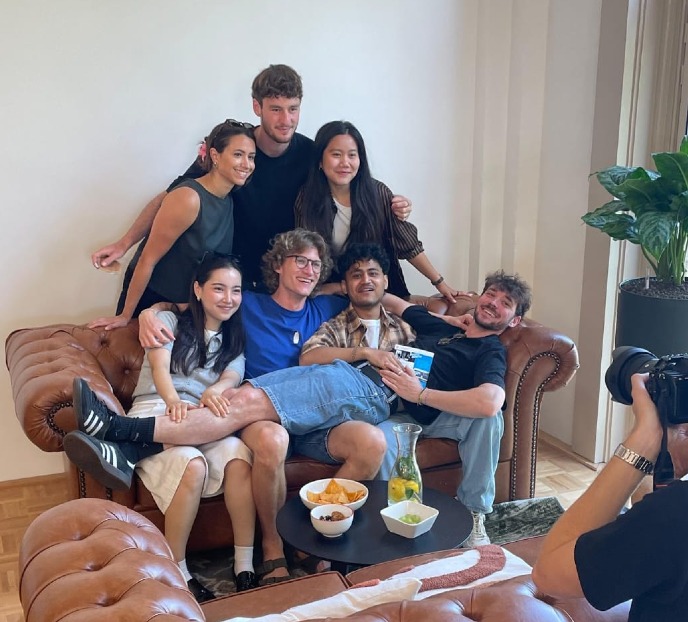
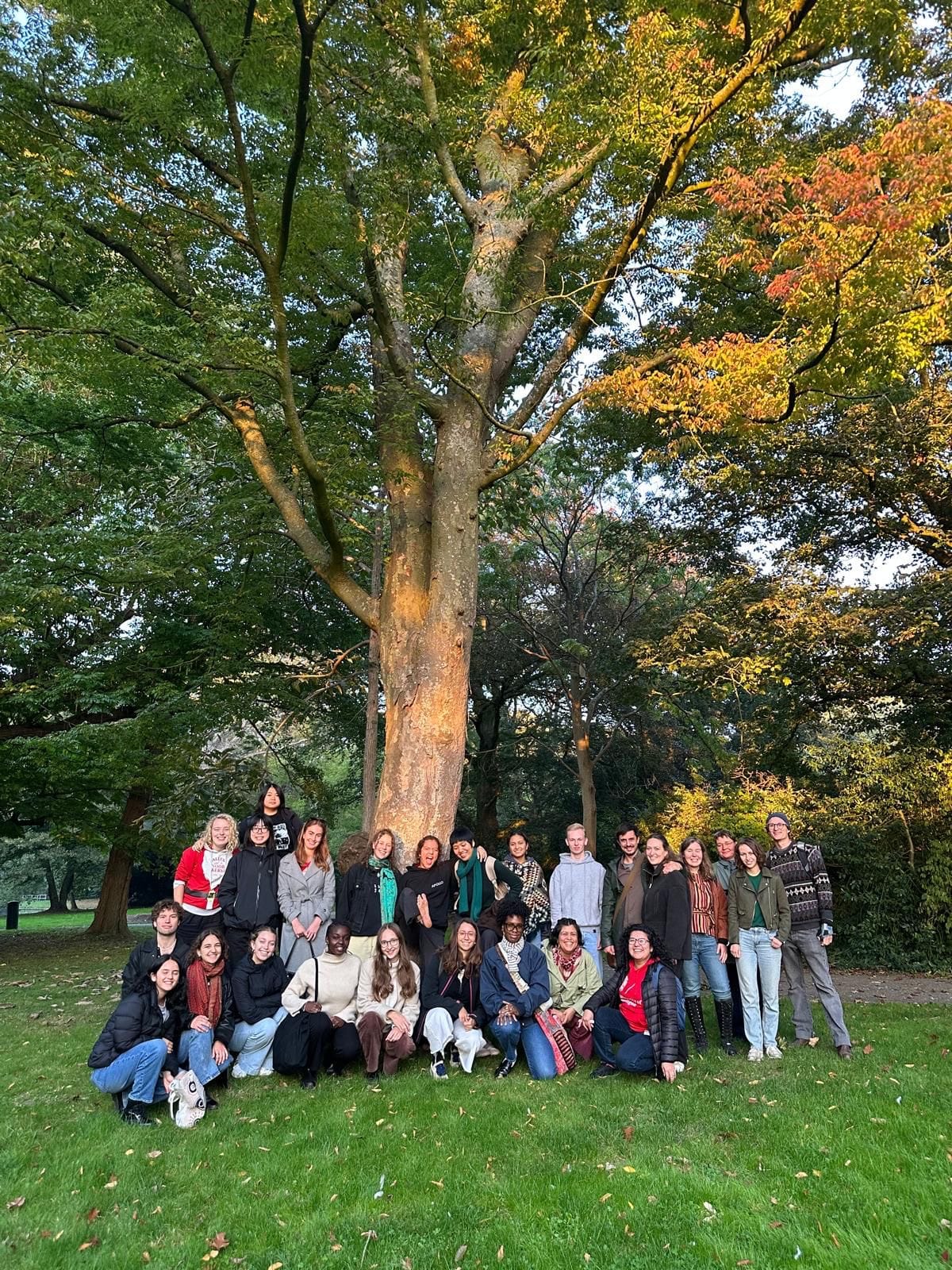
Over two years, her circle gradually expanded to include people from Germany, England, Hungary, India, China and Indonesia, friendships built while preparing presentations, meeting for coffee after lectures, joining university events or simply spending time together outside campus.
"Whether working on assignments, participating in university events, or simply spending time together outside class, I had the chance to learn about traditions, customs, and ways of thinking that I had never encountered before"
Those conversations, in the end, are also a classroom. Well, a class without slides or assignments, but one where curiosity did most of the work.
Looking ahead
As Tea prepares for the next chapter, she carries more than the diploma with her.
"I am confident that the skills and experiences I have gained during this master's programme will stay with me for many years to come"
When she looks back at her time in Leeuwarden, she does not separate lectures from conversations, research from friendships, or academic growth from personal growth. They all happened at the same time, feeding into one another.
"This experience has given me not only academic knowledge but also a new way of looking at the world. It has encouraged me to remain curious, open minded, and willing to learn from others."
About the author
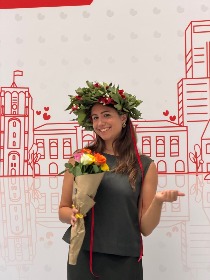
Tea Nanetti is a graduate from Master's in Sustainable Futures, specialised in Cultural Geography, in Campus Fryslan, University of Groningen.