
Finding out whether the tumour has been fully removed before the operation is over
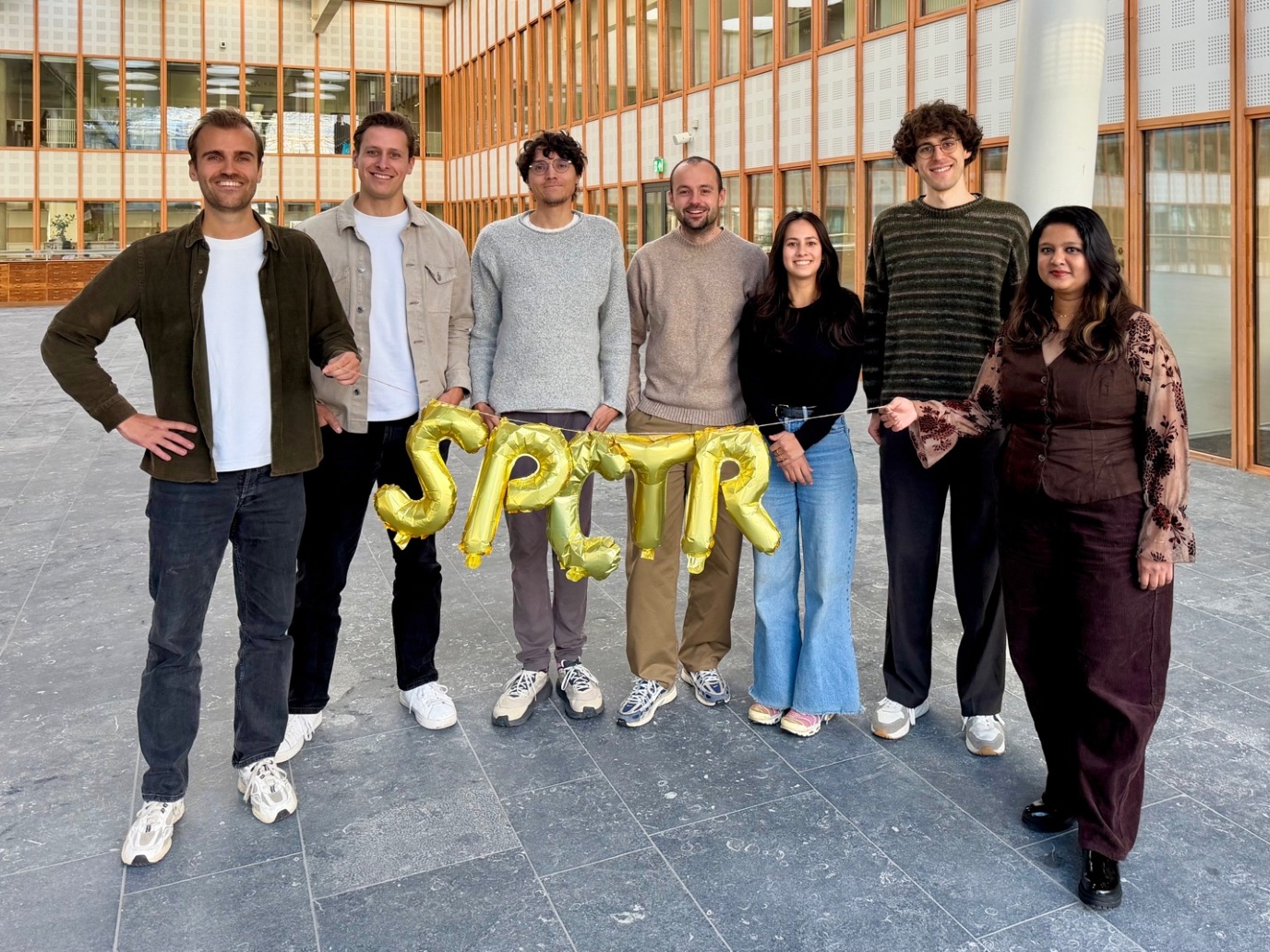
Wido Heeman and Rowan Timmermans want surgeons to be able to see during a cancer operation whether all tumor cells have been removed. To achieve this, their company SPCTR is receiving €2.8 million in follow-on funding from the VGZ Voorop in Zorg fund, Future Tech Ventures, the NOM, a group of business angels, and the European Just Transition Fund. The university’s investment company, RUG Ventures, is part of Future Tech Ventures.
Waiting days for a result
During cancer surgery, the surgeon removes the tumor with a margin of healthy tissue surrounding it. Whether this was successful only becomes apparent days later, once the pathologist has examined the tissue. In 10.8 percent of breast-conserving surgeries in the Netherlands, tumor cells are found at the surgical margin. For the patient, this can mean a second operation or additional treatment.
'Surgeons have to estimate during the operation whether they have removed enough tissue, and only find out days later if that was correct,' says Wido Heeman, CEO and co-founder. 'With SPCTRone, we want to bring that answer to the operating room. This funding makes it possible to now test the technology in multiple hospitals and further expand our team.'
What SPCTR builds
SPCTRone combines optical imaging with AI. If the surgeon sees that the surgical margin is not clear, he or she can remove additional tissue during the same operation. The device is intended for multiple forms of cancer. SPCTR starts with breast cancer, a disease that approximately one in seven women in the Netherlands will develop in their lifetime.
In an initial study, SPCTRone was tested on over two hundred patients at the UMC Utrecht and the Academic Breast Center Groningen, a collaboration between the Martini Hospital and the UMCG. Oncological surgeon Wendy Kelder of the Martini Hospital: 'This study is intended to reduce the chance of a second operation and gives patients clarity more quickly.'
Why we participate
'The team demonstrates exactly what is needed to successfully bring medical innovation to market: strong science, a clear clinical need, smart application of AI, and a keen eye for the workflow of healthcare professionals,' says Hilbrand van der Zee, investment manager at Future Tech Ventures.
How it continues
A follow-up study is expected to begin in late 2026 at the Academic Breast Center Groningen, St. Antonius Hospital, and Isala. The start depends on approval by the Medical Ethics Review Committee and the hospitals. Additionally, SPCTR is building the first series of devices and taking the next steps towards CE marking.
SPCTR was founded in 2025, is based in Utrecht and Groningen, and has eight employees. SPCTRone is still under development and is only available within clinical research.
Read more
Bron: Future Tech ventures
More news
-
-
19 October 2026
From research to business: RUG Ventures helps ideas move forward
-
03 September 2026
Ming Cao reappointed as scientific director of the Jantina Tammes School