
Healthy ageing? Why self-management is becoming increasingly important
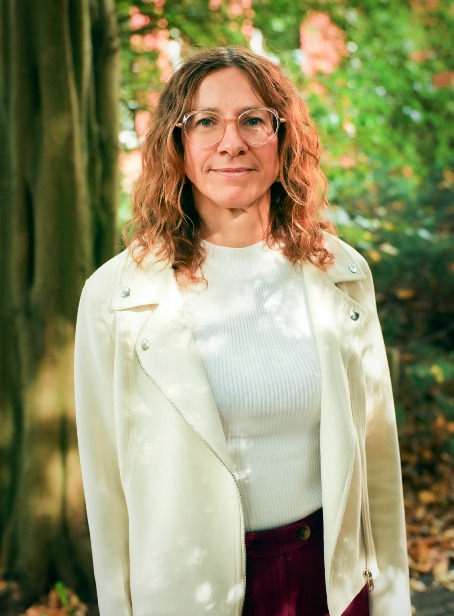
Healthy ageing: that’s what everyone wants. But how do you go about it? According to health psychologist Martine Goedendorp, physical health isn’t the only thing that counts. She believes you need the abilities to manage physical, emotional and social challenges. She is investigating how people in the Netherlands view this and what they can do to improve their health.
Text: Thomas Vos, Corporate Communications / Photos: Henk Veenstra
East Groningen and Twente: two regions with many small villages where facilities for (older) inhabitants are increasingly disappearing. At the same time, nursing homes are for people who really can no longer live independently at home because they require intensive care. What does this mean for the group of older people who cannot or do not wish to go there, but who also have few facilities in their neighbourhood? Martine Goedendorp: ‘Older residents of regions such as East Groningen and Twente have to arrange a lot to be able to live at home independently. Sometimes there isn’t even a general practitioner nearby. As a researcher, I’m working with foundations and village associations to explore how we can encourage residents in their communities to take more control of their own health.’
Background
Goedendorp has been a researcher at the Faculty of Behavioural and Social Sciences at the University of Groningen (UG) since 2020. She focuses on the role of self-management in healthy ageing. She studied Food Technology and worked in the food industry for a while, but ultimately found psychology more useful, after which she decided to pursue this degree. Since then, she has conducted research at various Dutch universities, including a PhD about interventions for people with fatigue symptoms caused by various illnesses.
Positive health
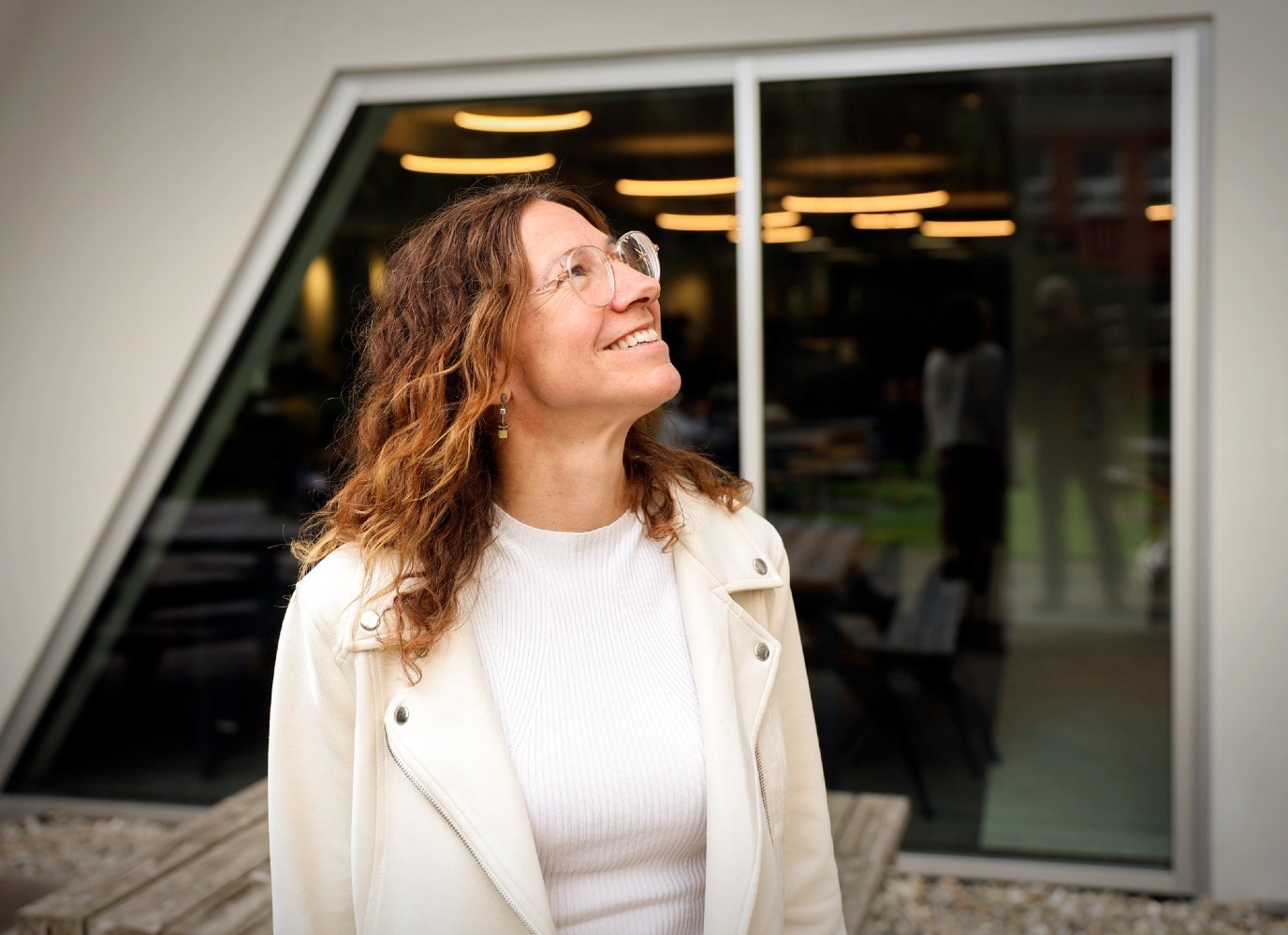
In her work, Goedendorp uses a specific definition of health, as she explains: ‘In 1948, the WHO defined health as broader than just physical health. Emotional and social health are also of great importance. We now live in an era in which people with chronic illnesses can feel very healthy and behave accordingly. That is why I use the definition of positive health. This means that a person is healthy if they have the abilities to manage physical, social and emotional challenges of life.’ These abilities include, for example, taking the initiative to socialize, or adopting a perspective that focuses on what is possible, rather than what is not (or no longer) possible.
Personal agency
This definition centres on self-management abilities relating to health: personally you can have a significant influence on your own health. Goedendorp is for example investigating how people in regions such as East Groningen and Twente perceive their own health and what they consider important in this regard. Goedendorp: ‘You see differences in the extent to which they managel. People with higher levels of education and greater financial resources are better able to organise things like “knarrenhofjes” (senior citizens’ communities). It’s different for people with vocational training from lower income groups. They tend to view health as something physical, something biomedical. They do consider the social aspect important, but they less often link this to their health.’
Differences between men and women
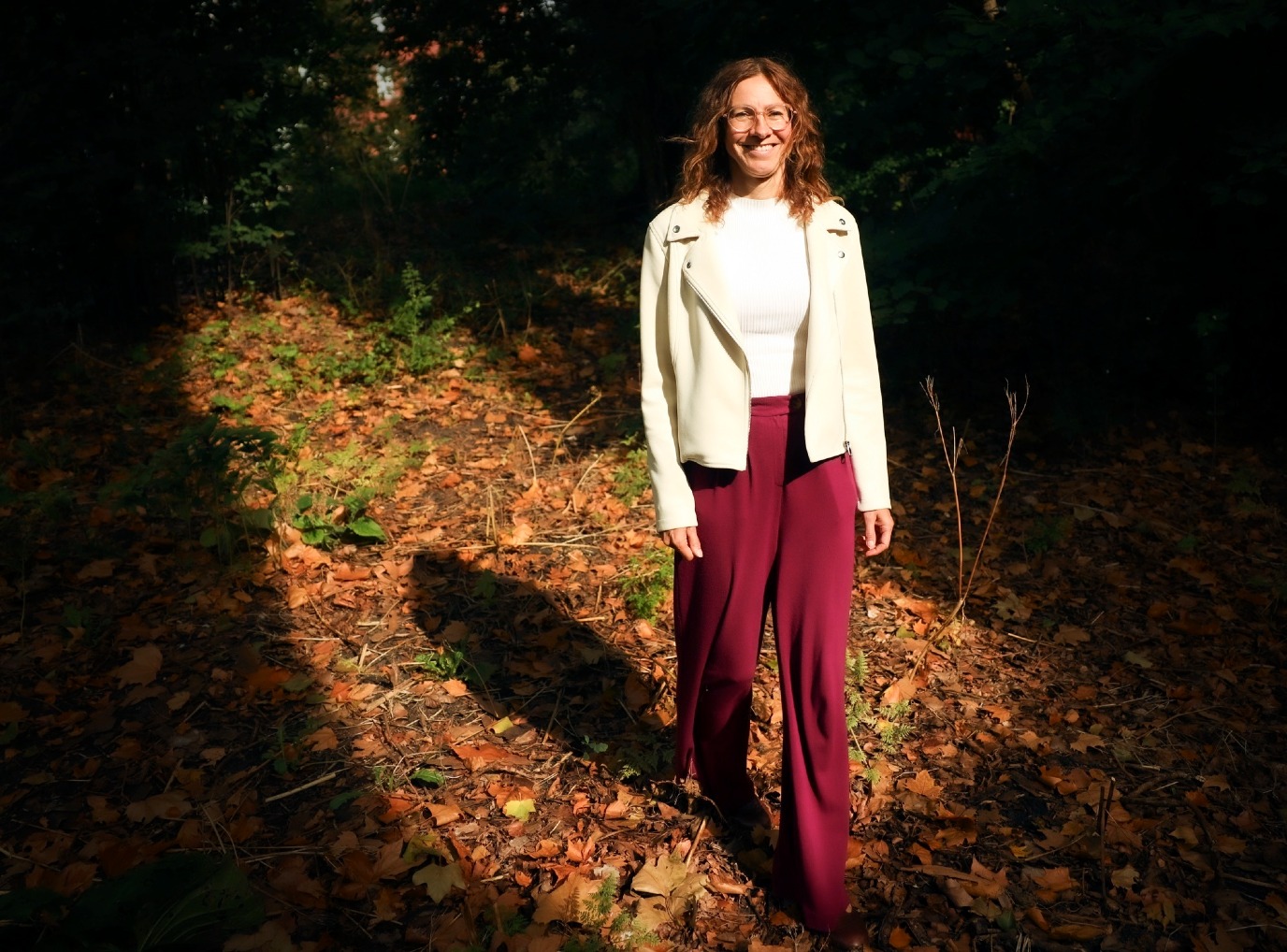
There are many similarities in how men and women view positive healthy ageing, but differences can also be seen, says Goedendorp: ‘Single women over the age of 65 engage in more social activities than men. They spend a lot of time with their children and grandchildren, and do all sorts of things with friends, for example. Single men do sometimes mention their siblings, but they are clearly more self-reliant. That does not mean, however, that they are not focused on healthy ageing, as they also do all sorts of enjoyable things, but these have a less social aspect. So the motivations differ.’
Community organizations
Goedendorp performs her research together with community organizations such as WijzOud in Twente, a foundation that aims to empower residents to take greater control of their own lives and environment. Among other things, the organization offers courses for people in Twente to help them gain more control over their own health. She also collaborated on CommunityWise, an intervention in Twente and the province of Groningen designed to stimulate healthy ageing of older adults living in areas with a lower socio-economic status . The results of this? Participants felt they had more control over their own lives, thought more positively and felt more connected. Goedendorp: ‘With interventions of this kind, we also see that people really do use the tools to develop a more positive mindset: focusing on what they can still do. And that can, for example, also stimulate them to take more initiative.'
Women over-represented
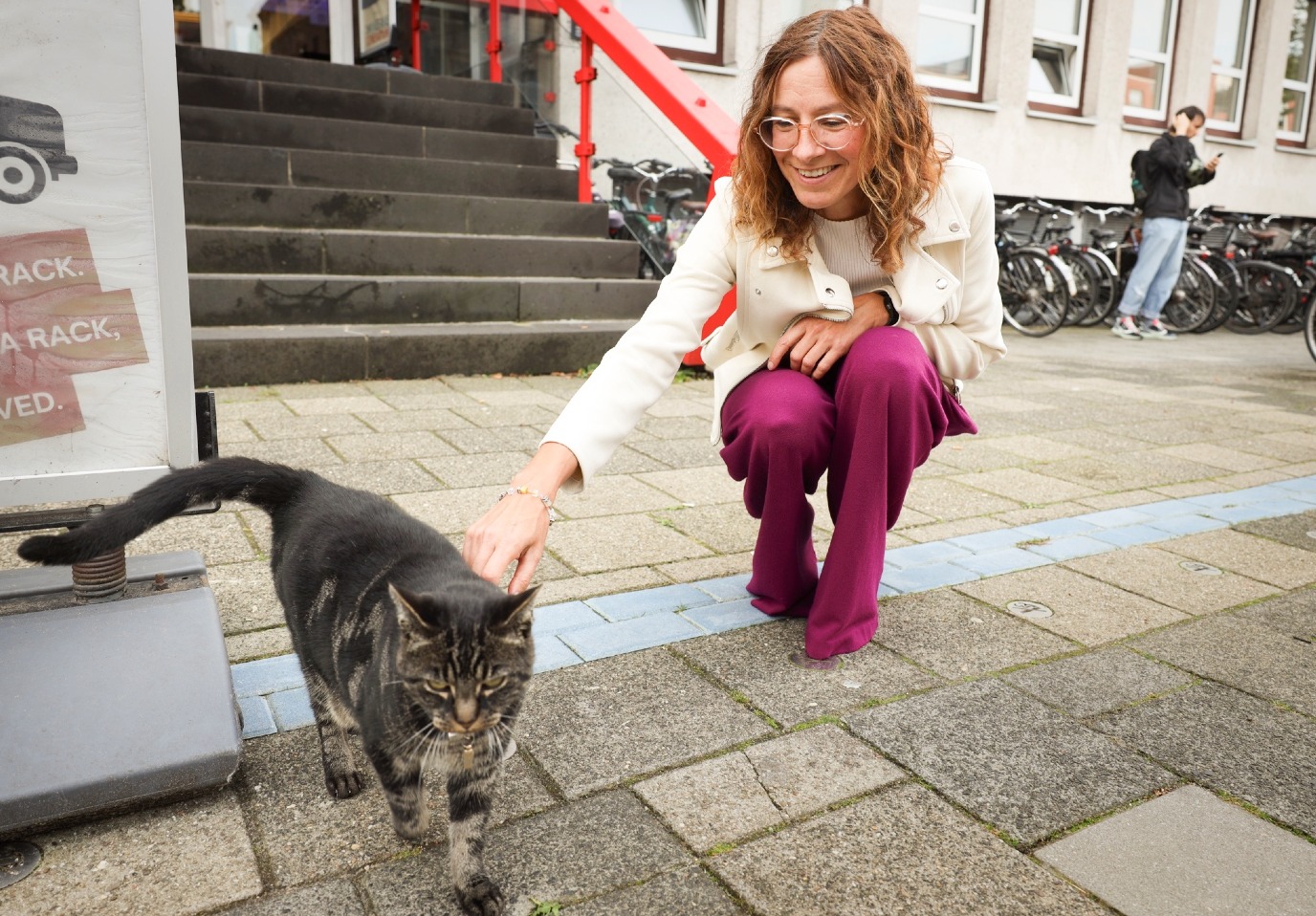
Nevertheless, Goedendorp also raises some points for consideration: ‘In our studies, women were over-represented. This is partly because they live longer than men, but they are also more willing to take part in health-related projects. We also explicitly asked participants to bring along people who wouldn’t readily come of their own accord, but these were often women too. Men are more reserved, which makes it harder to pinpoint exactly what their needs are when it comes to healthy ageing. So I’d like to reach that group in future as well, but that is certainly a challenge.’
Different cultural backgrounds
Furthermore, Goedendorp sees its importance to include older people from various cultural backgrounds in her research: ‘People from the former Dutch East Indies also took part in one of my projects. For example, they consider food to be far more important than native Dutch people do, partly because of the social aspect and the importance of eating with the family. That was just one small difference I discovered. I would like to find out more about this, because there are significant health disparities between native Dutch people and Dutch people with a migrant background.’
Further information
More news
-
-
19 October 2026
Concerns about reputation drive solidarity
-
08 October 2026
Diversity Week: What can I do for LGBTQIA+ acceptance?