
Innovation for a Healthy Life
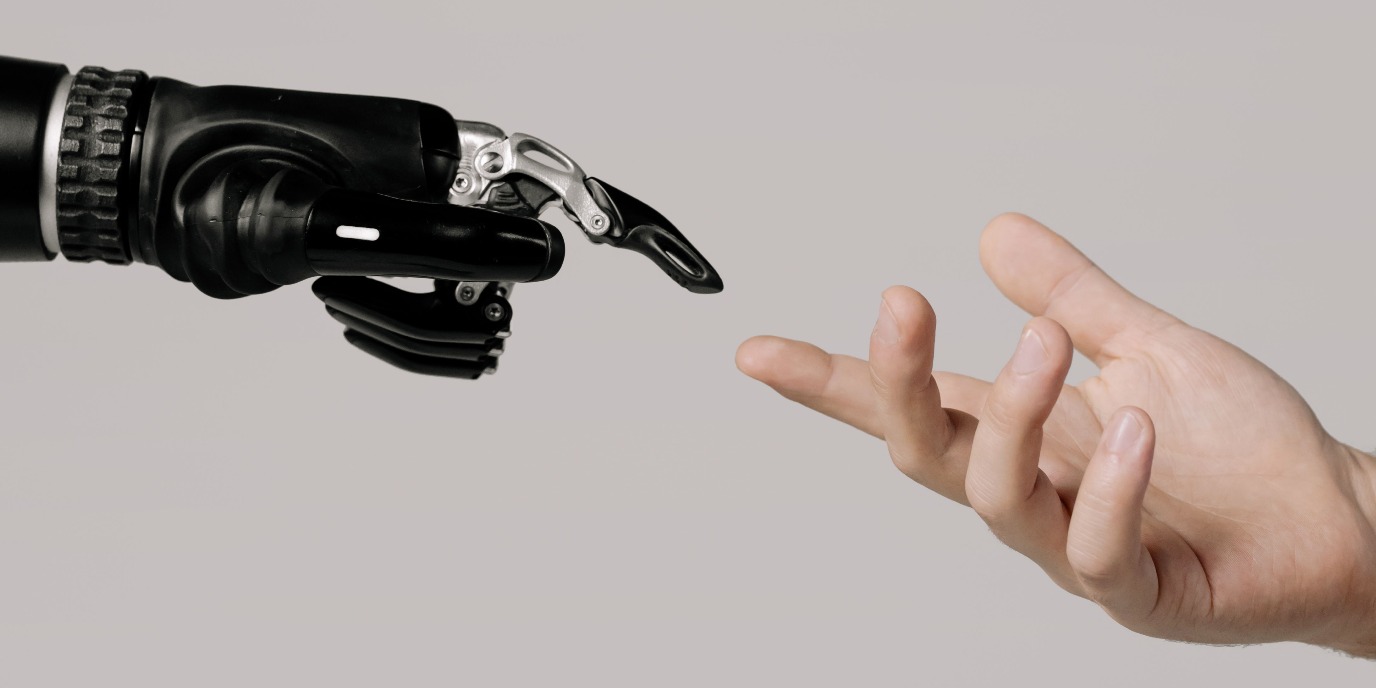
Innovation in healthcare opens up new possibilities for a longer, healthier life. From soft implants and conductive hydrogels to artificial intelligence: technology and science are changing the way we approach health.
Artificial intelligence in healthcare
The rise of artificial intelligence (AI) offers new opportunities for healthcare. From analysing medical scans to predicting disease progression, AI can support doctors in making complex decisions. But how reliable are these models? And how can we ensure that AI enriches medical practice without losing the human factor?
These are the questions that PhD candidate Steff Groefsema at the Bernoulli Institute and the University Medical Centre Groningen (UMCG) is working on.
High hopes for AI in healthcare: ‘Now we have to prove it’
Peter van Ooijen, full professor of AI in Radiotherapy, researches how AI can contribute to the optimal treatment plan for patients. In this episode of the JTS Scholars series, he discusses his work and shares his views on the implementation of AI.
'You can compare it to the first navigation systems: in the early days, the front-seat passenger would still be looking at a printed map.'
New conductive hydrogel is as soft as the brain
Bioelectronics, such as implantable health monitors or devices that stimulate brain cells, are not as soft as the surrounding tissues due to their metal electronic circuits. A team of scientists from the University of Groningen in the Netherlands, led by associate professor Ranjita Bose, have now developed a soft polymer hydrogel that can conduct electricity as well as metal can.
As the material is both flexible and soft, it is more compatible with sensitive tissues. This finding has the potential for a large number of applications, for example, in biocompatible sensors and in wound healing.
The Hard Challenge: Making implants soft and smart
Most tissues in the body are soft. Yet, when doctors want to strengthen a weak spot in an artery or keep a clogged artery open, they use hard plastic or metal tubes called stents. Sometimes, the hard, inflexible materials cause problems. That is why scientists from the University of Groningen and the University Medical Center Groningen are developing stents that are made of softer materials. They aim to do something similar for valves that are implanted into the lungs to treat patients with severe emphysema.
Getting to grips with the workhorses of our body
Genes may be crucial to many aspects of life, but proteins are what make our bodies tick. Identifying exactly which proteins are important to health and disease would be a major breakthrough in science. Giovanni Maglia has created a vital tool to achieve this: single-protein sequencing with nanopores.
Prostheses with a human-centered approach
‘I am fascinated by robotics and dream of replicating the remarkable abilities of the human body,’ says Raffaella Carloni, Professor of Robotics at the University of Groningen. Carloni develops artificial limbs, including the bionic leg, for which she received the Ben Feringa Impact Award 2024.
Thanks to the bionic leg developed by Prof. Carloni and her team, people with a lower-limb amputation can walk naturally again.