The Interdisciplinary Collaborations Training programme
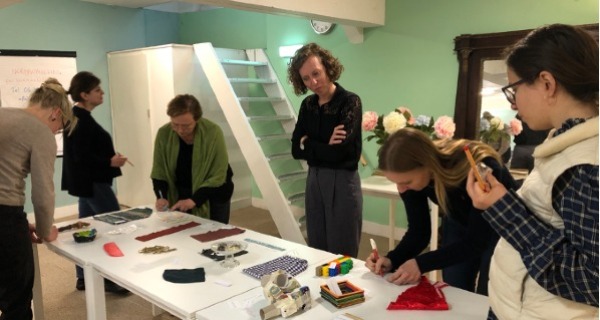
The Interdisciplinary Collaborations Training programme addresses the need for hands-on training for interdisciplinary competencies at the University of Groningen. It is intended for interdisciplinary research groups or units.
What we offer:
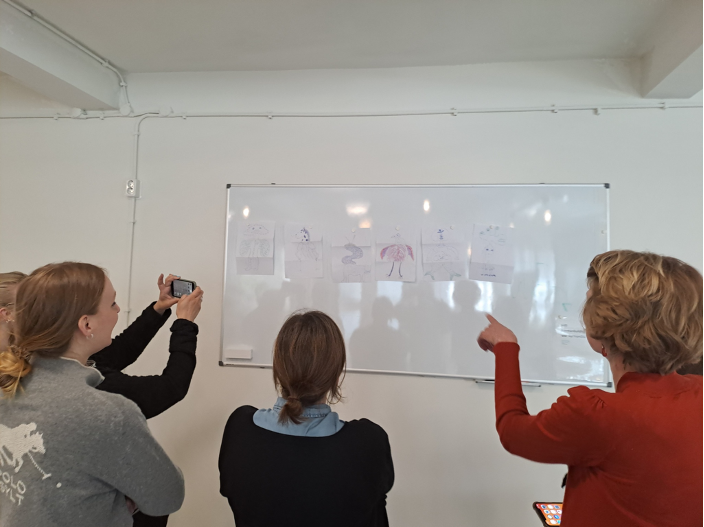
The interdisciplinary collaboration training programme is a 1-day programme. Depending on the goals and interdisciplinary background of the research group, adaptations to our programme can be made to cater the specific needs and level of the group.
The interdisciplinary training will equip researchers with the tools necessary to successfully set up and carry out interdisciplinary research. To achieve this, the programme addresses the following core competencies for interdisciplinary research:
- Disciplinary grounding and critical reflection of own disciplinary norms
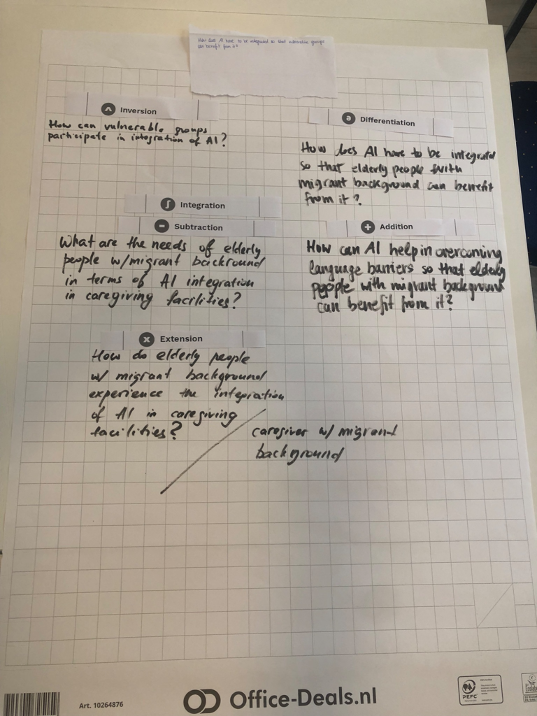
- Finding common ground & integration
- Collaboration and communication across disciplines
- Adaptability and creativity.
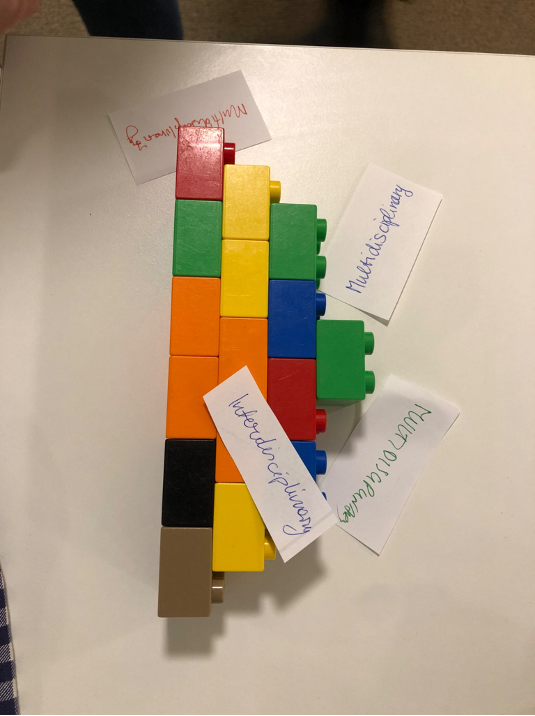
By training these core interdisciplinary competencies, the programme helps researchers develop their understanding of what they bring to interdisciplinary collaborations and how to make space for what other disciplines can bring to the table. The programme helps researchers approach these collaborations with curiosity, respect, and creativity. With these skills, researchers will be able to move beyond multidisciplinary collaborations (where multiple disciplines address a common problem in parallel) to true interdisciplinary collaborations – where disciplines interact to solve problems with a unique kind of innovation.
Costs and inquiries:
For inquiries or to arrange the training programme for your research group, please contact Naomi de Ruiter: n.m.p.de.ruiter-wilcox@rug.nl
Trainers and background:
The Interdisciplinary Collaborations Training programme was developed in 2023 in a collaboration between the Young Academy Groningen and the Centre for Unusual Collaborations.
Trainers:
Dr. Naomi de Ruiter
Naomi de Ruiter is an assistant professor at the University College Groningen, a multidisciplinary faculty at the University of Groningen where she plays a central role in coordinating and contributing to interdisciplinary education. Naomi currently serves as chair of the Young Academy Groningen (YAG), where her own contribution to YAG centres on facilitating interdisciplinarity research. Within her capacity in the YAG, Naomi co-designed and delivered the interdisciplinary collaborations training programme since 2024. Naomi’s work on interdisciplinarity extends beyond the current training programme. This includes co-developing the Interfaculty PhD Symposium, leading workshops on interdisciplinarity during the UG's grant week, and participating as workshop facilitator and panel member at PhD events focused on interdisciplinary research. Naomi’s research concerns identity dynamics and development, bringing together developmental psychology, complex dynamic systems theory, and discursive approaches. Aside from publishing within her own line of interdisciplinary research, she has published on student-driven interdisciplinary work and currently supervises a PhD project on interdisciplinary researcher identity.
Dr. Ole Gmelin
Ole Gmelin is an assistant professor at the Faculty of Behavioral and Social Sciences at the University of Groningen, he has founded and let the interdisciplinary Centre for Expertise on the Study of LGBTQIA+ Issues at the Faculty, is chair of the interdisciplinary Qualitative Research Methods Group Groningen, and is a member of the Young Academy Groningen. Ole also worked as a coach and trainer for workshops on Interdisciplinary Research, Communication, Group Dynamics, Effective Meetings, Improvised Comedy, as well as Inclusive Recruitment both at Universities and beyond for over 10 years. He is supervising several interdisciplinary PhD projects, including a project on academic identity development. Ole’s research concerns the development of identity in context, combining a developmental and discursive psychological perspective to research how concrete actions and behaviors in our day-to-day life shape identity development.