
PhD defence H. Barbosa Rhault Loponte
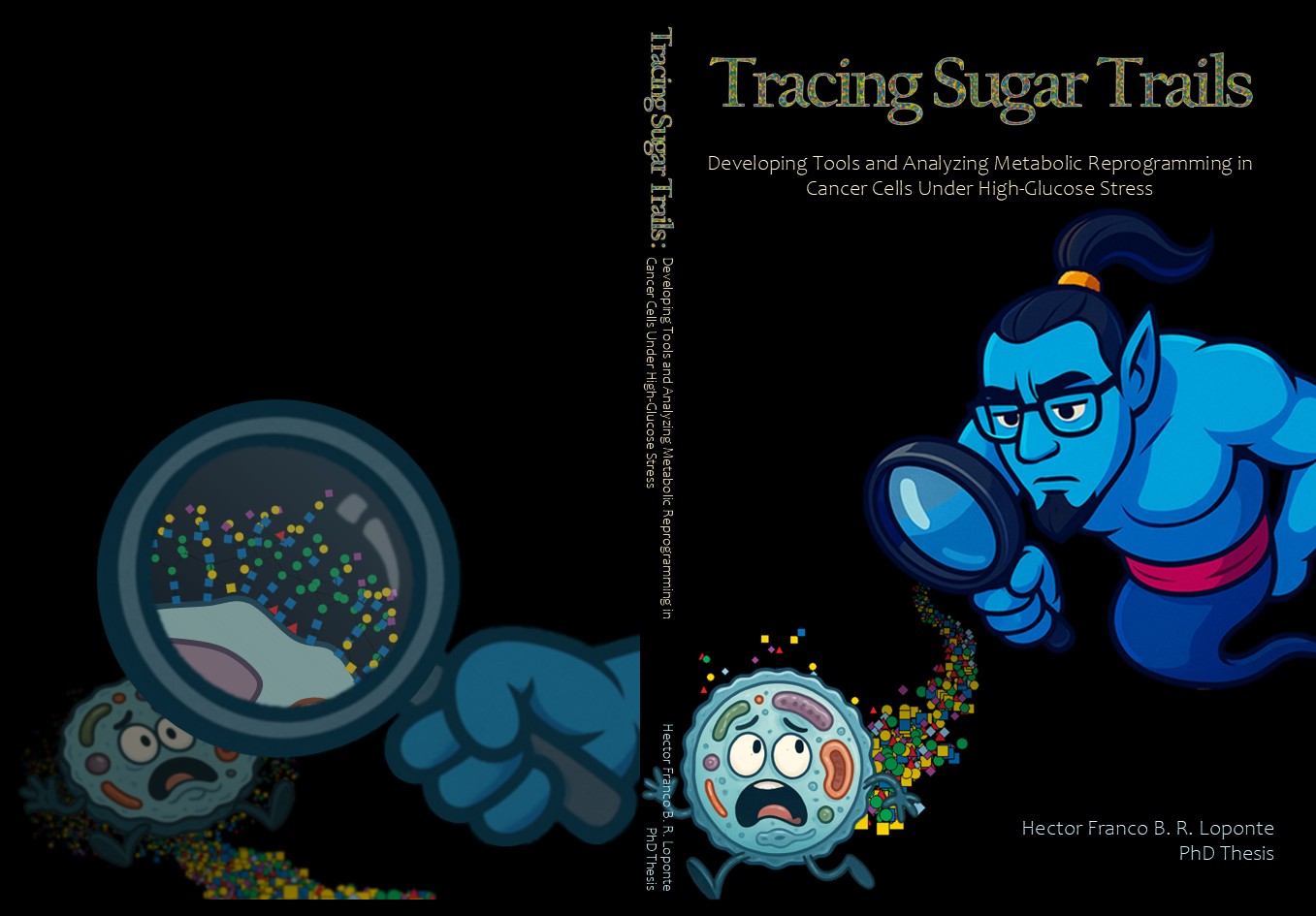
Tracing Sugar Trails
Developing Tools and Analyzing Metabolic Reprogramming in Cancer Cells Under High‐Glucose Stress
Cancer development is strongly influenced by the environment in which cancer cells grow. Rather than acting in isolation, cancer cells continuously sense and respond to signals from their surroundings, including the availability of nutrients such as sugar, the body’s main energy source. This research investigates how elevated blood sugar levels, commonly seen in conditions like diabetes, affect how cancer cells grow, communicate, and spread.
A central theme of this work is glycosylation, the process by which sugar chains attach to proteins and fats on the surface of cells. These sugar structures play a crucial role in cell communication, recognition, and environmental sensing. The research shows that specific sugar-coated molecules on cancer cells can bind calcium and form small molecular clusters that influence cell signaling and may enhance the ability of cancer cells to spread.
Because these sugar structures are highly complex, they have traditionally been difficult to study. To overcome this challenge, the thesis introduces GlycoGenius, a software tool designed to make glycomics data analysis faster, more accessible, and less dependent on manual interpretation. This tool enables researchers to translate complex measurements into clear biological insights.
Using GlycoGenius, the research reveals that cancer cells exposed to high sugar levels develop distinct sugar patterns that are not present under normal conditions. Similar changes were also observed in the blood of tumor-bearing mice with high blood sugar, suggesting that a person’s metabolic state can influence cancer-related markers detected in blood. Together, these findings highlight glycosylation as an important link between metabolism and cancer progression, with implications for future diagnosis and treatment.
Promotor: P.L. (Peter) Horvatovich, Prof
Copromotors: dr. G.S.M. (Guinevere) Lageveen-Kammeijer, dr. A. Todeschini