

Speakers 2026
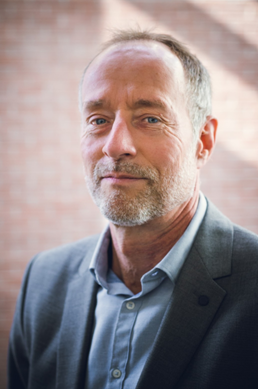
Robert Schoevers
Psychiatrist and researcher, currently head of Dept. of Psychiatry UMCG and Director of interdisciplinary BCN Research School at the RijksUniversiteit Groningen. Active in oral esketamine and psilocybin studies for patients with treatment resistant depression. Interested in both the clinical potential and mechanisms of action of psychedelic substances in mental disorder, surrounded by a rapidly growing group of enthusiastic, hard working and motivated junior and senior researchers. Skeptical about hypes, and at the same time curious about innovation.
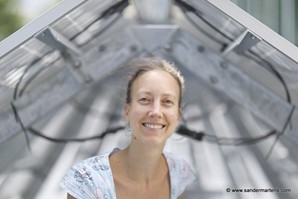
Marieke van Vugt
Marieke van Vugt obtained her PhD in neuroscience from the University of Pennsylvania and did postdoctoral research at Princeton University. She is now an associate professor in the Bernoulli Institute for Mathematics, Computer Science and Artificial Intelligence at the University of Groningen.
Her research aims to understand how, when, and why we mind-wander, when it is adaptive and when it is maladaptive, and how contemplative practices may help. In addition, she collaborates with Tibetan monks and nuns on investigating analytical meditation and monastic debate. Apart from this, she is an avid practitioner of classical ballet.
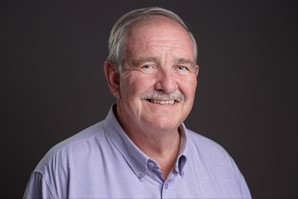
David Nutt
David is Prof of Neuropsychopharmacology at Imperial College London He obtained an Open Scholarship in Medicine at Downing College Cambridge then completed his clinical training at Guy’s hospital London. He did his doctorate at the MRC Clinical Pharmacology Unit in Oxford subsequently becoming a University Lecturer and then a Wellcome Trust Senior Fellow in psychiatry. Then followed two years as head of the research ward at NIAAA in the USA before he set up the Psychopharmacology unit at Bristol University in 1988, where he later became Prof of Psychopharmacology and Dean of Clinical Medicine before moving to Imperial College London in 2008. He has held presidencies of the EBC, BAP, BNA and ECNP, was chair of the ACMD and founded the charity DrugScience and now chairs PAREA the European association for access to research with psychedelics.
David’s contributions to pharmacology include GABA and noradrenaline receptor function in anxiety disorders, serotonin function in depression, endorphin and dopamine function in addiction and most recently the neuroscience and clinical utility of psychedelics. He has over 600 original research papers, a similar number of reviews/book chapters, eight government reports and 40 books. In 2013 he was awarded the John Maddox Prize from Nature/Sense about Science for standing up for science and in 2017 a Doctor of Laws hon causa from the University of Bath.
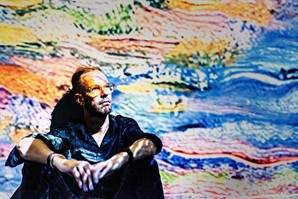
Michiel van Elk
Michiel obtained degrees in philosophy (MA), biological psychology (MSc) and the psychology of religion (MSc) in Utrecht, Amsterdam and Nijmegen. He completed his PhD in Cognitive Neuroscience at the Donders Institute in Nijmegen (cum laude). He worked as a visiting researcher at the University of California Santa Barbara (2010), as a Marie Curie post-dotoral fellow at the École Polytechnique Fédérale de Lausanne in Switzerland (2010-2012), as a Fulbright Scholar at Stanford University (2017), as a Research Fellow at the Netherlands Institute for Advanced Studies (NIAS) in Amsterdam (2019-2010) and as a researcher at the University of Amsterdam (2013-2020). Since 2020 Michiel is affiliated as Associate Professor to the University of Leiden and supported by grants from the Templeton Foundation, NWO the EU and the BIAL Foundation he heads the Psychedelic, Religious, Spiritual and Mystical (PRSM) experiences Lab. Michiel has published several popular science books and blogposts on such different topics as the Babybrain, the Evolution of Religion, Ecstatic Experiences and Psychedelics.
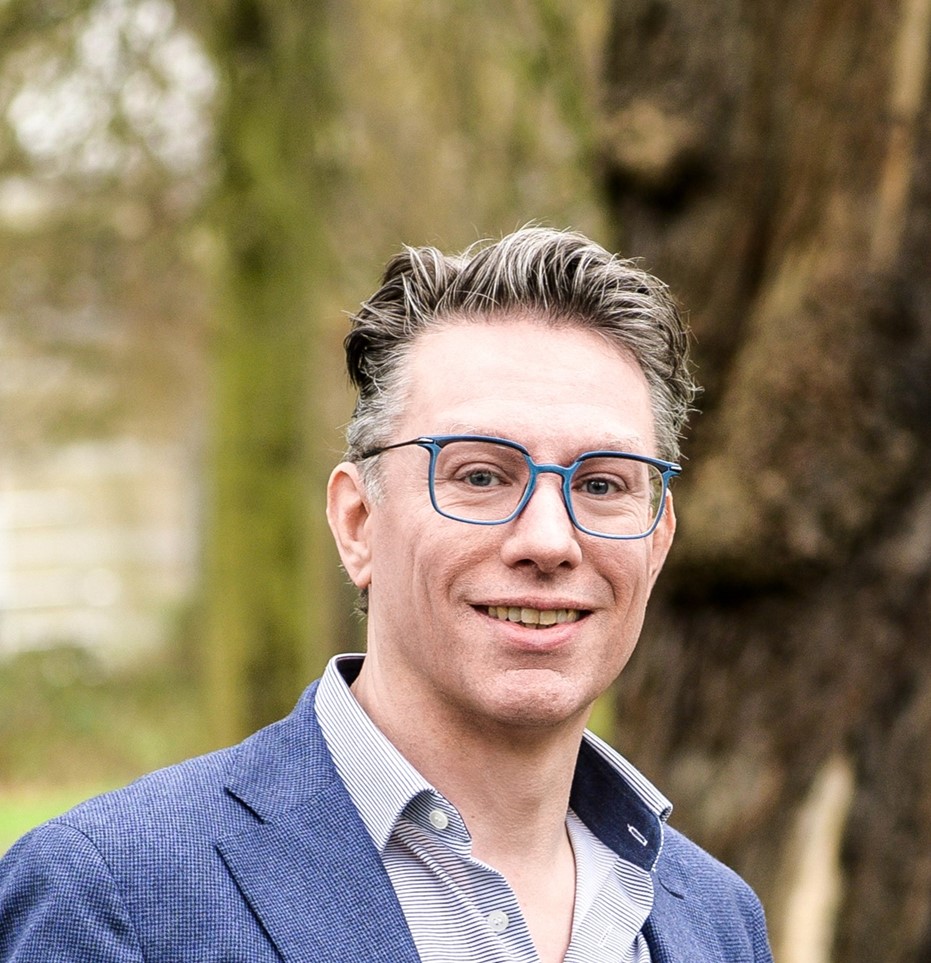
Tijmen Bostoen
Tijmen Bostoen, M.D., is a psychiatrist at ARQ Centrum ‘45, the Dutch national center for psychotrauma, with extensive experience in the treatment of post-traumatic stress disorder (PTSD). He serves as Principal Investigator, lead therapist, and supervisor in clinical trials investigating MDMA-assisted
psychotherapy for PTSD, and also has experience with ketamine-assisted therapy. His PhD research at Leiden University Medical Center and ARQ Centrum ‘45 focuses on the clinical application of psychedelics in the treatment of PTSD
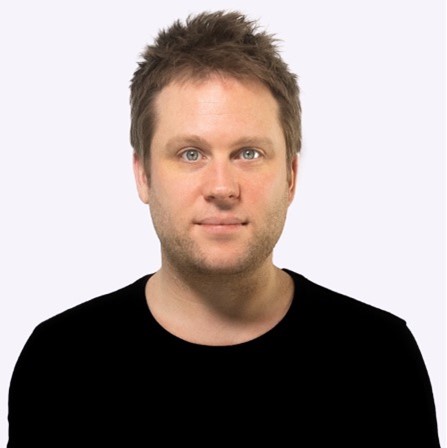
Aidan Lyon
Aidan Lyon is a philosopher at Leiden University and external member of the Munich Center for Mathematical Philosophy. He completed his Ph.D. in Philosophy in 2009 at the Australian National University and has Bachelor's degrees in Science (Mathematics) and Arts (Philosophy) from the University of Queensland. His research is at the intersection of psychology and philosophy and focuses on wisdom, uncertainty, psychedelics, meditation, yoga, and artificial intelligence. His book, Psychedelic Experience: Revealing the Mind, published with Oxford University Press, explores the intersection of psychedelics, meditation, and other spiritual practices. Dr. Lyon also works as a philosophical risk-management consultant, specialising in decision contexts that involve extreme uncertainty and high stakes. He works with clients across a wide array of domains, including biosecurity intelligence, geopolitical forecasting, environmental decision-making, institutional investing, and psychedelic therapy.
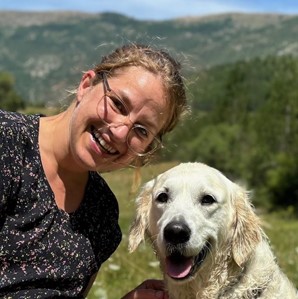
Eva Goedendorp
Eva Goedendorp is a project officer and a junior researcher with lived experience at the Dimence Groep and the University Medical Center Utrecht. She holds an academic background in the humanities and has an extensive (clinical) treatment history. Eva has, among other things, a treatment-resistant depression for which she is still being treated with esketamine.
Goedendorp integrates her professional knowledge and lived experience into research, policy development, and innovation within mental health care. She is frequently invited to give academic lectures and provide educational sessions, including at the University Medical Center Groningen (UMCG), where she shares insights based on her experiences within psychiatry.
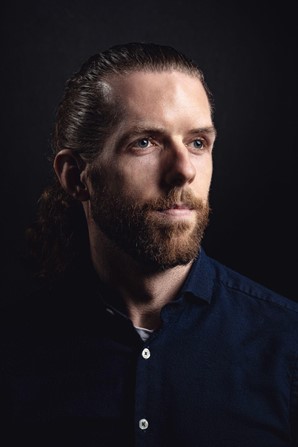
Stephan Tap
Stephan Tap is a PhD student at the University Center of Psychiatry within the University Medical Centre of Groningen. He is the Clinical Trial Manager of PsyPal, a multi-site randomized clinical trial investigating the safety and efficacy of psilocybin for treating psychological distress in palliative care patients. Stephan has a background in clinical neuropsychology (MSc) and applied psychology (BSc) with a particular interest in the various therapeutic working mechanisms of classic psychedelics from both a neurobiological and psychological perspective.
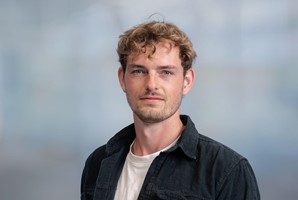
Rutger Boesjes
I have a bachelor in Behaviour- and Neurobiology and a Master in Behavioural and Cognitive Neuroscience, both from the RUG. After completing my masters degree in 2022, I worked as a clinical trial coordinator in the UMCG Psychedelic Treatment & Mechanisms research group (and attended the first edition of the Summer School!) Since 2023, I've started my PhD in this same research group. In my research, I am interested in the interaction between neuroplasticity, sleep, the biological clock and mood disorders, and the role that this interaction plays in the antidepressant efficacy of ketamine.
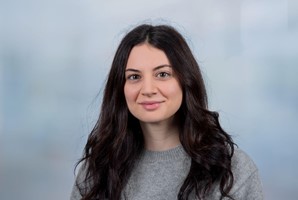
Sara Massetti
Sara is a PhD student in the Psychedelic Therapy & Mechanisms group, with a background in Biotechnology and Molecular and Clinical Neuroscience. Her research focuses on blood-based biomarkers of the antidepressant response to ketamine and psilocybin. By studying the molecular underpinnings of these treatments with a translational approach, she aims to contribute to the advancement of personalized medicine in psychiatric care.
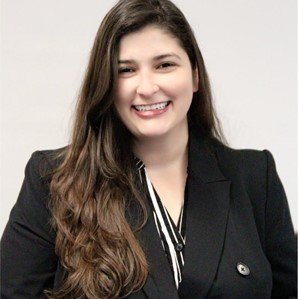
Juliana Lima Constantino
Juliana is a medical doctor and epidemiologist in training, currently pursuing her PhD at the University Center of Psychiatry, University Medical Center Groningen (UMCG). Her thesis focuses on improving the positioning of novel pharmacological agents for treatment-resistant depression by investigating patient characteristics and treatment practices using real-world data, as well as identifying clinical and neurobiological predictors and targets of treatment response. She aims to bridge the fields of epidemiology and psychiatry to enhance psychiatric care and help deliver the right treatment to the right patient at an early enough stage.
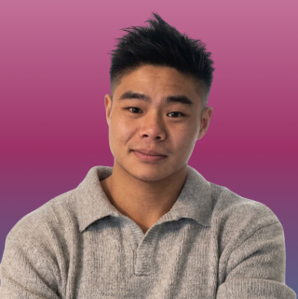
Ray Yang holds an MSc in Global Health from the University of Geneva, where his thesis, Reimbursement and Payment Pathways for Psychedelic-Assisted Therapies in the Netherlands: A Prospective Analysis of Barriers and Facilitators, examined how the Dutch health system would process psychedelic-assisted therapies through its reimbursement and payment pathways following regulatory approval, and where the key barriers and bottlenecks in that process lie. His research interest focuses on health system readiness and the implementation of psychedelic-assisted therapies into health systems. Based in Amsterdam, Ray is the Conference Manager for the Interdisciplinary Conference on Psychedelic Research (ICPR 2026), organised by the OPEN Foundation — a Dutch non-profit advancing psychedelic science.
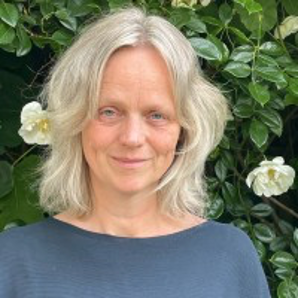
As Professor Psychology of Religion with special attention for Spiritual Care and Wellbeing, my main research theme is existential rehearsal space, a space where you can learn to share what matters in life. What contributes to that meaningful exchange in different work and care contexts? Projects: 1) HORIZON Psypal. Spiritual (network) care in the use of psychedelics for depressed participants in a palliative care context. 2) The implementation of a spiritual care training program at UMCG. 3) Mapping interventions around meaning and identity in mental health care. 4) Good mental health care for young people in the educational context. 5) ZonMw. The connection between professionals and their conversation partners in spiritual care: is the target group central or meaning literacy? 6) ZonMw. Collaboration between spiritual care professionals. 7) Spiritual care in the earthquake region Groningen
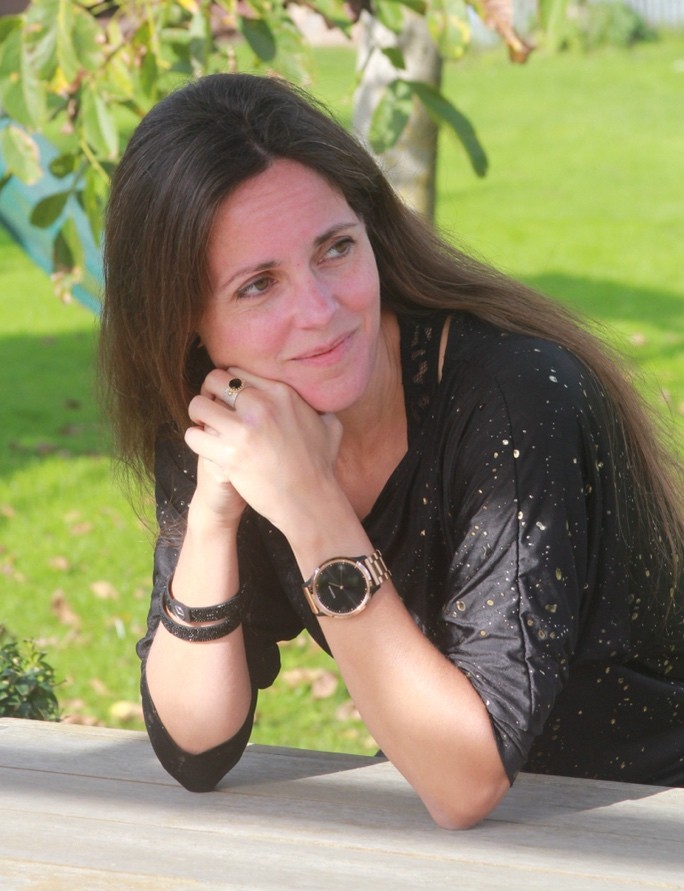
Kim PC Kuypers is an Associate Professor at Maastricht University and Head of the Department of Neuropsychology and Psychopharmacology. Her research focuses on the effects of psychedelics and breathwork, employing experimental controlled designs and survey-based methods to study their use and impact. She aims to advance personalized approaches to psychedelic-assisted interventions and mental well-being.
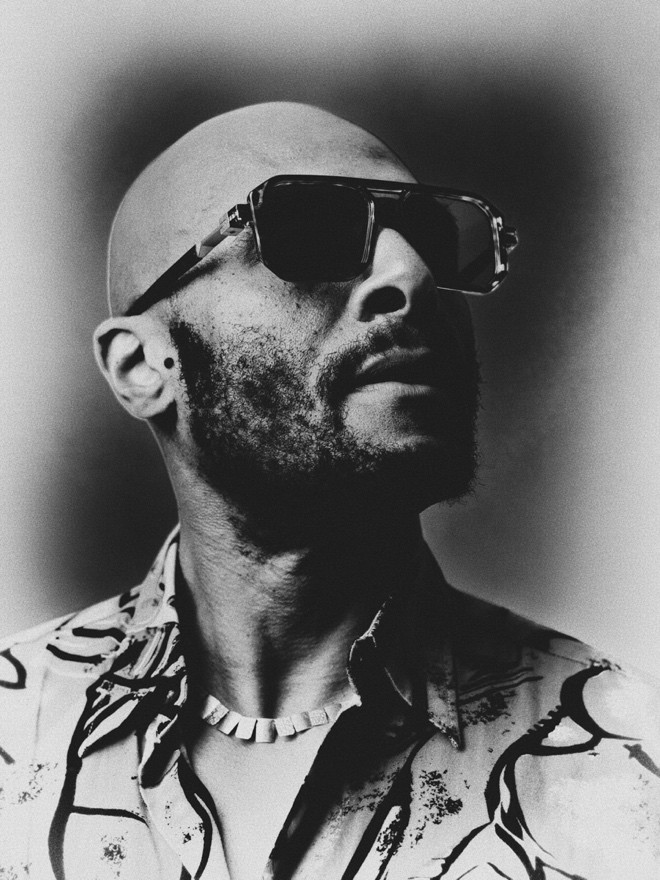
Zeus Tipado is a Neuropsychopharmacology PhD candidate at Maastricht University focusing on researching the brain while under DMT inside virtual/extended reality. He’s using fNIRS (functional near-infrared spectroscopy) to give science its first glimpse on brain energy distribution in the visual cortex during this unique psychedelic process.
Philosopher and qualitative researcher interested in the lived experiences and perspectives of patients and therapists involved in psychedelic treatments, aiming to deepen our understanding of the potential therapeutic mechanisms involved and the role of non-pharmacological contextual factors. Director of OPEN Foundation and the Interdisciplinary Conference on Psychedelic Research. Underlying all his work is a deep-seated belief in the scientifically grounded, responsible and ethical integration of psychedelics into health care and society that respects the multiplicity of other, non-medical approaches.