

Effects of the 2020 U.S. Elections on Health Care and Global Public Health
Date:16 November 2020
Dean M. Harris - Joe Biden and Kamala Harris, the candidates of the Democratic Party, have won the election for President and Vice President of the United States. This is good for democracy, human rights, and global health
Minks and Movement in Denmark: What’s happening?
Date:10 November 2020
Katharina O 'Cathaoir - In September 2020, twelve "cluster 5" cases of Covid-19 were identified in humans in North Jutland, Denmark. By November, new coronavirus mutations had passed from minks to around 200 humans, some in contact with minks and others without direct contact, meaning it is circulating in the population of North Jutland. A central concern is that some of the mutations appear to be less susceptible to antibody responses, which raised fears that the much-awaited vaccines would not be effective on this strain. However, it should be noted that this has been disputed and remains unproven.
Part III – HFSS Food Advertising Regulation in the Netherlands
Date:10 November 2020
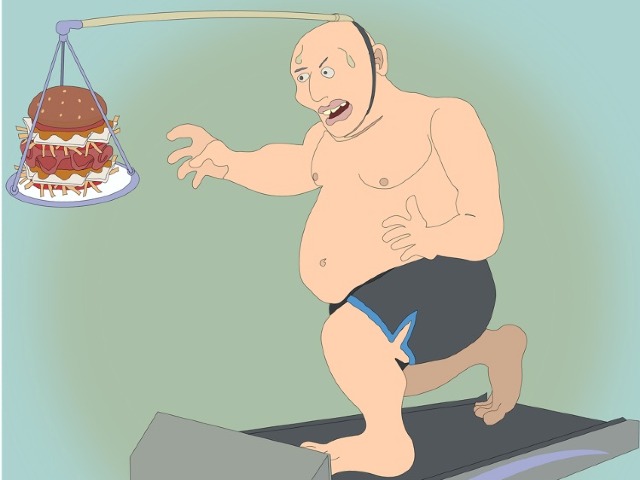
Dominique Mollet - Based on my previous column, it is safe to say that the Netherlands approaches HFSS food advertising regulation from a commercial perspective, rather than from the health- and human rights-based approach described in Part I of this series. In this column I argue that the European trends regarding HFSS food advertising constitute a possible factor that may have influenced the adoption of this stance
Part II – HFSS Food Advertising Regulation in the Netherlands
Date:26 October 2020
Dominique Mollet - As indicated in my previous column, international human rights law imposes obligations for States to protect the rights of individuals.
Part I – HFSS Food Advertising Regulation in the Netherlands
Date:12 October 2020
Dominique Mollet - Whenever we open our Facebook-, or Instagram-app or turn on the TV, we are often targeted by advertising efforts promoting the consumption of products detrimental to our health, such as ‘unhealthy’ food (food high in saturated fat, trans fatty acids, salt and sugar, HFSS food). Some States have regulated such advertising to some extent, while others mainly leave it unregulated. But do States actually have obligations under international human rights law to regulate this?
Voices in the Field: Adriaan van Es
Date:28 July 2020
Adriaan van Es, founder and Secretary of IFHHRO, is an MD, family doctor and counselor on end-of-life decisions. Dr van Es is also active in health related human rights advocacy. In his interview with GHLG, he talks about his journey within human rights work in the health sector.
Why the right to self-determination is vital for indigenous peoples in times of COVID-19
Date:02 July 2020
Medes Malaihollo - COVID-19 is having a disproportionately harmful effect on indigenous peoples. Particularly in Brazil, the virus affects the health of these vulnerable groups to such a degree that it constitutes a serious threat to their existence. Many indigenous communities have little to no immunity against most diseases, poor access to health care and experience starvation as a serious outcome due to lockdowns.
ESIL Reflection
Date:16 June 2020
Brigit Toebes - Covid-19 has put a spotlight on the responsibilities of States under the International Health Regulations and on State accountability in case of a breach.
COVID-19, mental health and human rights
Date:13 June 2020
Natalie Schuck - “Although the COVID-19 crisis is, in the first instance, a physical health crisis, it has the seeds of a major mental health crisis as well, if action is not taken”, as per the policy brief by the United Nations published in mid-May. Months earlier, the WHO and other organizations already outlined the danger of COVID-19-related psychological distress and published information on how to take care of one’s mental health and well-being.
Transparency Challenges in Health (Care) in Times of COVID-19 Pandemic
Date:11 June 2020
Elisavet Athanasia Alexiadou - Since the onset of this unprecedented global public health crisis owed to the Covid-19 outbreak and its rapid global spread, serious concerns have been voiced regarding the limited role that transparency is playing in global health governance and particularly in ensuring the right to health (care) for all during the Covid-19 pandemic. Crucially, in times of public health emergencies a significant transparency gap tends to exist in the governance framework