
Lessons in war and peace from French history
How must injustice be rectified? What is the best way to live together again after a civil war? The annual conference of the Society for the Study of French History (SSFH) addresses these questions. This year, the conference is taking place at the University of Groningen. More than 75 historians from around the world will give presentations explaining how people in the past dealt with these issues.
Conflicts have existed throughout history, ranging from minor disagreements to devastating civil wars. But what can we learn from the past when it comes to resolving such conflicts? From Tuesday, June 30 to Thursday, July 2, leading speakers and researchers from around the world will meet in Groningen for an international conference on war and peace.
This annual gathering, under the auspices of the SSFH, normally takes place in the United Kingdom, but this year it is being organized by RUG researchers David van der Linden, Sasha Goldstein, Rachel White, and Francesco Buscemi. Van der Linden: ‘Since all four of us focus on French history, it is actually quite logical that this edition is taking place in Groningen.’
Peace and justice
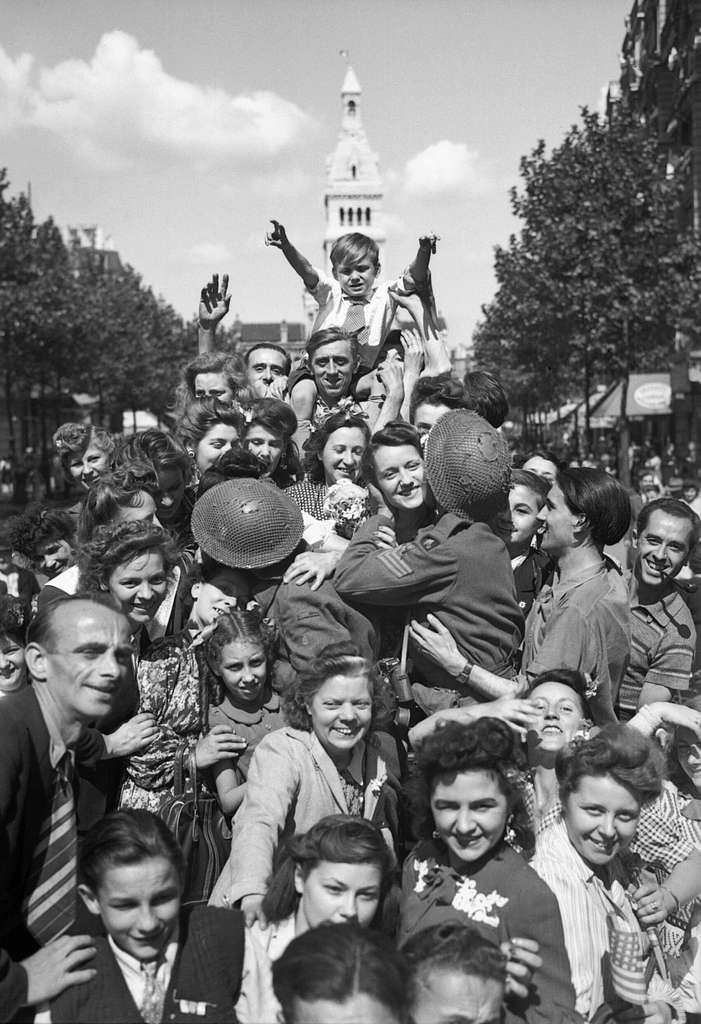
The history of France lends itself—unfortunately—excellently to a study of war, reconciliation, and peace. Van der Linden: ‘The country has a long history of revolutions, wars, decolonization, and democratic reforms. That makes it a unique laboratory for investigating the interplay between peace and justice.’
The subject matter is extensive. From the call for holy war by the Crusaders to the peace initiatives following the French Wars of Religion, and from the radical redefinition of citizenship during the French Revolution to the reconstruction of the Republic after the Second World War. But lessons can also be learned from the bloody Algerian War of Independence and its fraught legacy, or from modern movements for social equality and environmental justice.
Reconciliation
By focusing on these themes, this conference aims to investigate the mechanisms by which societies have attempted to rectify past injustices and prevent future conflicts. For one thing is certain: French history offers ample and convincing evidence of how people combat violence, achieve reconciliation, and fight for social justice.
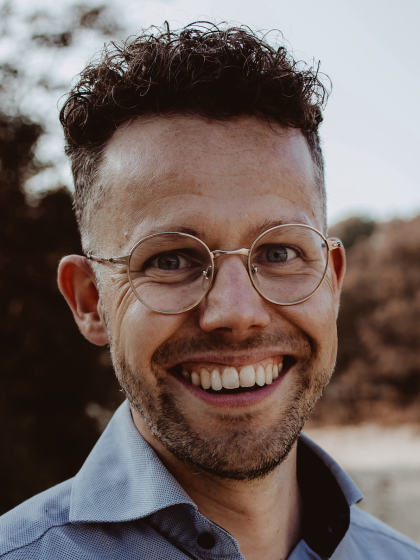
David van der Linden teaches Early Modern History at the University of Groningen. He previously developed ‘Vijanden verzoenen’ (Reconciling Enemies), a teaching package in which students in grades 6, 7, and 8 actively conduct research. They discover how societies deal with tensions and reconciliation following a conflict. Using historical and current case studies, they also learn to reflect on justice, cooperation, and making choices.
Information on the Annual Conference of the Society for the Study of French History.
In March of this year, David van der Linden was interviewed for a Universiteit van Nederland podcast about finding ways to move forward together after a period of violence. Click here for the podcast 'How to truly make peace after war'.
More news
-
01 July 2026
Ninah Tiemersma named Alumnus of the Year
-
02 June 2026
Impact |The wainscotting at Museum Janning
-
28 April 2026
Groningen on the map as European capital of hip-hop