

New game teaches children that AI is human-made
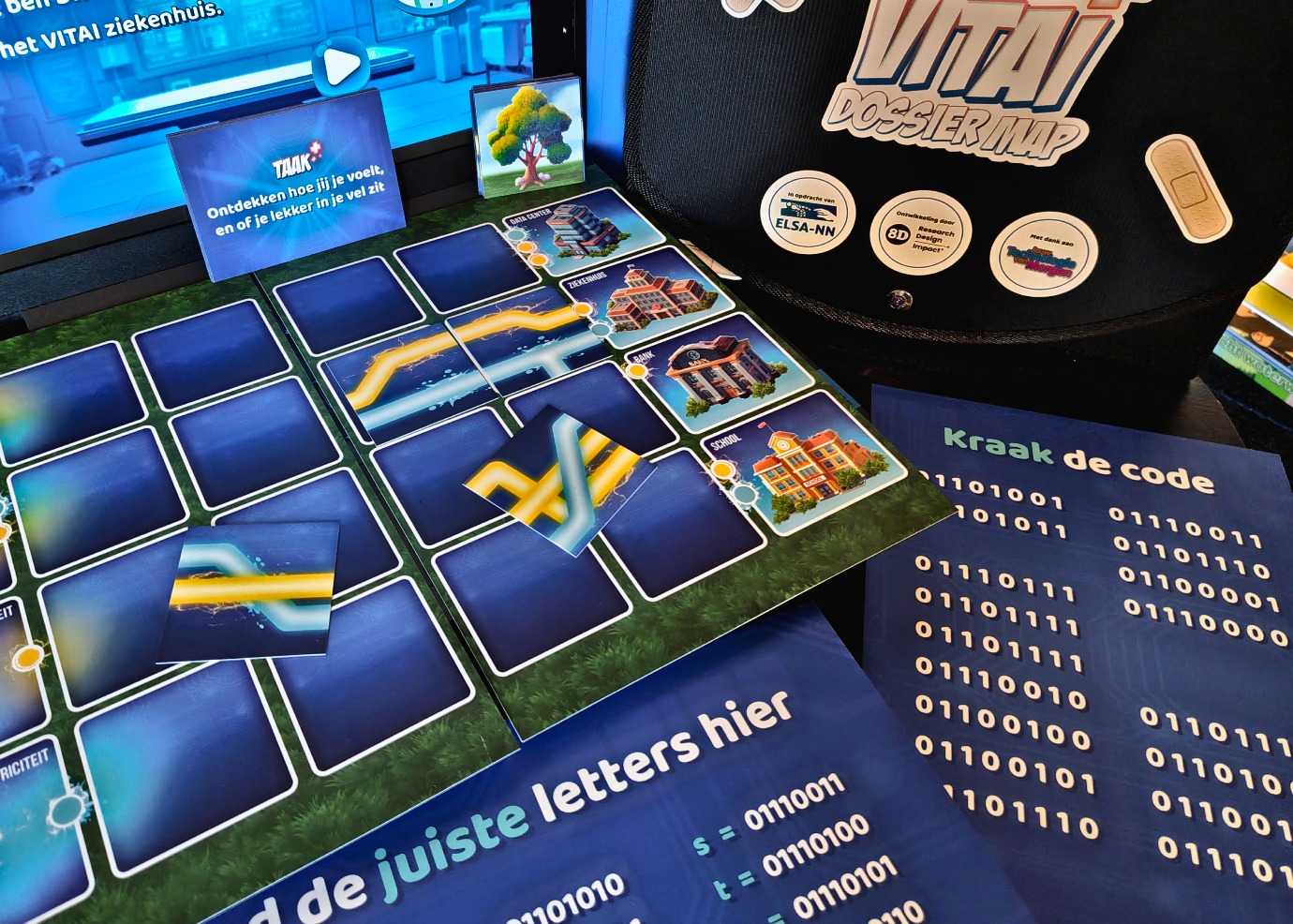
Through the new ‘serious game’, set in the fictional VITAI hospital, children learn about the influence of humans on artificial intelligence. At the House of Connections in Groningen, the first group of supervisors recently got to work with the game.
Artificial intelligence is widely used at VITAI Hospital, but recently things have been going wrong with the AI. This is the story of the serious game for children aged 10 to 15. The game is designed as an escape room, in which players help Dr. Sara get the hospital AI back on track. During the game, which is played both online and offline, children learn about the underlying choices involved in developing AI.
The game is now available and was developed on behalf of ELSA AI Lab Northern Netherlands (ELSA-NN), a centre of expertise dedicated to promoting the responsible development and implementation of AI in healthcare. ELSA focuses on ethical, legal and societal aspects (hence the name ELSA). Mirjam Plantinga, associate professor and project leader of ELSA-NN, explains that the game addresses ethical questions, such as what participating children think AI should or should not do. Children also learn about the differences between AI and other technologies. The role of the game supervisors is important: they guide the in-depth discussions that arise from the short game sessions.
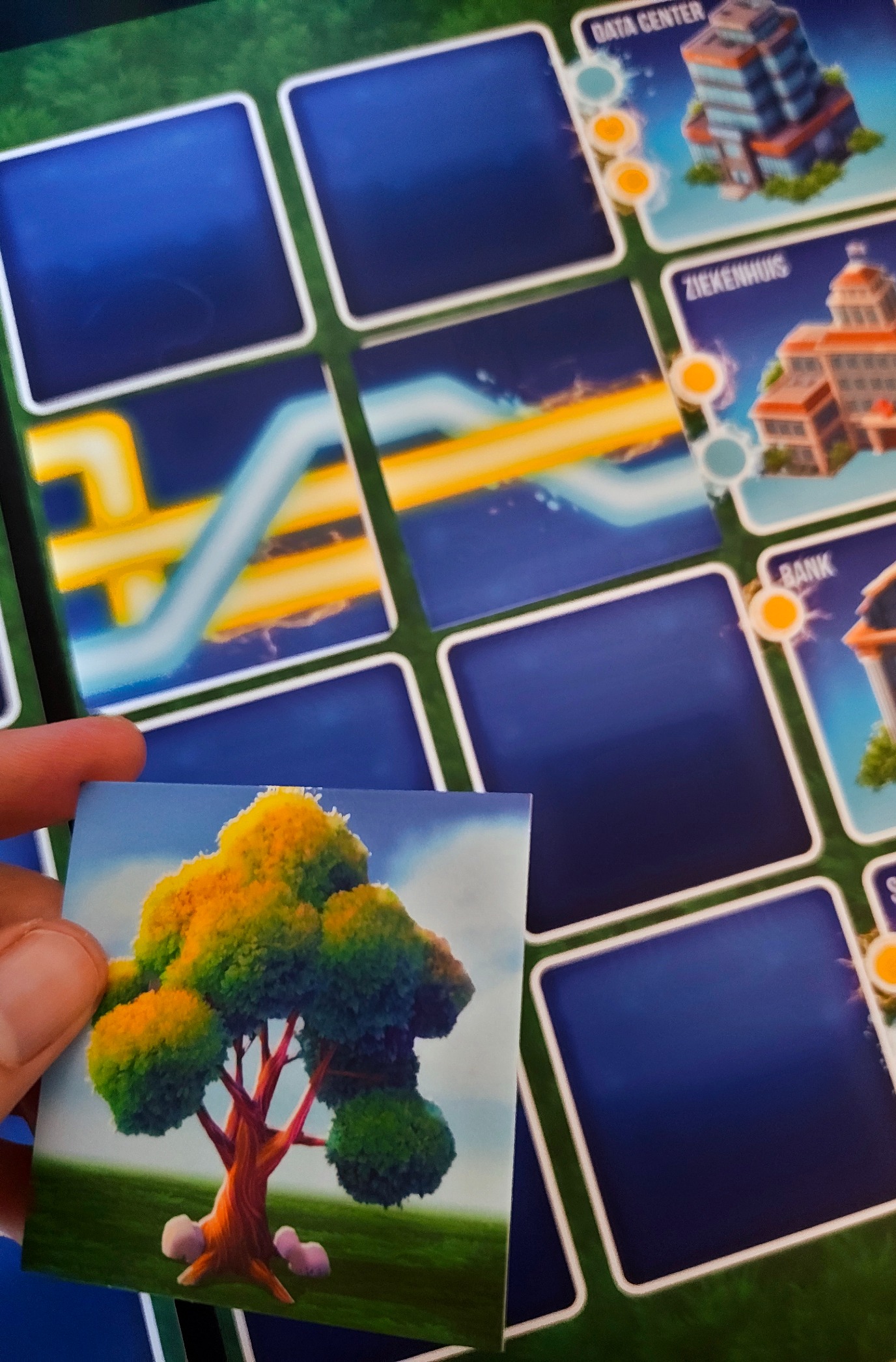
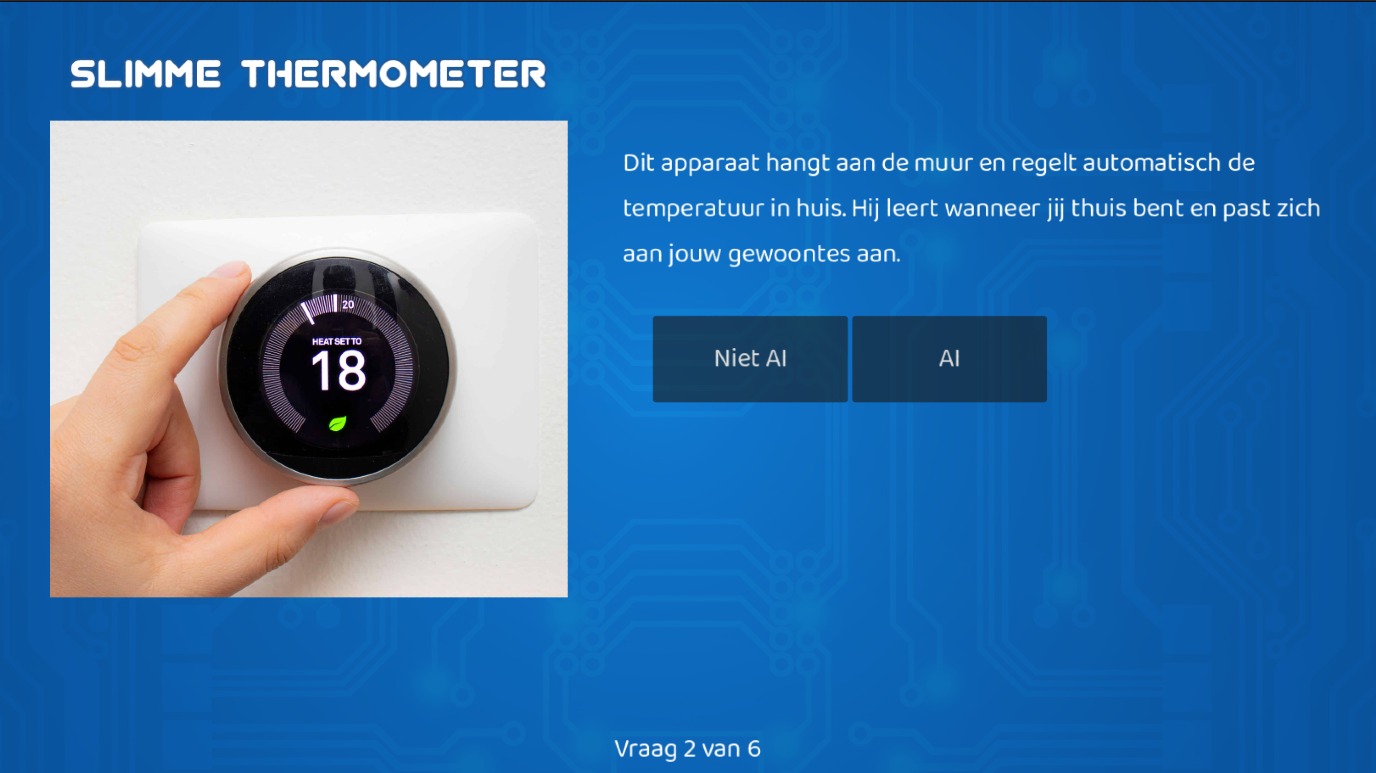
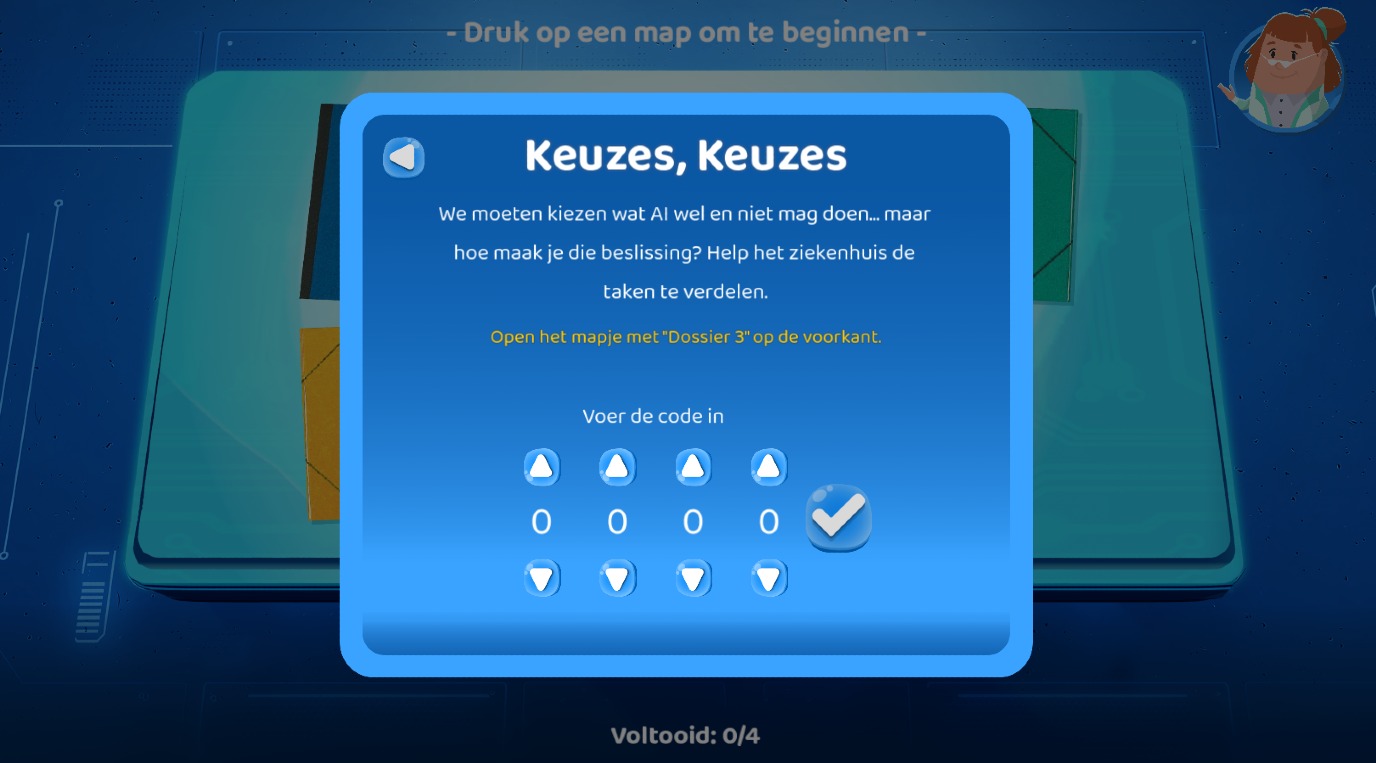
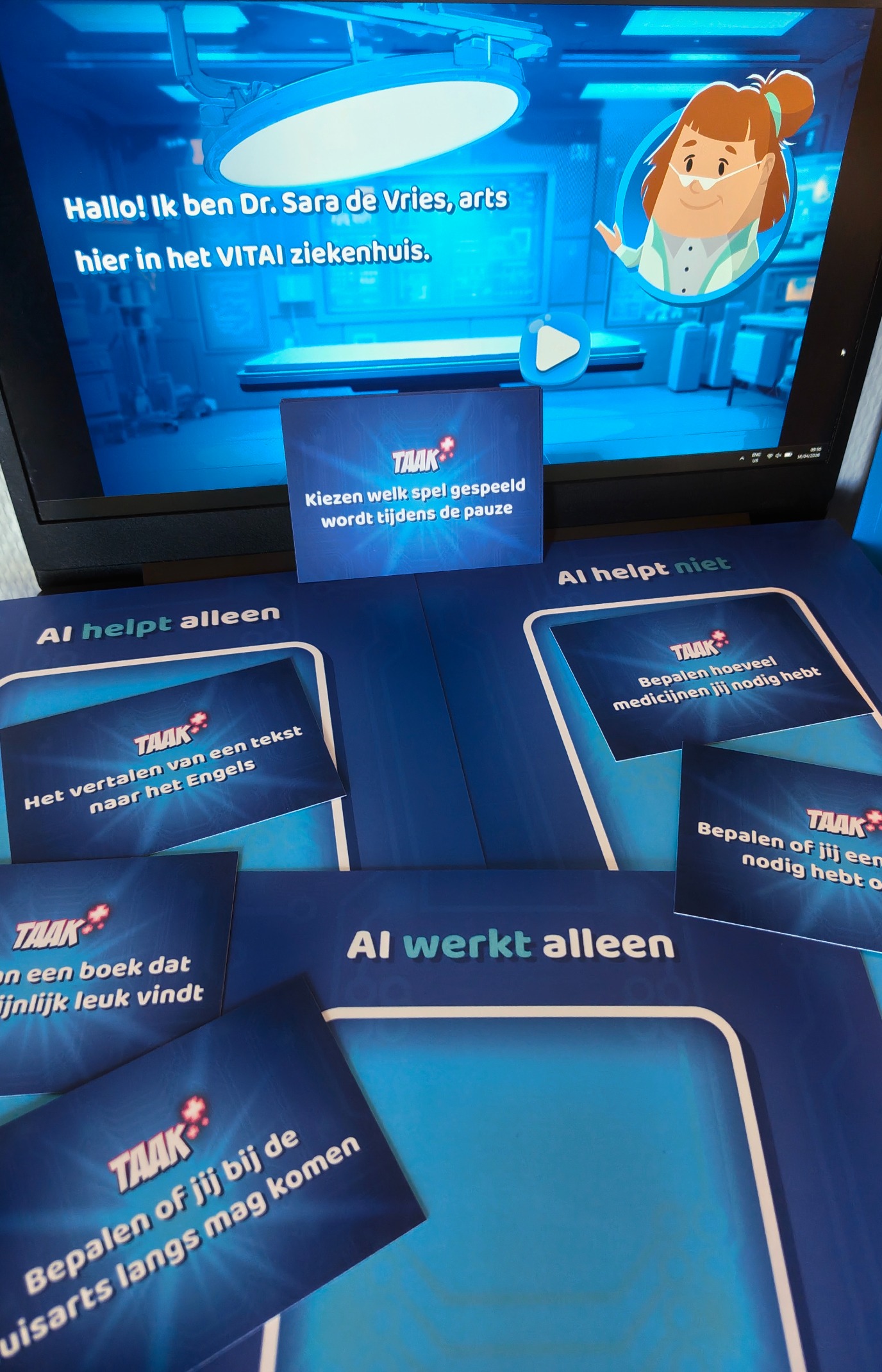
The game consists of a combination of online and physical modules. By solving various puzzles, students discover what went wrong with the AI in the fictional hospital. Bas Altenburg, project coordinator at 8D, the company that developed the game, emphasizes the importance of interaction during gameplay. ‘In this case, it was not about transferring as many facts as possible, because you could also make a flyer for that. It was about encouraging children to think critically about what AI is and what its impact is. A game is a great tool for this learning goal, because it is an active way to recognize patterns and connections, and to form an opinion through discussion with others.’
The game is deliberately aligned with children’s everyday experiences, he continues. ‘Fortunately, many children are not familiar with a hospital environment. That is why we do not focus on complex AI applications, such as analyzing X-rays. Instead, we connect to situations they do know, like visiting a general practitioner. At the same time, it remains essential that the game is fun to play, because our target audience is children.’
During testing, Altenburg discovered that children have plenty to say about artificial intelligence. ‘They truly have opinions about it, especially about what AI should or should not do. Children really engage with the topic.’ The main message of the game is that AI is human-made, he adds. ‘Developing and using AI involves making many choices. With this game, we want to make children aware of that.’
The Jantina Tammes School of Digital Society, Technology and AI is a partner of ELSA-NN and is involved in the development of VITAI. The game is now available for use on location. For more information or to request the game, please contact Mirjam Plantinga via m.plantinga@umcg.nl.
More news
-
19 October 2026
From research to business: RUG Ventures helps ideas move forward
-
-
03 September 2026
Ming Cao reappointed as scientific director of the Jantina Tammes School