

JTS Scholars
Muhamed Amin, PhD - University College Groningen
Prof. George Azzopardi - Faculty of Science and Engineering
Prof. Dr Kerstin Bunte - Faculty of Science and Engineering
Malcolm Campbell-Verduyn, PhD - Faculty of Arts
Dr Tommaso Caselli - Faculty of Arts
Dr Christos Emmanouilidis - Faculty of Economics and Business
Dr Marília Gehrke - Faculty of Arts
Dr Oskar Josef Gstrein - Faculty Campus Fryslân
Dr Bahar Haghighat - Faculty of Science and Engineering
Marvin Hanisch, PhD - Faculty of Economics and Business / University of St. Gallen
Dr Sasan Mansouri - Faculty of Economics and Business
Dr Esther Metting - Faculty of Medical Sciences
Dr Evgeni Moyakine - Faculty of Law
Prof. Dr Ir Peter van Ooijen - Faculty of Medical Sciences
Dr Mirjam Plantinga - Faculty of Medical Sciences
Dr Francesco Possemato - Faculty of Arts
Dr Manuela Ritondale - Faculty of Arts
Dr Dario Rodighiero - Campus Fryslân
Dr Joëlle Swart - Faculty of Arts
Dr Nynke Vellinga - Faculty of Law
Dr Herman Veluwenkamp - Faculty of Philosophy
Prof. Dr Bart Verheij - Faculty of Science and Engineering
Janina Wildfeuer - Faculty of Arts
Dr Kai Yu Ma – Faculty of Medical Sciences
Muhamed Amin, PhD - University College Groningen
Muhamed uses artificial intelligence, machine learning, and molecular modeling to study biological systems. His research focuses on understanding metalloenzymes by analyzing features from machine learning models that reproduce their biochemical properties. In addition to standard machine learning evaluation methods (such as cross-validation, accuracy scores, and confusion matrices), he uses quantum mechanical calculations to assess the predictions made by these models. He also develops scientific software in Python to simulate protein-laser interactions.
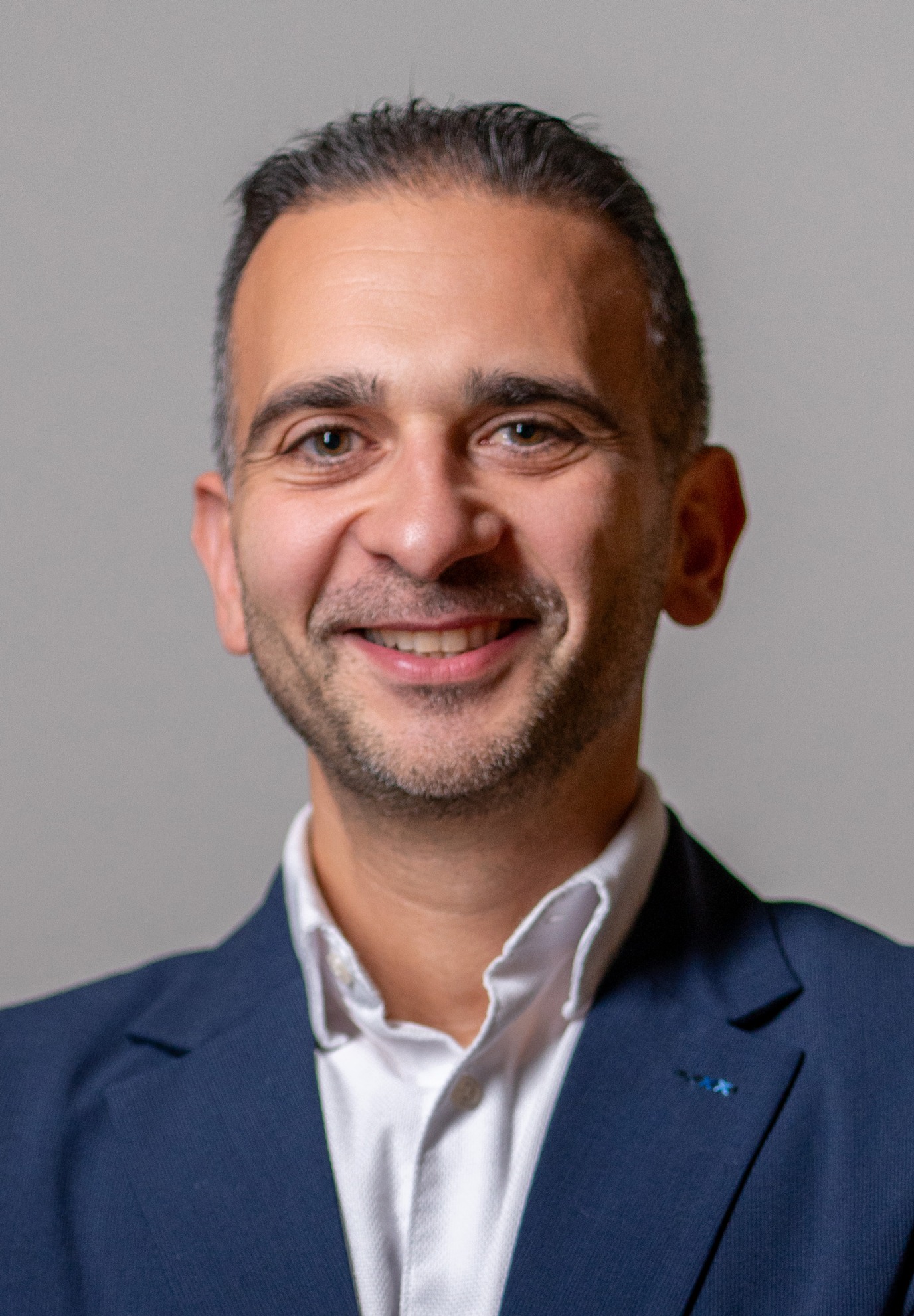
Prof. George Azzopardi - Faculty of Science and Engineering
George Azzopardi is Associate Professor in Pattern Recognition at the Bernoulli Institute of Mathematics, Computer Science and Artificial Intelligence at the University of Groningen. He leads the PRISMA research team (Pattern Recognition with and for Impact: Signals, Models and Applications), which focuses on the robustness of pattern recognition models and on approaches that achieve more with less data. His interdisciplinary research spans (bio)medical imaging and video analysis, public safety, and digital forensics.
He holds honorary academic positions at Stellenbosch University and the University of Malta. His scientific contributions have been recognised through the Ben Feringa Award in 2023 and the Enlight Impact Award in 2024.
Professor Azzopardi serves as Associate Editor for IEEE Transactions on Image Processing, Pattern Recognition, and Pattern Recognition Letters. He is also cofounder of ForensifAI, a University of Groningen spinoff that develops image authenticity tools aimed at countering deepfake misuse.
Within the Jantina Tammes School, he served as the first Applied AI Coordinator for two years until January 2026. He now chairs the Sub Saharan Africa for Research and Societal Impact of the University of Groningen and is a member of CoRE AI Africa. At the national level, he is appointed as a technical chair in the NWO Open Competition ENW, where he contributes to fair and consistent scientific assessment in the Netherlands.
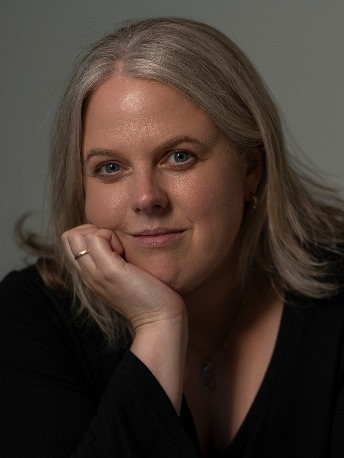
Prof. Dr Kerstin Bunte - Faculty of Science and Engineering
Kerstin Bunte is a professor of machine learning for interdisciplinary data science at the Bernoulli Institute for Mathematics, Computer Science and Artificial Intelligence at the University of Groningen. She received her Ph.D. in Computer Science in 2011 in Groningen, had 3 postdoctoral positions in Bielefeld University (Germany), Aalto University (Finland) and Université catholique de Louvain (Belgium). In 2015 she got an European Marie Skłodowska-Curie Fellowship (Project ID: 659104) at the University of Birmingham (UK) before joining the RUG in 2016 as Assistant professor and Rosalind Franklin Fellow. She was partner in the European ITN: SUNDIAL (721463), and node leader in DTN EDUCADO (101119830), as well as PI of an NWO VIDI, Smart Industry and HighTech industry projects.
Bunte's recent work has focused on the development of interpretable and/or efficient machine learning techniques for interdisciplinary data analysis with the principled inclusion of expert knowledge in form of dynamic models with applications in medicine, astronomy and smart industry.
Truly interdisciplinary work in academia and industry opens completely new ways of thinking, opening new horizons in a world that became more and more specialized and defined by siloed developments. As Jantina Tammes Scholar she will be an ambassador of interdisplinary data science in research and teaching, contributing with projects and her experience to the JTS's core mission. Further information can be obtained from http://www.cs.rug.nl/~kbunte.
Malcolm Campbell-Verduyn, PhD - Faculty of Arts
My research generally explores the intersections of digital technologies and global economic governance. In particular I research how artificial intelligence and blockchain technologies are reshaping global regulatory frameworks and financial systems. As JTS Scholar I will examine how these changes, and others like the growing use of synthetic data, are impacting (1) digital financial inclusion (2) socio-ecological sustainability and (3) data autonomy, as part of the editorial team of the Yearbook of Data Autonomy (YODA).
Dr Tommaso Caselli - Faculty of Arts
Tommaso Caselli is a Senior Assistant Professor at the Center for Language and Cognition Groningen (CLCG), Faculty of Arts, University of Groningen. His research focuses on Natural Language Processing, in particular event extraction and framing, as well as the detection and mitigation of hate speech and misinformation.
He is a co-founder of the Events and Stories in the News workshop series and co-editor of the volume Computational Analysis of Storylines (Cambridge University Press, 2021). He has organized several semantic evaluation campaigns for English, Dutch, and Italian, and has contributed to the development of linguistic resources for these languages. His work appears in major computational linguistics conferences and journals, and has received two Outstanding Paper Awards (COLING 2022 and ACL 2023).
From 2023 to 2025, he served as coordinator of the “AI and Language” theme within the Jantina Tammes School of Digital Society, Technology, and AI at the University of Groningen.
Dr Christos Emmanouilidis - Faculty of Economics and Business
Christos carries over 20 years of experience from positions in Industry, Academia, Research, & Innovation supporting organisations, and standardisation bodies, working at the intersection of engineering, computing and industrial management. He has had leading roles in projects related to Human-Centric AI & Cognitive Systems, Robotics & Automation, as well as Cyber-Physical Systems and Internet of Things Technologies to serve industrial application needs, most recently including the EU projects on Human-Centric AI STAR, HumAIne, AI4Work, SkillAIbility. He has Editorial appointments in several journals. He is vice-chair of IFAC's TC 5.1 Manufacturing Plant Control, chairing WG Advanced Maintenance Engineering Services and technology.
Dr Marília Gehrke - Faculty of Arts
Marília Gehrke is an Assistant Professor of Media and Journalism Studies at the University of Groningen, and she is also the creator of the crowdsourced initiative Forced to Quit, which aims to map women in politics, journalism, and activism who had to leave the public sphere due to violence. This project is an outcome of the Jantina Tammes School Early Career Prize 2024. Gehrke’s research interests are gendered disinformation, fact-checking, AI/data journalism, and transparency. Previous fellowships include the Digital Democracy Centre (DDC) at the University of Southern Denmark, where she worked as a postdoctoral researcher in the Trust and News Authenticity Project, and the Weizenbaum Institute in Germany, in the Platform Algorithms and Digital Propaganda research group.
Dr Oskar Josef Gstrein - Faculty Campus Fryslân
Mag. Dr Oskar Josef Gstrein, LL.M. (he/him) is Associate Professor at the interdisciplinary Faculty Campus Fryslân. He is also Programme Director of the BSc Data Science & Society, Scholar on 'Data Autonomy' at the Jantina Tammes School of Digital Society, Technology and AI, and Member of the University of Groningen Alliance for Digital Autonomy (ADA).
In his research he explores the transitions from (e.g. legal/ethical/policy) principles to concrete legal or governance frameworks in the areas of artificial intelligence and digital autonomy. His research also covers the topics data protection, value-based digital infrastructure, and security related research.
Oskar joined the University of Groningen to work with the first UN Special Rapporteur on the right to privacy on aspects related to internet governance. His teaching is inspired by a contemporary interpretation of the Humboldtian model of higher education.
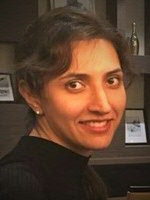
Dr Bahar Haghighat - Faculty of Science and Engineering
Bahar Haghighat is a Tenure Track Assistant Professor of Robotics and Automation at the Engineering and Technology Institute Groningen (ENTEG), where she leads the Distributed Autonomous Intelligent Systems (DAISY) Lab. Her research focuses on the design, coordination, and application of robot swarms, integrating methods from embedded systems, distributed control, and artificial intelligence. Her work addresses domains such as infrastructure inspection, environmental sensing, and autonomous exploration. Dr. Haghighat holds a dual degree in Electrical Engineering and Physics from Sharif University of Technology in Iran and received her Ph.D. in Robotics, Control, and Intelligent Systems from the École Polytechnique Fédérale de Lausanne (EPFL) in Switzerland. She subsequently held postdoctoral positions at Harvard University and Princeton University in the field of multi-robot systems. She has been recognized as a Rising Star in Electrical Engineering and Computer Science by MIT (2021) and the University of Illinois Urbana-Champaign (2019), and is a recipient of several research honors, including the EPFL Gilbert Hausmann Doctoral Research Award (2019), two postdoctoral fellowships from the Swiss National Science Foundation (2017, 2019), and the NWO TTW/AES Vidi (2025).
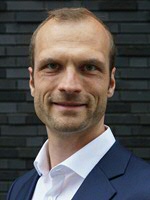
Marvin Hanisch, PhD - Faculty of Economics and Business / University of St. Gallen
Marvin Hanisch is an Associate Professor in the Department of Innovation Management & Strategy (FEB), and Full Professor of Management at the University of St.Gallen. His research investigates organisational leadership and governance challenges arising from discontinuous technological changes and digital transformation. Utilising both quantitative and qualitative methods, he examines how emerging technologies—specifically blockchain networks, artificial intelligence (AI), and digital platforms—reshape interorganisational collaboration and virtual communities. A central focus of his work is the concept of digital governance, exploring how algorithmic protocols facilitate or hinder effective collaboration between individuals and organisations. Recognised as a leading scholar in his field, Dr. Hanisch was ranked in the 2025 Economenparade as one of the most productive young economists in the Netherlands. His accolades also include several international best paper awards and the JTS Early Career Researcher Prize (2023).
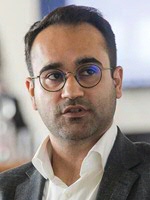
Dr Sasan Mansouri - Faculty of Economics and Business
Sasan Mansouri is Assistant Professor of Digitalization and AI in the Department of Accounting and Auditing at the University of Groningen. He earned his PhD in Economics from Goethe University Frankfurt and holds a junior researcher affiliation with the Halle Institute for Economic Research’s Data Science in Financial Economics group. Dr Mansouri’s work spans three interrelated streams: (1) AI applications in capital markets, where he uses explainable machine learning and natural language processing to dissect corporate disclosures and the influence of equity analysts and business media; (2) the organizational and behavioral dimensions of AI adoption, examining how firms integrate algorithmic tools into finance and accounting workflows; and (3) algorithm aversion, studying the conditions under which managers and investors trust—or reject—AI-driven insights. His papers have appeared in Management Science and the Journal of Business Venturing. In teaching, he leads courses on data analytics and AI for accounting and finance, embedding hands-on machine learning projects into both bachelor’s and master’s curricula.
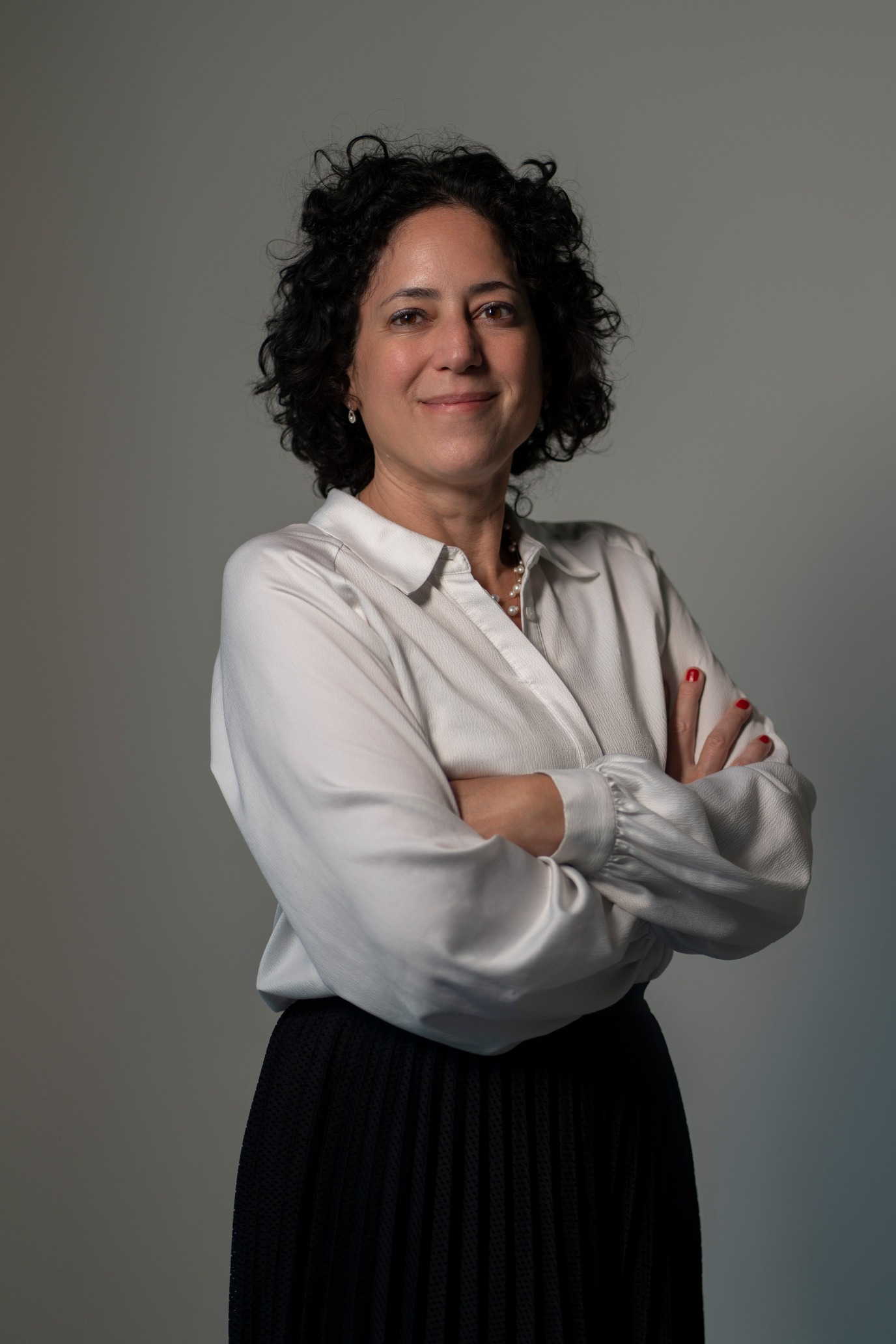
Dr Esther Metting - Faculty of Medical Sciences
Dr. Esther Metting’s research focuses on making digital healthcare more accessible and valuable on regional, national, and international levels. Combining clinical, behavioral, and implementation research, she collaborates across disciplines to drive innovation. By engaging directly with end users—including those with limited digital skills—through interviews, focus groups, and observational studies, she tackles digital inequalities in healthcare. Internationally, she explores cultural differences in technology acceptance, adapting digital care to diverse contexts. Her work bridges global insights with local impact, ensuring that digital healthcare solutions are both effective and inclusive, addressing the needs of diverse populations and reducing healthcare disparities.
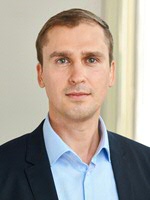
Dr Evgeni Moyakine - Faculty of Law
Evgeni Moyakine is an Associate Professor IT Law at the Department of Transboundary Legal Studies of the Faculty of Law. He specializes in cybersecurity, data protection, state responsibility, the law of armed conflict and telecommunications law and investigates the complex yet highly fascinating intersection between technology, policy and law. More specifically, his ongoing research delves into the challenges of cyber attribution and assigning responsibility to states embarking upon offensive cyber operations that violate international law. In addition, it explores the application of AI in enhancing the security of network and information systems in conformity with applicable legal and technical standards.
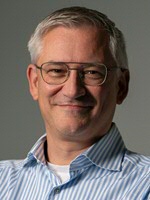
Prof. Dr Ir Peter van Ooijen - Faculty of Medical Sciences
Peter van Ooijen is an experienced professional in the field of medical imaging and health informatics, working at the University Medical Center Groningen (UMCG). Over the past 20 years, he has contributed to both research and education in radiology and informatics, publishing more than 120 articles in international journals. Peter van Ooijen is actively involved in organisations such as the European Society of Medical Imaging Informatics (EuSoMII), ESR, ESTRO, and ESAIH. He is a senior member of the IEEE. He has supervised over 15 PhD students and participates in several European research projects focused on healthcare innovation and data-driven technology. Through his work, Peter aims to improve the application of imaging and informatics in clinical practice, always placing collaboration and practical solutions at the forefront.
He previously held the position of Theme Coordinator Digital Healthcare at the Jantina Tammes School and is currently also a member of its advisory board.
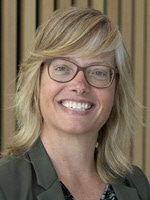
Dr Mirjam Plantinga - Faculty of Medical Sciences
Mirjam Plantinga is associate professor responsible data driven healthcare innovation at the department of genetics and the Data Science Center in Health (DASH) of the UMCG and project leader of the ELSA AI lab Northern Netherlands (ELSA-NN). ELSA-NN aims to foster responsible AI in health, prevention and care. As an JTS scholar Mirjam will contribute to JTS’s mission by initiating or working together in various projects (such as the ‘Your technology of Tomorrow’ educational program), enhancing the awareness of and knowledge about Ethical, Legal and Societal Aspects (ELSA) of AI and bringing people together who work on responsible innovation of AI. In doing so, Mirjam will include a particular focus on public engagement.
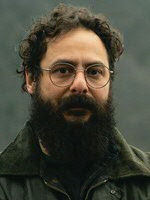
Dr Francesco Possemato - Faculty of Arts
Francesco Possemato is Assistant Professor in Language and Social Interaction at the University of Groningen / Center for Language and Cognition Groningen. His research, grounded in Multimodal Conversation Analysis and Interactional Linguistics, addresses language use in social interaction across various contexts. Francesco has worked on the Conversational Interaction in Aboriginal and Remote Australia (CIARA) project (Macquarie University, University of Melbourne, University of Queensland) and served as a Postdoctoral Associate in the Communication and Assistive Device Laboratory (CADL) at the State University of New York (SUNY) at Buffalo, where he currently holds a position as Research Professor. He is also an Honorary Research Fellow at Macquarie University. His work focuses on the real-time adaptations of fundamental interactional structures, particularly in technologically mediated environments. As a JTS scholar, Francesco aims to advance the ethical and effective design of conversational AI, developing interactionally grounded solutions to communicative challenges - especially for individuals with complex communication needs - with a focus on the impact of technology on temporality and intersubjectivity.

Dr Manuela Ritondale - Faculty of Arts
Dr. Manuela Ritondale is a postdoctoral researcher in Digital Heritage at the Groningen Institute of Archaeology, with a background in maritime archaeology and ancient history. She holds a double doctorate in Cultural Heritage Management and Mediterranean Archaeology. Her research focuses on archaeological predictive modelling, digital strategies for cultural heritage, and innovative applications of GIS within the humanities. Dr. Ritondale has also contributed to immersive maritime heritage projects and has examined digital challenges in cultural institutions. Her current work also explores the ethical and long-term impacts of digital heritage.

Dr Dario Rodighiero - Campus Fryslân
Dario Rodighiero is an Assistant Professor of Science and Technology Studies at the University of Groningen, specializing in data and visual literacy. He coordinates the Data Wise minor, introducing students to applied data science for real-world challenges, and teaches in the Bachelor’s program in Data Science and Society. His research focuses on mapping digital archives to understand cultural and scientific dynamics, bridging critical data studies, digital humanities, and knowledge design. Affiliated with Harvard University, he contributes to metaLAB and the Berkman Klein Center for Internet & Society. His book, “Mapping Affinities: Democratizing Data Visualization,” explores innovative approaches to visualizing social dynamics.
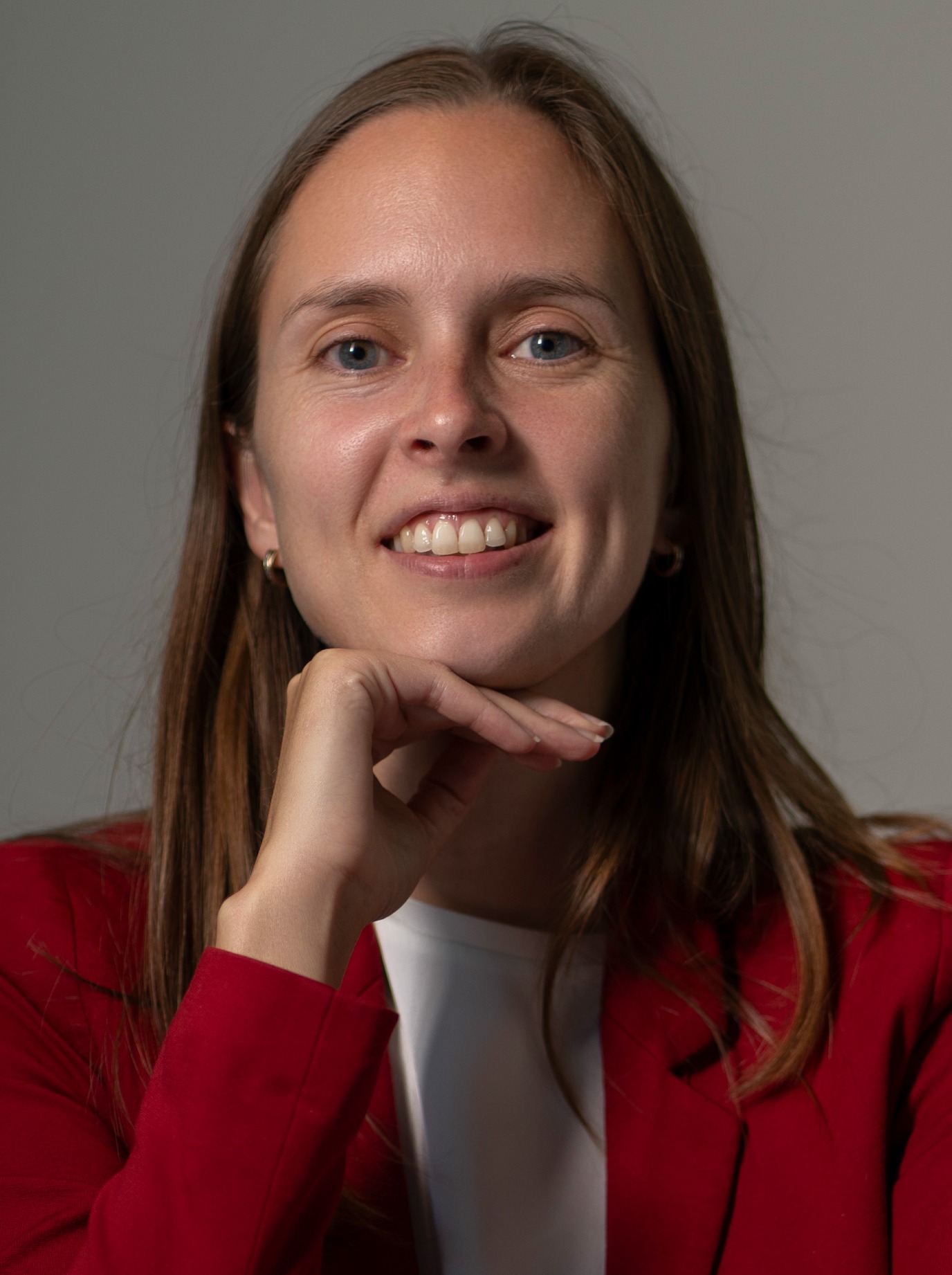
Dr Joëlle Swart - Faculty of Arts
Joëlle Swart is a Senior Assistant Professor at the Center for Media and Journalism Studies (CMJS), Faculty of Arts, University of Groningen. Her research focuses on changing everyday media use and how citizens develop knowledge, skills and habits in a digital environment, with a focus on news and journalism. In these projects, she often collaborates with news organizations, schools, libraries, childcare organizations and other societal partners.
Joëlle is a member of the editorial board of Digital Journalism. Her work has been published widely in international journals such as New Media & Society, the International Journal of Press/Politics and Social Media + Society. Currently, Joëlle leads the NKO-funded project ‘News that matters’ with Noorderpoort and local broadcasters OogTV and RTV1, on the news literacy development of youth in vocational education.
From 2023 to 2025, she served as coordinator of the “Digital Inclusion and Digital Literacy” theme within the Jantina Tammes School of Digital Society, Technology, and AI at the University of Groningen.

Dr Nynke Vellinga - Faculty of Law
Dr. Nynke Vellinga is a senior researcher at the STeP research group at the Department of Transboundary Legal Studies of the Faculty of Law. Nynke works on new technological developments, such as Artificial Intelligence (AI), and the legal challenges these developments pose to the legal framework. Her research focuses on the legal aspects of technological developments in the mobility sector, i.e. automated driving, and the legal challenges concerning the use of AI in the medical sector. Nynke is a member of the Young Academy Groningen (YAG) and a research fellow at the Information Society Law Center (ISLC), University of Milan.
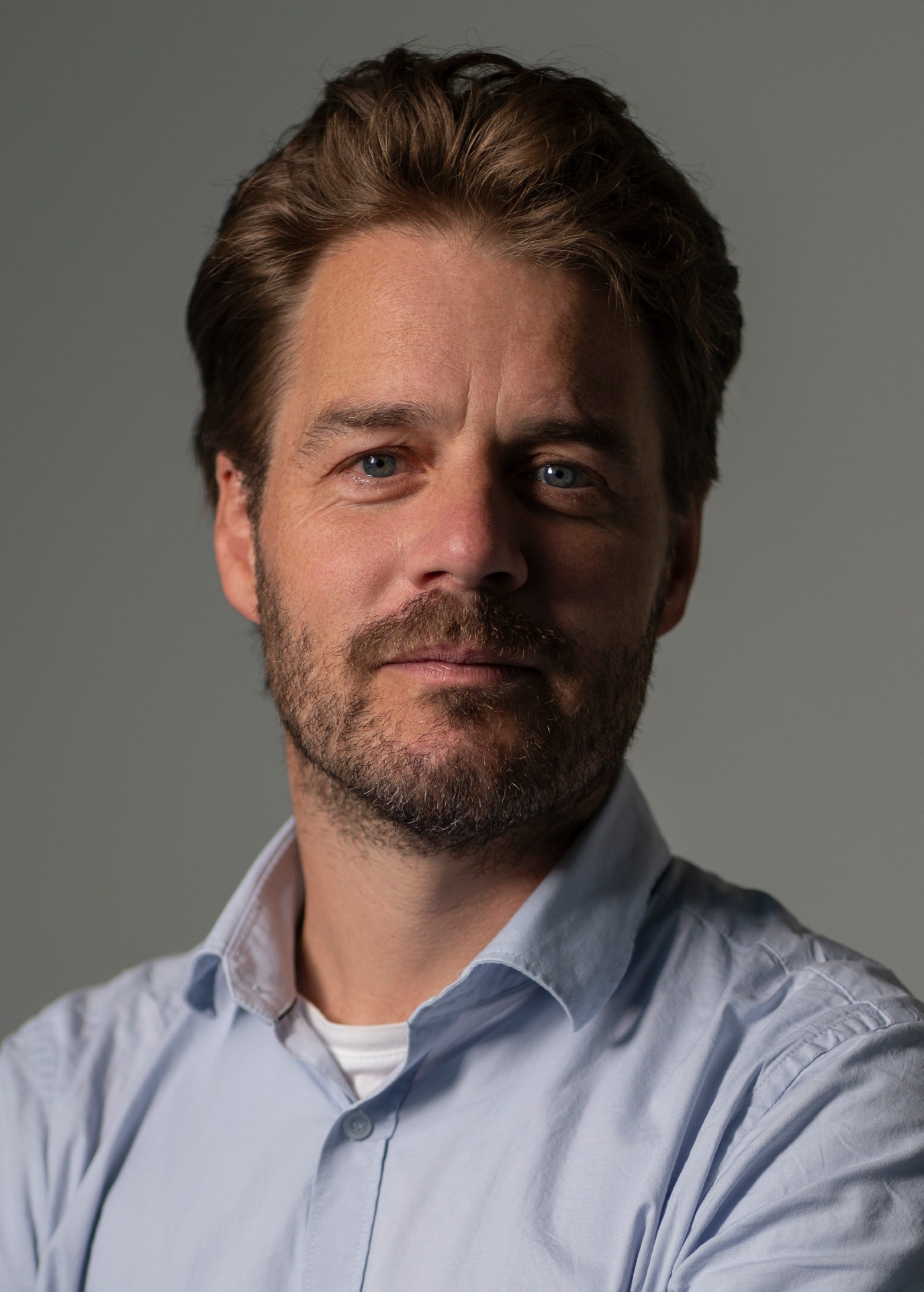
Dr Herman Veluwenkamp - Faculty of Philosophy
Herman Veluwenkamp is an Assistant Professor in Normative Ethics and the Digital Society at the University of Groningen. He completed his PhD at the same institution and did a post-doc at the TU Delft. His research engages with questions at the intersection of technology, society, and morality, exploring conceptual engineering, value-sensitive design, meaningful human control, and responsibility gaps. Herman also has a background in philosophy and computer science, and actively contributes to policy-making by serving on the Ethics Committee for Data and Technology for the city of Groningen and collaborating with the Centre for Meaningful Human Control.

Prof. Dr Bart Verheij - Faculty of Science and Engineering
Bart Verheij's research focuses on the design of responsible artificial intelligence using an argumentation perspective. In his approach, responsible artificial intelligence requires the development of hybrid argumentation systems in which humans and machines interact in a critical discussion based on reasonable arguments. To achieve this vision, he works on new AI methods that combine data, knowledge, reasoning and language. Much of his research takes inspiration from the domains of law and evidence. Bart Verheij is professor of artificial intelligence and argumentation at the Bernoulli Institute of Mathematics, Computer Science and Artificial Intelligence, Faculty of Science and Engineering.
Dr Janina Wildfeuer - Faculty of Arts
Janina Wildfeuer is Associate Professor in Communication and Information Studies and a multimodalist with more than 15 years of experience in working with (audio-)visual communication. Her research focuses on the multimodality of language and communication – a field that has gained increasing importance in the last three decades. As head of JTS’ Multimodality and AI group, Janina studies the intricacies of human communication on both quantitative and qualitative levels with theoretical and empirical output. A central aim is to enrich artificial intelligence research by a nuanced understanding of the complex communication processes and problems in our society.
Dr Kai Yu Ma – Faculty of Medical Sciences
Kai Yu Ma is a lecturer at the UMCG and an AI enthusiast. He explores the integration of AI – particularly large language models - into higher education. His focus is how we, as students, educators, and policy makers, should approach these powerful tools that appear capable of so much. He spends most of his time developing and delivering lectures, workshops and other educational content on AI literacy. In addition, he develops educational tools such as AI chatbots and smart feedback systems, grounding their development in educational theory. His research investigates whether these tools effectively support the learning process. Kai believes that the challenges posed by tools like ChatGPT - such as concerns around academic dishonesty – are nothing new to education. In fact, he sees them as potential catalysts for meaningful improvement in the educational system.