


A sense of purpose matters for students during the transition to university
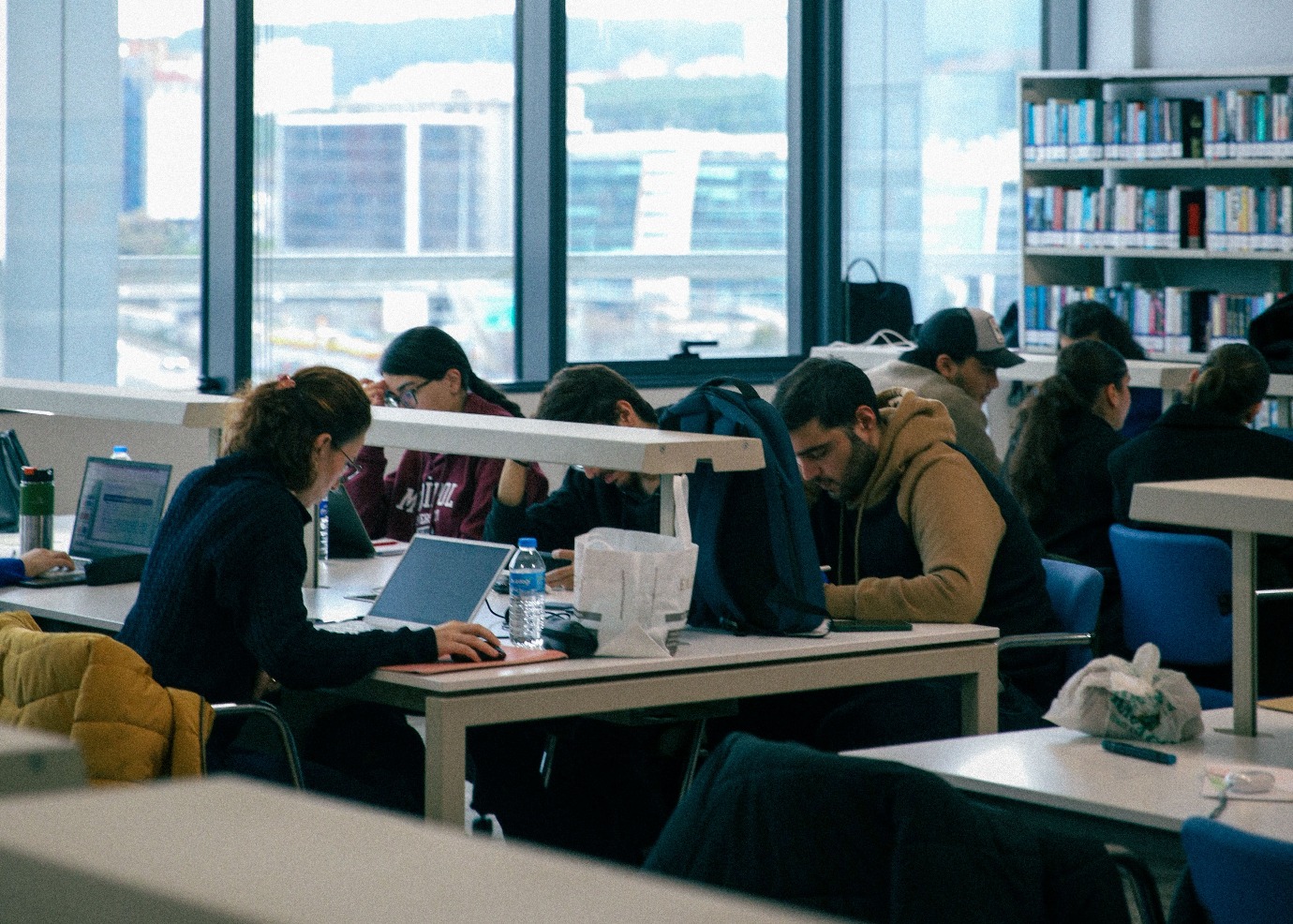
First-year students with a stronger sense of purpose in life are more likely to pursue their academic goals because they genuinely want to. This may help explain their healthier passion for studying, more positive academic emotions and greater willingness to participate actively in learning, according to two studies involving around 380 students.
The transition to university is different for every first-year student. While some embrace their new lives with curiosity and enthusiasm, others struggle to find their feet. A sense of purpose may make a difference, according to research by Simon Dalley and Stacey Donofrio.
The researchers conducted two separate studies, one year apart, involving approximately 380 first-year university students in total. Both took place at the beginning of the first semester. Students completed questionnaires about their sense of purpose in life, identified their academic goals and explained why they were pursuing them. They also reported their passion for studying. Students who experienced a stronger sense of purpose were more likely to choose study goals that aligned with their own beliefs and values, rather than goals they felt pressured to pursue
This is associated with what the researchers call ‘harmonious passion’: a healthy commitment to one's studies, in which studying is important but does not come at the expense of other aspects of life. Across both studies, students with a stronger sense of purpose were more likely to pursue their academic goals because they genuinely wanted to. This motivation was, in turn, associated with greater harmonious passion: a healthy, balanced enthusiasm for studying that fits alongside other important aspects of life.
The same psychological pathway helped explain two different outcomes: more positive emotions about studying in the first study, and a greater willingness to engage actively in learning in the second, particularly by asking questions, sharing ideas and challenging assumptions. The researchers emphasise that these findings demonstrate associations rather than cause-and-effect relationships
The findings suggest that universities could support first-year students by incorporating reflective activities into their programmes
These could encourage students to explore what matters to them in life and how to connect their academic goals with their broader sense of purpose. Further research is needed to determine whether such activities actually increase students’ enjoyment and engagement.
More news
-
-
19 October 2026
From research to business: RUG Ventures helps ideas move forward
-
03 September 2026
Ming Cao reappointed as scientific director of the Jantina Tammes School