

New Beginnings: The Potential of Citizen Energy in the Netherlands
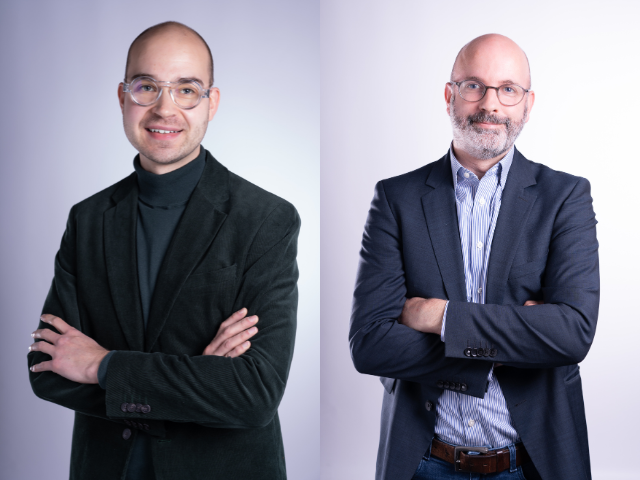
Recently, FEB researchers Björn Mitzinneck and Florian Noseleit published a report that maps potential pathways for Community-based enterprises (CBEs) in the energy transition across Dutch municipalities.
CBEs are ventures that are co-owned and co-governed by local communities, such as citizen energy initiatives (energy cooperatives and collective heat grid initiatives). Other examples include community supported agriculture projects, communal village stores, or cooperative sustainable tourism ventures. By enabling residents to have a personal (financial) stake in these ventures, they ensure that economic value created also stays in the region. Moreover, by involving community members in the governance and decision-making processes, they foster social acceptance for innovative technologies and projects.
Nij Begun
“Our research focuses on community-based entrepreneurship (CBE), specifically under what local conditions such participatory venturing can be impactful and propel the energy transition. The collective ventures not only promote sustainable energy, but also create many more local benefits – in line with ‘breede welvaart’. These initiatives can thus also help address regional disparities in the Northern Netherlands and be relevant to the Nij Begun ("New Beginning") program”, Mitzinneck explains. “We see that CBEs in the energy transition can drive local wealth creation, social acceptance, and citizen participation.”
“The Northern Netherlands faces unique economic and social challenges compared to other regions. Nij Begun aims to bridge these gaps, and we saw an opportunity to investigate how community-driven ventures could play a pivotal role. By keeping value local and empowering residents, CBEs offer a promising alternative to traditional business or state-led interventions, especially where social acceptance and citizen engagement are critical.”
Local conditions critical
Their research reveals that there is no one-size-fits-all approach for starting a successful CBE. Instead, what approach is most promising depends on local conditions—such as resource availability, social trust, and access to finance. For example, in the Northern Netherlands, community biogas and heat projects show strong potential in agricultural areas like Groningen and Friesland, but they may need targeted support (e.g., demonstration projects, revolving funds) to take off.
The findings suggest further that public actors (like governments and regional programs) can support CBE success by addressing "missing links"—such as legitimacy, access to finance, or knowledge gaps. For instance, Nij Begun could support pilot projects, knowledge hubs, and financial tools to normalize cooperative models. This approach isn’t limited to energy; it could apply to other sectors (e.g., agriculture, tourism) if adapted to their specific needs.
CBEs are more than business ventures—they strengthen social cohesion, democratic decision-making, and local resilience. In regions like the Northern Netherlands, where trust in top-down solutions may be low, CBEs offer a way to involve and empower citizens directly in shaping their future. This is especially vital for transitions like renewable energy, where public acceptance is key.
Social acceptance
Mitzinneck and Noseleit recall an important insight from their research. “Even in regions with high resource potential (e.g., wind energy in the North), social acceptance remains a bottleneck. Tools like peer visits to co-owned wind turbines or open days can significantly reduce perceived risks and boost engagement. This highlights the importance of local, hands-on experiences in building trust.”
While the report is focused on the potential of CBEs in the energy transition, the diagnostic approach used may be transferable to other sectors - as long as the enabling conditions and success metrics are adapted to that sector.
For more information, please contact Björn Mitzinneck or Florian Noseleit.
The full report is freely accessible here. The report is available in both Dutch and English.