Women and Girls, Education and Work in Uganda's Complex Context
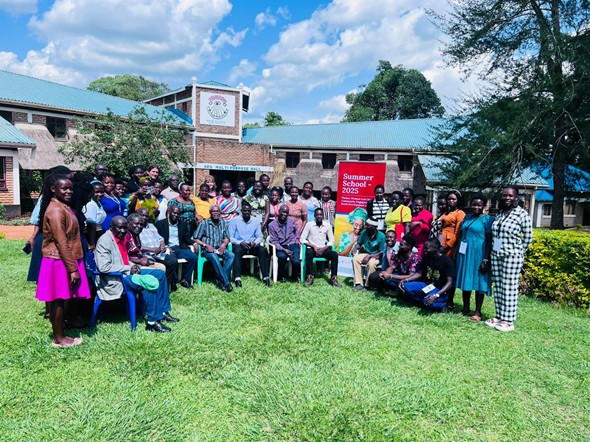
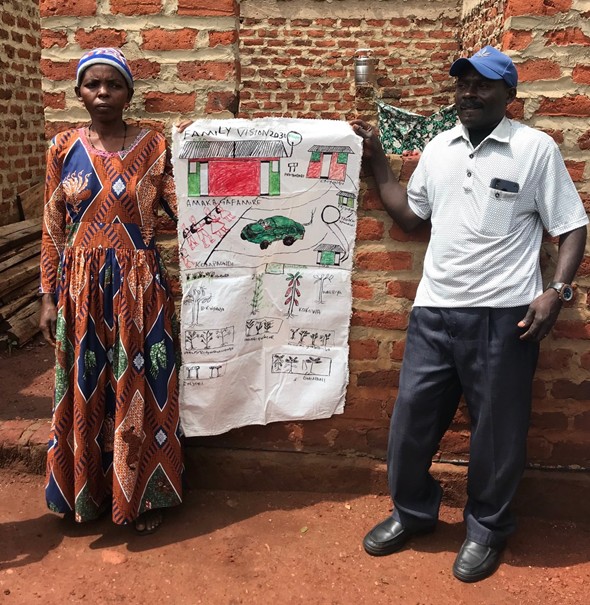
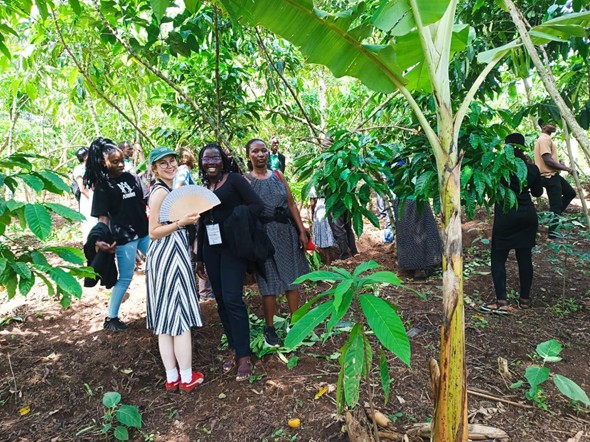
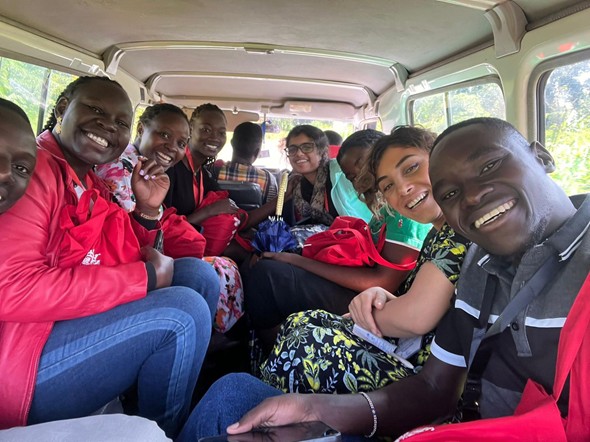
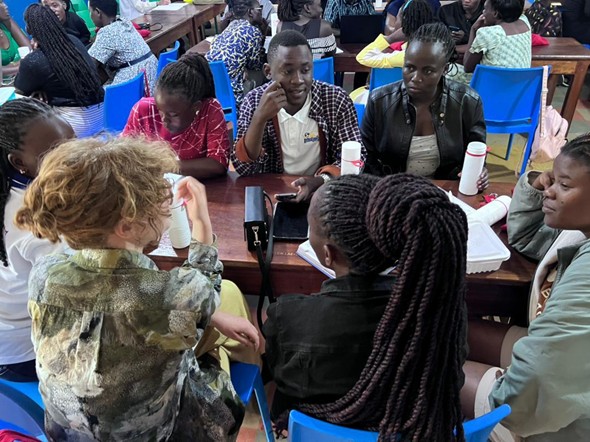
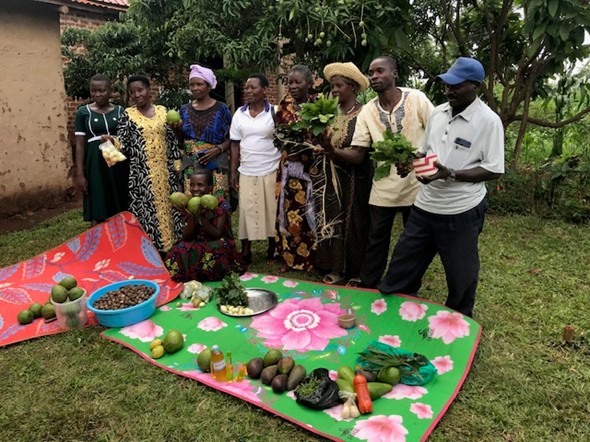
The transition from education to work is not straightforward for girls and women, especially in Uganda and similar contexts. Girls and women juggle triple roles in life: in work, family, and society. Education should not only prepare them to work but also to lead a healthy family and contribute to society as active citizens.
How are they prepared to play these roles? Do they learn how to develop a career, do they learn about reproductive health, are they invited to contribute to the community? Are developments such as digitalisation and lifelong learning taken on board? What can we learn from their life stories? How can Participatory Action Research serve to develop appropriate support? This summer school will explore these and more questions and dilemmas.
This summer school is following up on the previous one on Women-Led Change: Community Engagement and Rural Development in Uganda at African Rural University (ARU). ARU is an all women university which implements a unique transformative curriculum driven by a visionary approach and practice-based pedagogics. From the very start of their studies, students are trained to play a role in the community. ARU is part of a larger educational institute also comprising primary and secondary education.
This is the perfect environment to jointly explore our theme in on-campus sessions and fieldwork in the surrounding communities. We will collect life stories of girls and women and reflect on them to analyse and collectively design ways in which education can support their development in a meaningful way.
Read the Reflective Magazine that was created following the 2025 edition of the summer school.
Practical information
|
Dates & location
|
15 – 22 July 2026, African Rural University (ARU), Kagadi, Uganda
Please be aware that you will need to account for extra traveling time of 1/2 days ahead and 1/2 days after the summer school. There will be a bus taking you from Entebbe/Kampala to Kagadi and back. This is a journey of around six hours. |
|
Level
|
Minimum 3rd year Bachelor |
|
Fee
includes lunch, coffee, tea, local transportation |
€ 650 for international participants (reduced fee for participants from UG and partner universities).
The fee includes the summer school programme, meals, coffee, tea, and local transportation NB Participants need to finance their own accommodation. The summer school organisation will offer some affordable possibilities (at between 2 and 25 euros per night) in or near the university campus and can make arrangements for your stay. |
|
Academic coordinator
|
Josje van der Linden, UNESCO Chair holder Lifelong Learning, Youth and Work, Gulu University, Uganda, University of Groningen, the Netherlands |
|
Contact
|
Josje van der Linden (c.j.van.der.linden@rug.nl)
Yewsummerschool@rug.nl |
Requirements
The summer school is designed for students, lecturers, researchers, practitioners (of any gender).
It is expected that the participants have a sufficient command of the English language to actively participate in the discussions and to present their own work in English.
Learning outcomes
Learning outcomes
After completing the summer school, the participants will be able to:
-
Formulate contextualised insights on Women and girls education-work transition in Uganda;
-
Demonstrate participatory action research fieldwork and communication practices in respect to women and girls education and work.
-
Interact meaningfully with fellow participants from different (cultural) backgrounds
Workload
Preparation: 6 hours (preparing and attending 2 online sessions)
Lectures, group work, field work: 42 hours (5 full days)
Presentations: 8 hours (1 full day)
Upon successful completion of the programme, the Summer School offers a Certificate of Attendance that mentions the workload of 56 hours (28 hours corresponds to 1 ECTS). Students can apply for recognition of these credits to the relevant authorities in their home institutions, therefore the final decision on awarding credits is at the discretion of their home institutions. We will be happy to provide any necessary information that might be requested in addition to the certificate of attendance.
Course schedule
Speakers
Confirmed speakers
Josje van der Linden
Josje van der Linden is lecturer and researcher at the University of Groningen. Her research interests encompass the area of lifelong learning, vocational education and workplace learning for adults and youth in the Netherlands and in Africa with special attention to youth, education and work in (post-)conflict areas. Dr. van der Linden is appointed as UNESCO chair holder on Lifelong learning, youth and work at Gulu university in Gulu, Uganda.
Robert Jjuuko, PhD
Dr Robert Jjuuko is a Ugandan development consultant, educationist and researcher on youth education-work transition, adult education policy & financing, and vocational education & training. Robert has more than 17 years of experience of theory and practice with a good contextual understanding of issues and trends in the field of education and development in sub-Saharan Africa. He is a passionate scholar of agency in the context of youth transition, transformative education and social change. During the previous summer episodes, Robert is always excited to facilitate learning and reflections on (social) capitals and their influence on the education-work transition of individuals.
More speakers will shortly be added.
Application procedure
How to apply?
To apply, kindly fill out the online application form. Please include the following documents with your application:
-
CV (max 2 pages)
-
Letter of motivation, explaining what you hope to learn during the summer school and why this will be important for your academic ambitions (max 1 page)
The deadline for applying is 1 May 2026. Selection will take place on a rolling-basis.
For some more information on the programme, visit the summer school's social media!
Instagram: @summerschooluganda
Facebook page: Summer School 'Youth, education and work in post-conflict areas.