Things That Matter
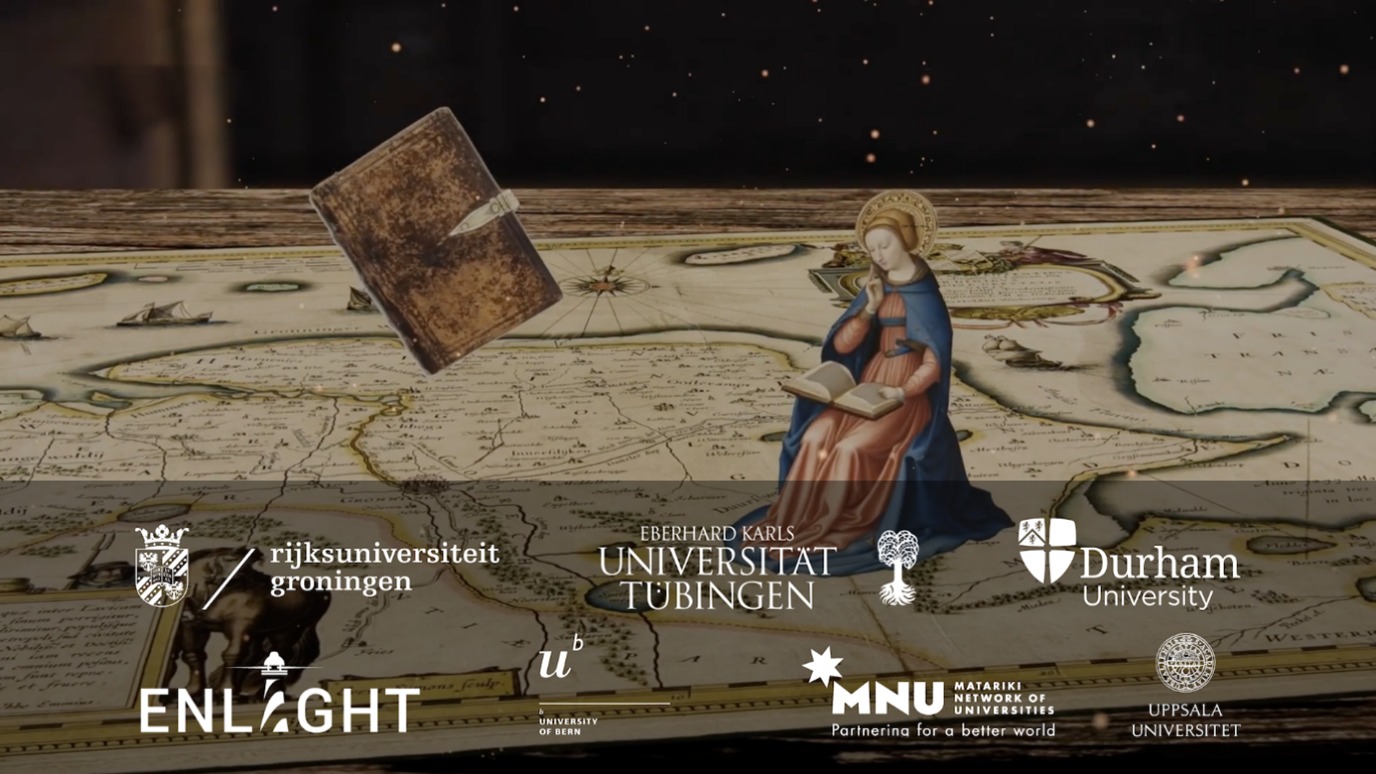
“Things that Matter” addresses the tension between the materiality of sources and their digitization. The Summer School maps the possibilities and challenges posed by the digital age for researchers, curators and the public. We discuss the changing nature of objects such as books and scientific instruments as source materials – what distinguishes an original from its digital copy and does it matter? What challenges are involved in the practice of collections and collecting through digitization, both technologically, environmentally and intellectually? How do virtual collections and exhibitions influence user experiences and expectations? What collections are digitized and why those? Who makes the selections? How do we meet scientific demands on systematic design and transparency when working on online search engines and on differing (and sometimes incompatible) designs of databases?
The Summer School brings together experts from both academia and the cultural heritage sector. Over the course of one week of intensive teaching, they will deliver lectures, lead seminars and hands-on sessions in libraries and museums, and supervise student-led projects and presentations.
Practical information
|
Dates & location
|
“Things that Matter” consists of 2 components, which can be taken together or independently:
2. The onsite Summer School (22 - 26 June 2026, conducted by and at Uppsala University): 30 hours of teaching and learning supplemented by students’ group work. |
|
Location
|
Uppsala University, Uppsala, Sweden |
|
Level
|
MA, PhD, Practitioners
|
|
Fee (incl. excursions)
|
Not applicable to participants from consortium partners (and Enlight partners). Tuition Fee for external student participants: € 250 Tuition Fee for Heritage Practitioners: € 350
|
|
Academic coordinators
|
Prof. Dr. Raingard Esser, Faculty of Arts
|
|
Contact
|
Applicants from the consortia partners: University of Groningen: Raingard Esser, r.m.esser@rug.nl; Uppsala University: Mikael Alm, Mikael.Alm@hist.uu.se; Durham University: Graeme Small, g.p.small@durham.ac.uk; Universität Bern: Tobias Hodel, tobias.hodel@unibe.ch; Universität Tübingen: Daniel Menning, daniel.menning uni-tuebingen.de
All others (including those from other ENLIGHT partners) contact: |
The Summer School is developed in collaboration with the Research Master Classical, Medieval and Early Modern Studies at the University of Groningen and the related Master programmes at Uppsala and Durham. These programmes offer interdisciplinary and cross-chronological approaches to the study of the societies and cultures in the premodern and early modern world.
Requirements
Who is this summer school for?
This summer school is designed for MA students and PhD students in History, Cultural Studies, Art History, Curatorial and Museum Studies and related disciplines, as well as Heritage for practitioners in the GLAM sector (galleries, libraries, archives, museums).
It is expected that the participants have a sufficient command of the English language to actively participate in the discussions and to present their own work in English .
Introduction to lecturers
Teaching staff
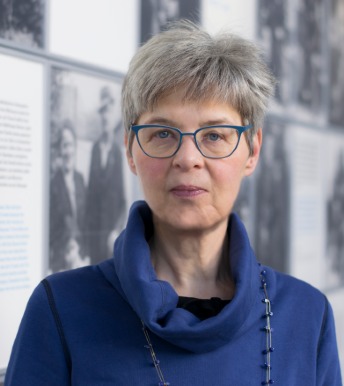
Raingard Esser is Professor of Early Modern History at the University of Groningen. Her main research interests are early modern migration and borders. She is also Director of the Graduate School for the Humanities and FIT fellow for Innovative Teaching.
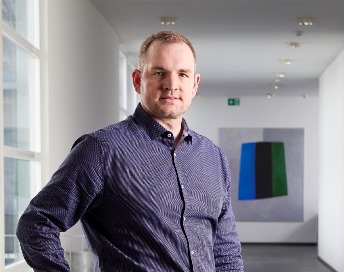
Tobias Hodel is assistant professor of Digital Humanities at the University of Bern. As a trained historian with a focus on medieval studies, he applies machine learning techniques to various fields in the Humanities. His work includes studying video games, extracting information from large premodern text collections, and developing linked open data infrastructures.
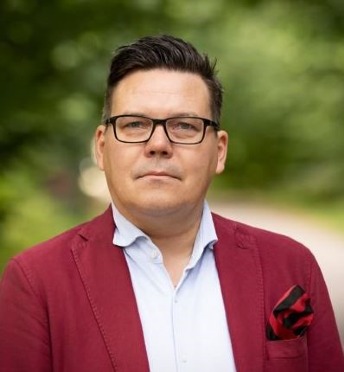
Mikael Alm is a professor of history at Uppsala University. His research has mainly focused on political and social culture in the Age of Revolutions. He is currently the manager of the research infrastructure project Gustav’s Hand, aiming to digitise and digitally enhance the private archive of Swedish King Gustav III.
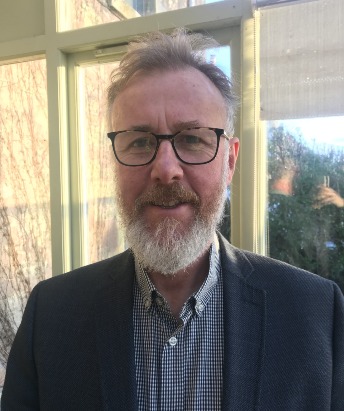
Graeme Small is a professor of History at Durham University, with a particular interest in the political and historical culture of Burgundy, France and Scotland in the late Middle Ages. He is currently developing a project on the social history of archives, focussing on city and town books in Britain and Ireland, with a strong digitisation component and the application of HTR software.

Daniel Menning is Associate Professor at the Institute of Modern History, University of Tübingen, Germany. He works on the history of the nobility, the stock market and retailing between the eighteenth and twentieth century.

Karen Hollewand is an Assistant Professor in Cultural Heritage, Identity, and Early Modern History at the University of Groningen. Her research concentrates on the history of sexuality, science, and gender, in relation to cultural heritage and the formation of identities. She is currently developing a project on gender in the historical medical and obstetrical collections of the University of Groningen, which includes dealing with human remains.
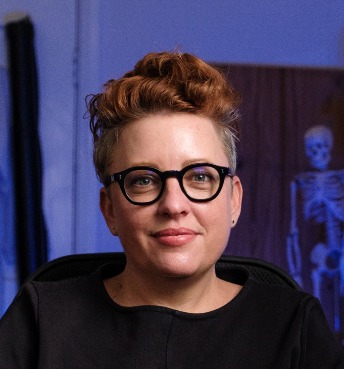
Kathryn Smith is an interdisciplinary visual artist and curator working across archival, forensic, humanitarian, and historical contexts, exploring the potential of digital visualisation technologies towards intersectional understandings of past events and decolonial restitution. She is associate professor and chair of the Department of Visual Arts, Stellenbosch University, teaching across studio practice and theory of art and design, and directing VIZ.Lab, a research focus which explores art-science-technology interactions and undertakes research, training and service delivery in forensic human identification.
Learning outcomes
Learning outcomes
After this course you will be able to:
1. critically evaluate the challenges of digitization for our understanding of historical objects and artefacts
2. understand and be able to apply the specific requirements and challenges of virtual exhibitions.
critically reflect on the politics of collection and collections in different national contexts
Workload
Online course/International Classroom
Total number of hours: 60
1. Critical Reading: Prepare and assess key readings related to the subject “Things that Matter”. Students reflect in writing on required reading, identify 4 key questions guiding principles to be applied to the design of the virtual collection (task 2) (week 2, 30%, ca. reading, + writing = ca. 20 hrs ) ca. 1500 words.
2. The Virtual Exhibition: students design a virtual collection of materials specific to the host Library/University Museum. These collections will then be assessed for their relevance in the respective university context, thus sensitizing students to the different national agendas and the socio-political agents in charge of collecting, preserving and presenting objects. At the "virtual opening" of the exhibition, the students provide a handout, in which they reflect on their choice, its use for historical research, the ethics of collecting and the role of digitization in using or popularizing these objects (weeks 3-5, 70%, reading, collecting
+ discussing = ca. 40hrs).
International Summer School
Total number of hours: 140
Programme: Five days of teaching and learning activities over the course of one week (Monday-Friday). Typically, the Summer School will consist of lectures, hands-on sessions and student-led group work.
Tasks:
Active participation in all components of the Summer School: 140 hours
Components of the summer school:
1. Creative writing and reflection task: An Itinerary of an Object: a collaborative essay written by student groups during the week on the Itinerary of an object (2000-3000 words) and finalized for assessment (56 hours).
2. Presentation of research in progress on the itinerary accompanied by a brief hand- out: 14 hours.
3. Writing an essay in which the students critically discuss the themes of the Summer School in relation to their own research (3000-4000 words, 56 hours)
4. Write a SWOT analysis of the Summer School in which they reflect critically on their learning experience (750-1000 words, 14 hours)
Upon successful completion of the programme, the Summer School offers a Certificate of Attendance that mentions the (respective) workload. Students can apply for recognition of these credits to the relevant authorities in their home institutions, therefore the final decision on awarding credits is at the discretion of their home institutions. We will be happy to provide any necessary information that might be requested in addition to the certificate of attendance.
Application procedure
How to apply?
The application form below is only for external applicants, students from the consortia universities should apply directly via the contact persons from their university, for the full list of the same, see below.
If you are applying via the application form, make sure to include the following:
-
Curriculum Vitae (max. 2 pages)
-
Motivation letter, clearly stating why you want to join this summer school, what you will bring to the school and what you hope to learn (max. 1 page)
-
Ensure to mention your home institution.
The application deadline is 27 March 2026. Selected applicants will be notified of the outcome of the selection process by 1 April 2026.
Applicants from the consortia partners should apply via:
-
University of Groningen: Raingard Esser, r.m.esser@rug.nl;
-
Uppsala University: Mikael Alm, Mikael.Alm@hist.uu.se;
-
Durham University: Graeme Small, g.p.small@durham.ac.uk;
-
Universität Bern: Tobias Hodel, tobias.hodel@unibe.ch;
-
Universität Tübingen: Daniel Menning, daniel.menning uni-tuebingen.de
All others (including those from other ENLIGHT partners) contact:
Raingard Esser: r.m.esser@rug.nl