
Effective Teaching for the Future (SumSET)
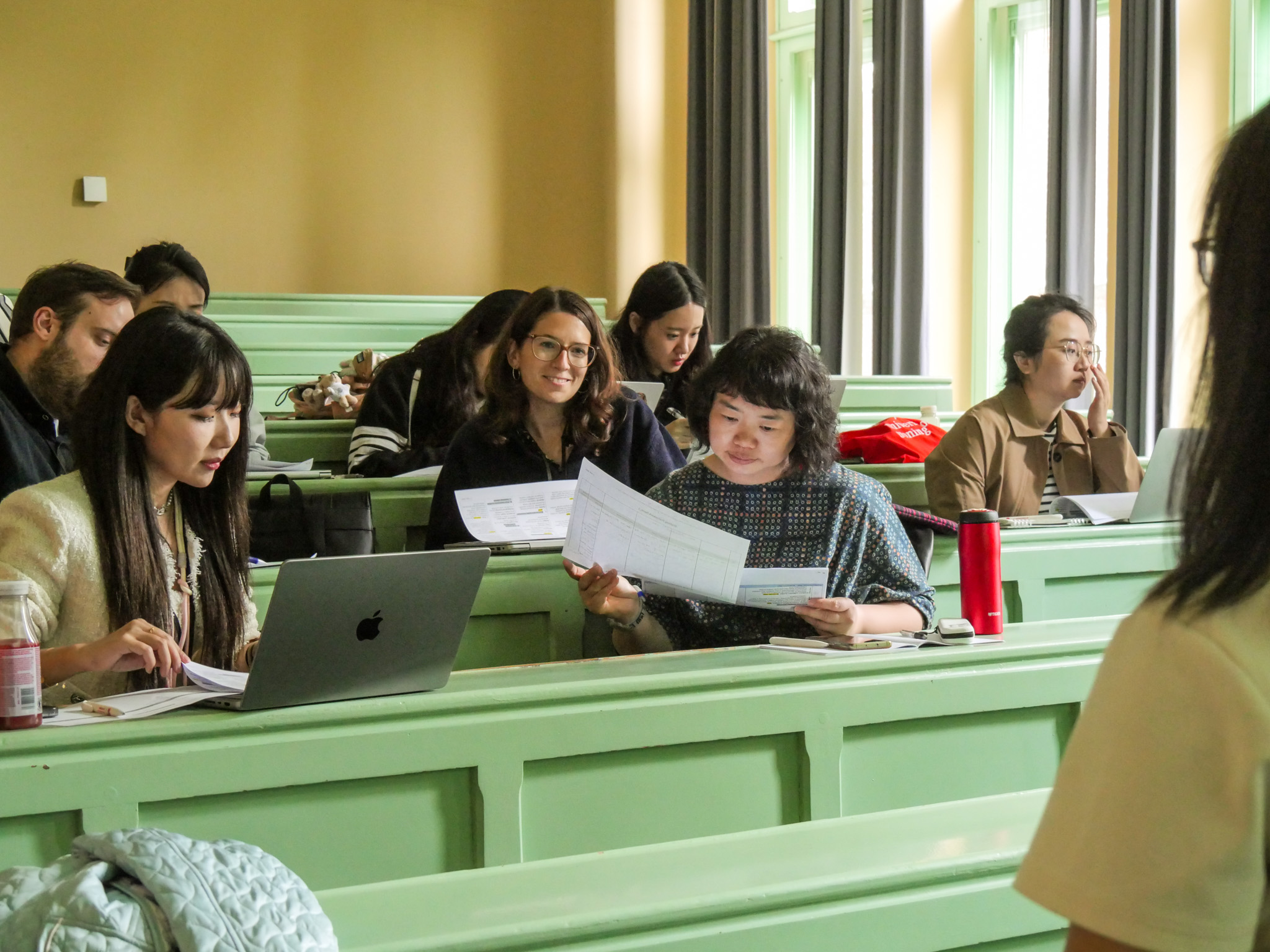
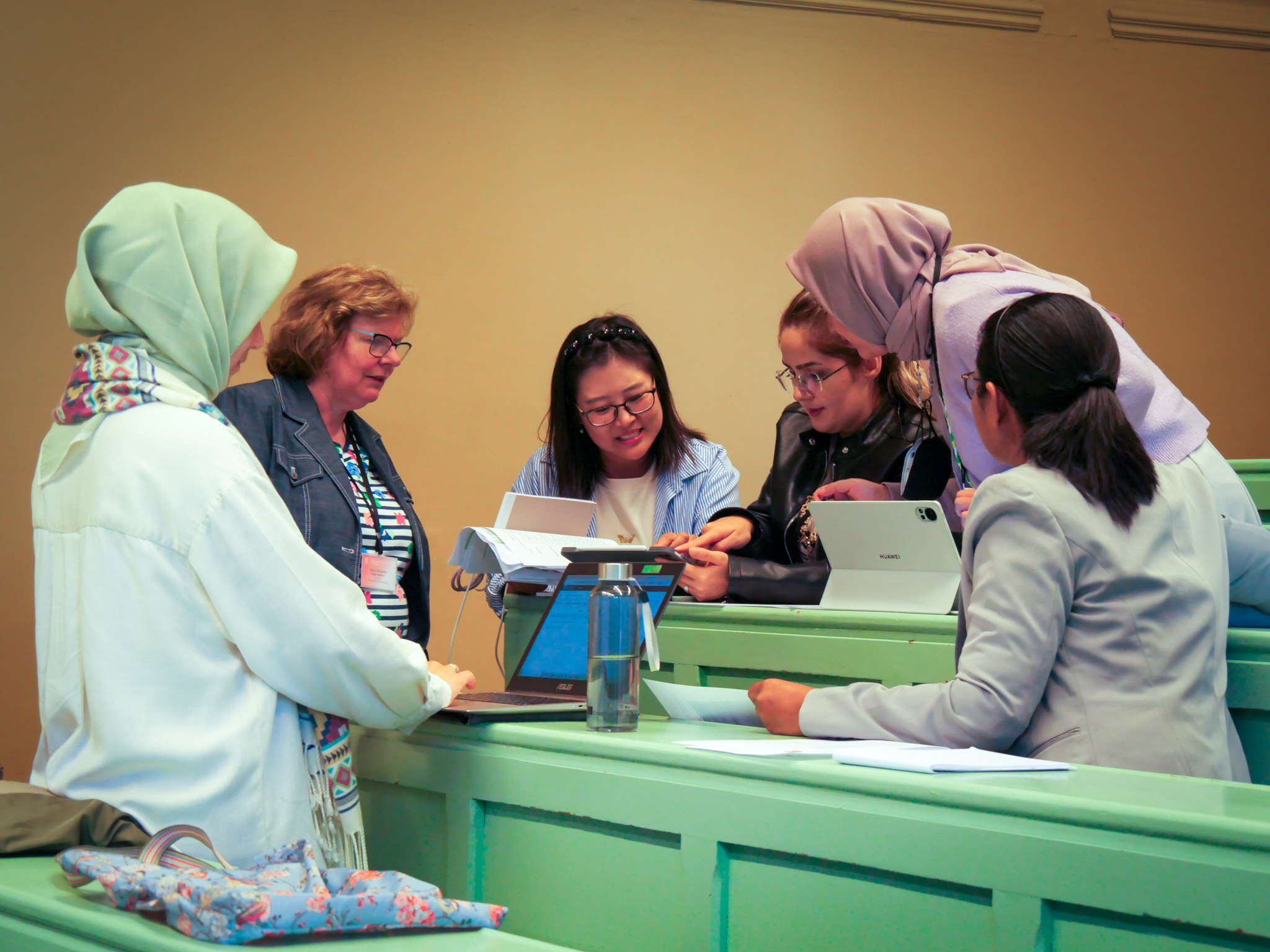
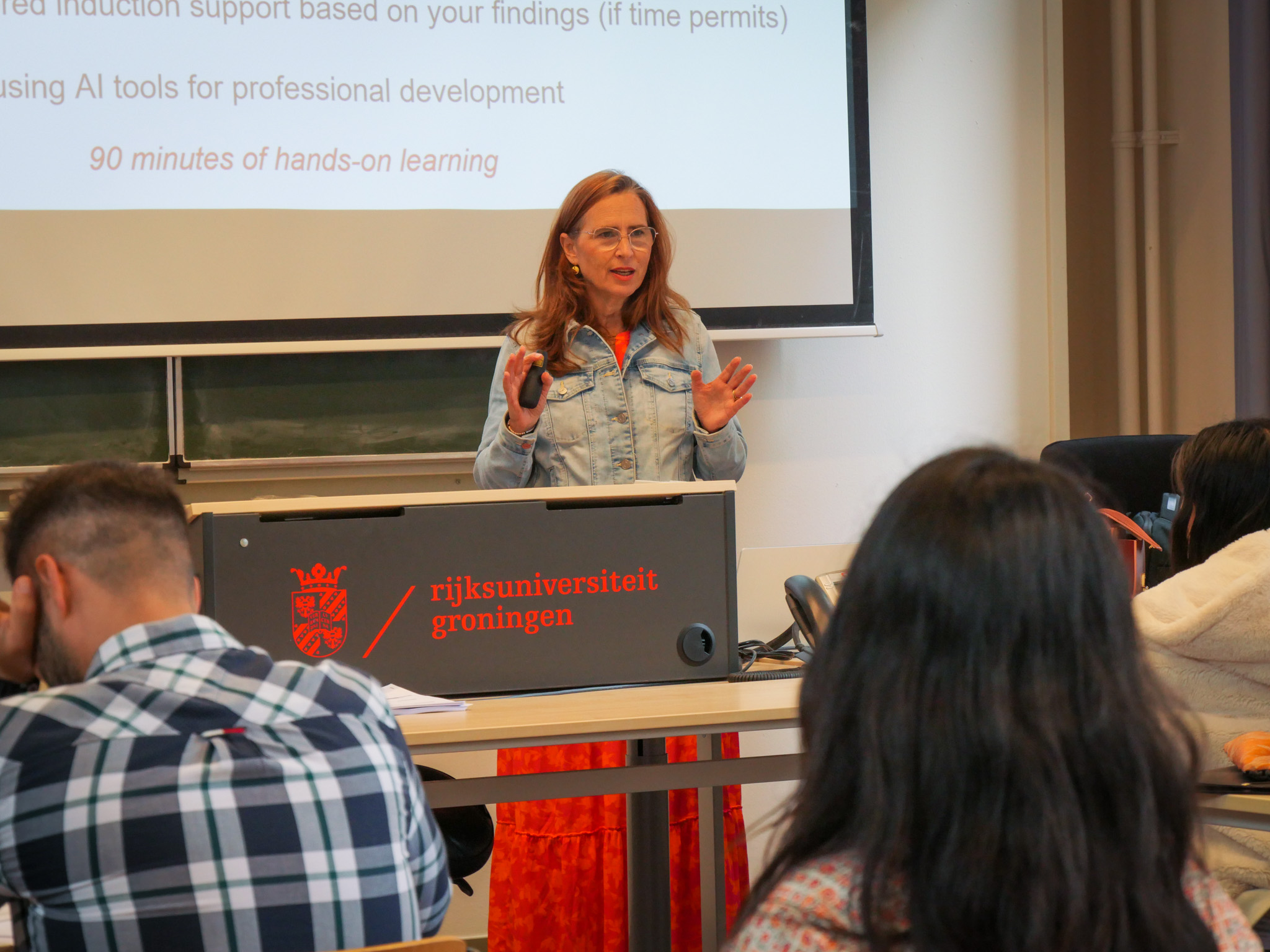
Around the world, there is a growing desire to improve the quality and the equity of education. Teachers and the teaching they deliver play a crucial role in the day-to-day life of students, affecting fleeting states of their short-term and long-term psycho-socio-emotional and academic growth. For many students, the effectiveness of the teaching they encounter opens doors that would otherwise stay shut, and allows them the best opportunities to access and discover myriad opportunities the changing world can offer. Effective teaching is a contested concept influenced by multiple and admittedly complex factors. Rapid growth of digital transformation such as artificial intelligence (AI) contributes to shaping the face of future teaching which teachers cannot avoid, offering affordances and challenges in today’s teaching practices. However, many struggle to understand how and under which conditions the act of teaching can be considered effective and meaningful for students. There is, therefore, a pressing need to develop a better understanding of effective teaching for serving future generations.
I touch the future. I teach.
In this international and interdisciplinary summer school, we will bring participants including masters and PhD students, teachers, researchers, and educational practitioners together and present them with the opportunity to engage with various researchers and practitioners from the University of Groningen (the Netherlands), the University of Cyprus (Cyprus), the University of Worcester (England), Sunchon National University (South Korea), and Kongju National University (South Korea) from the disciplines of teacher education, teacher effectiveness, curriculum and educational design, psychology of education, computer science and artificial intelligence, and other relevant disciplines in an innovative and transdisciplinary program addressing effective teaching for the future generations. Participants will learn about and engage with current debates and research insights addressing effective teaching, teaching for the future. They will work together in mixed and diverse groups discussing the state-of-the-art of effective teaching from research and practice perspectives.
Practical information
|
Dates
|
6 – 10 July 2026
|
|
Location
|
Groningen, the Netherlands
|
|
Level
|
Master/PhD/Postdoc/researchers/teachers/practitioners |
|
Fees
|
€ 650 for those who pay before 1 April 2026 (early-bird registration deadline). € 750 for those who pay before 1 May 2026 (final deadline). € 400 for University of Groningen students. The fee covers lunches, the welcome reception, closing reception, selected social activities, and coffee/tea and refreshments throughout the on-campus week. Travel, accommodation, and dinner are at the participant's own expense. SumSET has partial scholarships available for participants from less privileged countries. If you would like to apply for a partial scholarship, please indicate clearly in your motivation letter why you are qualified for the scholarship. |
|
Academic coordinators
|
Ridwan Maulana, University of Groningen Marie-Christine Opdenakker, University of Groningen Alette Arendshorst, University of Groningen
a.m.arendshorst@rug.nl |
|
Contact |
teaching4future@rug.nl |
Below is a list of recommendations for those who are looking to book accommodation for the summer school. Please keep in mind that we advise applicants not to book any accommodation or travel arrangements before they have been notified of their selections and officially enrolled in the summer school. Enrollment is final once you have made your payment.
Requirements
Who is this summer school for?
The Summer School is designed for motivated students (Master and PhD) in education and related fields, as well as teachers, teacher educators, researchers, and educational practitioners with an academic Masters’ degree and some research experience from around the world. All applicants of the Summer School are required to have an academic Master’s degree, or at least in the process of obtaining it.
English proficinency
It is expected that the participants have a sufficient command of the English language to actively participate in the discussions and to present their own work in English individually and in groups.
Course schedule
Learning path and key topics discussed
The course of the summer school will be organized in three phases: Pre-Course, Residential Course (on-campus week in Groningen), and Post-Course. During the Pre-Course phase, participants will be provided with key and additional literature to read and prepare for the course. A pre-assignment (in group) will be given during this phase. In the second phase, participants will attend a 5-days course in person (residential). A combination of lectures, discussions, workshops, (group) presentations, and other engaging educational activities will be conducted. Each day will be dedicated to addressing a specific topic of effective teaching for the future.
Topics addressed in the summer school will include:
-
Conceptualizing effective teaching.
-
Identifying and measuring effective teaching.
-
Analyzing effective teaching.
-
Promoting effective teaching: Digital technology and artificial intelligence.
-
Promoting effective teaching: Research and school practice.
Learning outcomes
Learning outcomes
Upon completion of this Summer School, participants will be able to:
-
Summarize their understanding and views on effective teaching, including its conceptualizations, assessments, research and professional development, as well as the role of technology and artificial intelligence for effective teaching.
-
Describe current affordances and challenges faced in conceptualizing, operationalizing, measuring, and integrating digital technology and artificial intelligence in effective teaching.
-
Describe strengths and weaknesses of different theoretical frameworks and models for studying effective teaching and assess possibilities for using them in a complementary manner.
-
Compare and contrast different approaches towards assessing effective teaching (value-added, classroom observations, student and teacher ratings, classroom artifacts) and assess ways of using them in complementary manners.
-
Address how digital technology and artificial intelligence can potentially support addressing challenges while also supporting the provision of timely feedback to teachers to support their learning.
-
Reflect on the relevance of effective teaching covered in the Summer School for their work as professionals (e.g., students, teacher, educator, researcher) and how they can contribute to advance the field in the future.
-
Envision effective teaching for the next generation.
Workload
|
Activity |
Hours |
Format |
|
Pre-readings and pre-assignments |
65 |
Online session, self-study, group work |
|
On-campus week |
50 |
On-site meetings, multiple forms |
|
Post-assignments |
25 |
Group work, individual work |
|
Total |
140 |
Upon successful completion of the programme, the Summer School offers a Certificate of Attendance that mentions the workload of 140 hours (28 hours corresponds to 1 ECTS). Students can apply for recognition of these credits to the relevant authorities in their home institutions, therefore the final decision on awarding credits is at the discretion of their home institutions. We will be happy to provide any necessary information that might be requested in addition to the certificate of attendance.
Proof of competence
Next to obtaining a certificate for participation, participants have the possibility to gain a digital credential (Proof of Competence) to acknowledge participation and engagement with the content. Learners who have completed a proof of competence can obtain this credential via the EduBadges platform managed by SURF— the cooperative of Dutch education and research institutions. The credential is stored on this platform and contains metadata, making the content, learning outcomes, study load hours and language of instruction of the educational activity clear and transparent (example). The credential is therefore verifiable and can be shared on, for example, a CV or LinkedIn.
Teaching staff
Confirmed speakers
-
Prof. dr. Ridwan Maulana (University of Groningen, the Netherlands)
-
Prof. dr. Joana Duarte (University of Groningen, the Netherlands)
-
Prof. dr. Michelle Helms-Lorenz (University of Groningen, the Netherlands)
-
Prof. dr. George Azzopardi (University of Groningen, the Netherlands)
-
Prof. dr. Alison Kington (University of Worcester, England)
-
Dr. Ben Looker (University of Worcester, England)
-
Dr. Marie-Christine Opdenakker (University of Groningen, the Netherlands)
-
Dr. Andreea Sburlea (University of Groningen, the Netherlands)
-
Dr. Charalambos Charalambous (University of Cyprus, Cyprus)
-
Dr. Fransisco Castillo Hernandez (University of Groningen, the Netherlands)
-
Drs. Geke Schuurman (University of Groningen, the Netherlands)
-
Dr. Stefan Johansson (University of Gothenburg, Sweden)
-
Prof. dr. Sebastian Röhl (University Education of Freiburg, Germany)
-
Drs. Kim VanKoughnett (Teacher Education, University of Groningen)
-
Drs. Henrike Cuperus (Teacher Education, University of Groningen)
Alumni testimonials
Testimonials of summer school alumni
"My participation in “Effective Teaching for the Future” (SumSET), last July, was truly transformative. The programme provided rigorous theoretical grounding, critical discussions, and evidence-informed frameworks that significantly refined my understanding of effective teaching and educational research. The interdisciplinary environment—with its integration of psychology, instructional design, educational effectiveness research, and AI-related pedagogical innovation—helped me situate my work within broader international dialogues.
Most importantly, the knowledge I gained at SumSET has shaped both the conceptual direction and methodological design of my PhD thesis, which focuses on how Artificial Intelligence can support reading comprehension and literacy development in primary education. In my dissertation, I also investigate best practices for designing AI chatbots capable of providing young learners with meaningful, strategy-focused feedback to help them develop deeper comprehension skills."
- Panayiota, Cyprus
"Participating in the summer school was very productive for me and was overall a very nice experience. I met so many new people from all over the world and learned so much about AI and lesson planning. I also became more aware of the experiences of teachers. This experience will be quite useful for my future academic career, especially when it comes to the teaching techniques that were discussed and the application of AI in lesson planning."
- Nelum, Sri Lanka
"What I liked most about my SumSET experience was how clearly everything connected to my own research interests and the topic of my PhD dissertation. From the first sessions, I felt that the program was designed in such a way as to be directly relevant to what I needed to learn more in order to conduct my research on effective teaching. The mix of lectures on theory, methodology, and different frameworks of effective teaching helped me finally put many scattered ideas into a clear one. I especially enjoyed the interactive atmosphere and the opportunity to exchange ideas with participants from different academic and cultural backgrounds. I formed some great friendships as well!
In addition, the professional and supportive instructors played a key role in making the SumSET an enriching experience. They listened patiently and kindly to my questions, and their feedback and encouragement increased my confidence and motivation to move forward with my dissertation. I am extremely grateful to have been part of this amazing community!"
- Mahdieh, Iran
"I participated in SumSET 2025 at the University of Groningen, an inspiring programme centred on inspiration, interaction, and impact. What I enjoyed most was the strong focus on effective teaching, interactive workshops, and meaningful academic exchange. The combination of engaging sessions and networking opportunities encouraged me to reflect on my own learning and teaching practices, and it positively influenced my next academic steps by strengthening my interest in interdisciplinary, impact-driven education and research."
- Dr. Nirupama M.P., India
Application procedure
How to apply?
To apply, please fill out the online application form. Please note that you will be asked to upload the following documents:
-
Updated Curriculum Vitae (max. 2 pages).
-
Motivation letter, stating the reasons why you want to participate in the Summer School, your research and teaching experiences, and what you hope to learn (max. 1 page).
Seats are limited. Apply now to secure your place, the deadline is 15 March 2026. Selected participants will be notified by 30 March 2026.