

Leading academics and practitioners in effective teaching from all over the world meet in Groningen
The second edition of the ‘Effective Teaching for the Future’ summer school (SumSET) will offer its participants the unique opportunity to engage with current debates and the latest research insights addressing effective teaching. Participants will hear from renowned experts coming from the Netherlands, Cyprus, the United Kingdom, Germany, Sweden, Hong Kong, and Indonesia, specializing in various fields ranging from teacher effectiveness, teacher professionalization, and curriculum design to psychology of education and artificial intelligence (AI).
This is all in an effort to give participants a comprehensive overview of effective teaching, through a transdisciplinary lens, so they can envision effective teaching for the next generation.
Alumni were inspired for their research and education
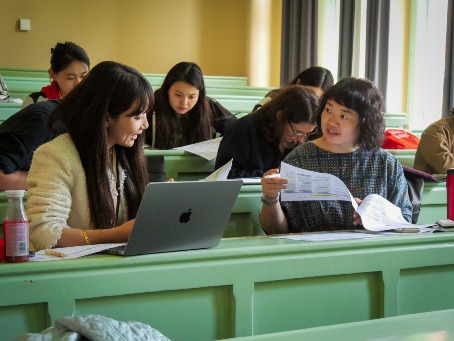
The participants of the first edition of the summer school found the experience particularly valuable due to its interactive and interdisciplinary nature. Hearing leading experts from various academic fields discuss effective teaching from the lens of their disciplines helped broaden the participants’ grasp of the field. Furthermore, the diverse programme made it possible for participants, coming from different backgrounds, to learn from each other and get inspired for their research and how to go about it.
‘From the first sessions, I felt that the program was designed in such a way as to be directly relevant to what I needed to learn more in order to conduct my research on effective teaching.’ said Mahdieh Vaziri (PhD student, University of Vienna, Austria) who participated in the first edition of the summer school in 2025, ‘The mix of lectures on theory, methodology, and different frameworks of effective teaching helped me finally put many scattered ideas into a clear one.’
Panayiota Diakou (PhD student & Primary School teacher, University of Cyprus), stressed the importance of the programme to her academic journey by stating that, ‘The knowledge I gained at SumSET has shaped both the conceptual direction and methodological design of my PhD thesis, which focuses on how Artificial Intelligence can support reading comprehension and literacy development in primary education.’
Shaping the future of teaching through the summer school
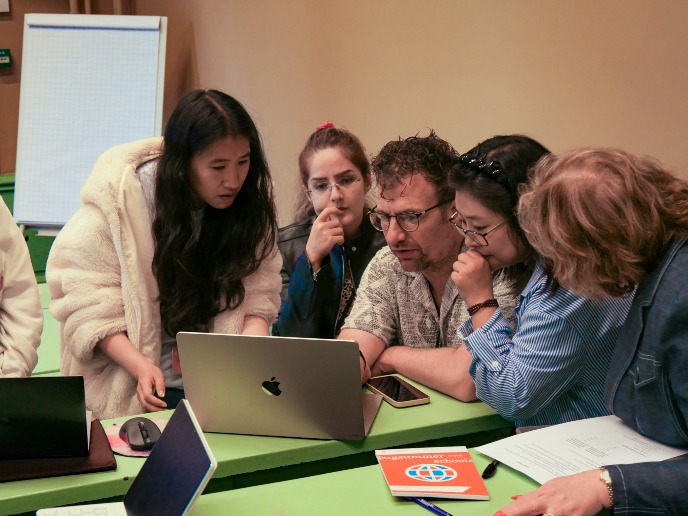
The summer school was intended as a space where both aspiring and established scholars as well as international partners of the University can collectively work towards a picture of the future of teaching, according to the coordinators.
‘Participants [of the first edition] strengthened their expertise in effective teaching and AI, earned formal academic recognition, developed practical skills in measuring and improving teaching, built international research networks, and opened pathways to ongoing collaborations and future, PhD and postdoctoral, opportunities with globally recognized universities,’ said prof. dr. Ridwan Maulana, one of the coordinators of the summer school.
‘The variety of insights and perspectives made the discussions and outreach rich in experience and facts for my work as an educator, teacher and PhD student,’ said Marta Kodura (Biology teacher, Poland). The environment that the summer school afforded, including a mix of participants of different backgrounds and levels of education, as well as the combination of an intensive academic programme and informal social activities, allowed for a meaningful exchange of knowledge and the forming of new connections. This aspect of the summer school is what makes it a truly unique experience for those interested in effective teaching.
Deadline for the second edition approaching
The organizers hope for another successful edition, stating that the participants can expect, ‘a rewarding experience, with a mix of academic, social, and cultural activities to ensure [they] leave Groningen with unforgettable memories’.
The second edition of the summer school is taking place between 6 and 10 July 2026, and the deadline is fast approaching. Those interested can sign up for this enriching programme via the 'Effective Teaching for the Future' summer school website.
About the author

Isidora is the Communications Officer for the Summer & Winter Schools Office