
Bird behaviour during the solar eclipse: initial analysis
This summer, for a brief moment nothing else captured the Netherlands’ attention quite like the solar eclipse. The eclipse on 12 August, with 90% obscuration, was the largest since 1999, and the next one of this magnitude will not occur for over a hundred years (in 2135). The entire country was captivated, and many moved heaven and earth to get their hands on a pair of eclipse glasses. But how did our fellow earth inhabitants, the birds, actually react to this phenomenon?
Theo Jurriëns wanted to find out. His research is still ongoing, but a first analysis can already be provided.
Smart box
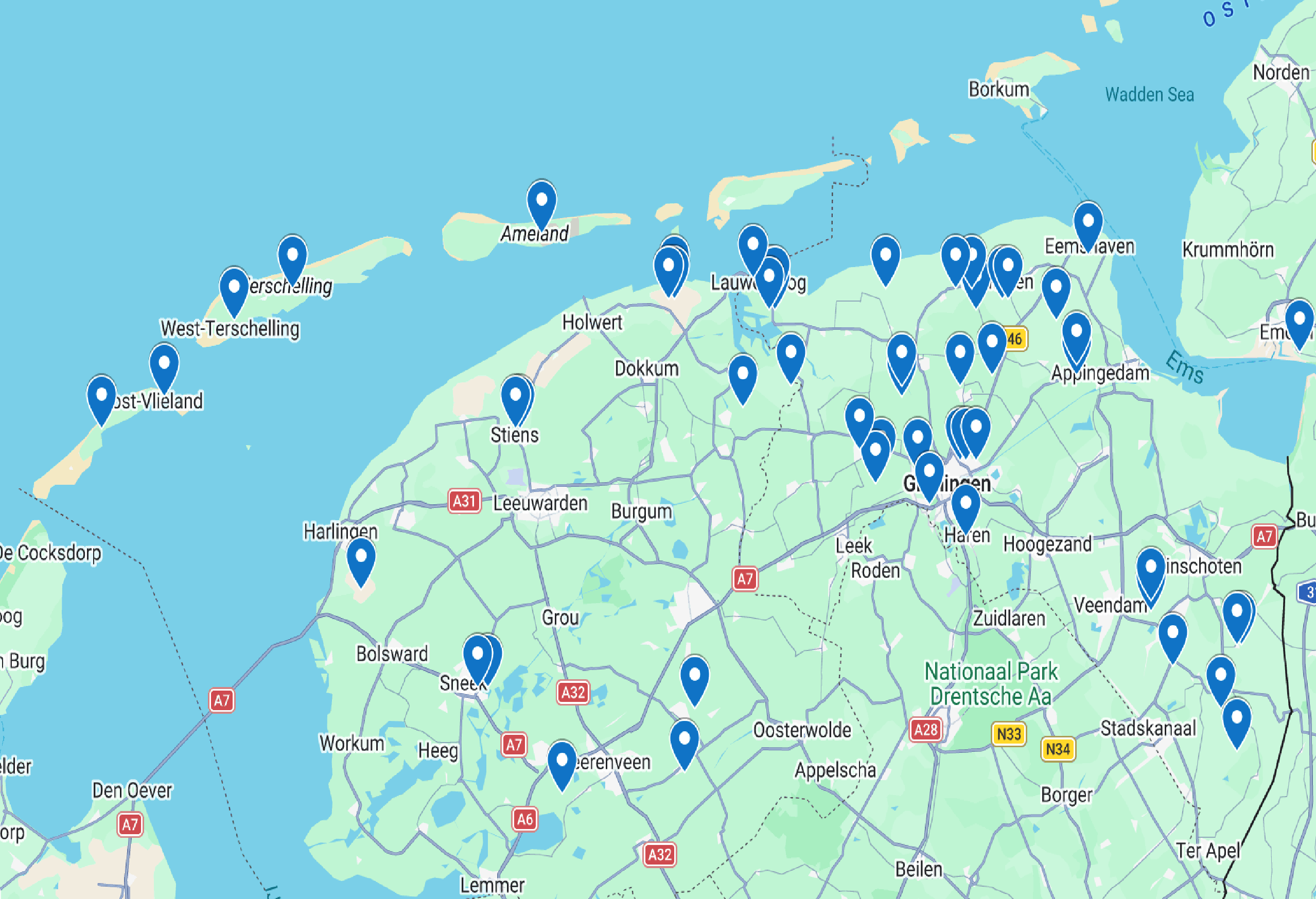
Many stories exist about bird behaviour during a solar eclipse, and earlier studies or visual observations, for example in a zoo, confirm this. Theo Jurriëns, astronomer, eclipse enthusiast, not a biologist, and a fan of curious people—young and old—devised a research plan: Wanted: curious citizens in Northern Netherlands to measure behaviour using the Birdpuc: a smart box that automatically records bird song and thus conducts a bird count. With financial support from the Royal Netherlands Physical Society (Koninklijk Natuurkundig Genootschap, KNG), 42 boxes were eventually placed. The map below shows the participants.
Light measurements
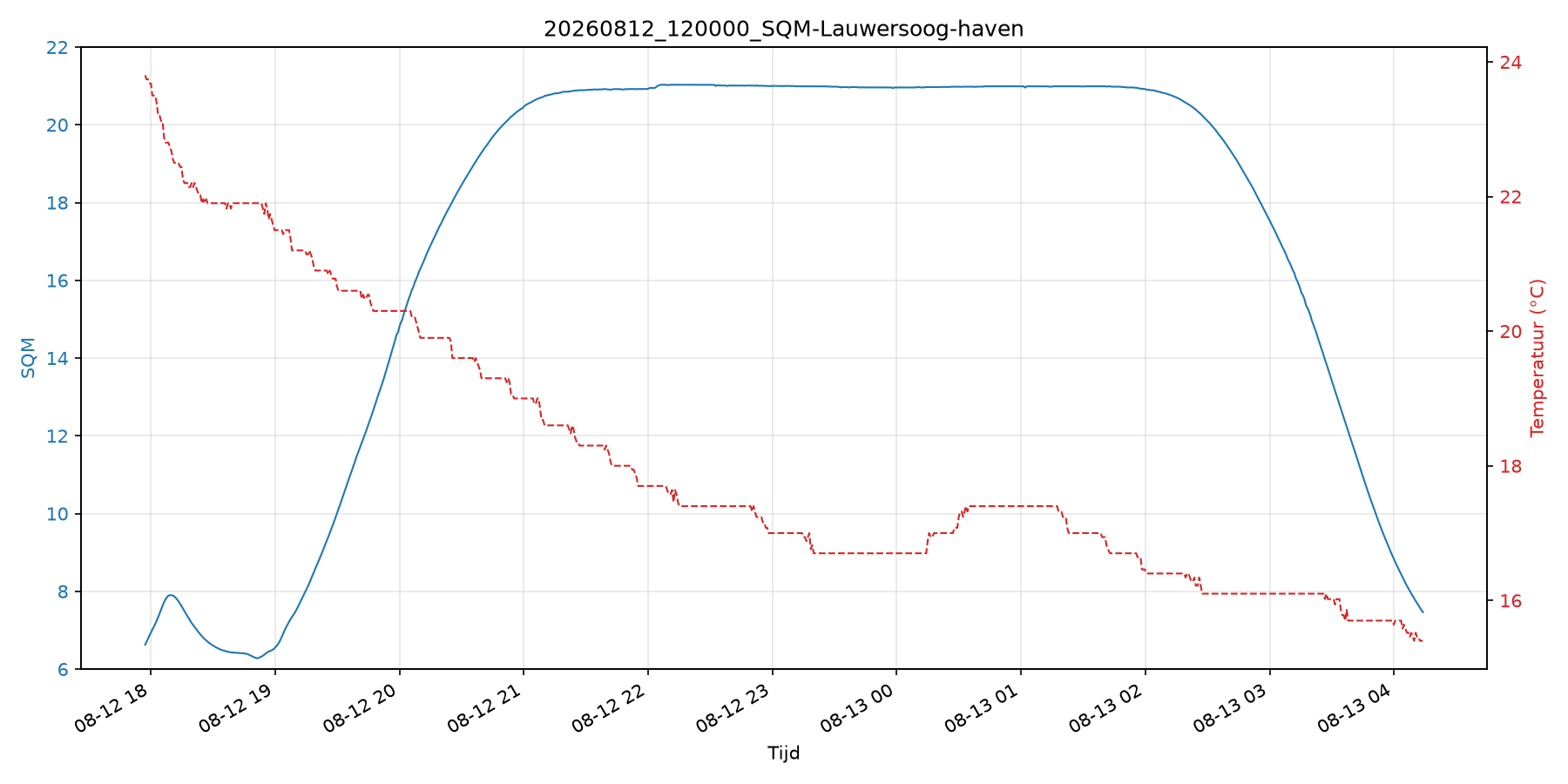
Jurriens is the initiator of the darkness measurement network washetdonker.nl, which asks: how dark is and remains the Netherlands? Various measurements within this network were analysed on the day of the eclipse. Below are the light measurements from Lauwersoog. From a ‘nature perspective’, nature prematurely switches to winter time. The light intensity at the moment of maximum eclipse is equal to the intensity just after sunset.
Methodology
Over the past months, special software was developed to collect data from citizens. Within the time interval of the eclipse, 19:10–21:00, the number of bird species was counted based on Birdpuc registrations. The values on the eclipse day were compared with the days before and after the eclipse. The weather conditions on 10 and 11 August closely matched those on the eclipse day. The total daily statistics show a decrease on the day of the eclipse.
|
Days before and after eclipse |
9 Aug. |
10 Aug. |
11 Aug. |
12 Aug. |
Decrease |
13 Aug. |
|---|---|---|---|---|---|---|
| Total number of Song Registrations |
2495 |
3065 |
3792 |
2687 |
-12% |
2932 |
| Unique species |
58 |
59 |
62 |
55 |
-10% |
65 |
Observations
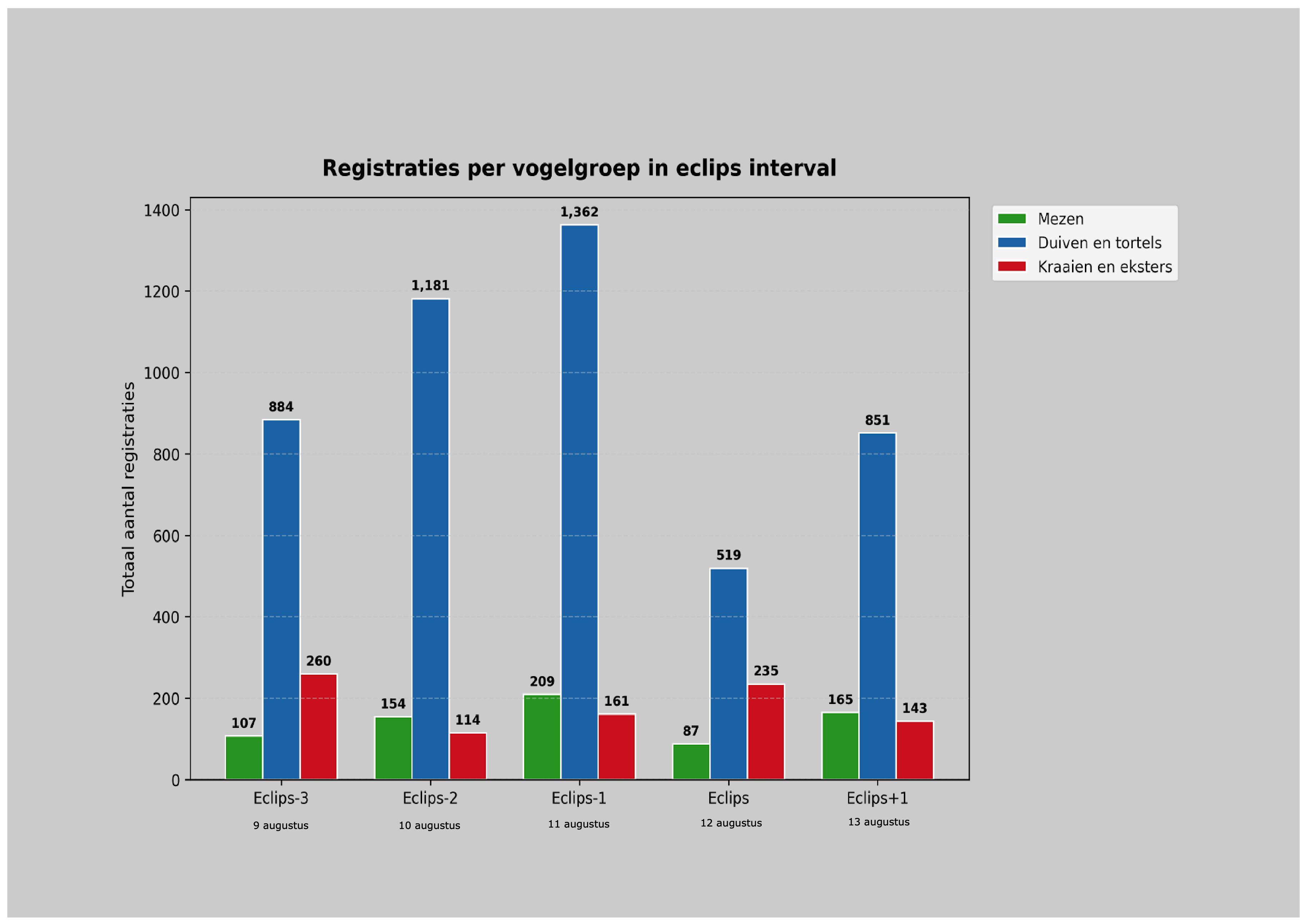
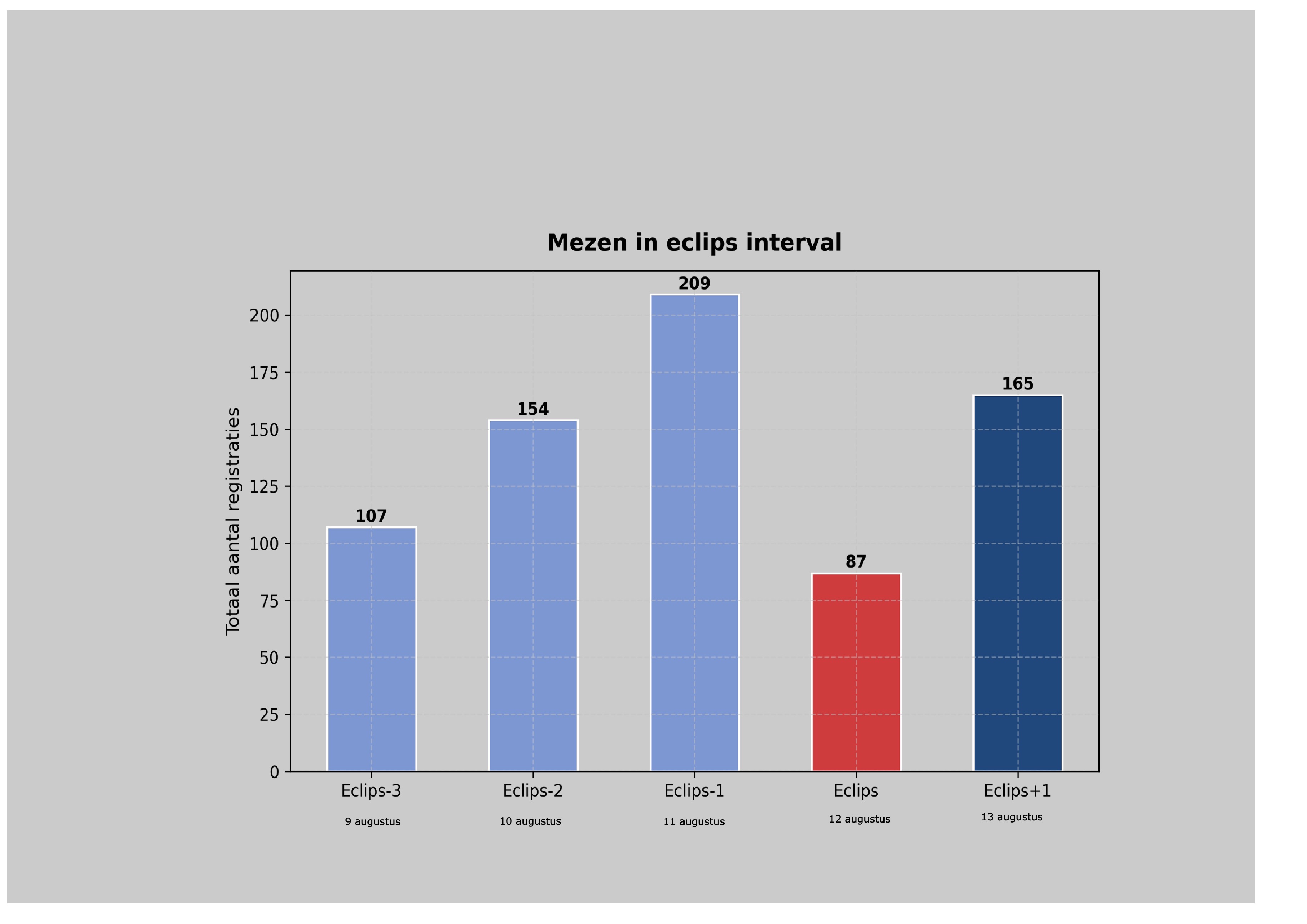
If we look at the species level, we see a 45% decrease in registrations for the tit family, based on the average of the four days without an eclipse. For pigeons and doves, the decrease is even greater: 51%. This aligns with various literary sources: a lull occurs. When sunlight decreases during an eclipse, diurnal birds interpret this as the onset of twilight. This leads to a direct suppression of foraging and singing behaviour and the seeking of sheltered resting places.
The results were also confirmed by examining great tits in the Netherlands via the BirdPuc web tool. Corvids react to the eclipse by massively flying to roosting sites. The graph below shows the results from the database of the 42 stations.
Disoriented owl
At one monitoring station in Den Horn, Groningen, just east of Zuidhorn, the barn owl was detected, consistent with the nocturnal behaviour of the owl. Over the past months, the Den Horn barn owl was primarily active after 21:00. Only one of the 42 stations detected the barn owl; further analysis from the Birdpuc database is required to rule out coincidence.
This is not the final version of the study, but rather a preliminary report. The preliminary analysis confirms the visual observations and descriptions from the literature. We also received a beautiful observation of swifts from Ter Heyde, Westland.
The preliminary report shows that even during a partial solar eclipse, the effects are measurable and demonstrates how sensitive nature is to light.
We would like to thank the Birdpuc owners involved in Groningen and Friesland.
For further information: Theo Jurriens, RUG Faculteit Science and Engineering t.a.jurriens rug.nl