Skip to ContentSkip to Navigation
University of Groningenfounded in 1614  -  top 100 university
About us Practical matters How to find us prof. dr. C.A. (Catharina) Hartman
University Medical Center Groningen

prof. dr. C.A. (Catharina) Hartman

Associate Professor
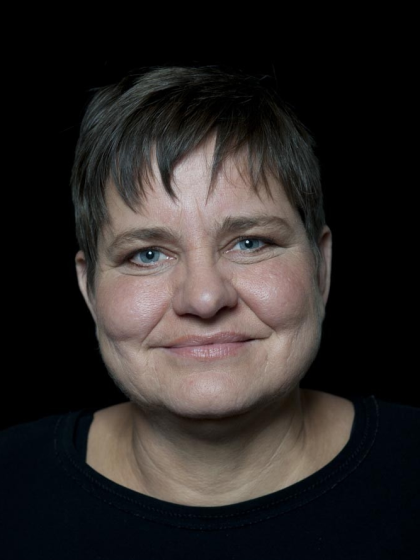
Profile picture of prof. dr. C.A. (Catharina) Hartman
E-mail:
c.a.hartman umcg.nl

Publications

Genome-wide association study of major anxiety disorders in 122,341 European-ancestry cases identifies 58 loci and highlights GABAergic signaling

Attention-deficit/hyperactivity disorder (ADHD) in adults: evidence base, uncertainties and controversies

Cell type-specific methylome-wide association studies of childhood ADHD symptoms

Correction: Role of inflammation in depressive and anxiety disorders, affect, and cognition: genetic and non-genetic findings in the lifelines cohort study

Familial co-aggregation and shared heritability between neurodevelopmental problems and cardiometabolic conditions

Gene-environment interplay explaining individual variation in BMI outcomes: a systematic review and meta-analysis of studies using polygenic indices

Genetics of Major Depressive Disorder in a Homogeneous Population with Uniform Phenotyping

Genome-wide association meta-analysis of age at onset of walking in over 70,000 infants of European ancestry

Genome-wide association meta-analysis of childhood ADHD symptoms and diagnosis identifies new loci and potential effector genes

Genome-wide association study of adolescent-onset depression

Press/media

Wat is het verschil tussen ADHD en ADD?

Aletta Talks: Research Podcast of the Aletta Jacobs School of Public Health

Is er iets te doen aan het ontstaan van ADHD?

Onderzoek naar het ontstaan van ADHD

Is er iets te doen aan het ontstaan van ADHD?

Doen jullie mee? Aan wetenschappelijk onderzoek

Vroeg signaleren en bijsturen van ontwikkelingsproblemen voorkomt mogelijk ADHD

Paper of the Month: Will they grow out of it? The life course of ADHD

Anxiety Depression Substance Use Obesity ADHD

¿Cuántas personas tienen TDAH ? La Dra. Cataharina Hartman nos lo explica científicamente: