

New Publication: Exposing the loci of bias
It is not easy to determine how much people have been exposed to a disaster, pandemic, or shocking event. What counts as exposure, and how do you measure it? And once you have done that, how do you assess its impact on people’s well-being or health, knowing that many different factors can influence the outcome? Even when effects seem obvious, researchers must be careful.
Our fellow Prof. Michel Dückers wrote an article on this topic, inspired by the work of the namesake of the Rudolf Agricola School.
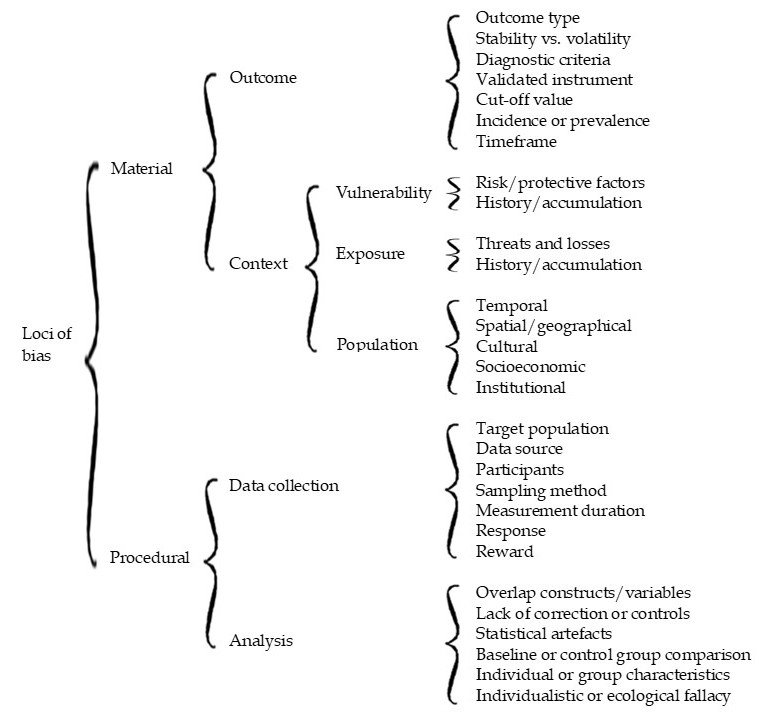
Dückers, M.L. Exposing the loci of bias: a taxonomical exploration of sources of bias in population mental health research. Popul Health Metrics 23, 64 (2025). https://doi.org/10.1186/s12963-025-00429-2
In Exposing the loci of bias, about thirty “places where bias can creep in” are described. These forms of bias can, alone or in combination, influence how we judge whether a group of people is doing well or struggling, whether or not they were exposed to adversity.
In practice, this overview can help researchers plan and carry out their data collection and analysis, or evaluate studies more critically. And that matters, because as George Orwell might have said all studies are biased, but some studies are more biased than others.
More news
-
-
15 September 2025
Successful visit to the UG by Rector of Institut Teknologi Bandung
-