

‘De universiteit bestaat al heel wat langer dan Big Tech’
De Rijksuniversiteit Groningen streeft naar digitale autonomie. Maar hoe worden we minder afhankelijk als vrijwel alle universitaire activiteiten plaatsvinden op platforms van commerciële partijen? Marjolein Nieboer en Babette Knauer vertellen over de voortrekkersrol van de Universiteitsbibliotheek (UB). ‘We hebben een lange adem en zetten gewoon door.’
Tekst: Jelle Posthuma
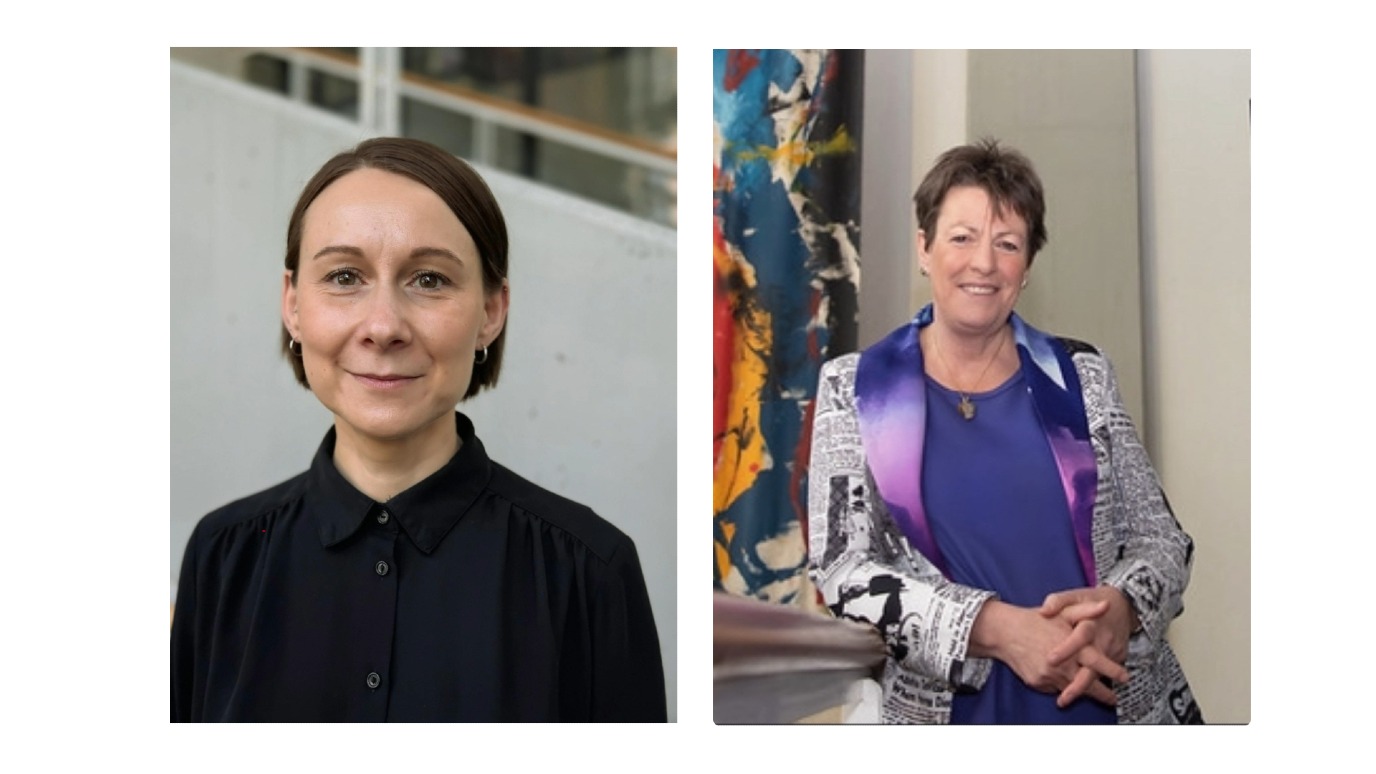
‘Dit is het leukste gesprek van de dag’, zegt UB-directeur Marjolein Nieboer bij binnenkomst. ‘Het onderwerp digitale autonomie raakt aan de kern van de universiteit. Daar mag je me ’s nachts voor wakker maken.’ Volgens Nieboer is de digitale autonomie van de Rijksuniversiteit Groningen de afgelopen decennia onder druk komen te staan. De RUG is sterk afhankelijk van grote commerciële partijen, die clouddiensten leveren voor vrijwel alle activiteiten op de universiteit.
‘Niet zomaar beklonken’
Universiteiten zijn vaak een kraamkamer geweest van digitale innovatie, zegt Babette Knauer, hoofd communicatie van de UB. ‘Maar we zijn als universiteiten de controle kwijtgeraakt. De vraag is nu: hoe krijgen we die terug?’ De Rijksuniversiteit Groningen hoopt als eerste Nederlandse universiteit afscheid te nemen van Big Tech. Of in ieder geval: de ambitie is om in 2030 minder afhankelijk te zijn van grote commerciële techbedrijven, nuanceert Nieboer. ‘Zoiets is niet zomaar beklonken.’
De UB-directeur noemt het een vendor lock-in: zelfs als we willen, kunnen we niet zomaar weg bij de grote leveranciers. ‘We hebben destijds uit praktische overwegingen en in goed vertrouwen voor deze partijen gekozen. Ook ik was ervan overtuigd dat het toen een verstandige beslissing was. Achteraf blijkt dat de minderheid die destijds bezwaar maakte, gelijk heeft gekregen. We staan nu voor het voldongen feit dat we bijvoorbeeld uit Google Suite willen. Maar ja, doe het maar eens.’
De nuance daargelaten: er zijn de afgelopen periode belangrijke stappen gezet. De Alliance for Digital Autonomy (ADA) – ‘een coalitie’ van wetenschappelijk personeel, de Universiteitsbibliotheek, het CIT, University Services in samenwerking met de Jantina Tammes School – heeft een zogeheten roadmap ontwikkeld. Dit plan vormt nu de basis voor het onlangs goedgekeurde programma om de universiteit de komende jaren minder afhankelijk te maken. Drie principes staan daarbij centraal: academische vrijheid, onafhankelijkheid en veiligheid. ‘We ervaren veel betrokkenheid van het College van Bestuur, de academische gemeenschap en de Universiteitsraad’, benadrukt Nieboer.
‘Practice what you preach’
De Universiteitsbibliotheek speelt een voortrekkersrol in de beweging naar meer digitale autonomie, vervolgt de directeur. ‘Bij een UB denk je misschien aan boeken en studieplekken, maar we zijn veel meer dan dat.’ Ze wijst op de centrale taak van de UB op het gebied van Open Access en Open Science – bewegingen die zorgen voor vrije toegang tot wetenschappelijke artikelen en toegankelijke wetenschap voor een breed publiek. ‘Dankzij onze ervaringen met Open Access en Open Science zijn we als UB al best ver gevorderd op het gebied van digitale autonomie’, stelt Nieboer.
Deze ervaringen dienen als voorbeeld voor het minder afhankelijk maken van de gehele universiteit, zegt Knauer. Voor haar eigen vakgebied noemt ze als voorbeeld het afscheid van X (voorheen Twitter) en de overstap naar Mastodon, een federatief open-source platform met vergelijkbare functionaliteiten, en de switch van YouTube naar PeerTube, een open-source alternatief.
Nieboer noemt het ‘practice what you preach’. Zo willen de UB en de Medische Bibliotheek ervaring opdoen met een open-source alternatief voor de commerciële database Web of Science (van Clarivate) en steunen daarom OpenAlex met een institutioneel lidmaatschap. Het overstappen naar alternatieven vraagt om een grondige voorbereiding. En zo zal het op tal van terreinen gaan de komende jaren.
‘Het is aan de universitaire gemeenschap’
Een uitgangspunt is het belang van ideeën en initiatieven van onderop, zegt Knauer. ‘We willen de nieuwe systemen niet van bovenaf opleggen, maar de gemeenschap ook zelf in staat stellen om met pilots aan de slag te gaan. Dit moet zich als een olievlek over de hele organisatie verspreiden.’ Er komt een kickstartfonds waarmee medewerkers op kleine schaal een aanvraag kunnen indienen voor een project op het gebied van digitale autonomie. Knauer: ‘Collega’s weten uiteindelijk zelf het beste wat ze nodig hebben. Van daaruit kijken we of we de kleinschalige alternatieven kunnen uitbreiden binnen de universiteit.’
De nieuwe systemen zullen anders werken en aanvoelen voor medewerkers, erkent Nieboer. ‘Op dit moment is er bij de huidige clouddiensten veel aandacht voor gebruiksgemak. Als we naar alternatieven kijken, moeten we misschien inleveren op look, feel en gebruiksgemak.’ Knauer ziet het net iets anders: ‘Open source heeft het imago dat we moeten inleveren, maar volgens mij werken de alternatieven prima. Het is alleen anders. Uiteindelijk draait het om welke functionaliteiten we echt nodig hebben. Dat bepalen wij niet vanuit de UB - dat is aan de universitaire gemeenschap.’
Nieboer wijst op de verschillende wensen van faculteiten en diensten. ‘Een wildgroei aan systemen willen we voorkomen. Uiteindelijk zullen we toch keuzes moeten maken.’ Een belangrijke stap is om digitale autonomie mee te nemen in aanbestedingen. Volgens de UB-directeur leidt dit tot een verschuiving in kosten: ‘We hebben niet langer te maken met dure licenties, maar we zullen mensen moeten vrijmaken die nieuwe systemen begeleiden en onderhouden. Het CvB ziet gelukkig dat zoiets niet voor niets kan: er is een reservering in de budgetten voor de komende jaren.’
Het is bovendien geen lokaal Gronings dossier. De RUG werkt samen met andere Nederlandse universiteiten, SURF, enkele hogescholen, de AI-factory en overheidsinstanties aan minder afhankelijkheid. Rector Jacquelien Scherpen speelt daarin een centrale rol: ze is lid van de UNL-commissie ‘Digitale Autonomie Universiteiten’, die voorstellen ontwikkelt voor een gedeelde aanpak binnen het hoger onderwijs.
‘We hebben een lange adem’
Het zal in tijden van bezuinigingen geen sinecure worden, erkennen zowel Nieboer als Knauer. Maar ze benadrukken dat het uiteindelijk om een principiële kwestie gaat: hoe blijft de RUG onafhankelijk? Het overschakelen naar alternatieven kost tijd en moeite, weet Nieboer. ‘Het is een worsteling om het van de grond te krijgen. Het raakt aan alles wat we doen: onderzoek, onderwijs en impact. Daarom beginnen we kleinschalig. We hebben een lange adem en zetten gewoon door. De universiteit en de universiteitsbibliotheek bestaan immers al heel wat langer dan de bigtechbedrijven’, concludeert ze.
Meer nieuws
-
-
03 september 2026
Ming Cao herbenoemd tot wetenschappelijk directeur Jantina Tammes School
-
01 september 2026
Evrim Ursavas benoemd tot wetenschappelijk directeur Wubbo Ockels School