

CANCELLED - Targeting public voices: addressing digital abuse against researchers

Public figures, including academics, journalists, and politicians, must engage with the public. Therefore, they are particularly at risk of having their image and voice misused in digital abuse, including AI-generated content (e.g., deepfakes). Because of this, early-career scholars often face a dilemma: while it is desirable for them to share the results of their research with the public, it also exposes them to the risk of becoming victims.
In this symposium, we explore these contemporary challenges and develop guidelines for responding to such cases if they occur. We will start the day with a keynote by investigative journalist Patrizia Schlosser, who has been targeted by deepfake abuse. Her talk will be followed by a panel discussion with scholars, RUG-based experts, and representatives of the unions.
The event ends with a ‘blue sky session’, in which we will collectively discuss how to move forward as a community within the University of Groningen.
The target audience for this event are RUG staff members. The symposium is organised by Young Arts Network (YARN): Marília Gehrke, Alex Lorson, Maja Babic, and Sandra Banjac and Jantina Tammes School.
Programme
|
09:30
|
Walk in and coffee
|
|
09:45
|
Keynote with Patrizia Schlosser
|
|
10:30
|
Short break
|
|
10:45
|
Expert panel discussion
Moderator: Dr. Qian Huang Panelists:
|
|
12:00
|
Bluesky session/solutions/guidelines-flowchart
Moderator: Dr. Sandra Banjac |
|
12:45-13:30
|
Lunch
|
Bios
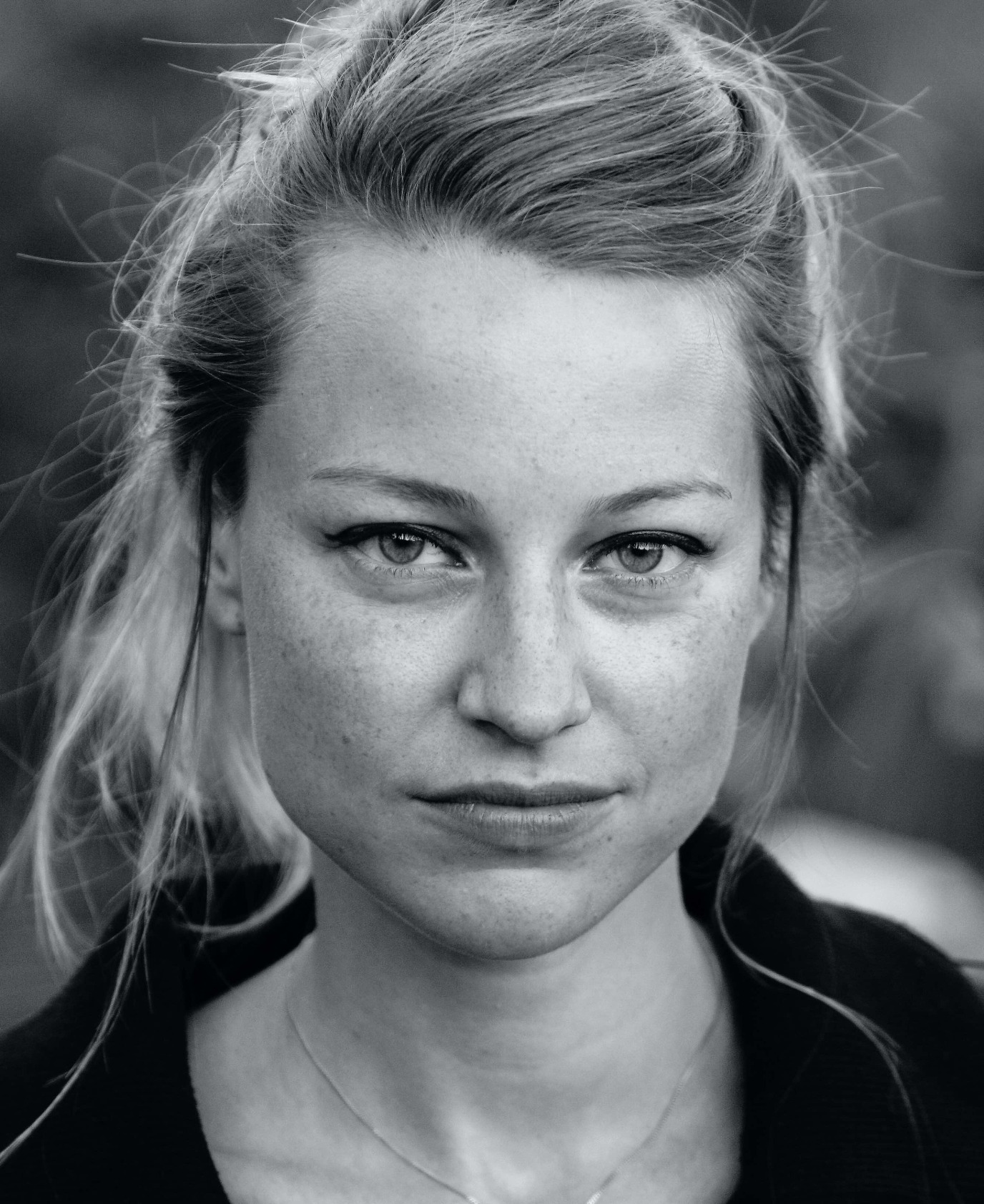
Patrizia Schlosser is an investigative journalist who makes documentaries, reports, and podcasts for German Public Broadcaster ARD. A key focus of her work is sexual violence and the online porn industry. As a reporter for STRG_F, she exposed a network of perpetrators who secretly film women in restrooms and revealed the owner of the porn site where the perpetrators upload these videos. Her most recent investigation focuses on pornographic deepfakes that are distributed online without the knowledge or consent of those involved. After completing her studies, she did an internship at Bayerischer Rundfunk. Since 2017, she has worked for, among others, the investigative reporting YouTube channel STRG_F, ARD/ZDF. She is the author of several podcasts for ARD as well as the audiobook publisher Audible. In 2019, her book *Im Untergrund* (In the Underground), based on her investigation into left-wing terrorism and the RAF, was published by Hoffmann & Campe.
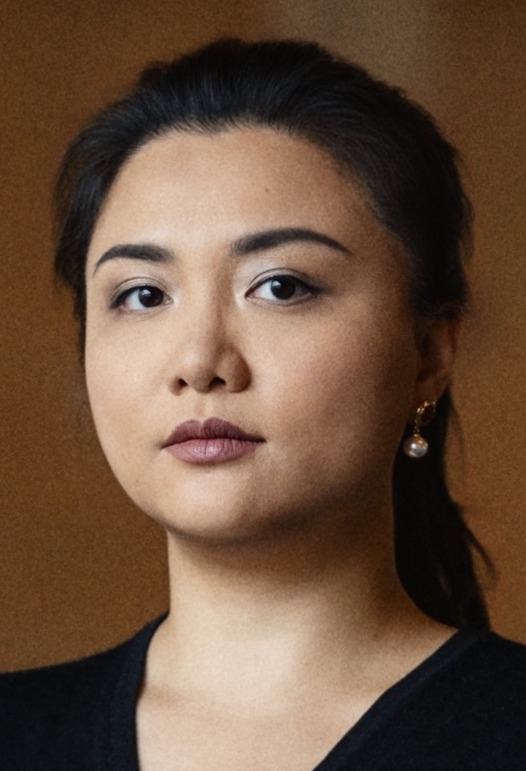
Qian Huang is an assistant professor at University of Groningen. She obtained her PhD in October 2022. Her research focuses on comparative studies of digital visibility, digital cultures, and creative labour. She is the PI of a 4-year (2026-2029) project funded by NWO (The Dutch Research Council) Veni Talent Scheme, "Negotiating Digital Visibility: Public Intellectuals' Cautious Labor." She has published articles in peer-reviewed journals such as International Journal of Cultural Studies, Social Media+Society, and International Journal of Communication. She also co-authors books Fandom Nationalism (2026) and Digital Media, Denunciation and Shaming (2025). She is currently serving as the International Liaison for ICA Activism, Communication, and Social Justice Division, as well as an associate editor for two journals, Creator and Influencer Studies and Communication and The Public.
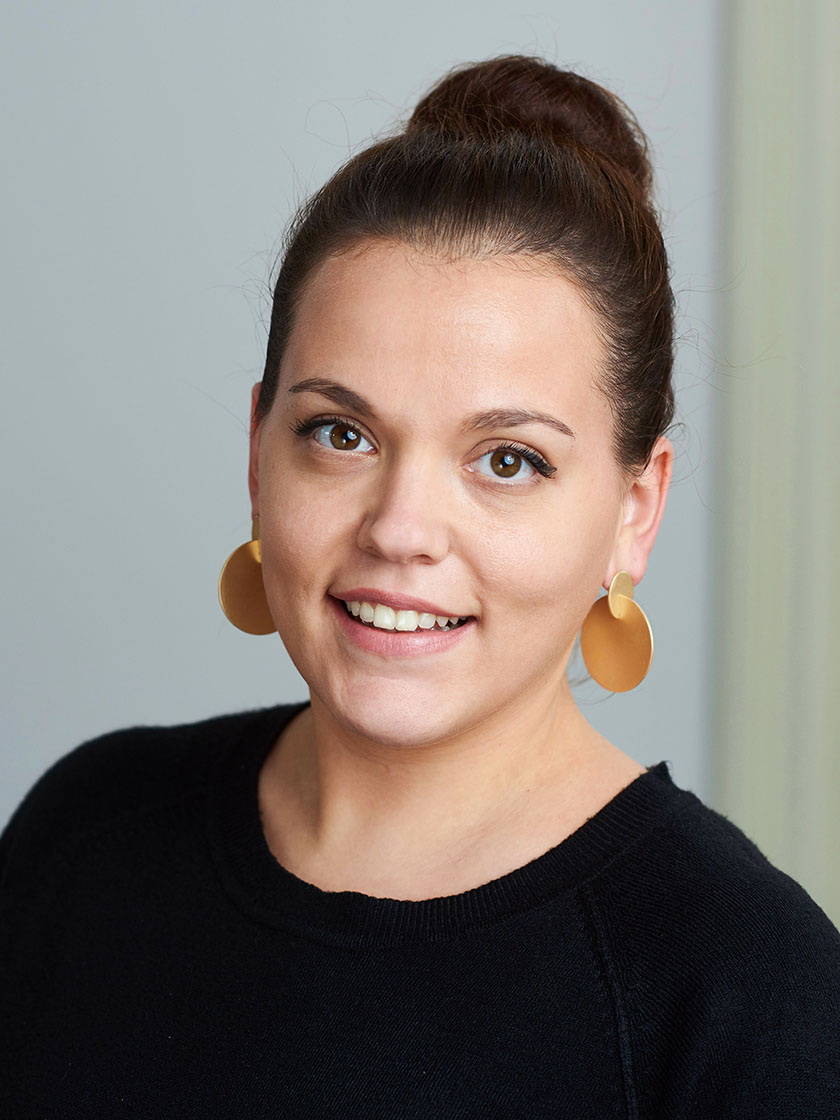
Nina Mileva is an Assistant Professor of International Law at the Faculty of Law, University of Groningen. Her research focuses on public interest litigation and critique in international law, with a particular interest in the role and limits of scholarly activism. In this context, Mileva examines academic freedom as a human right, and the threats and limitations to this right posed by contemporary technological and political developments.
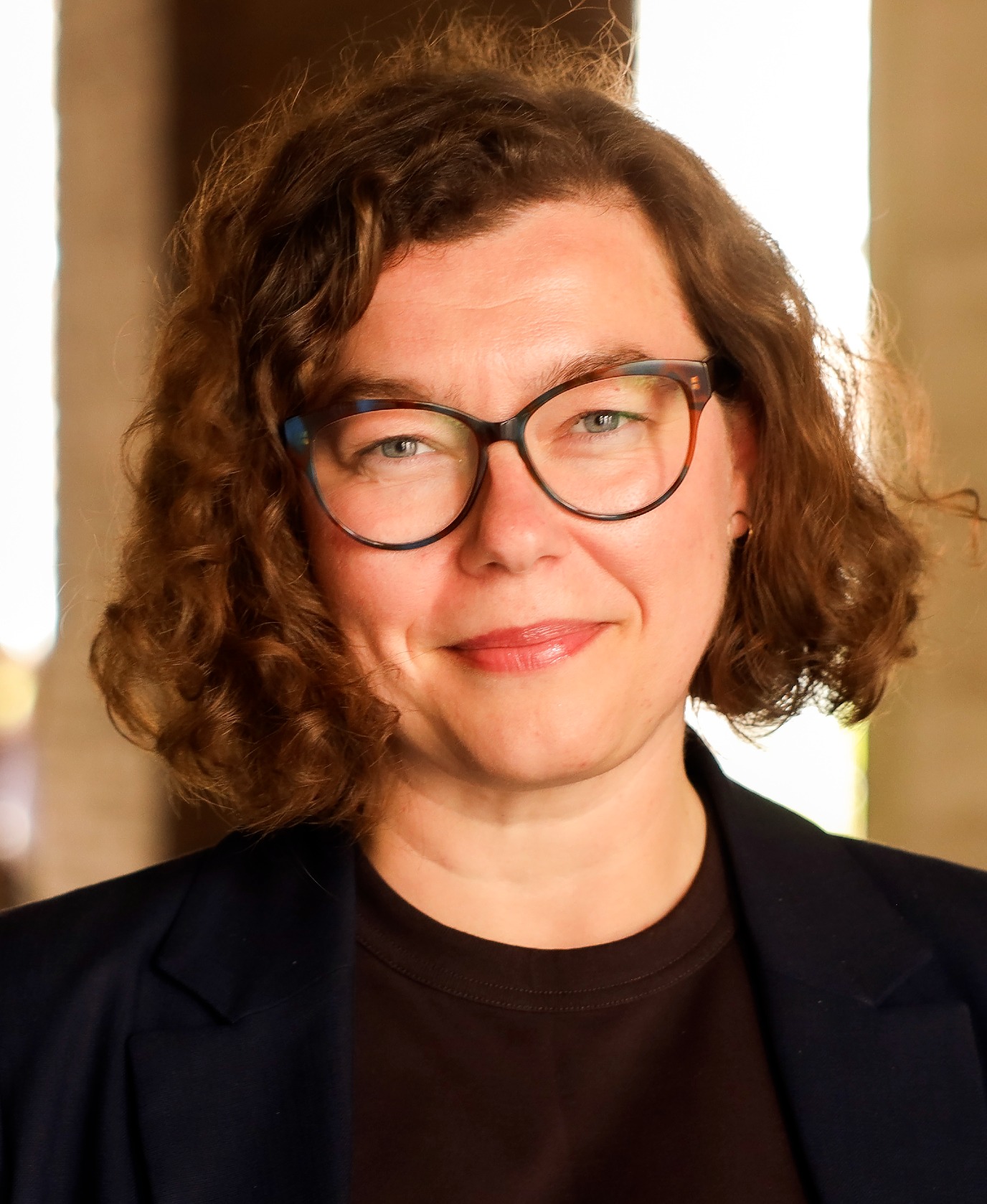
Sandra Banjac is an assistant professor at the Centre for Media and Journalism Studies, University of Groningen. She is also affiliated with the Journalism Studies Centre at the University of Vienna as research fellow on the FWF-funded project ‘Audience Expectations of News in the Digital Age’. In her research she relies on critical intersectional approaches to interrogate power and inequity within journalism, focusing in particular on the journalist-audience relationship, boundaries of journalism, and lifestyle journalism. Her work has been published in peer-reviewed journals, including Digital Journalism, New Media & Society, and Communication Theory, and she co-edited the Routledge Companion to Digital Journalism Studies, 2nd Ed. She serves on the editorial boards of Digital Journalism and Journalism Studies.
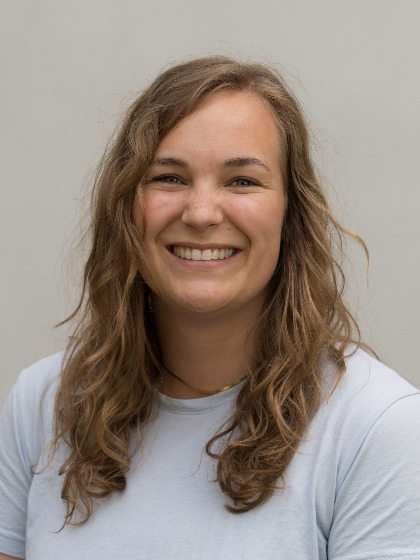
Annelène Hofstetter is a Policy Advisor for Integrated Safety at the University of Groningen. The Integrated Safety team develops and implements university-wide policies on safety, resilience, and crisis preparedness, with a particular focus on creating a safe environment for staff and students. As part of the university’s programme on Integrated Safety, the team is responsible for the approach to public threats and intimidation of researchers and other staff members. Their work focuses on strengthening institutional preparedness, supporting affected colleagues, and developing policies and procedures that enable academics to engage safely in public debate while safeguarding academic freedom.
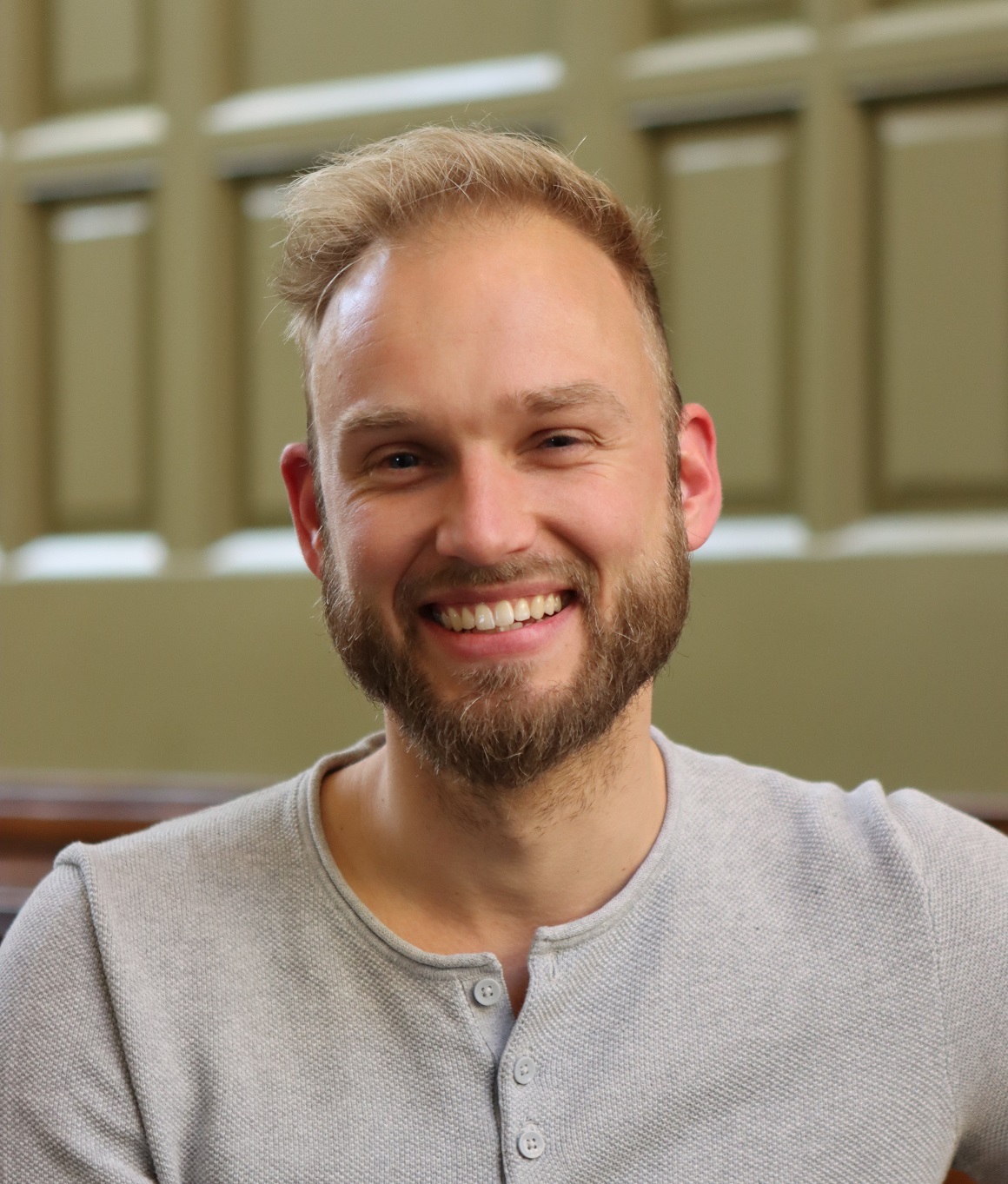
Laurent Krook works as an educational developer and lecturer at the faculty of behavioral and social sciences, and, since last november, he was elected as a labor union representative for the Algemene Onderwijsbond (AOB). In the latter capacity he is a member of the Local Consultative Committee, which discusses (the implementation of) the collective labour agreement with the board of the university. Further, in that role he is a formal and informal counselor for (prospective) education union members at the RUG and involved with Organize the RUG, which aims to strengthen working conditions in our sector by improving membership, active participation and union power.