

CLDR takes next step: new sustainable laboratory building for UMCG and UG for care, research, and education
The UMCG and the University of Groningen (UG) are continuing the development of the new Central Laboratory for Diagnostics and Research (CLDR). In the coming period, the preliminary design will be further elaborated into a final design, bringing the realization of the new laboratory building one step closer.
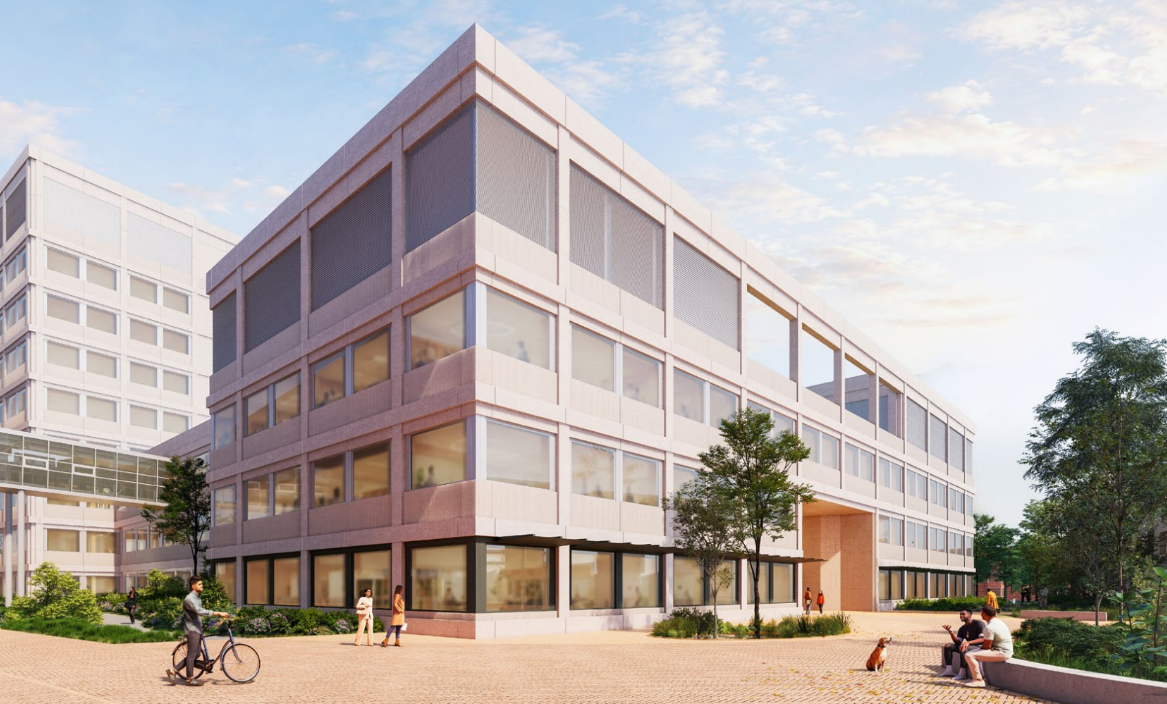
Investment in the healthcare of tomorrow
With the CLDR, UMCG and UG are investing in the healthcare of the future. The building physically brings together laboratory diagnostics, scientific research, and education. By combining these functions, an environment is created where knowledge sharing, collaboration, and innovation are natural. This integration enables faster translation of diagnostic developments into daily patient care. Researchers, laboratory specialists, healthcare professionals, and students work more closely together, ensuring that new insights quickly lead to better diagnostics, new treatment options, and more efficient care processes.
Additionally, the new CLDR building provides space for joint use of advanced equipment and facilities. This not only enhances the quality and continuity of diagnostics and research but also contributes to the efficient use of resources and expertise. In this way, the CLDR strengthens the position of UMCG and UG as a leading center for diagnostics, health research, innovation, and education, with direct added value for patients in Northern Netherlands and beyond.
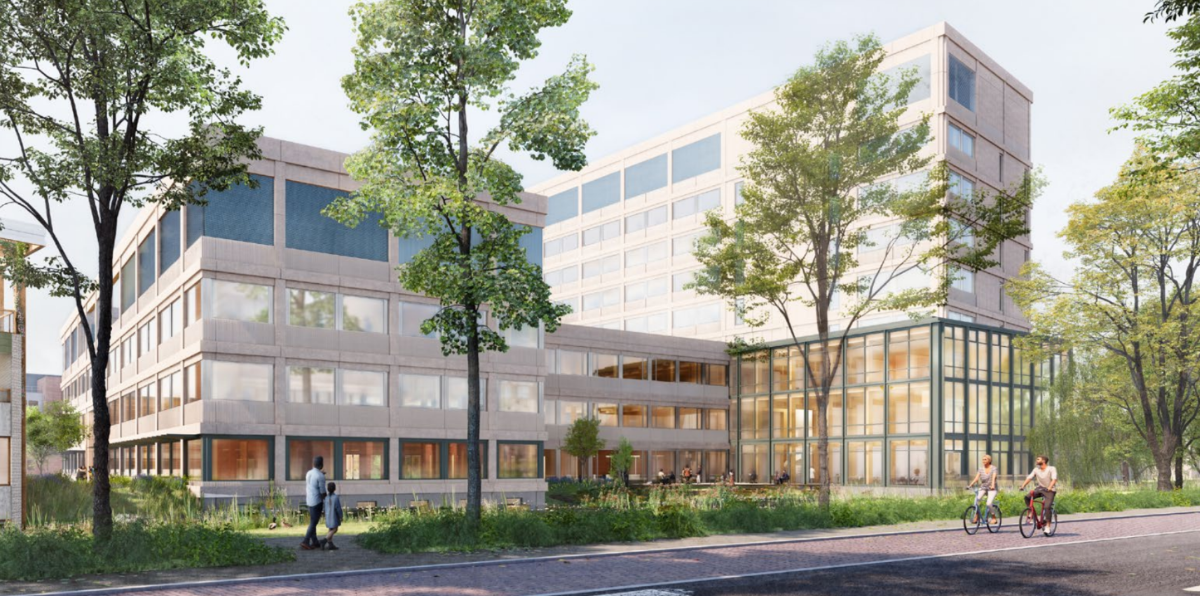
Sustainable in a green environment
Sustainability plays a central role in the design of the CLDR. The building will feature a wooden load-bearing structure, significantly reducing CO₂ emissions compared to traditional construction methods. Energy-efficient installations and connection to a central heat and cold storage system ensure efficient and future-proof energy use. Additionally, the feasibility of a central freezer facility is being explored, reducing the need for individual freezers. This lowers energy consumption while increasing the operational reliability of storing valuable samples and research materials.
The immediate surroundings of the CLDR will also be sustainably designed. Green roofs, water retention, and more greenery in public spaces contribute to an attractive and climate-resilient campus.
A place where care, research, and education converge
The CLDR will be more than just a new building. It will create a dynamic environment where diagnostics, research, and education reinforce each other, and where professionals, researchers, and students collaborate on innovations for the healthcare of tomorrow. With this, the CLDR makes an important contribution to better patient care, talent development, and the further strengthening of the Healthy Ageing Campus Groningen.
More news
-
-
03 September 2026
Ming Cao reappointed as scientific director of the Jantina Tammes School
-
01 September 2026
Evrim Ursavas appointed scientific director Wubbo Ockels School