


Drenthe residents with gas extraction damage experience more stress-related complaints and less trust, despite growing sense of safety
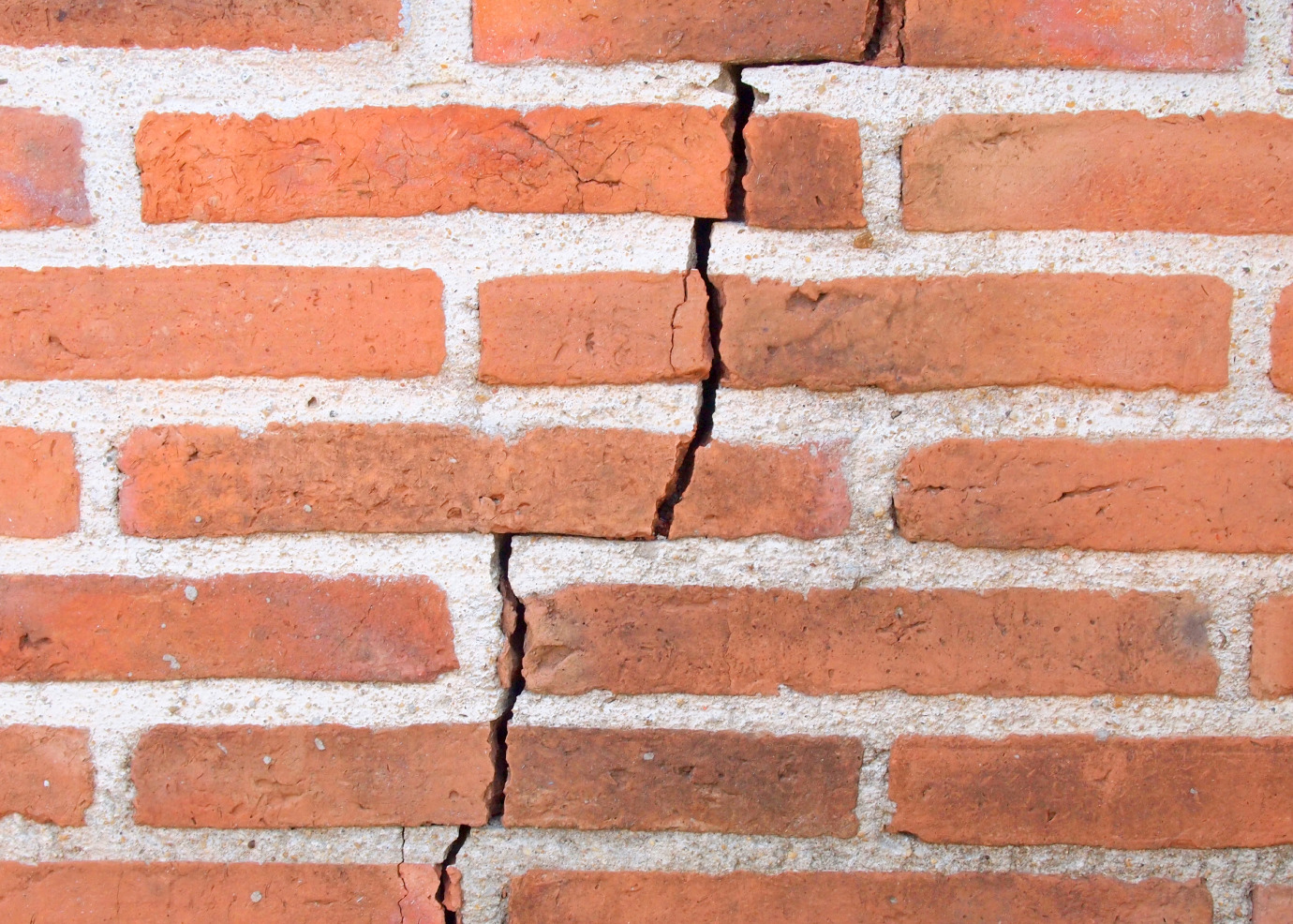
The impact of the gas extraction does not stop at the provincial border of Groningen: Drenthe residents who report housing damage due to gas extraction experience more stress-related complaints and less trust in the government compared to respondents without damage. At the same time, their sense of safety has slightly increased over the past year. This is evident from three surveys conducted between April 2024 and April 2025 in a joint study by the University of Groningen and Nivel.
The research began in the spring of 2024 with a sample of residents from Drenthe. It is part of the Gronings Perspectief project, which has been measuring the impact of gas extraction on the residents of Groningen since 2016.
More health complaints but also more safety
Respondents with housing damage experience more stress-related health complaints than those without damage. This group primarily resides in the northern part of Drenthe, near the border with Groningen. They also report more feelings of anger and powerlessness and experience less hope. Interestingly, stress complaints have increased between April 2024 and April 2025, while the overall sense of safety has slightly risen. However, a difference remains: respondents with earthquake damage still feel less safe than those without damage. Trust in the government in Drenthe has decreased between 2024 and 2025; respondents report less trust in the national government, the provincial government, and especially their own municipality.
About the study
This study is part of Gronings Perspectief phase 4, which investigates the impact of the gas extraction on residents. Since 2016, the Gronings Perspectief research has been measuring the impact of earthquake damage on the population of Groningen. The University of Groningen and Nivel are conducting the research with funding from the Ministry of the Interior and Kingdom Relations. In the spring of 2024, the study was extended to the province of Drenthe. For this, online surveys were conducted within the Drenthe panel, managed by Trendbureau Drenthe. Between 1,169 and 1,371 respondents participated in the three surveys.
More news
-
24 August 2026
Social media: swimming or drowning?
-
-