
PhD defence of Stefano Bertorini
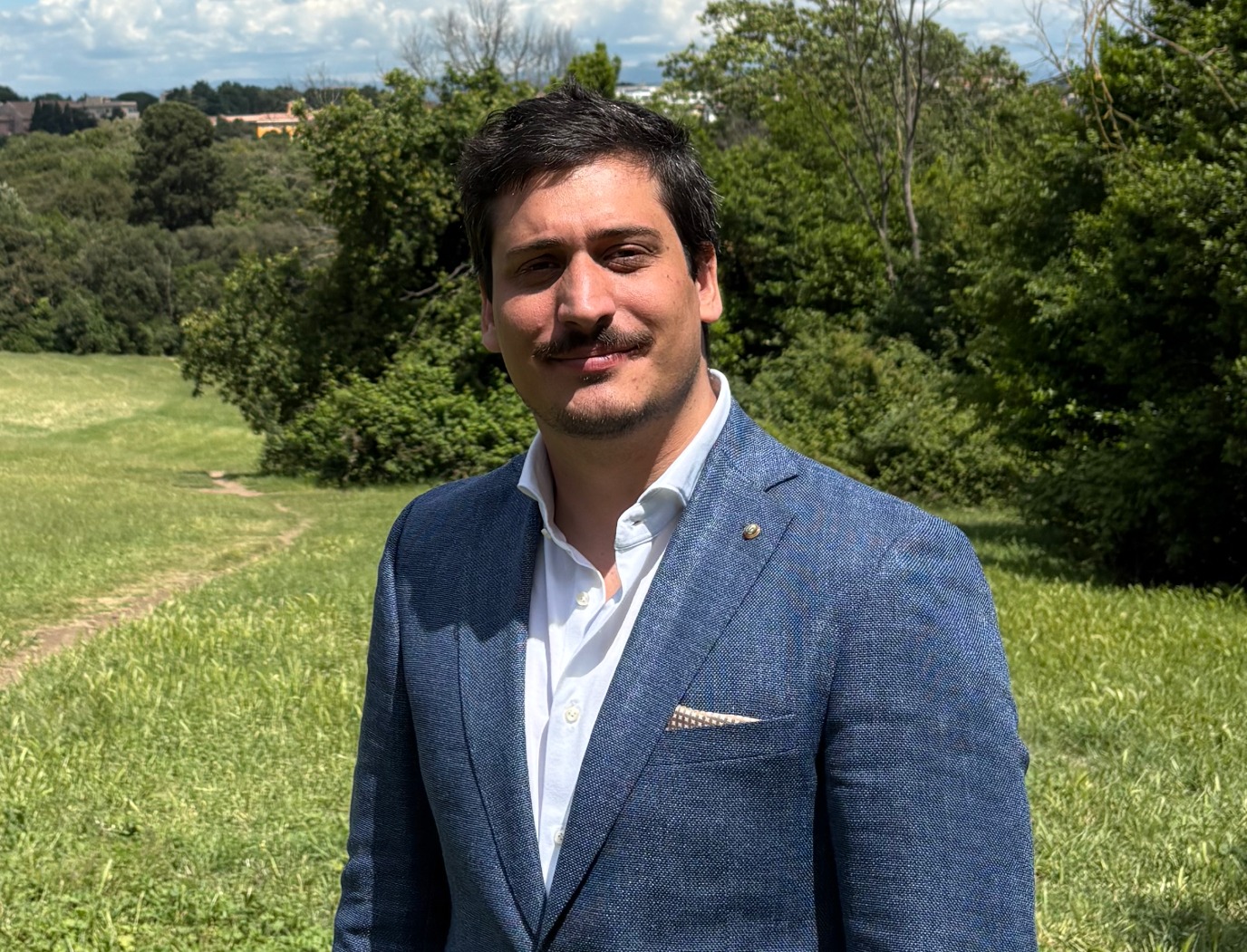
On Thursday 19th November 2026, Stefano will defend his PhD thesis titled "Systemic Regeneration: A Multi-level Approach to Safe and Just Agricultural Transitions" in public at the Auditorium of the Beurs, Campus Fryslân, University of Groningen (Wirdumerdijk 34, Leeuwarden).
Here is the schedule for the day:
-
10:00 Walk-in
-
10:30 Layperson’s talk
-
11:00 PhD defence
It is possible to follow the defence online via the livestream.
About the thesis
Stefano Bertorini’s PhD thesis, Systemic Regeneration, starts with a Dutch farmer called Rob. Rob agrees the environment needs protecting, but every new regulation or environmental proposal feels like a threat to his income and his family’s future. The thesis argues that Rob’s problem is not unwillingness or lack of knowledge. It is that the food system is built in a way that makes doing the right thing financially risky.
The research looks at two linked ideas. Regenerative agriculture restores soil, biodiversity and clean water. Distributive agriculture shares income, risk and decision-making more fairly between farmers and the processors, supermarkets and banks that dominate the food chain. Both are needed, and both are hard to make profitable.
Studying the Netherlands, Bertorini found that change happens, or fails, at three levels at once. On the farm, pioneer farmers find clever ways to earn from regeneration: cutting their reliance on bought-in inputs, teaming up with neighbours, involving local communities, or getting paid for environmental results. Around the farm, networks such as cooperatives and civic food groups can share knowledge, open markets and strengthen farmers’ bargaining power, but only if they genuinely back farmer independence rather than old industrial habits. Above the farm, the system quietly pushes the costs of change onto the very farmers leading it, while rewards keep flowing to those who farm as before.
The conclusion is that none of these levels can help the transition alone. A farmer with a smart business model is still exposed if the network around them is weak, and even strong networks are limited by prices, contracts and policies set higher up. Greener farming therefore cannot rest on the goodwill of individual farmers. It needs farms, networks, businesses and government to move together: paying for the public value regenerative farms create, sharing risk during the transition, and measuring success by more than yield and scale. The real question for any transition is not only what must change, but who pays for it.