

Settler Colonial Paradigms
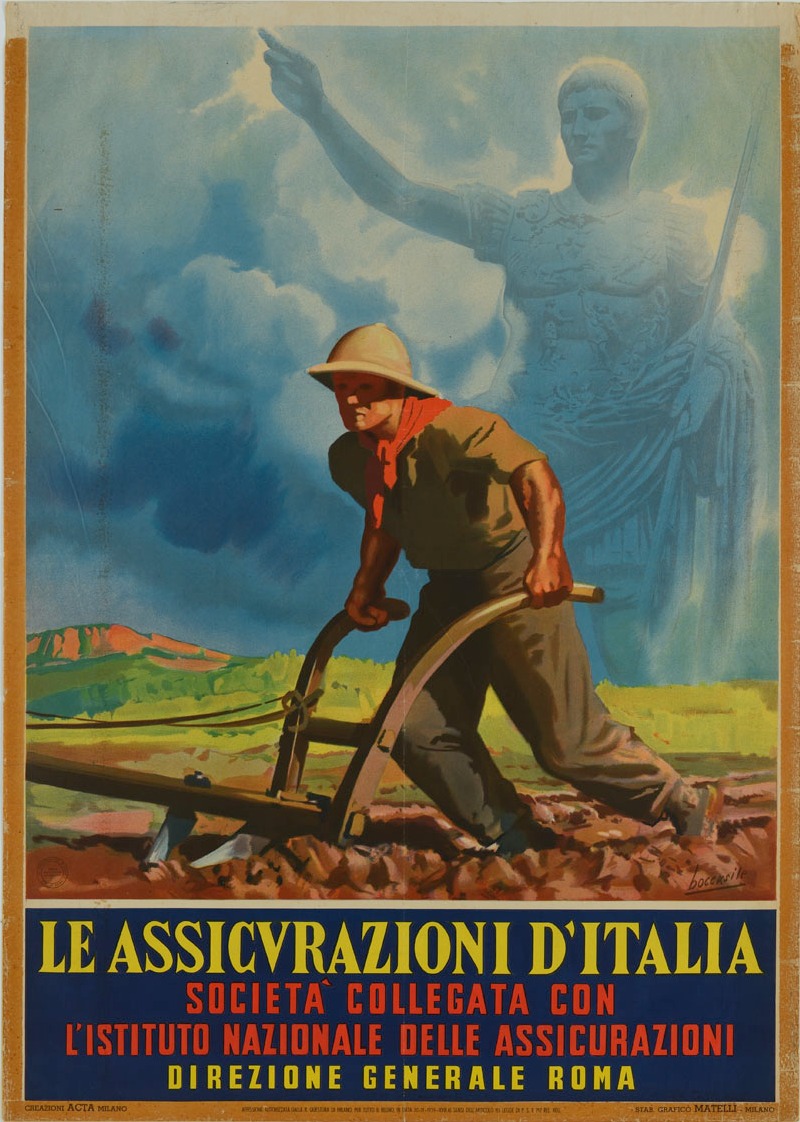
This conference explores the extent to which settler colonialism can be understood as a long-term structure that has evolved since antiquity and continues to shape contemporary societies and the global order. It aims to contribute to current debates within Settler Colonial Studies by examining and critically reassessing theories about the structural forces, mechanisms, and consequences of settler colonialism.
In particular, we evaluate the common hypothesis that settler colonialism in the modern period developed according to a distinct logic and pattern that sets it apart from other colonial formations. We consider the validity of this interpretation, the insights it provides into the deeper causes of settler colonial projects, and possible alternative models.
The first part of the conference focuses on the modern and contemporary period, discussing the emergence and development of settler colonial structures across different geographical and cultural contexts. This section also examines how settler colonial theory can inform our understanding of present-day global challenges. Particular attention is given to the role of the classical tradition—Greek, Roman, and Jewish/early Christian—in shaping and legitimising ideological frameworks and practices associated with modern settler colonialism.
On the second day, the conference turns to the question of whether settler colonialism should be understood as an exclusively modern phenomenon, analysing forms of colonisation in the pre-modern and early modern world and their impact on Indigenous communities.
The conference concludes on the third day with an excursion to the Dutch Colonies of Benevolence, where we will explore settler colonialism and heritage by considering how these colonies should be remembered and which narratives should be told. Particular attention will be paid to the tension between their role in foundation stories and identity formation, and their darker histories of replacement, elimination, and oppression.
Organization and Funding
The conference is organized in the context of the Settler Colonial Paradigms (SECOPS) research programme of the Royal Netherlands Institute in Rome (KNIR) and is generously funded by the University of Groningen (UG). The conference is further organized in collaboration with, and receives additional funding from, the Centre for Historical Studies (CHS/ICOG); the Institute for War, Holocaust, and Genocide Studies (NIOD), the CRASIS interfaculty research institute, and the Rudolf Agricola School for Sustainable Development.