

National Congress on Autonomous Systems 2026, a recap
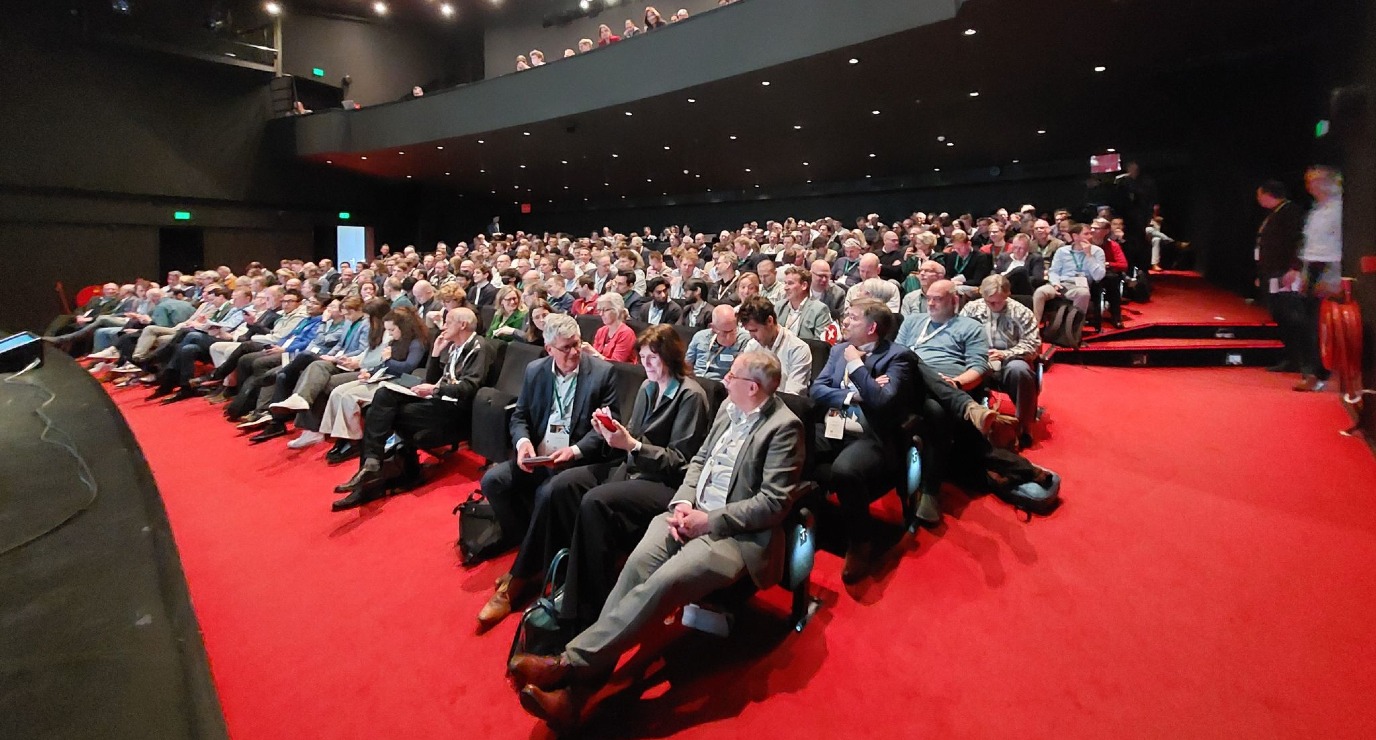
On April 2nd 2026, the Second National Congress on Autonomous Systems took place in Drachten. It brought together scientists, technology suppliers, businesses, and policy-makers to explore the potential of autonomous systems and how we can deploy them responsibly and effectively.
Autonomous systems are moving from lab to life as companies and universities develop, integrate and deploy them in practice. AI building blocks, deep-tech innovation and high-tech machine building converge into working solutions. Autonomy is becoming a core product strategy, strengthening competitiveness and addressing major societal challenges.
The congress was a resounding success — completely sold out (~500 participants), while the level of interest, especially from industry, was truly impressive and shows just how relevant and fast-moving the field of autonomous systems has become.
The programme featured:
-
Keynotes from Prof. dr. S. Shankar Sastry (UC Berkeley) and Matthieu Gallas (Airbus R&D Lead Autonomous Systems)
-
Business track: industry leaders from NVIDIA, KUKA, Demcon, Fyzier, Picnic, UMCG.
-
Science track: Marcel Heertjes (ASML and TU Eindhoven), Raffaela Carloni (University of Groningen), Christian Berger (University of Gothenburg), Claudio de Persis (University of Groningen), Verena Kloes (University of Oldenburg), Jarkko Koskinen (Finnish Geospatial Institute).
-
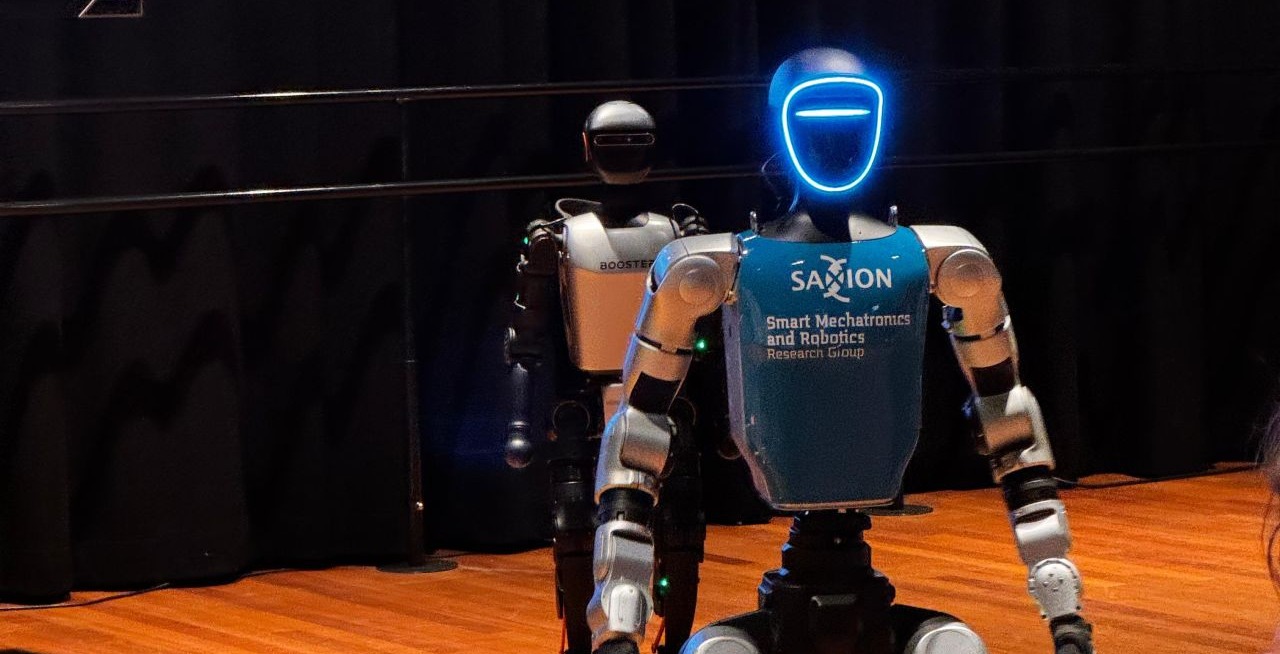
Demo track: cutting-edge autonomous systems in action.
The rector magnificus, Prof. Jacquelien M.A. Scherpen, was the congress moderator and presented her vision on how the UG in collaboration with industry is uniquely positioned to advance in the field of Autonomous Systems.
Prof. Paris Avgeriou from FSE/Bernoulli was co-organiser of the congress and coordinator of the Science Track. The Science Track brought together leading researchers and innovators from academia and industry to highlight cutting-edge developments in autonomous systems, control, AI, robotics, and trustworthy human–machine interaction.
The programme featured invited talks spanning high-precision industrial motion control, data-driven automation of control design, and the next generation of embodied intelligence in bionic limbs. It also addressed emerging challenges in modern autonomous systems engineering, including the opportunities and risks of LLM-enabled engineering workflows and the need for explainability beyond traditional XAI, focusing on transparency at the level of complete cyber-physical systems. In addition, the track explores the growing importance of geospatial data and precise positioning as key enablers for digitalisation, robotics, intelligent mobility, and large-scale digital twins.
Together, these contributions provided a broad and forward-looking scientific perspective on how autonomy is being shaped— covering technical, application and societal aspects—across domains ranging from semiconductor manufacturing and automotive to assistive robotics and Earth observation.
For more information please contact p.avgeriou rug.nl
More news
-
-
03 September 2026
Ming Cao reappointed as scientific director of the Jantina Tammes School
-
01 September 2026
Evrim Ursavas appointed scientific director Wubbo Ockels School