

Seeing is no longer believing: AI-generated visual and multimodal disinformation in the age of crisis
AI Multimodal (Visual) Disinformation: Challenges, Theories, and Methods
The workshop aims to bring together researchers working on AI-generated visual and multimodal disinformation to discuss key theoretical challenges, societal implications, and methodological approaches. It is structured around two complementary sessions designed to bridge social-scientific perspectives and computational analysis.The morning session will focus on social-scientific approaches, including the theoretical mechanisms, societal challenges, and narrative logics of AI-driven multimodal disinformation. The afternoon session will focus on technical and computational approaches, particularly how AI-generated multimodal disinformation can be identified, verified, and analysed in real-world settings.
Morning Keynote by Florian Schneider
Contested Information Flows in East Asia: The Politics of Deceit and Uncertainty in an Age of AI
Artificial intelligence is reshaping how disinformation spreads. In this talk, Florian Schneider discusses how AI intersects with contested information flows in East Asia, a region experienced in dealing with digital media rumours, online manipulations, and foreign influence campaigns. AI has to the potential to aggravate the dynamics of disinformation. It radically increases the scope of potential surveillance and analysis, the ability to generate fake media content quickly and at low cost, and the risk of social biases inherent in deceptive chatbots. But to fully appreciate how and when technology interacts with the politics of deceit and uncertainty, we need to also ask what drives disinformation in complex information environments more generally: what role do social factors, economic incentives, and political interest play? Drawing on cases from the Chinese-speaking world, as well as interviews with fact-checkers, policymakers, digital literacy advocates, and analysts in Taiwan, this talk explores what is at risk in increasingly AI-driven information societies, and what stakeholders might do about it.
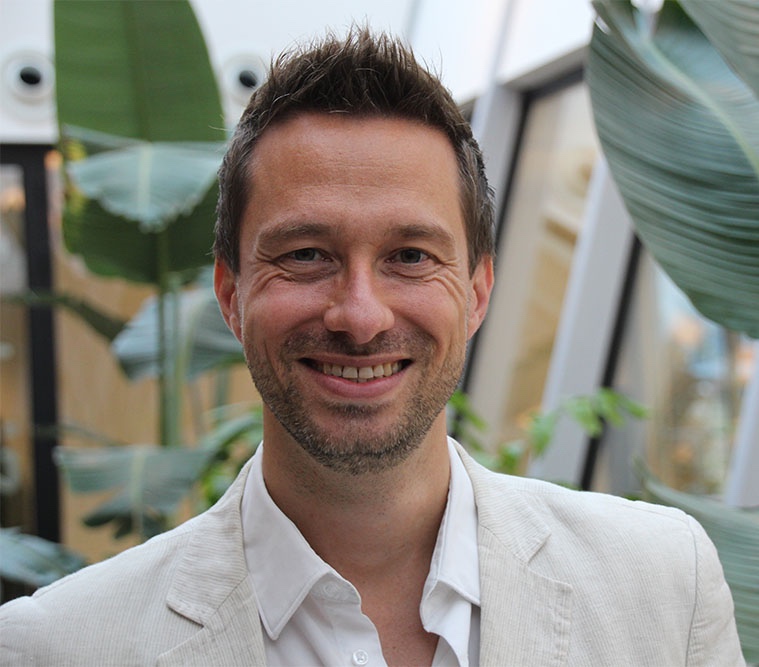
Florian Schneider is Chair Professor of Modern China at the Leiden University Institute for Area Studies. He is managing editor of Asiascape: Digital Asia and the author of several books, including: Studying Political Communication and Media in East Asia - A Playful Approach (Amsterdam University Press, 2025), Staging China: the Politics of Mass Spectacle (Leiden University Press, 2019, recipient of the ICAS Book Prize 2021 Accolades), and China’s Digital Nationalism (Oxford University Press, 2018).
Afternoon Keynote by Hannes Mareen
Diffusion models are widely known for generating new images from text, but their capabilities extend much further, into restoration, enhancement, compression, and editing. These AI tools unlock impressive creative and technical possibilities, but also blur the line between real and synthetic content, posing new challenges for multimedia forensics. AI-based compression may appear content-preserving, yet it can subtly alter image semantics. This poses serious risks, for instance, when analyzing sensitive material such as surveillance footage. Moreover, such processing can introduce artifacts resembling those of generative models, meaning authentic media might be incorrectly flagged as synthetic. Even more disruptive, diffusion-based regeneration can erase forensic traces used for watermarking, deepfake detection, or image forgery localization. This can occur intentionally in targeted attacks or unintentionally through image processing such as super-resolution. Finally, current image forgery localization methods fail to localize edits performed by new AI-based inpainting methods because they fully regenerate the edited images. As AI-based regeneration becomes embedded in everyday media workflows, multimedia forensics must evolve to safeguard trust in visual evidence in the era of generative AI. Future research could explore automated detection of miscompressions, detection of a media’s processing history, and forensic methods robust to laundering.
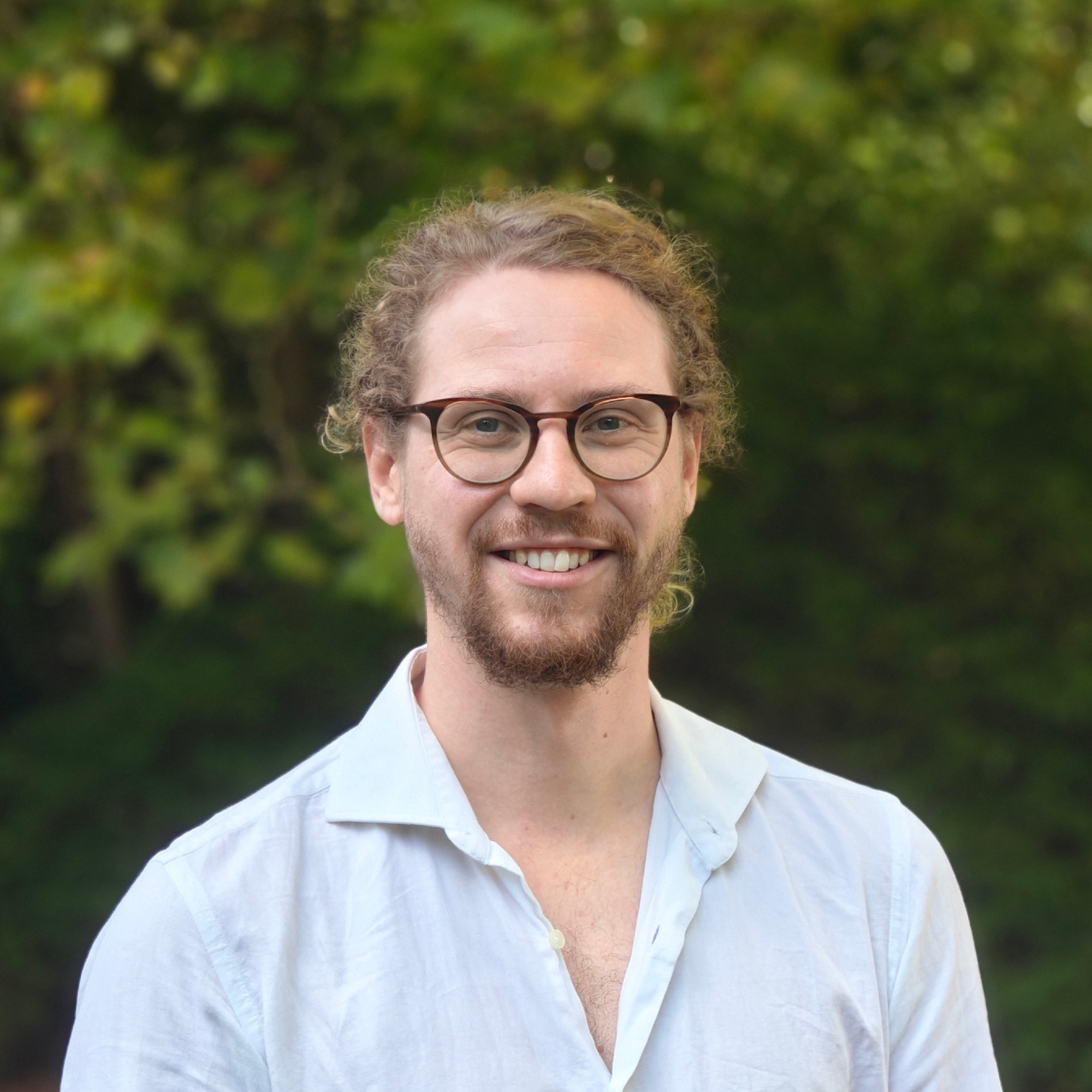
Hannes Mareen is a postdoctoral researcher at IDLab-MEDIA, Ghent University – imec, Belgium. Hannes specializes in multimedia forensics, security, compression, and related applications. Within forensics, he has contributed to work on (deep)fake image detection, video watermarking, perceptual hashing, and more. For example, he contributed to the COM-PRESS Image Manipulation Analysis Dashboard for fact-checkers, the Comprint method for image forgery localization, and the TGIF dataset of text-guided inpainted images.