

Behind the DCC Scenes: Giulio Rosani
Would you like to know more about the people who work at the UG Digital Competence Centre? In our behind-the-scenes series, our data stewards, IT consultants, and data protection professionals share their role and their perspectives on the research landscape of data and software. In this edition: Giulio Rosani.
Text: Giulio Rosani
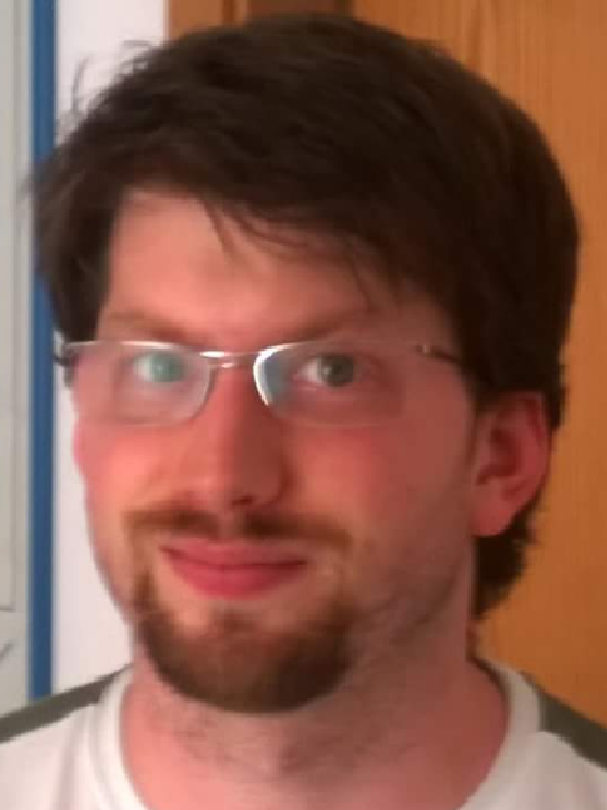
My role within the DCC is that of general data steward, which in my mind means being involved in many of the DCC’s activities. What it doesn’t mean is to end up being overwhelmed with tasks that come from each possible direction and that I have no control over. So, how do I make sure I can work on all the topics I find important, but still keep my sanity? Well, there is a secret technique that comes in useful to me: the ancient art of the “collaboration”. Or more commonly known as “ask your colleagues for help”. And the DCC team is a very good place to be if you want to collaborate. Let me explain.
There is a secret technique that comes in useful to me: the ancient art of the “collaboration”. Or more commonly known as “ask your colleagues for help”
If you were not aware of how the DCC is structured, there are three main solution groups that focus on three different areas of data management: The Privacy & Data Protection, IT, and Archiving & Publishing solution groups. As a member of the IT solutions group, my focus is on the IT tools used at the UG and the storage and workspaces available to researchers. What I am not focusing on is aspects of the GDPR or archiving and publishing procedures and best practices. I have some knowledge of it, don’t get me wrong, but I will never be able to reach the level of depth that other colleagues in different solution groups have on these topics.
My focus is on the IT tools used at the UG and the storage and workspaces available to researchers
Which is where the secret technique comes in handy! Collaboration! Lucky for me, I don’t have to know everything about all aspects of data management. I just need to know enough to understand which one of my colleagues can help me out or point me in the right direction. After that, I am just a quick coffee run away from solving my problem. Sure, certain issues require more in-depth work, and sometimes I have to ask a colleague if they actually have the time to help, but what I find important is that I feel comfortable enough in this team to approach someone and ask for their input.
Of course, this goes both ways. I have my own field of expertise that can help my colleagues along. This is why I try to be present in our main office each day for most of the workday to allow colleagues to know exactly where to find me if they have questions or need my input. This counts for my DCC colleagues, but also for the rest of the CIT. I’m always glad to be able to contribute to someone else’s project, if my input is needed. Also, getting invited to drink a coffee and have an informal chat about work is not a bad feeling.
I like working on a variety of topics
In fact, such informal chats are at the centre of my work with the RDMS team. As the one coordinating the testing of the system before a new version is released, being able to approach my colleagues and keep myself up-to-date also outside of meetings is essential to understanding how I want to try and break the system when the testing is due. The more I know, the better we can make sure the RDMS works smoothly and securely. And as a side effect, I also end up learning a lot about software engineering best practices, which is once again not my field, but a very interesting topic, if you ask me.
To sum it up, I like working on a variety of topics. Sometimes I bite more than I can chew on my own, but that doesn’t matter, because it just means that I will learn something new from one of my colleagues!
More news
-
-
19 October 2026
From research to business: RUG Ventures helps ideas move forward
-
03 September 2026
Ming Cao reappointed as scientific director of the Jantina Tammes School