

Onderzoeker
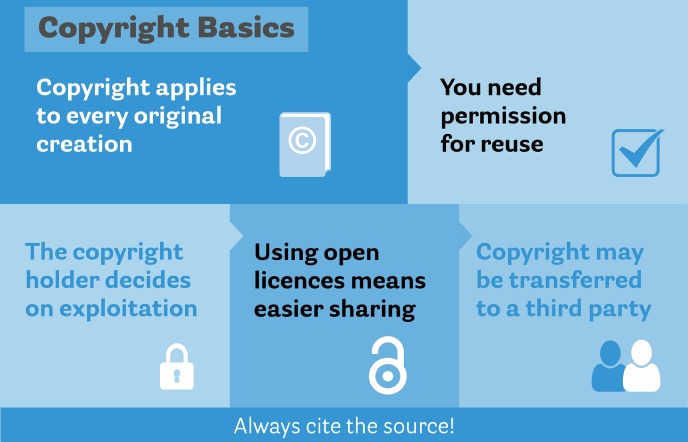
Als onderzoeker kom je voor veel keuzes te staan waarbij het auteursrecht een rol speelt. Hieronder staan de belangrijkste thema’s op rij met links naar aanvullende informatie.
Archiveren in Pure
Pure is het onderzoeksinformatiesysteem (CRIS) van de Rijksuniversiteit Groningen, waarin alle onderzoeksoutput binnen de universiteit wordt opgeslagen. Het archiveren van publicaties in een open access repository van de universiteit wordt ook wel green open access genoemd. Leer hoe je jezelf en je publicaties kunt presenteren in Pure.
Je rechten als auteur & uitgeverscontracten
Uitgeverscontracten: wat zijn je rechten als auteur?
Volgens de auteurswet komt bij een werk dat gemaakt is door een maker in dienstverband, het auteursrecht in de regel toe aan de werkgever. Dat zou betekenen dat de Rijksuniversiteit Groningen als auteursrechthebbende kan worden aangemerkt. Bij de RUG is het echter beleid om wetenschappelijke werken en boeken daarvan uit te zonderen. Daardoor ben jij als auteur van een wetenschappelijk werk, of dit nu een boek of een artikel is, meestal de eerste auteursrechthebbende van het werk. Wanneer meerdere personen een oorspronkelijke bijdrage hebben geleverd aan het werk, delen zij het auteursrecht. Dit auteursrecht geeft de auteur onder meer het exclusieve recht om, onder andere, kopieën van het werk te maken, het te verkopen of te verspreiden en aanpassingen te maken, zoals vertalingen. Wanneer je gebruik maakt van materiaal van derden, zoals afbeeldingen, foto’s, grafieken, tabellen en lange citaten, dan dien je als auteur zelf zorg te dragen voor juiste bronvermeldingen en naamsvermeldingen én voor de benodigde toestemmingen voor het hergebruik.
Je werk publiceren
Wanneer een uitgever je boek accepteert voor publicatie zal gevraagd worden een overeenkomst te ondertekenen. In deze overeenkomst wordt vastgelegd wie het auteursrecht bezit, welke rechten de auteur en de uitgever hebben (bijvoorbeeld met betrekking tot hergebruik of vertalingen), afspraken over eventuele royalties en de wijze van citatie.
Dergelijke overeenkomsten worden bijvoorbeeld aangeduid als Copyright Transfer Agreement, Author Agreement of License to Publish.
Boekcontracten
Boekcontracten verschillen per uitgever en kunnen complex zijn. Wanneer je een contract ondertekent om je werk te publiceren, is het belangrijk te controleren of je eigen rechten voldoende zijn gewaarborgd en of het contract rekening houdt met eventuele verplichtingen tegenover je werkgever en/of de financier van je onderzoek.
In veel gevallen houdt een overeenkomst in dat een deel van het auteursrecht of bepaalde exploitatierechten aan de uitgever worden overgedragen. Dit kan gevolgen hebben voor de manier waarop je je eigen werk later kunt gebruiken. Het is daarom raadzaam om vooraf na te denken over mogelijk toekomstig gebruik van je werk, bijvoorbeeld in je onderwijs, in toekomstige publicaties of bij het maken van een vertaling.
Uitgevers vragen vaak om (alle) exploitatierechten over te dragen. Dat hoeft echter niet. In veel gevallen is het mogelijk om de overeenkomst aan te passen aan de wensen van de auteur(s).
Taverne
Vanaf 1 mei 2021 worden de uitgeversversies (publisher’s version) van alle korte publicaties (artikelen en boekhoofdstukken) van UG-/UMCG-medewerkers die niet eerder open access zijn gepubliceerd openbaar gemaakt via Pure. Dit gebeurt steeds na zes maanden en met vermelding van de bron van de eerste openbaarmaking.
Dit is mogelijk dankzij artikel 25fa van de Auteurswet (ook bekend als het amendement Taverne), dat onderzoekers van Nederlandse universiteiten het recht geeft om hun korte wetenschappelijke publicaties na een korte embargoperiode open access toegankelijk te maken.
Publiceren in open access
Open access betekent vrije, onmiddellijke en permanente toegang tot academisch onderzoek. Door je onderzoek open access te publiceren onder een vrije licentie stel je lezers in staat om het materiaal vrijuit te raadplegen, verspreiden en hergebruiken. Het open access-team van de Universiteitsbibliotheek informeert en adviseert je over alles omtrent open access en open science in bredere zin met informatie over publiceren, uitgeversdeals, archivering in Pure en meer.
Publiceren bij University of Groningen Press
Publiceren bij University of Groningen Press
University of Groningen Press (UGP) ondersteunt redacties en auteurs bij het oprichten en publiceren van digitale wetenschappelijke tijdschriften en boeken. Met deze dienstverlening wil UGP haar kennis over digitaal publiceren en het hosten van tijdschriften en boeken inzetten om redacties en auteurs verbonden aan de Rijksuniversiteit Groningen te ondersteunen.
Onderzoeksdata
Het Digital Competence Centre (DCC) ondersteunt uw onderzoek gedurende de hele onderzoeks(data) levenscyclus, vanaf de subsidieaanvraag tot FAIR data archivering. De website van het DCC geeft een overzicht van de aangeboden diensten en geeft informatie over alle aspecten van onderzoek op het gebied van IT en data bij de Rijksuniversiteit Groningen.
Het gebruik van Sociale Media data in onderzoek
Verder dien je je te houden aan de bepalingen en voorwaarden van het betreffende platform.
Voor meer informatie over de bovengenoemde aspecten: Digital Competence Centre (DCC)’s website: Using Social Media Data waar ook de ‘DCC guide to using social media data in research’ te vinden is.
Tekst- en datamining (TDM)
TDM (Tekst- en datamining) is een geautomatiseerd proces waarbij grote verzamelingen van data of teksten geselecteerd en geanalyseerd worden om patronen en relaties te ontdekken.
TDM voor wetenschappelijk onderzoek is mogelijk bij alle werken waar onderzoekers rechtmatig toegang toe hebben via hun instelling of omdat de werken vrijelijk toegankelijk zijn op het internet (op legale wijze).
Uitgevers mogen TDM voor wetenschappelijk onderzoek niet contractueel uitsluiten, maar mogen wel regels voor het gebruik van hun databases door text mining tools opstellen bijv. t.a.v. de grenzen aan de snelheid en het volume van de gegevens die kunnen worden gedownload en aan de opslag en verspreiding ervan. Deze regels moeten worden opgevolgd.
Houd er rekening mee dat de toegang tot de full-text databases van de bibliotheek kan worden ingetrokken als de licentievoorwaarden worden geschonden.
Vragen?Heb je vragen over auteursrecht? Neem contact op met copyright rug.nl. Zoek je informatie over auteursrecht in het onderwijs? |