


Recap: Cross-border Health Meet-up 2026 - Prevention without borders
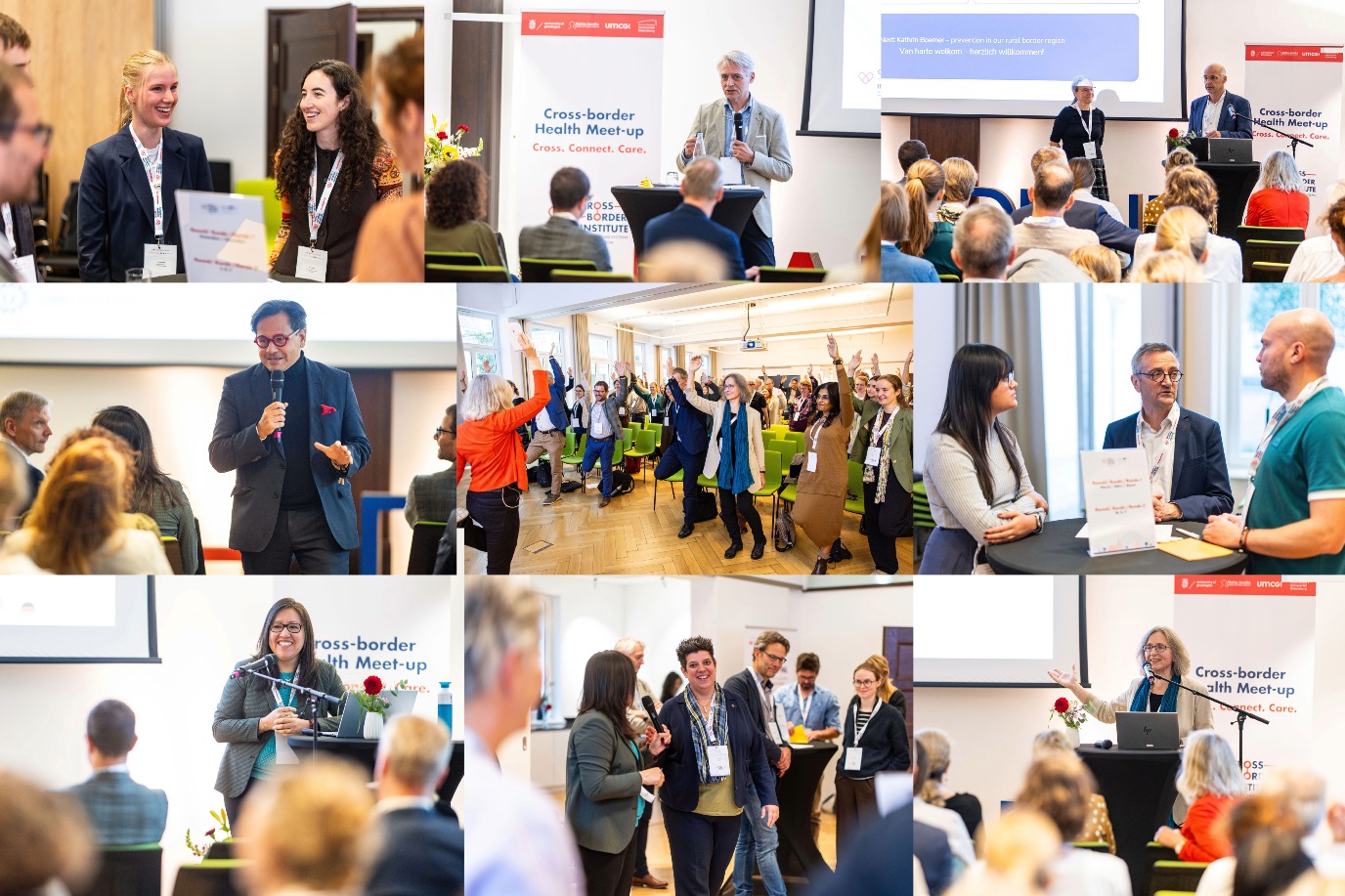
The Cross-border Health Meet-up: Prevention without Borders on October 9 in Oldenburg provided an opportunity to engage in dialogue about prevention “without borders”, both literally and figuratively, through joint research, projects, and collaboration.
Researchers, policymakers and healthcare professionals came together to exchange ideas, share perspectives and learn from one another’s work. Together, they explored how cross-border collaboration can contribute to stronger prevention efforts.
In this recap, we look back on the event with the CBI Executive Board. What were their key takeaways, and what will they take forward?
‘The Cross-border Health Meet-up in Oldenburg provided a great opportunity to connect researchers, healthcare professionals, and policymakers from both sides of the Dutch-German border. It was encouraging to see the strong interest in working together and the many opportunities for collaboration that emerged throughout the day.
One of the main messages I took from the keynotes by Prof. Dr. Gabriele Bolte (University of Bremen) and Prof. Dr. Oscar H. Franco (University of Utrecht, UMC Utrecht) was that prevention cannot be addressed by the healthcare sector alone. Improving population health requires a broader perspective, involving different sectors and stakeholders and paying attention to social and environmental factors.’
Stefan Pichler moderated the parallel session: Responding to Regional Needs Through a Dynamic Mental Health Prevention Programme: The Implementation and Ongoing Adaptation of Mentaal Gezond Groningen
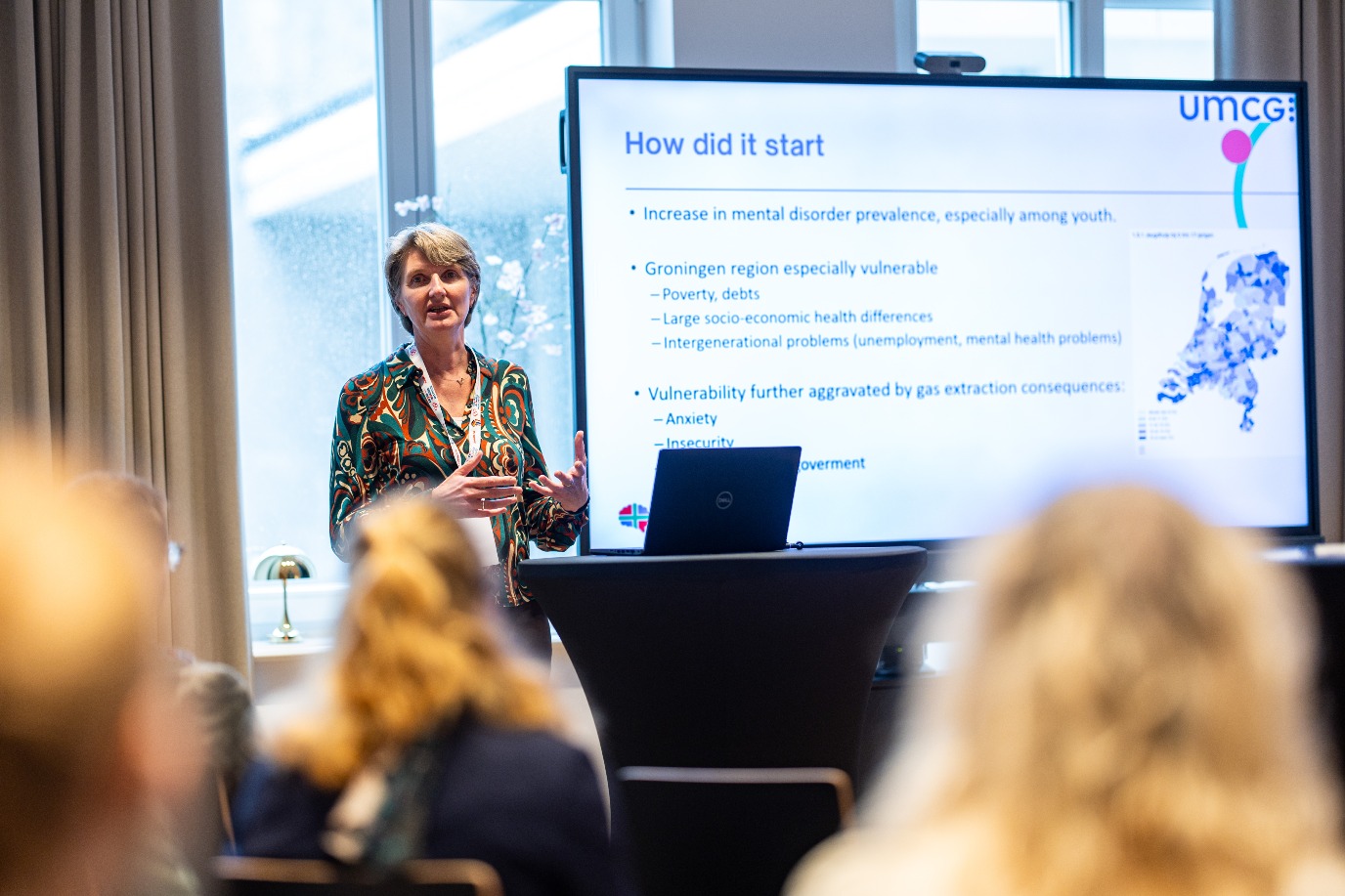
‘Dr. Frederike Jörg (UMCG) and Dr. Nessa Millet (UMCG) presented the work of Mentaal Gezond Groningen, highlighting the importance of a regional and collaborative approach to promoting mental health and preventing mental health problems. An important aspect of the initiative is its focus on prevention and on creating an environment that supports mental well-being, rather than concentrating exclusively on treating mental health problems once they arise.
The presentation showed how bringing together healthcare providers, municipalities, researchers, and other local organizations can help develop a more coordinated approach to mental health. What I found particularly interesting was the emphasis on building a regional network and connecting existing initiatives, rather than developing solutions in isolation.
‘What struck me in conversations throughout the day, as well as across presentations, especially during the afternoon parallel sessions, was the scope of the prevention spectrum covered, ranging from risk mitigation and disease prevention to prevention aiming at maintaining or improving functioning in the face of health problems, including both acute and chronic conditions. Depending on their background and professional focus, attendees expressed particular concern for one or two specific types of prevention or a more general interest in an overarching prevention approach.’
Kathrin Boerner moderated the parallel session: Rehabilitation and Tertiary Prevention in Total Hip and Knee Arthroplasty: Cross-Border Perspectives
‘In this session, Dr. Gesine Seeber (CvO/UMO) and Prof. Dr. Martin Stevens (UMCG) presented their long-standing cross-border research on rehabilitation following hip and knee replacement in Germany and the Netherlands. The focus was on differences between the two healthcare systems and which patient groups benefit most from each approach. Their findings suggest that rehabilitation on both sides of the border should be more closely tailored to patients' individual needs.
To me this work represents an excellent example of successful cross-border collaboration that could serve as a role model. I also found it intriguing that insights from two very distinct healthcare systems nevertheless point to similar service innovation needs, particularly with respect to rehabilitation, highlighting how much we have in common despite our differences. ‘
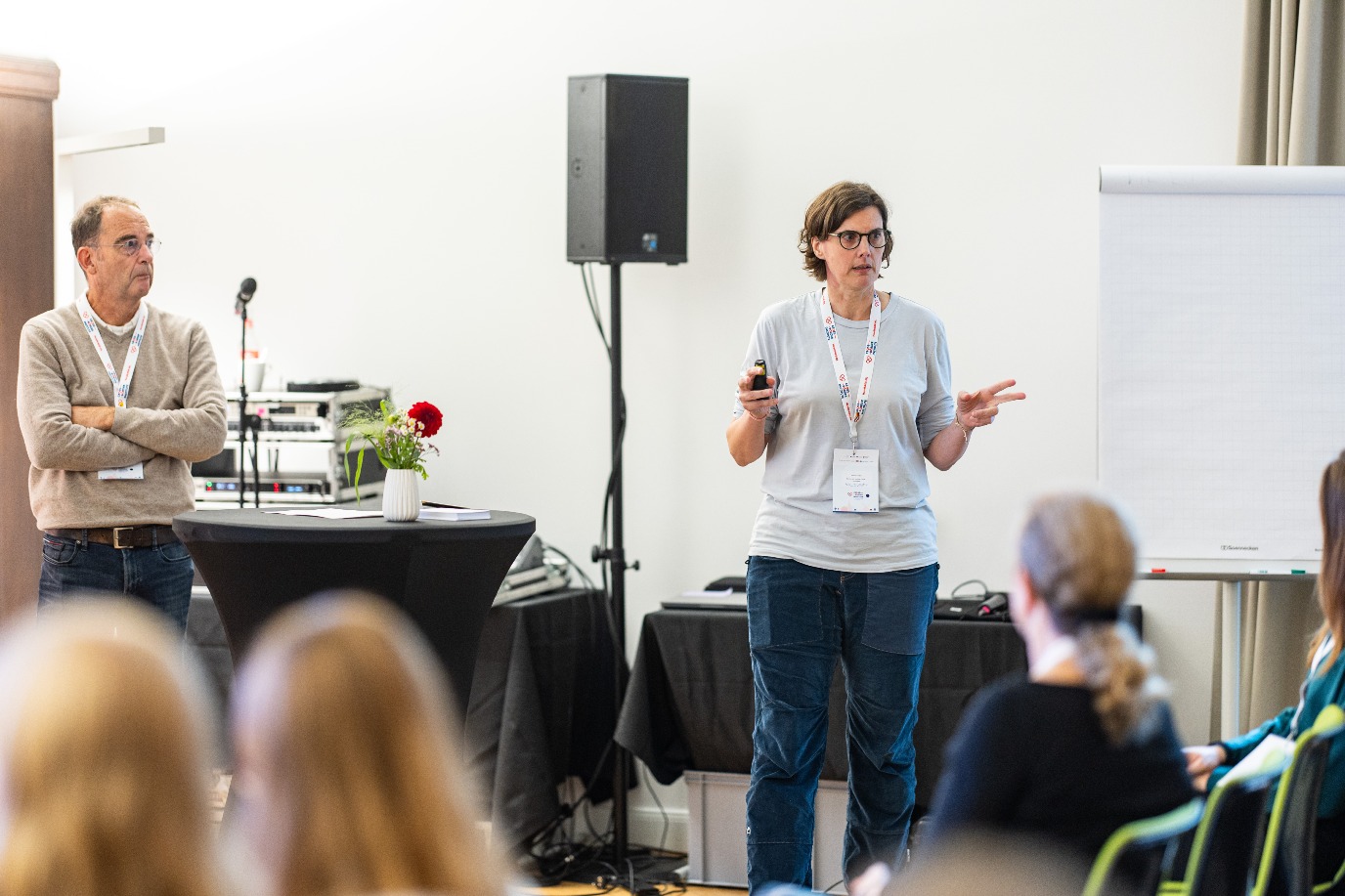
'It was lively, interactive and offered plenty of opportunities for networking! There were interesting keynote speeches that emphasised the importance of prevention in the broadest sense (i.e. not just placing the onus on individuals, but at all levels of the socio-ecological system).'
Mariët Hagedoorn moderated the parallel session: From the Emergency Department to Everyday Life: Rethinking Secondary Fall Prevention in Northwest Germany
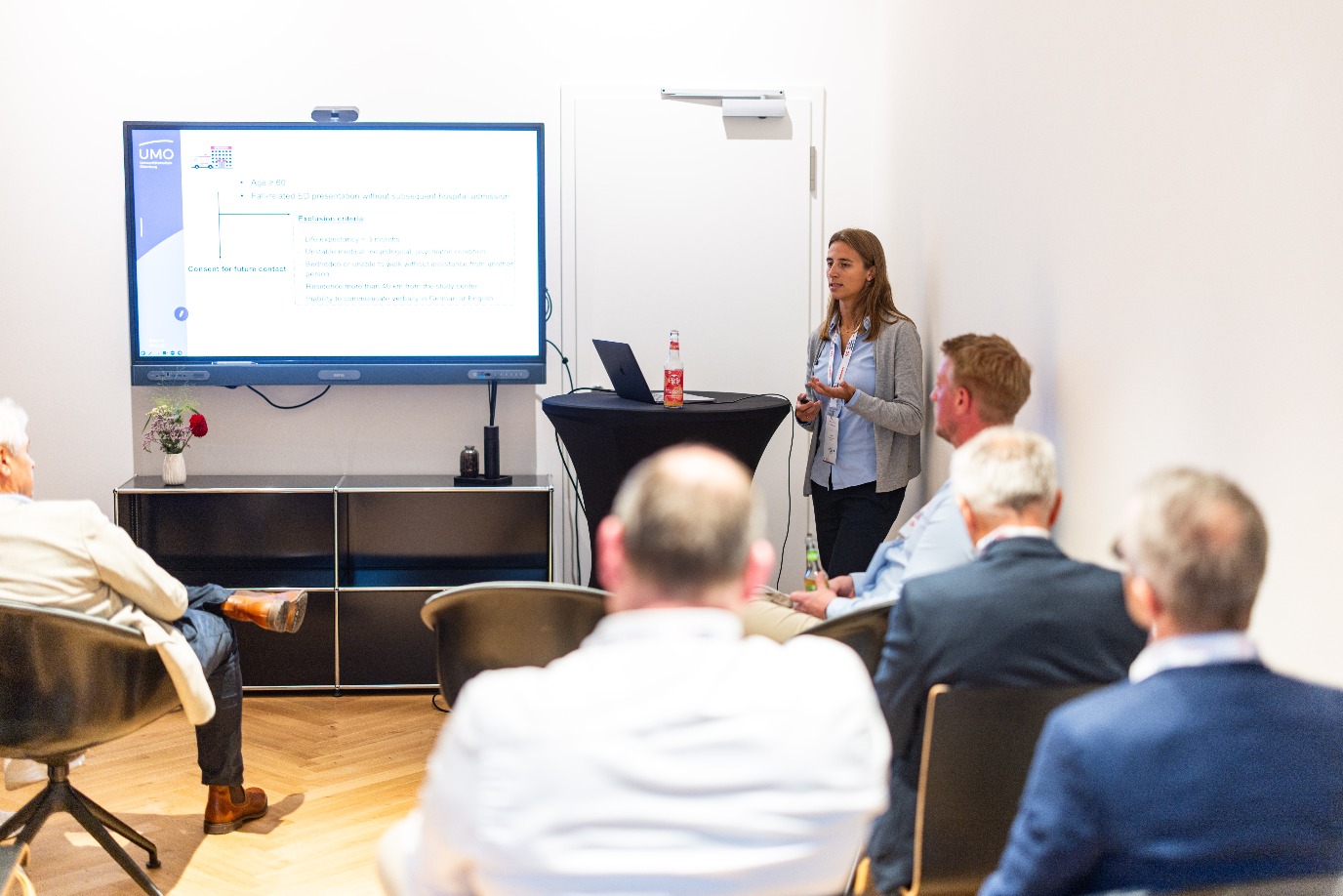
‘During this parallel session, Dr. Tim Stuckenschneider and Laura Himmelmann (UOL) focused on research into improving fall prevention and care for older adults in Northwest Germany following a fall-related emergency department visit. With an estimated 172 million falls worldwide and around 35–40% of people over 65 experiencing a fall each year, the session highlighted the importance of early risk identification, tailored follow-up care, and exercise-based prevention.
Through the SeFallED and iSeFallED research projects, the team investigates the long-term impact of falls on older adults and develops tailored interventions to prevent further falls and maintain functional independence. This session provided valuable insights into the Northwest German approach, allowing the Dutch side to learn from ongoing research and explore opportunities for cross-border collaboration.’
‘The ‘Cross-border Health Meet-up’ in Oldenburg highlighted the different perspectives on the broad topic of prevention in our border region. On the one hand, it became clear that comprehensive interdisciplinary cooperation at various levels is necessary to achieve a lasting impact through preventive measures. On the other hand – and I found this particularly encouraging – there are clearly numerous dedicated people in the healthcare sector, in research and in many other organisations who are willing to make this relevant contribution.’
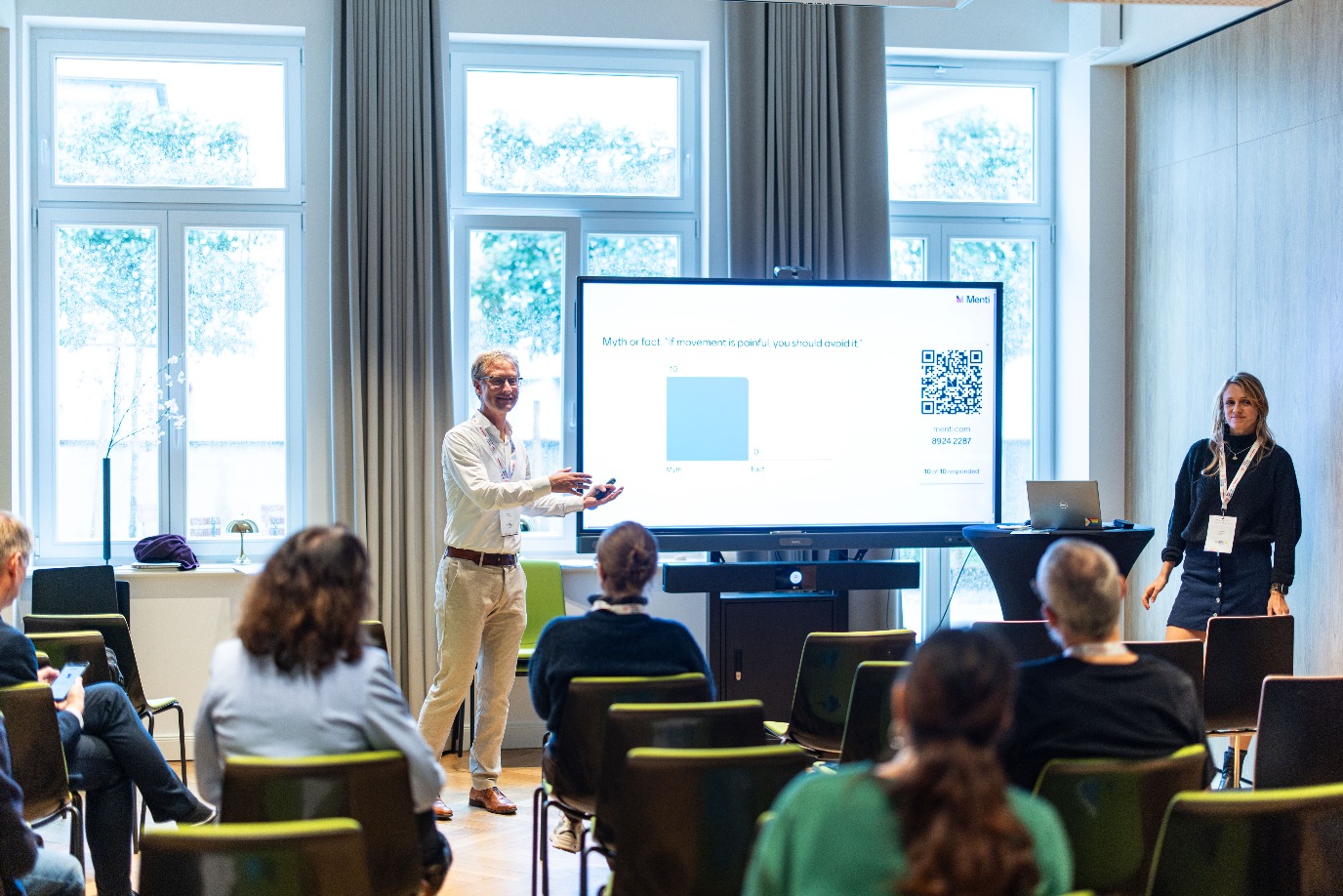
Lars Schwettmann moderated the parallel session: Chronic Pain and Social Disadvantage: Community-Based Prevention Across Borders presented by Dr. Remko Soer (UMCG) and Stefanie Beinert (UOL)
‘Chronic pain is a major health and societal challenge in the German-Dutch Ems-Dollart region, where socioeconomic factors and physically demanding jobs drive significant health inequalities. The xPEDition Pain initiative addresses these issues through prevention, education, optimized care pathways, research, and cross-border collaboration. The campaign combines digital and offline channels, partnering with schools, sports clubs, healthcare professionals, and influencers, to raise awareness and promote effective self-management.
By providing accessible, culturally adapted communication and actively involving local communities, the project empowers vulnerable groups, strengthens professional networks, and evaluates which interventions create sustainable improvements in care.’
The event is made possible by the Health4DE-NL project that is funded by the Interreg IV Germany–Netherlands programme, the European Union, the Niedersächsisches Ministerium für Bundes- und Europaangelegenheiten, and the provinces of Groningen and Fryslân, has a total budget of €3.2 million.
More news
-
19 October 2026
From research to business: RUG Ventures helps ideas move forward
-
-
03 September 2026
Ming Cao reappointed as scientific director of the Jantina Tammes School