

Women in the Special Collections (part 3): Aletta Jacobs
Important women from the history of the University of Groningen of course also need to feature in this series. The first of these is Aletta Jacobs (1854 - 1929), one of the Netherlands’ most prominent feminists. She is still very relevant; this is for instance evident from the new Aletta de Musical. Jacobs was the first female student in the Netherlands who was officially registered, could take her exams and completed her education.
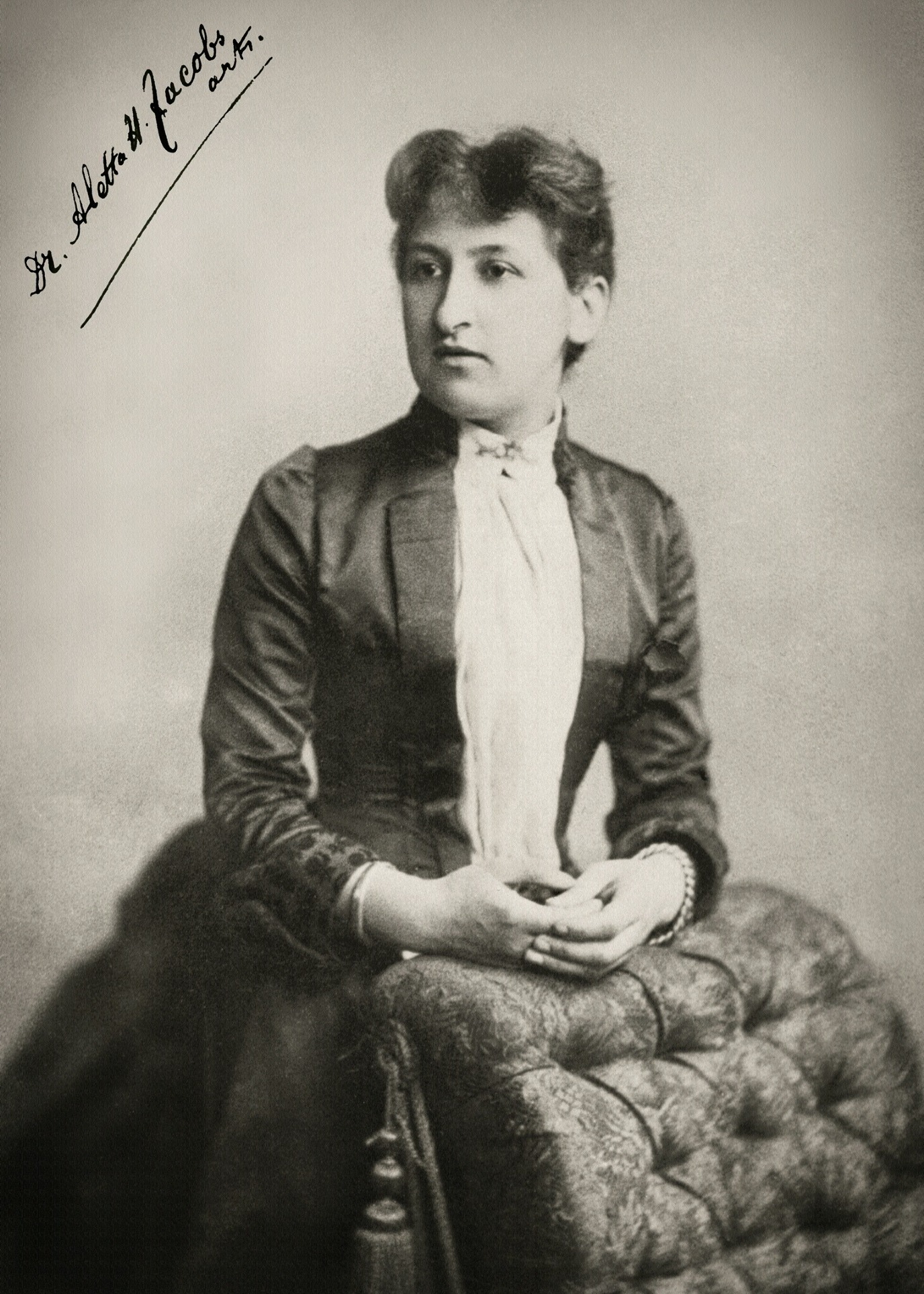
To be able to do this, she wrote a letter to Johan Rudolf Thorbecke, the minister of interior affairs. His position was closer to the position of prime-minister, but that title did not yet exist at the time. Thorblecke allowed her to register and take the exams in maths and physics in preparation for the degree in medicine, but only for one year. The following year, Aletta Jacobs took early exams in several subjects, because Thorbecke was dying and there were concerns that he would be succeeded by someone less liberal. Five days before he passed away, on the 30th May 1872, he gave permission to let Aletta Jacobs be enrolled fully to the university. In 1878 she passed her doctor’s exam and in 1879 she obtained a PhD in the field of medicine; she was 25.
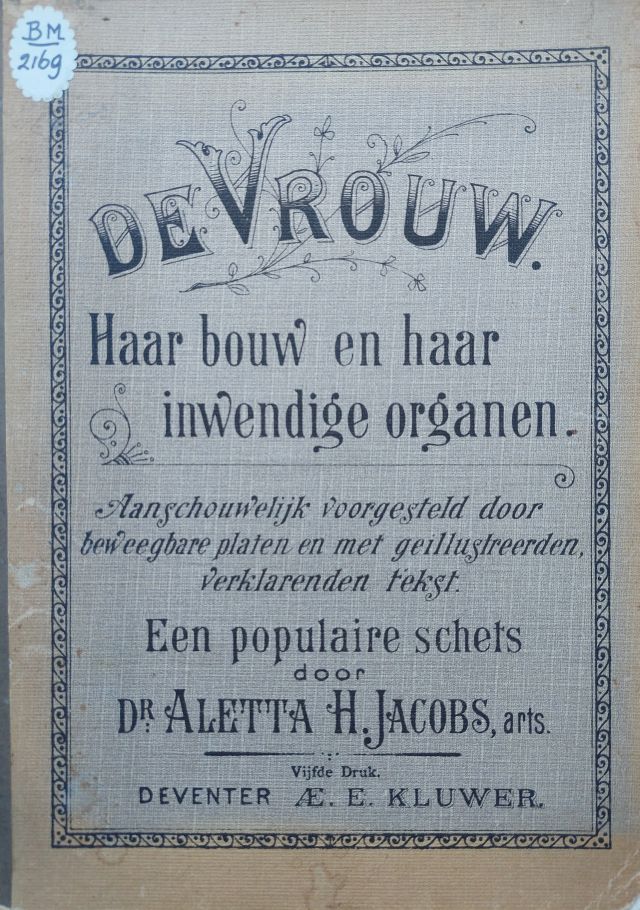
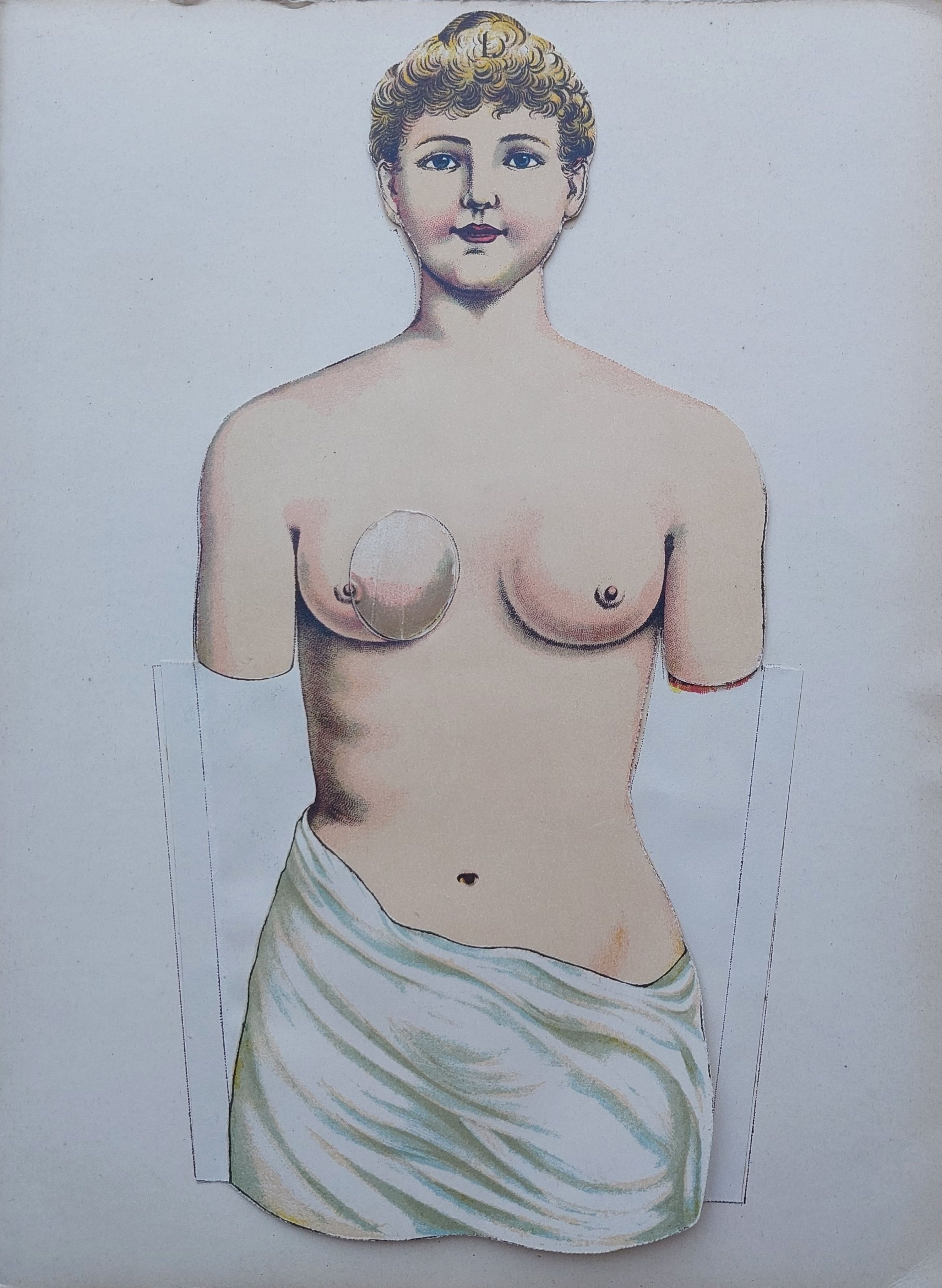
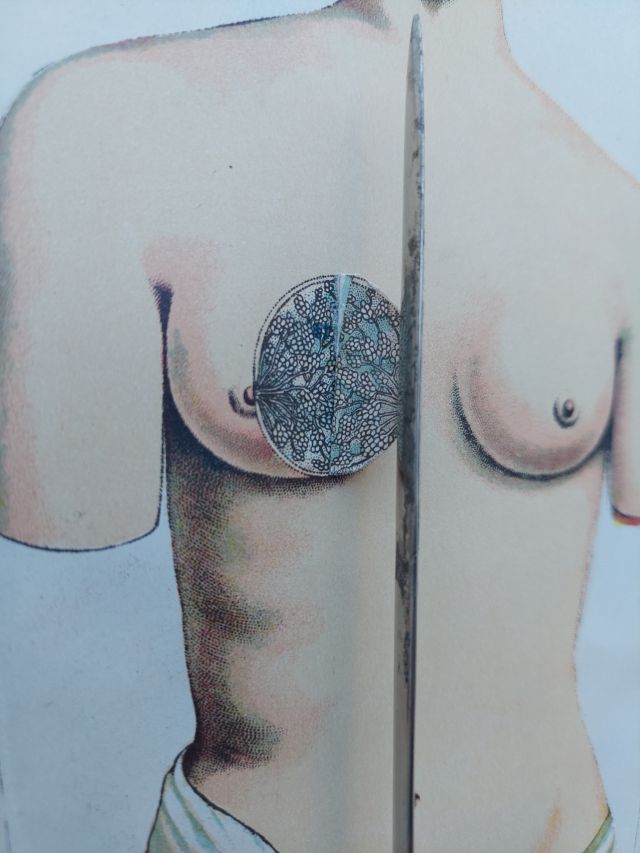
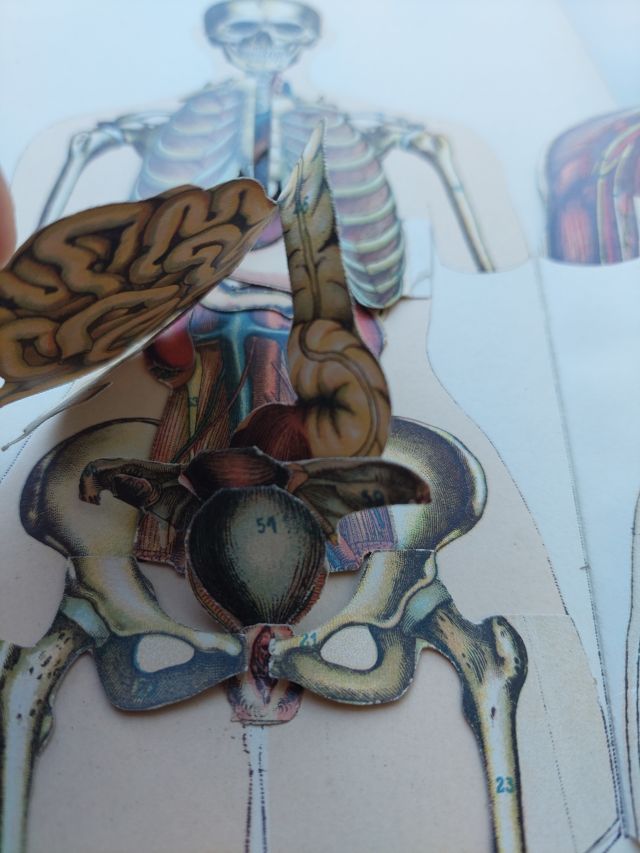
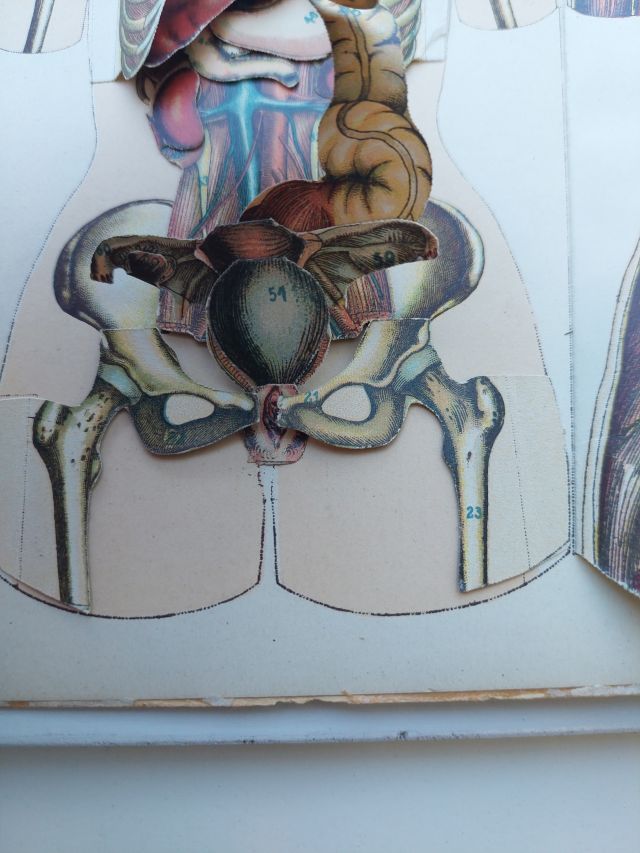
She set up her own GP practice on the Herengracht in Amsterdam. She believed it was important that women could make their own choices. She introduced the diaphragm, a barrier method of birth control that a woman could use herself. She also wanted to teach women how their body works, so they could understand better what happened in their bodies. To achieve this, she wrote a book called De Vrouw : Haar Bouw en haar Inwendige Organen (‘The Woman: Her Build and her Internal Organs’). It is a clear book in modern Dutch with many illustrations. It was very popular! Six editions were published between 1898 and 1921 - something that was very unusual for a popular-scientific work. The University Library has copies from the 4th, 5th and 6th edition. At the back is a model of a woman, printed in colour, which can be folded open completely.
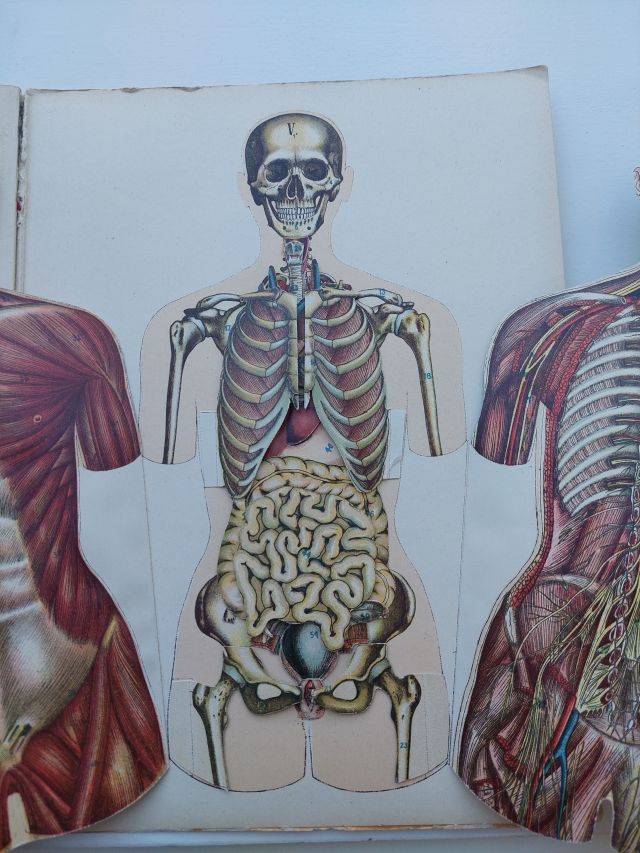
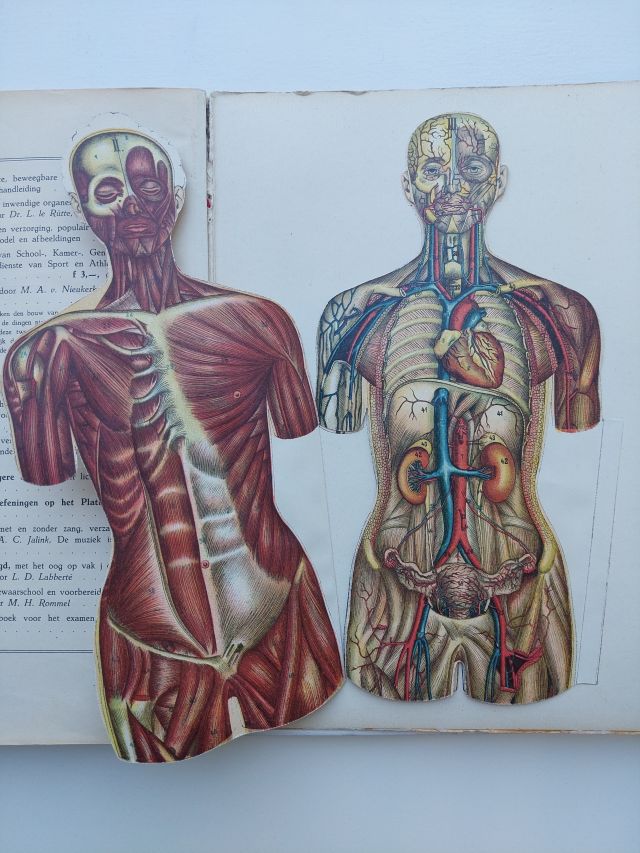
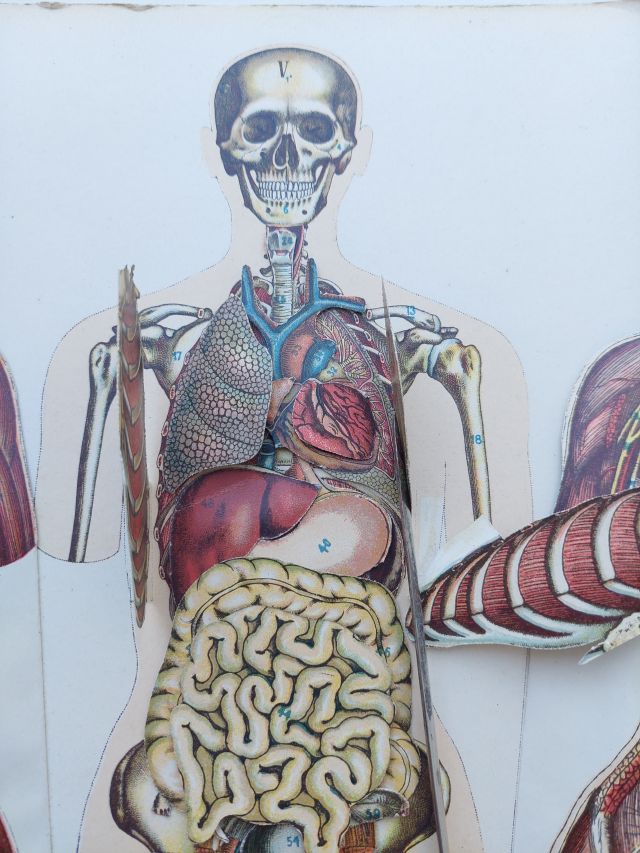
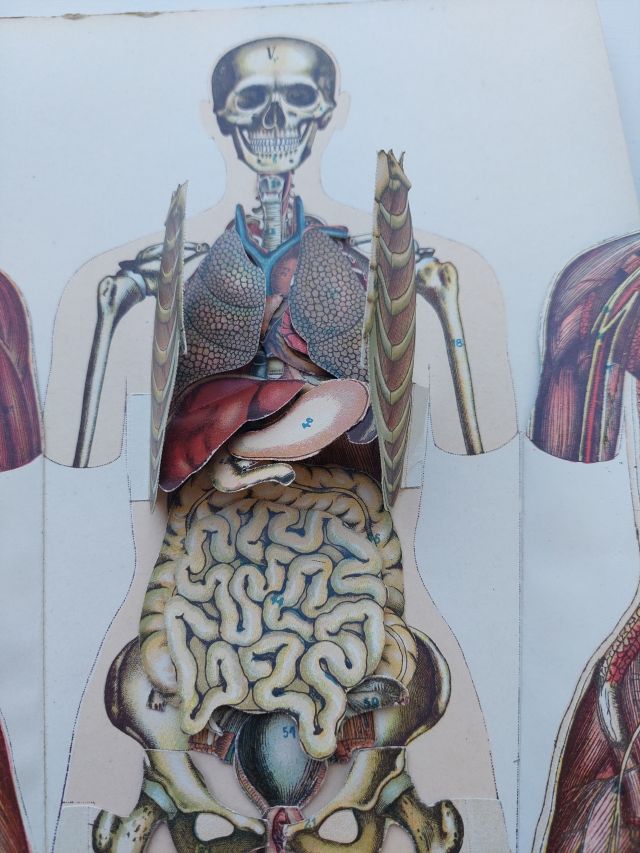
In addition to her work as a doctor Jacobs was part of the suffragette movement, fighting for women to get the vote. In 1894 she founded the Vereeniging voor Vrouwenkiesrecht (‘Society for the women’s vote’) together with - amongst others - feminist and politician Wilhelmina Drucker. Jacobs became the president of the Amsterdam division and the face of the movement for the women’s vote. We have three publications of the society with contributions by Aletta Jacobs at the library. One of these, dating from 1916, contains an article in which Jacobs explains why women who work for a salary should have the vote. They are not able to influence men who take decisions which directly impact their lives. She discusses for instance the large pay gap between men and women. On this subject she says, for instance, on page 22:
Opvallend treedt dit steeds aan het licht wanneer leeraren of leeraressen aan Staats- of Gemeente-inrichtingen gevraagd worden. Men vraagt een leeraar of leerares, die dezelfde examens moet hebben afgelegd, die hetzelfde aantal lesuren aan dezelfde kinderen hebben te geven en dan bepaalt men het salaris van den leeraar altijd eenige honderden guldens hooger dan van de leerares. Deze onrechtvaardigheid zoekt men te verschuldigen met de onjuiste bewering dat “een man meer behoeften heeft dan een vrouw”. Wilde men inderdaad de mannen en vrouwen naar hunne behoeften betalen, dan zou men tot vreemde gevolgen komen.
(‘This is especially striking when male or female teachers are recruited for state or council institutions. They look for a male or female teacher who has taken the same exams and has taught the same number of hours to children, and then determine the salary of the male teacher several hundreds of guilders higher than that of the female teacher. They attempt to justify this injustice by stating that “a man has more needs than a woman”. If one would indeed pay men and women according to their needs, it would lead to strange effects.’ )
It is a well-known fact that men in general still earn more than women, although this is no longer evident from vacancies. Not everything Jacobs writes about in 1916 is still applicable, but her text is still very interesting and in some respects highly relevant.
The ‘Gedenkboek’ (commemorative book) on the occasion of the 25th anniversary of the society for the women’s vote (1894-1919) makes clear how important Jacobs was for this society. She was its president from 1903 to 1919, and it therefore makes sense that she is mentioned, but she features very prominently. The book opens with a full page portrait of her and the facing page contains a poem entitled ‘Dr. Aletta H. Jacobs’ which describes how she changed the fate of women after fighting for many years with reason and willpower.
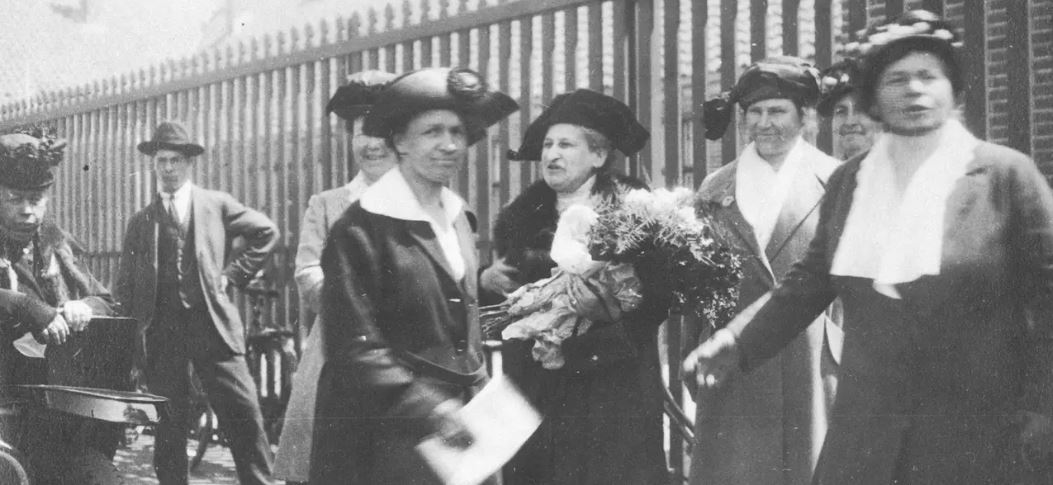
Fortunately Jacobs gets to see the results of her hard work: she can eventually vote. This picture was taken on the 5th July 1922, the first day women were allowed to vote. The woman in the middle with the flowers is Aletta Jacobs. Standing next to her, are - amongst others - Jeanette Broese van Groenou-Wieseman and Miel Coops-Broese van Groenou. You can read more about the connections of Aletta Jacobs with the family van Broese van Groenou in this book by Inge de Wilde.
The following blog posts have been published so far in the “Women in the Special Collections” series: