


Bursting bubbles: Eureka! Festival brings science and society together
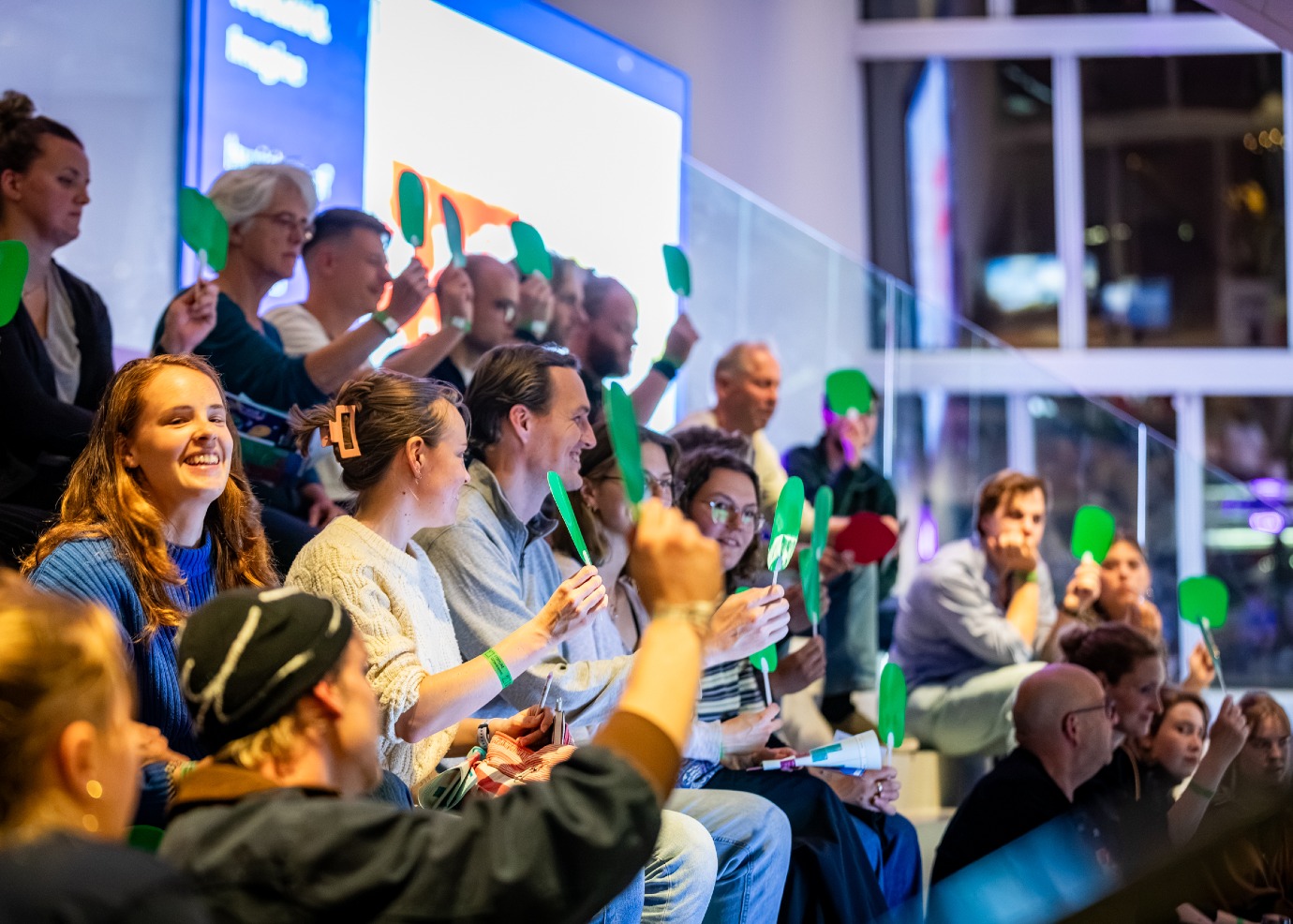
Over a thousand people recently attended the Eureka! Science Festival at Forum Groningen. A total of 140 researchers took part; four of them share their experiences here. A story about the interplay between art and science, bursting bubbles and creating a truly visible university.
Text: Jelle Posthuma
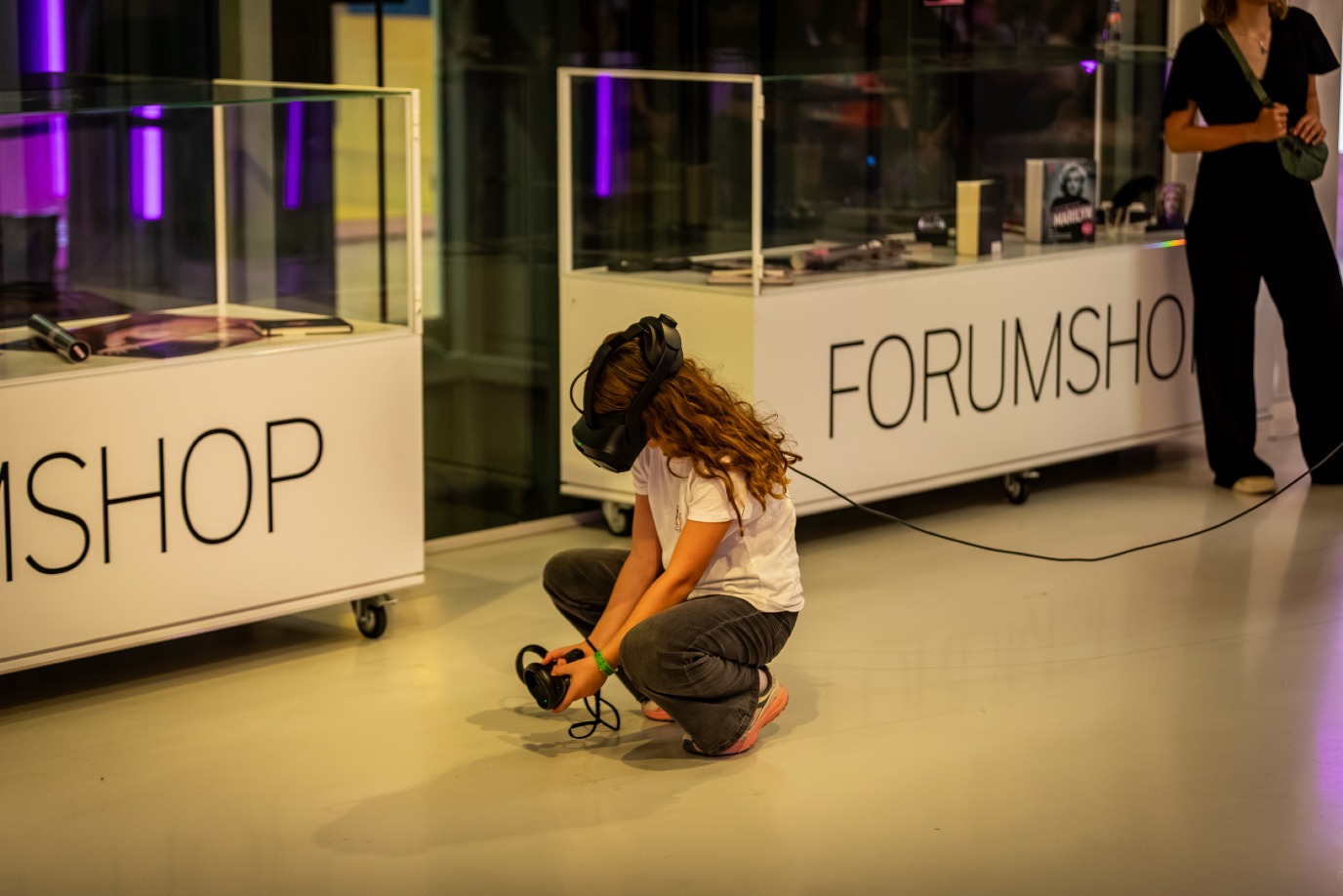
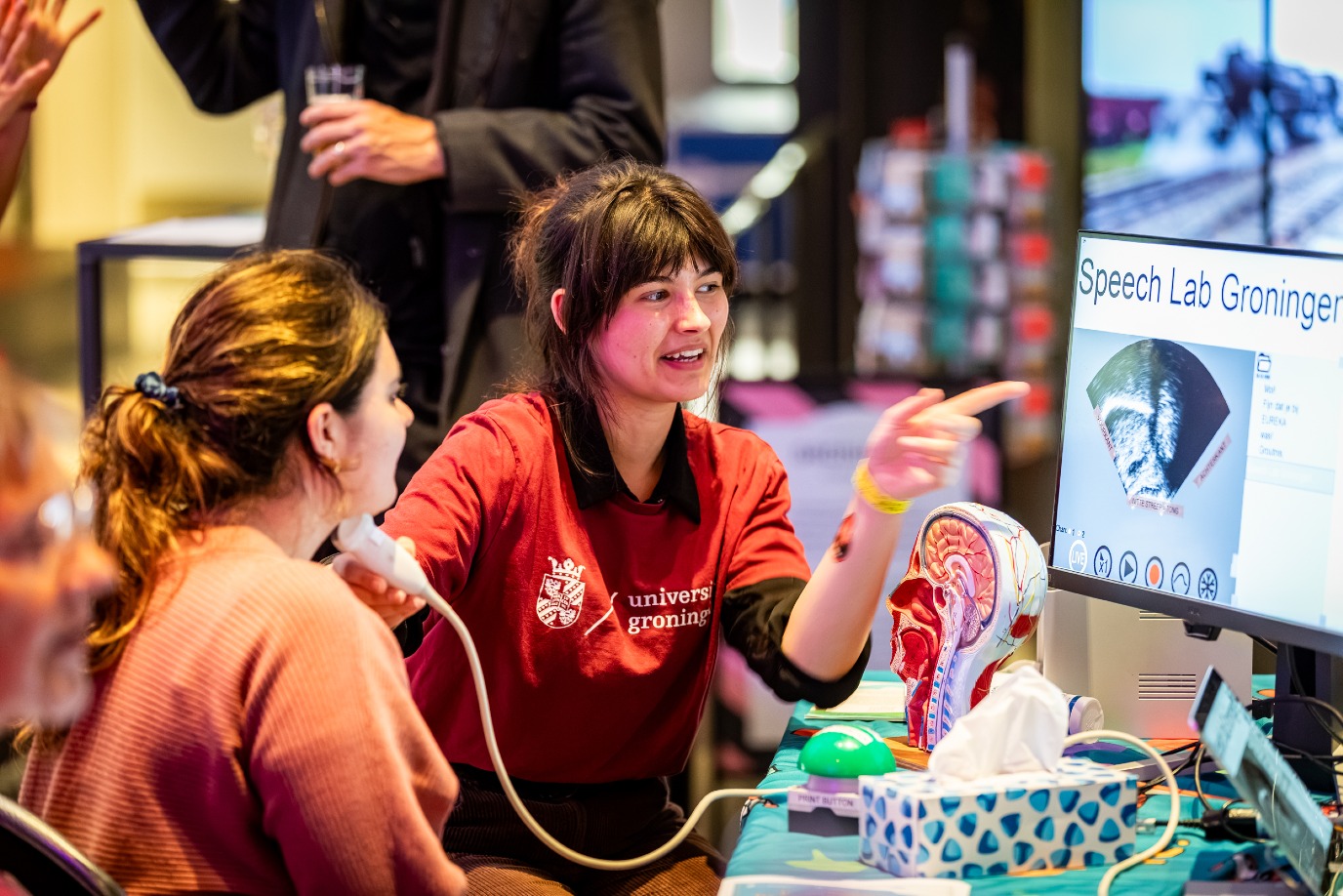
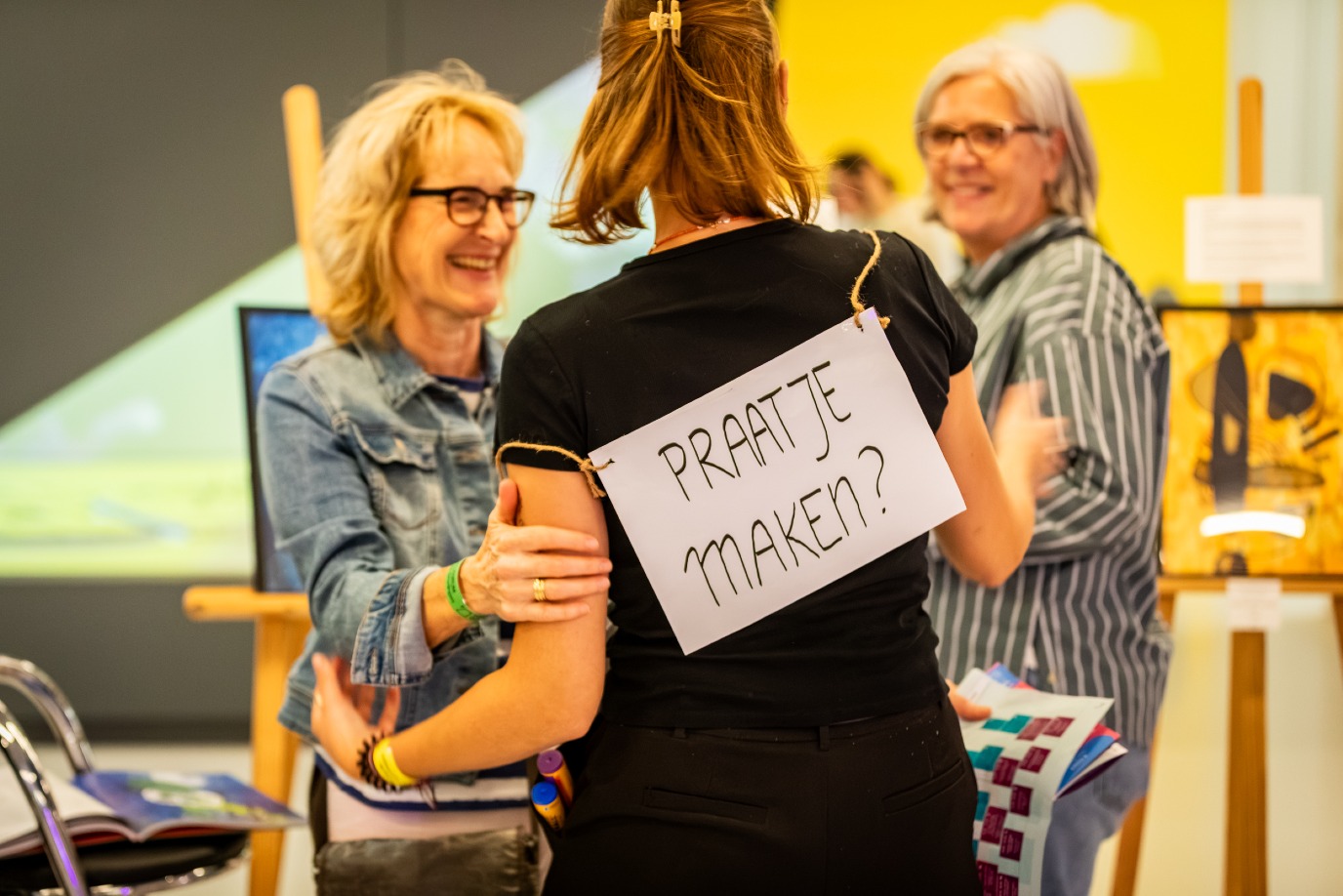
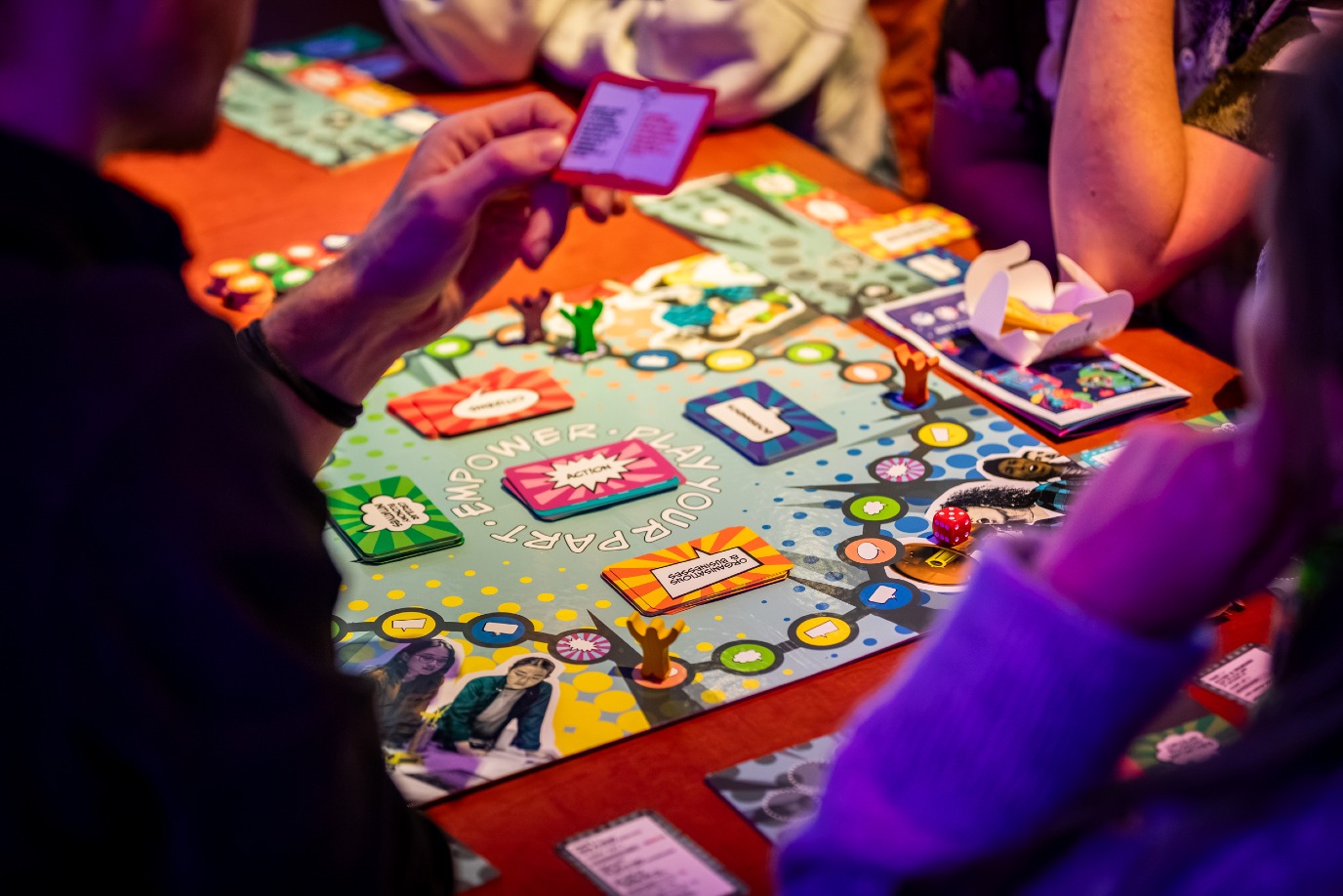
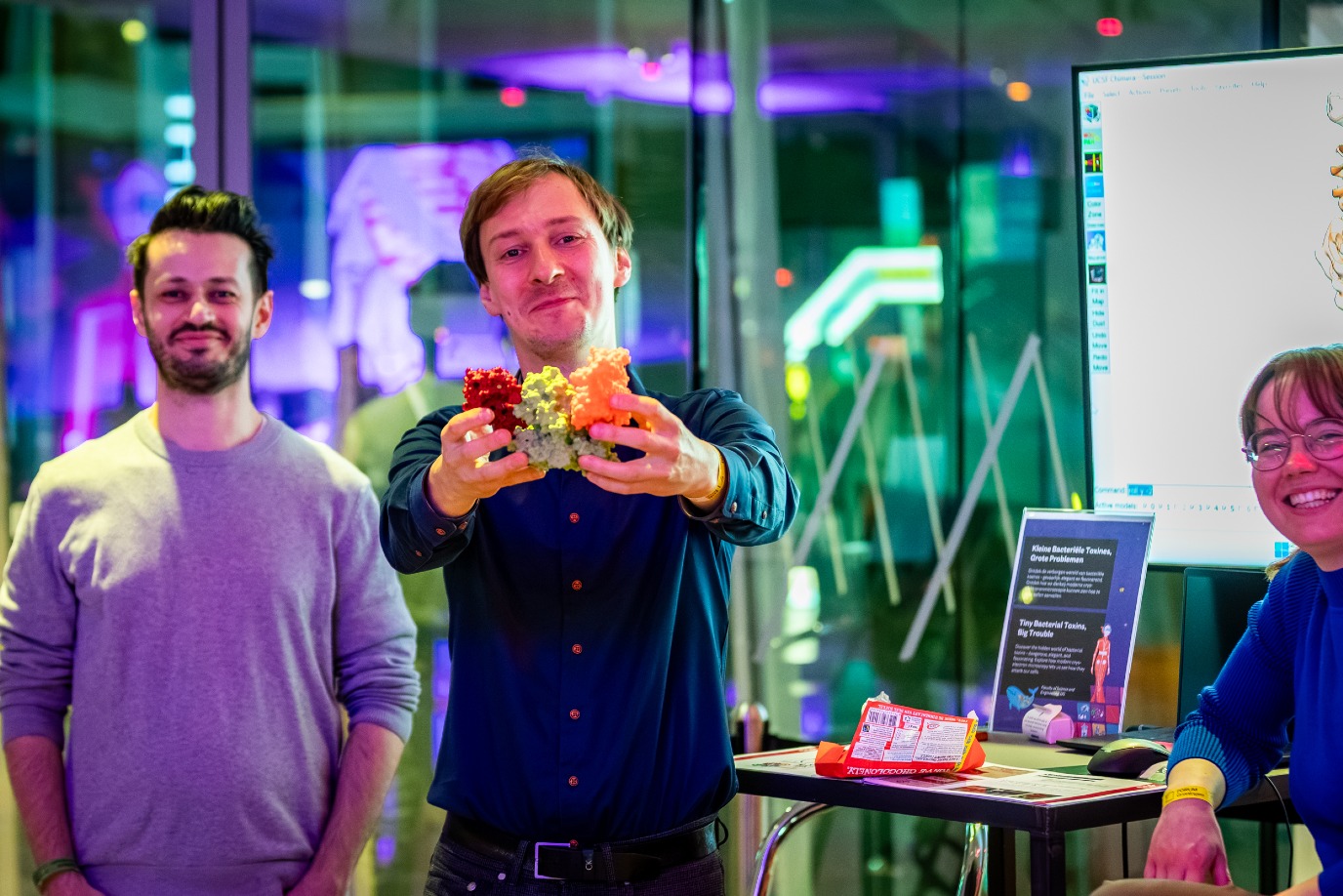
Lectures, installations, workshops, and performances: anyone browsing the Eureka! program might feel dizzy. From a molecular treasure chest to the social life of fruit flies and from a musical journey through your brain to your garden as an air conditioner, there was something for everyone at the science festival. This year, the theme Resilience in Times of Change took center stage, with visitors discovering new ways to move forward in turbulent times.
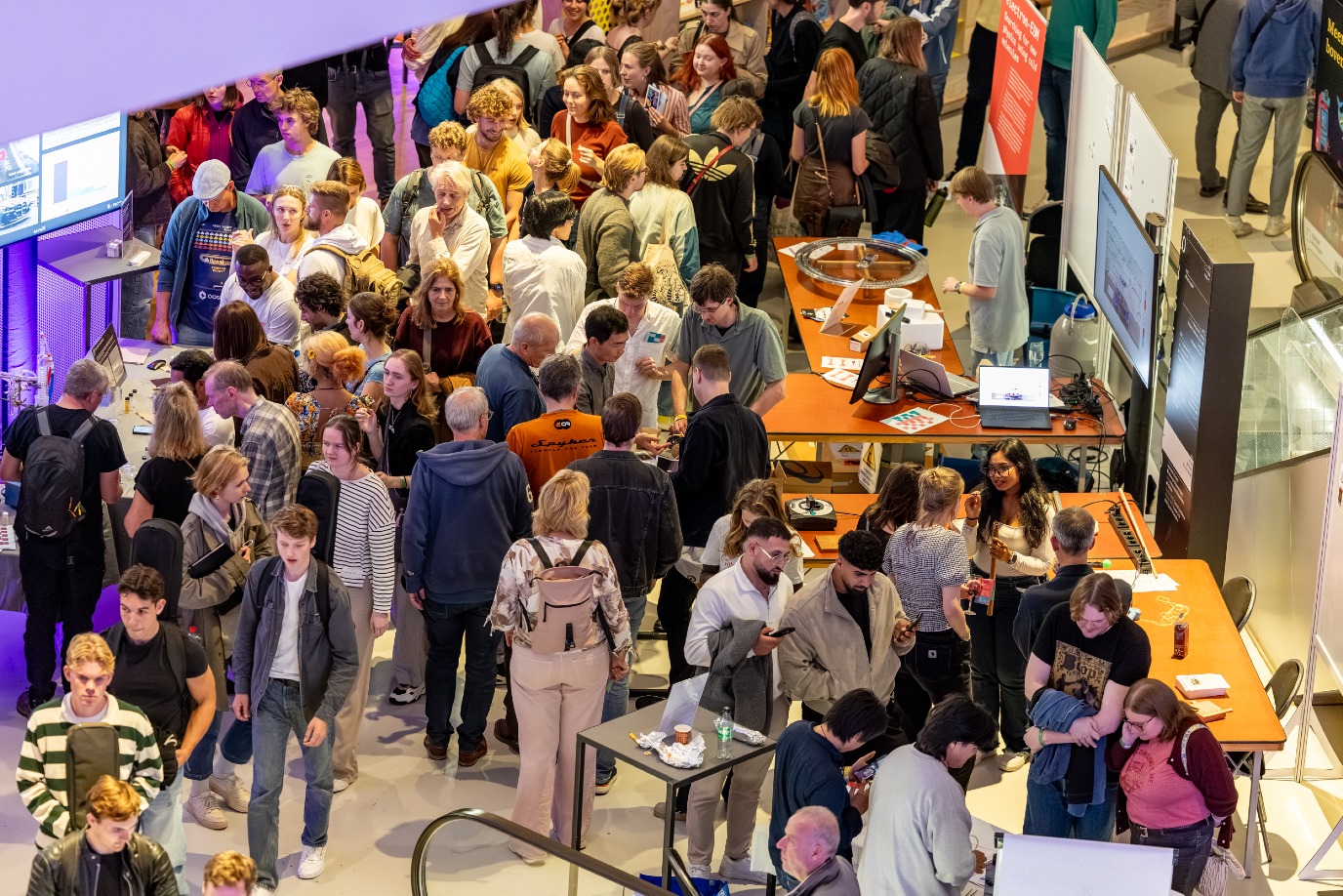
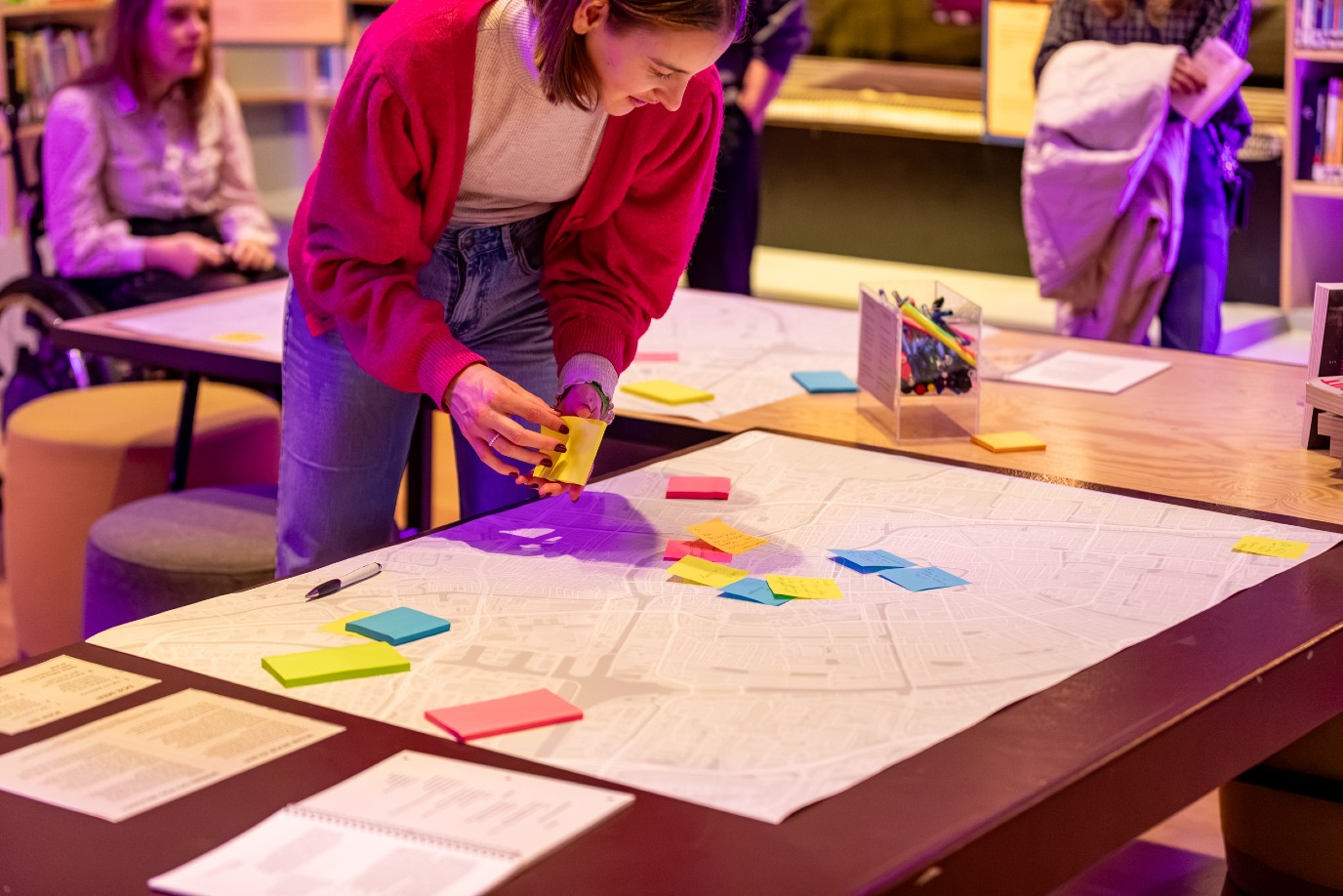
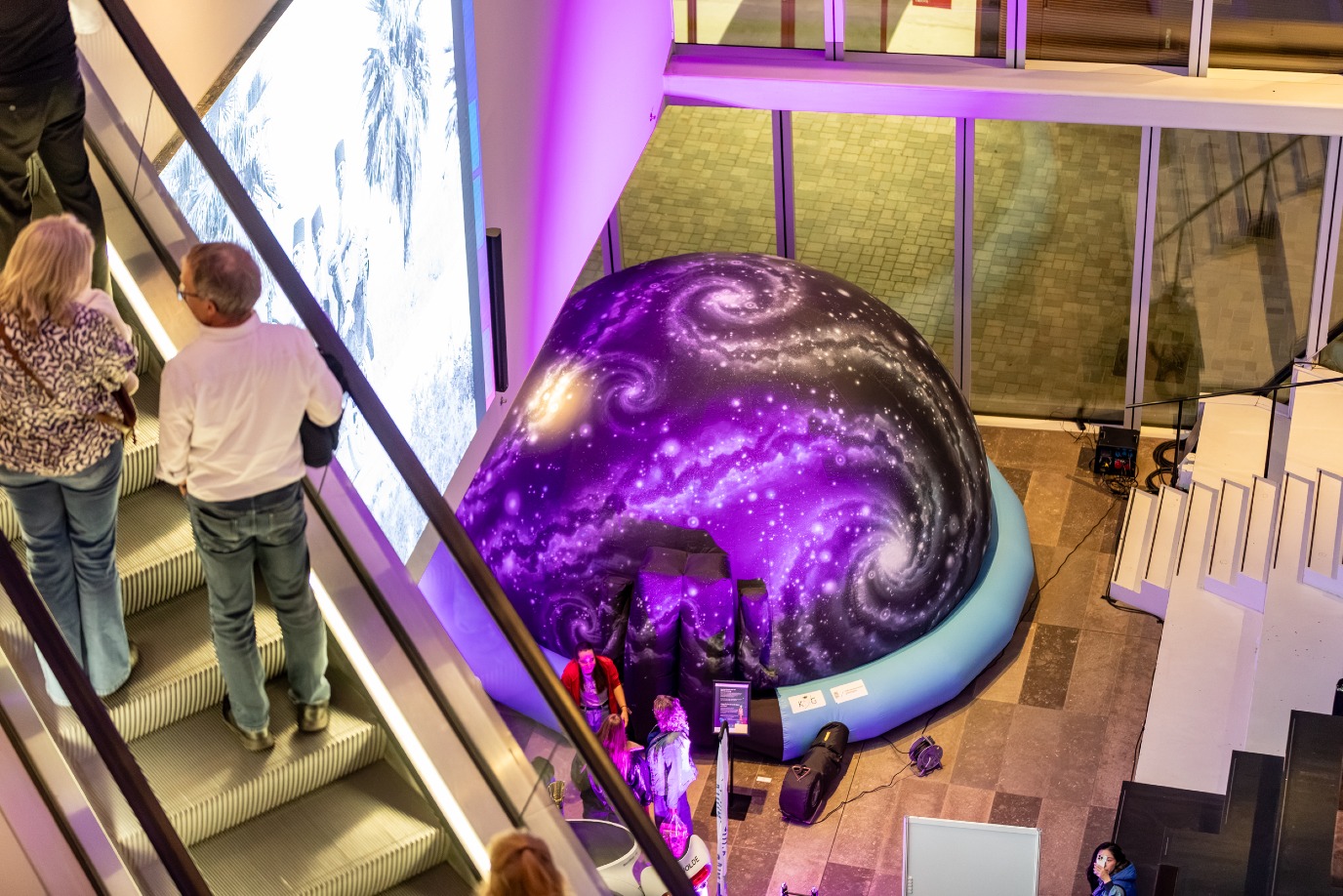
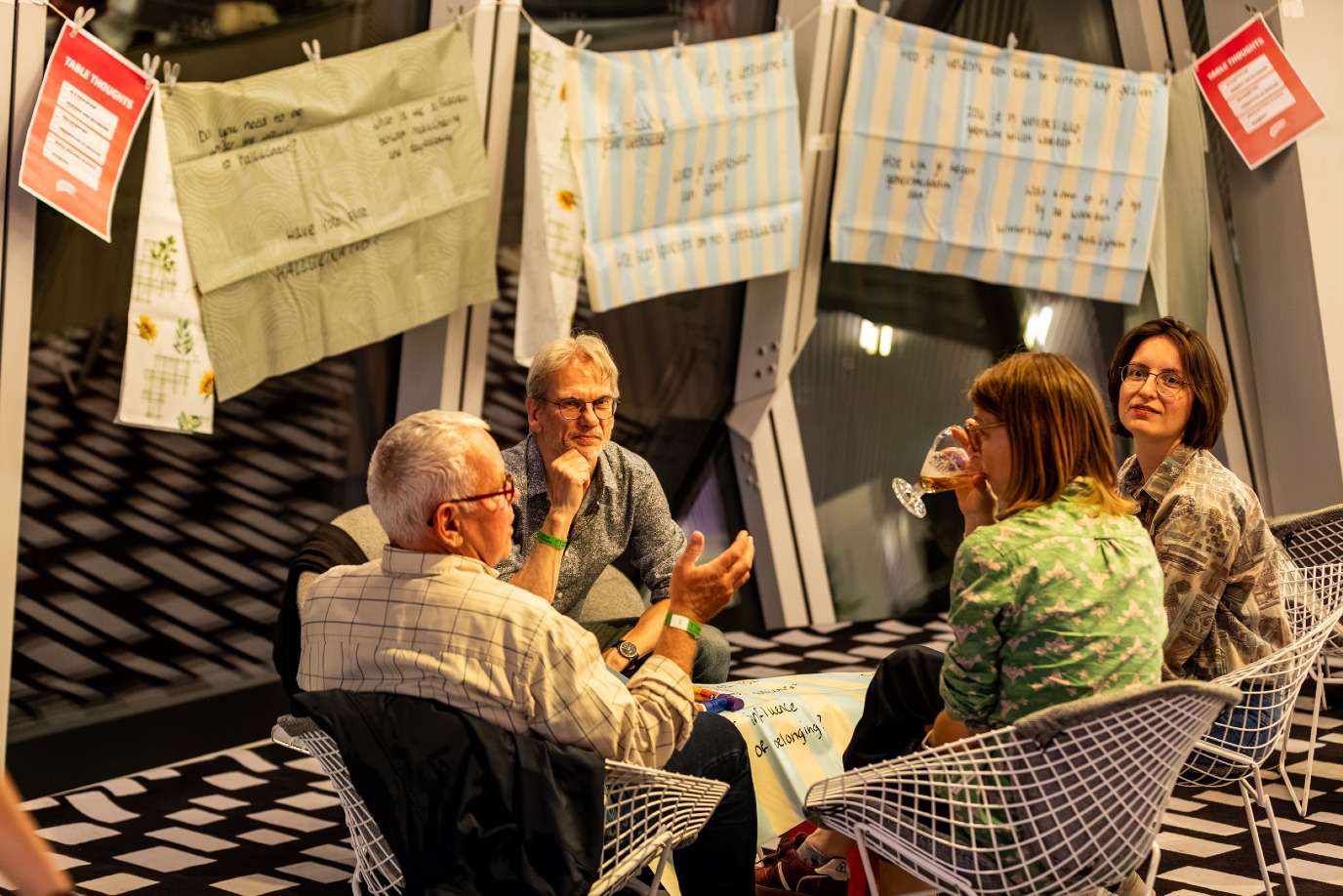
The Eureka! Science Festival also had to reinvent itself as a successor to the European Researchers’ Night. This year’s event consisted of an afternoon program, attended by over 230 secondary school students, and an evening program at Forum Groningen. A Friday evening in the heart of Groningen provided the perfect opportunity to engage a wide audience. While people could buy tickets in advance, there were also plenty of accidental visitors who, during a trip to the cinema, found themselves lingering at one of the many science stalls or performances. At Eureka!, people literally stumbled upon science.
Authentic conversations and broad interest
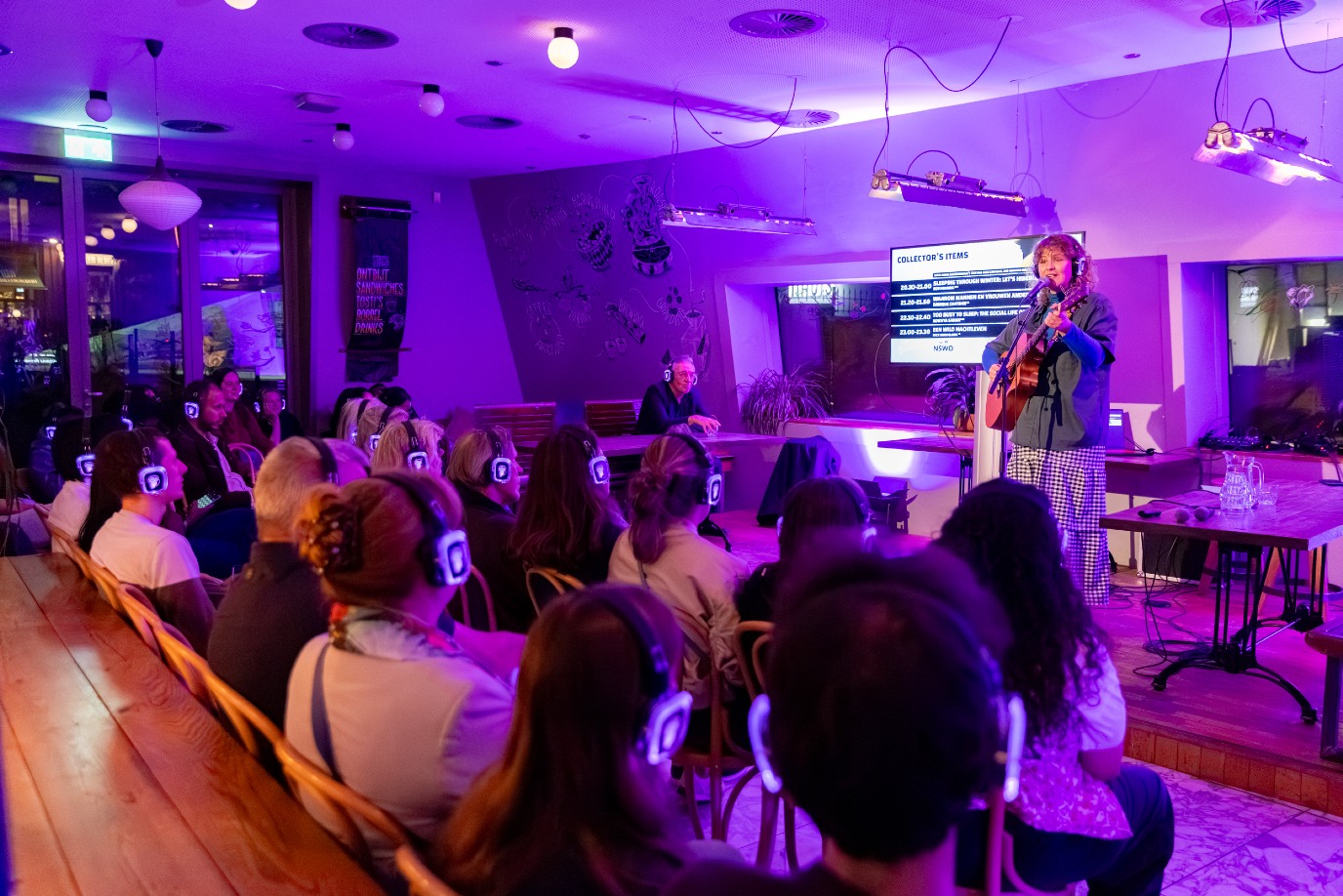
What makes the festival special is the collaboration between scientists and artists. In the large theatre of Forum Groningen, Marline Lisette Wilders, Assistant Professor Arts in Society, spoke about ‘artivism’, art that exposes injustice and drives change. She was particularly enthusiastic about her collaboration with musician Ruben Hein. ‘Even though we hadn’t really prepared for it, there was an instant connection, and we ended up having a spontaneous and authentic conversation where we could both share our experiences and impressions with each other and the audience.’
- Also read the report by Dagblad van het Noorden about Marline Lisette Wilders’ performance (paywall)
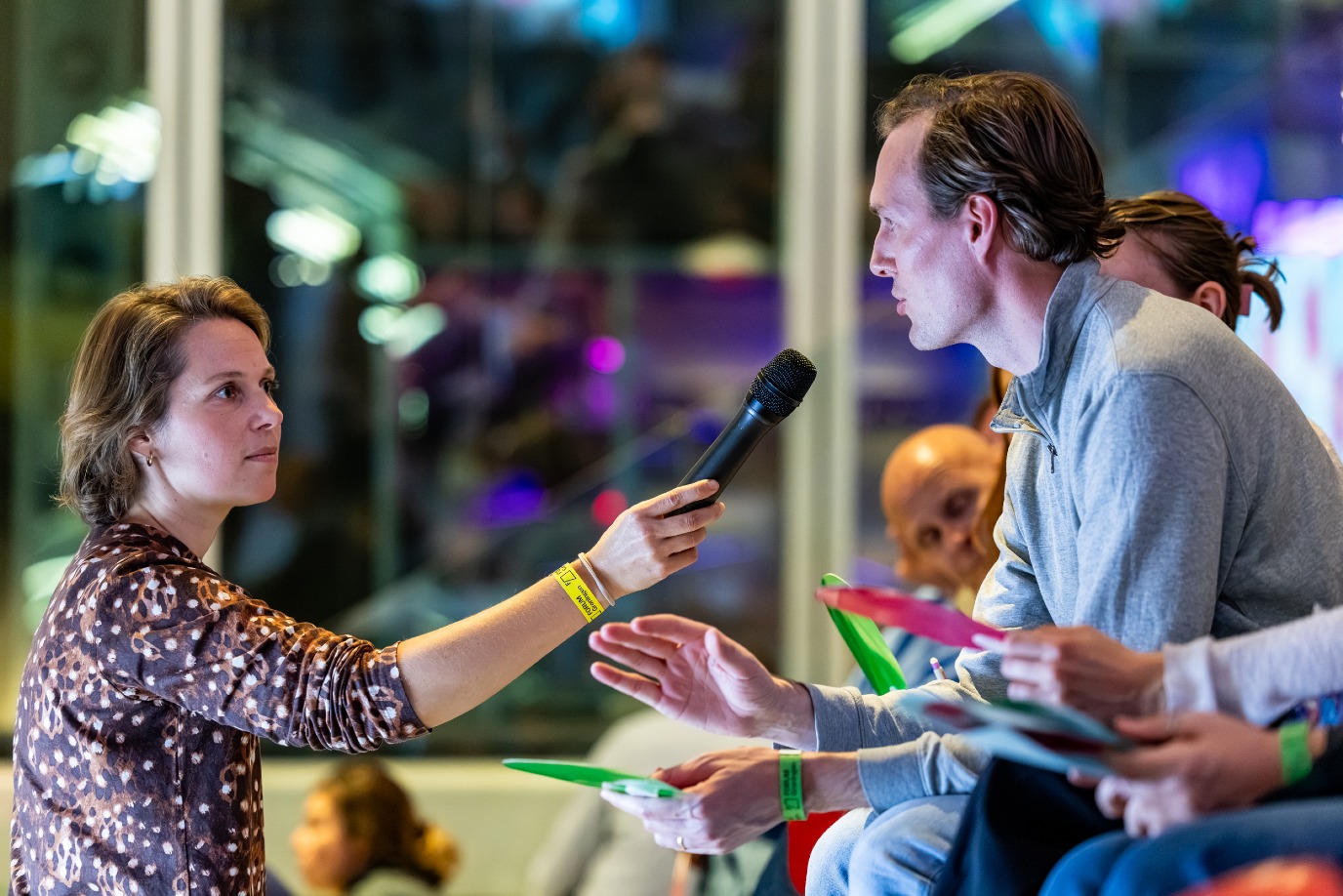
The event also gave scientists the opportunity to collect new data. UG researchers Xiaoyu Zhou and Janina Wildfeuer did just that, studying how people read webtoons, a type of digital comic, on their phones. During the previous edition of European Researchers’ Night, Wildfeuer also collected data, which she used to publish a scientific paper. ‘Collecting data is always a challenging task, and recruiting participants is usually difficult,’ says Wildfeuer. ‘At the festival, we were able to use the general interest in science to ask people to help us out.’
35 visitors participated in Zhou and Wildfeuer’s study. ‘For us, it was an easy way to collect data, though the research setup at a festival is of course extraordinary and rather uncontrolled.’ In addition to data collection, the researchers were able to discuss their work with a diverse audience. ‘Being an academic sometimes means being far apart from the ‘real world’,’ Wildfeuer admits. However, during the evening, she noticed that the audience had ‘a very broad interest’ in making sense of the world, in other words, in science.
Breaking out of the academic bubble
UG PhD candidate Friederike Brunzema, who participated for the first time and developed a workshop about a mysterious drinking cup from ancient Greece, agrees. ‘As researchers, we often find ourselves in a small bubble of our own discipline and the university.’ According to Brunzema, it’s important for scientists to engage with different perspectives. ‘For the public, it’s a rare chance to experience the variety and importance of scientific research.’
Before the festival, researchers could attend a training session to prepare. Brunzema also took part. There, she learned what other scientists and experts thought of her workshop and identified the "blind spots" in her festival plan. ‘It was also great meeting other early-career researchers from different disciplines and seeing how they approached the festival.’
Continuing to develop
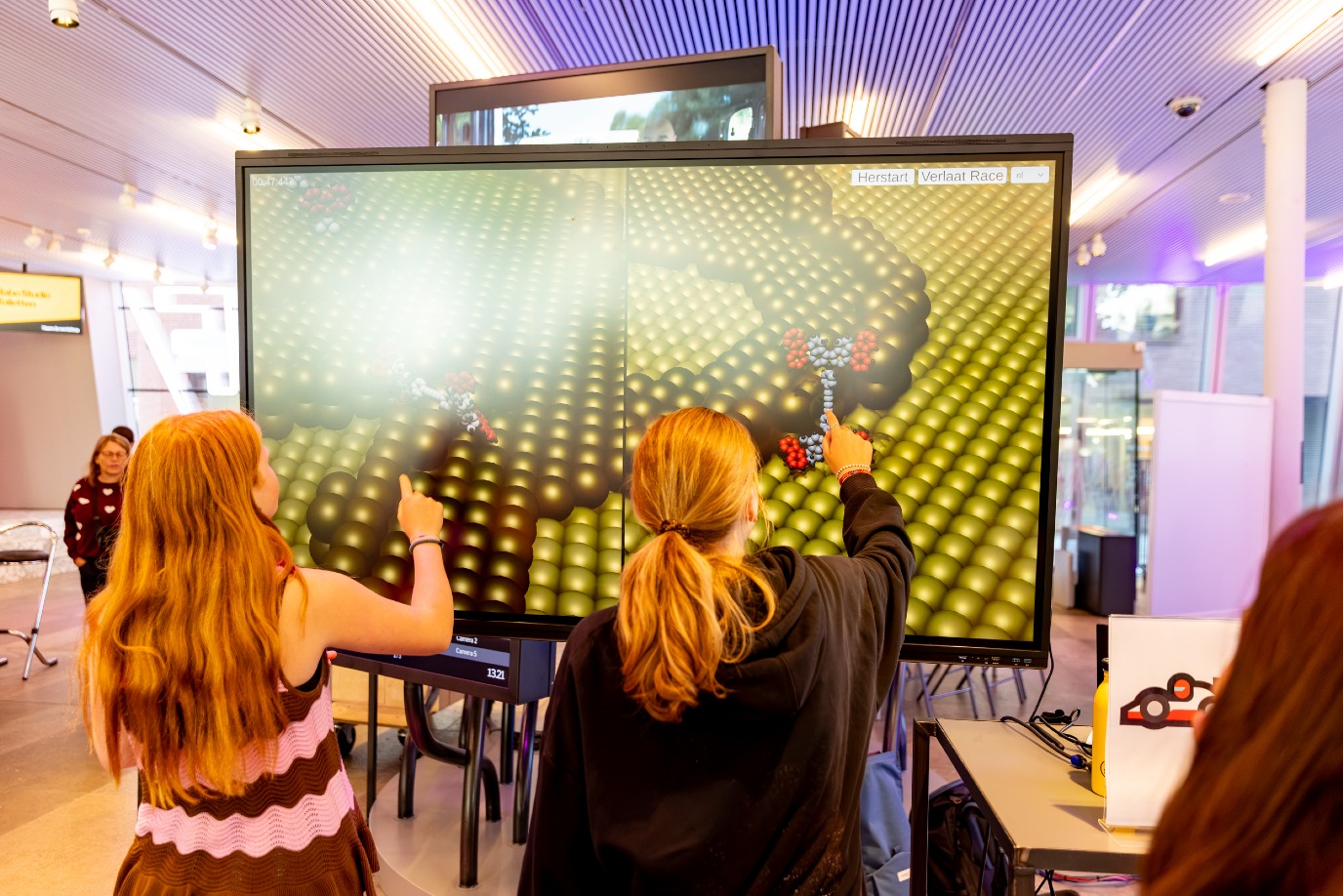
Creating a programme aimed at the general public is a constant work in progress, as researcher Jiri Kosinka is well aware. He studies how computers can create, understand and edit shapes, images and 3D objects, and was present back in 2022 at the first edition of the European Researchers’ Night, the precursor to the Eureka! Festival. They learned that their first programme was a bit ‘too scientific’ for a general audience, he admits.
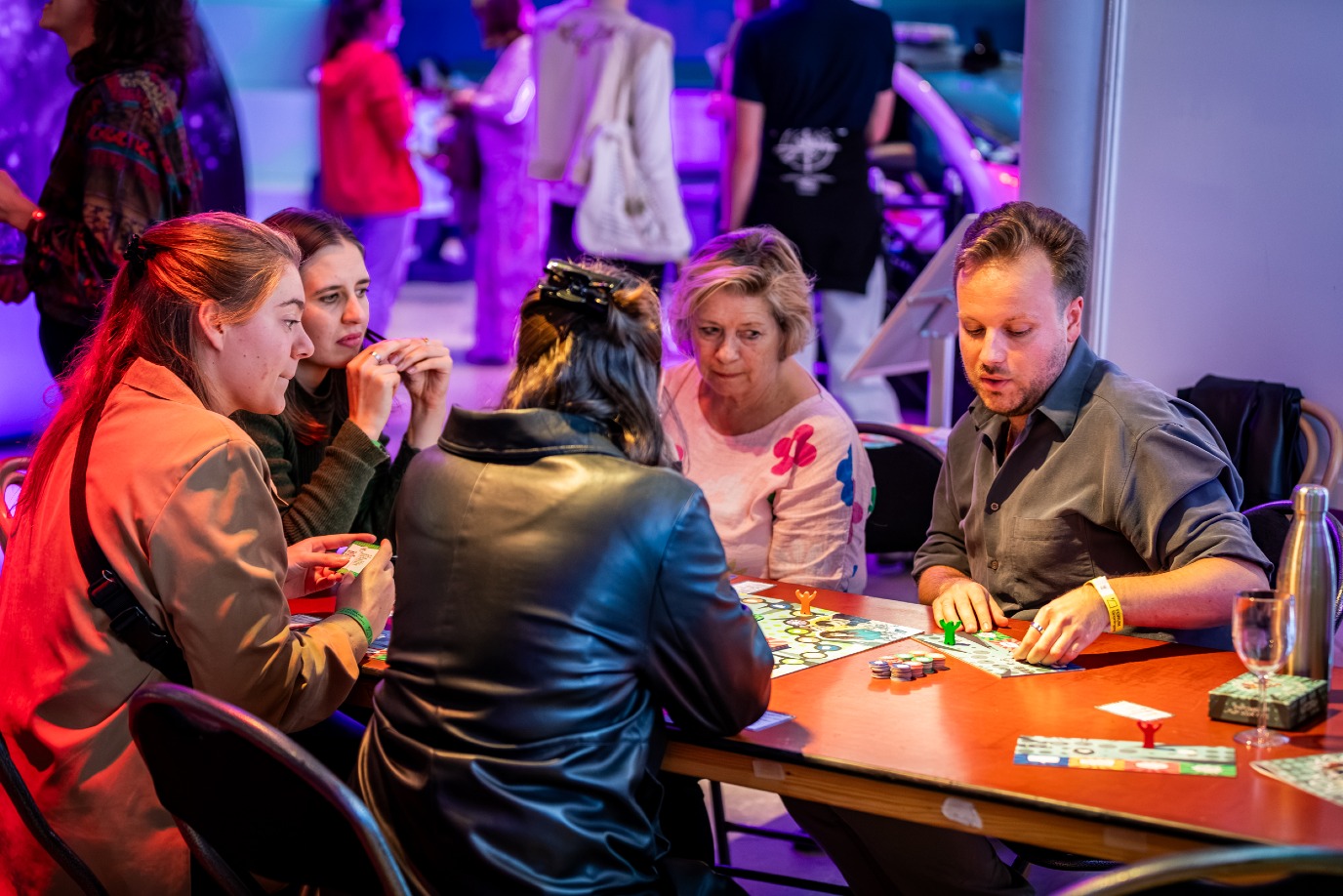
Over the years, Kosinka and his students have fine-tuned the program to better align with visitors’ interests. ‘This was only possible thanks to the science festival, where we could directly engage with the general public and see how they interact (or not) with our demos.’ His latest "invention" for the festival is an educational game about the nanocar of Nobel Prize winner Ben Feringa. This year, Kosinka and his students and colleagues developed a multiplayer game, the Nanocar Grand Prix, as a student project within a UG study course, allowing the audience to compete against each other. ‘I can safely say this was the most engaging and yet fun educational demo we’ve had so far.’
Contributing to society
All researchers emphasize the importance of the science festival. Kosinka: ‘Most of our projects are funded by public bodies, so it’s only appropriate that the public learns in an accessible way about some of what scientists do and how society can benefit from it, directly or in the long term.’ Marline Lisette Wilders agrees. ‘Especially in times when societal and political support and thus funding for education, research, and innovation are not a given.’
This year, the science festival had to make do with a smaller budget, but thanks to the help of partners, it still managed to pull off a successful event, says project leader Gabriela Matouskova. The Schools for Science & Society and Forum Groningen organized the festival, with support in building the programme from Studium Generale, the University Museum, Young Academy Groningen, and Science LinX. Matouskova also highlights the importance of the 45 enthusiastic volunteers during the afternoon and evening.
The afternoon and evening at Forum Groningen was the culmination of a long preparation process marked by spreadsheets, budgets, countless emails, and last-minute fixes, Matouskova recounts. ‘But when the doors open, and you see people experimenting, laughing, asking questions, and discovering, you realize all the hard work was worth it.’
More news
-
-
03 September 2026
Ming Cao reappointed as scientific director of the Jantina Tammes School
-
01 September 2026
Evrim Ursavas appointed scientific director Wubbo Ockels School