

Cognigron Talent Network
Talent Network
Ever wondered where to find young, talented scientists in neuromorphic computing? Look no further. The CogniGron Talent Network is where early career researchers come together to face the computing challenges of tomorrow.
Stimulating scientific exchange is key to CogniGron. Only by looking outside one's own discipline, we are able to advance in brain-inspired computing. Therefore, the CogniGron Talent Network encourages young scientists to develop a multidisciplinary research perspective early on in their careers.
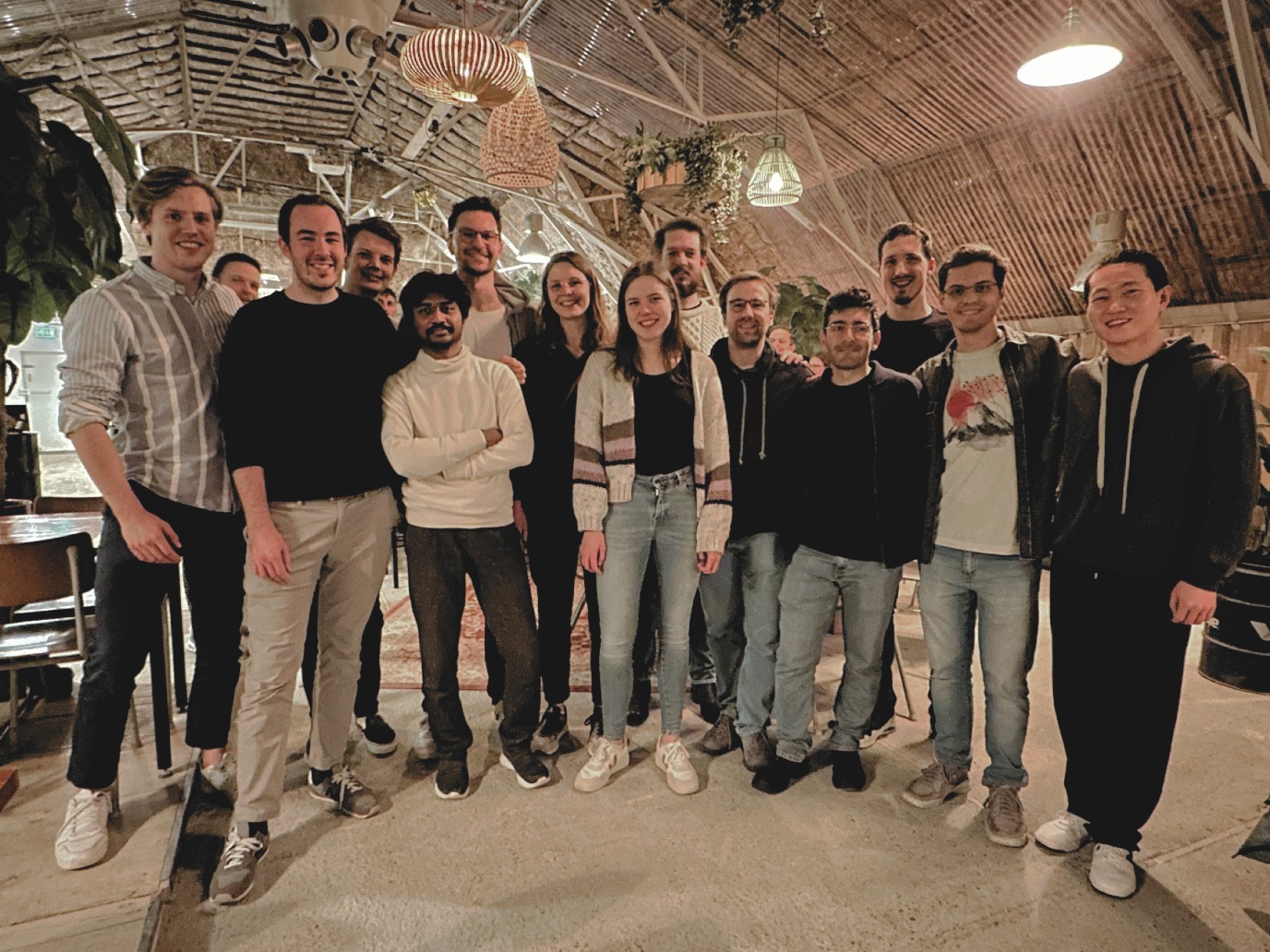
The network serves as both a platform and community for various backgrounds and contexts to meet. Improving onboarding through events, the talent network connects numerous PhD students in science and computing at the University of Groningen, while reaching out to other universities and organisations too.
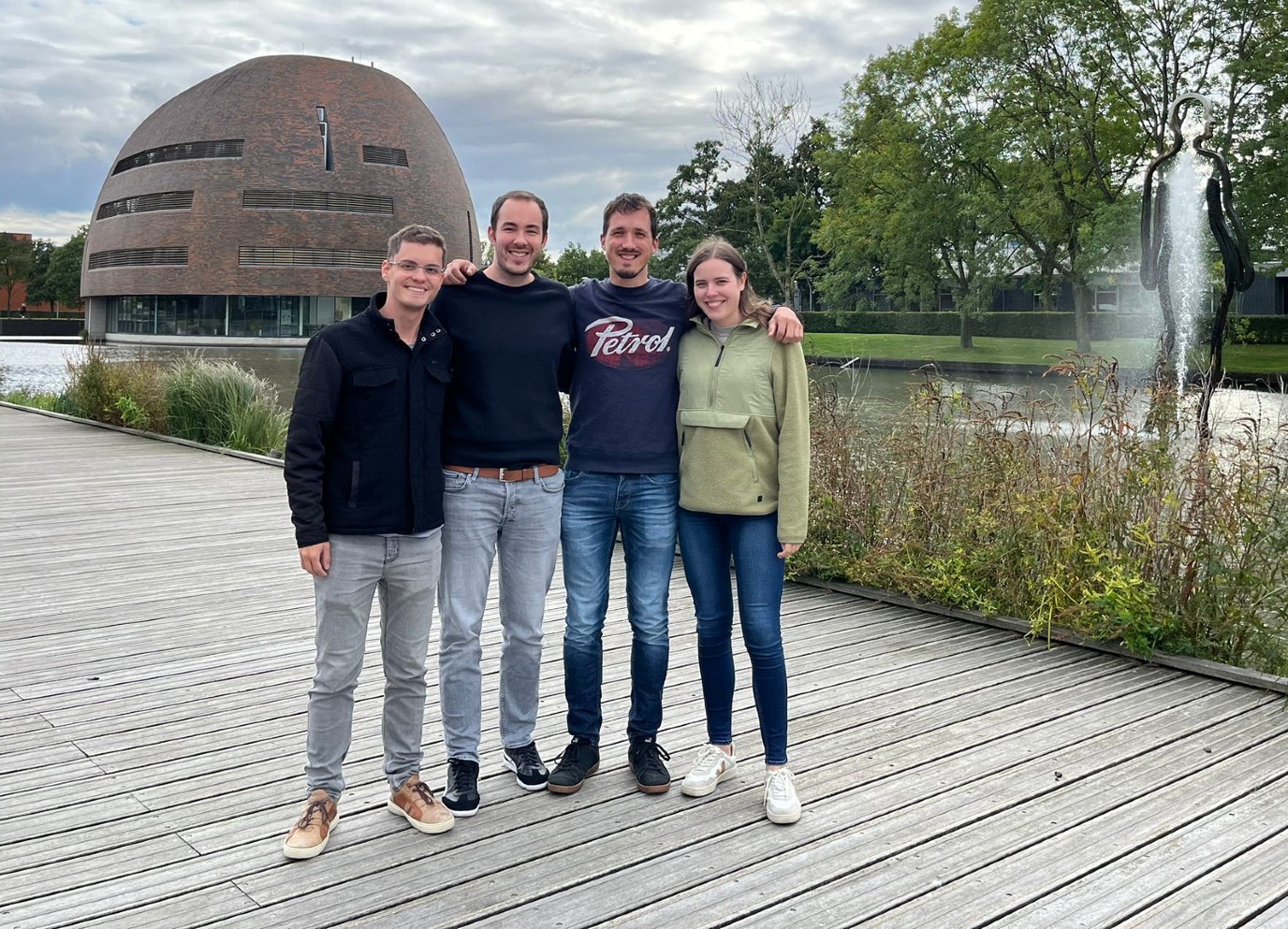
Meet the CTN Board
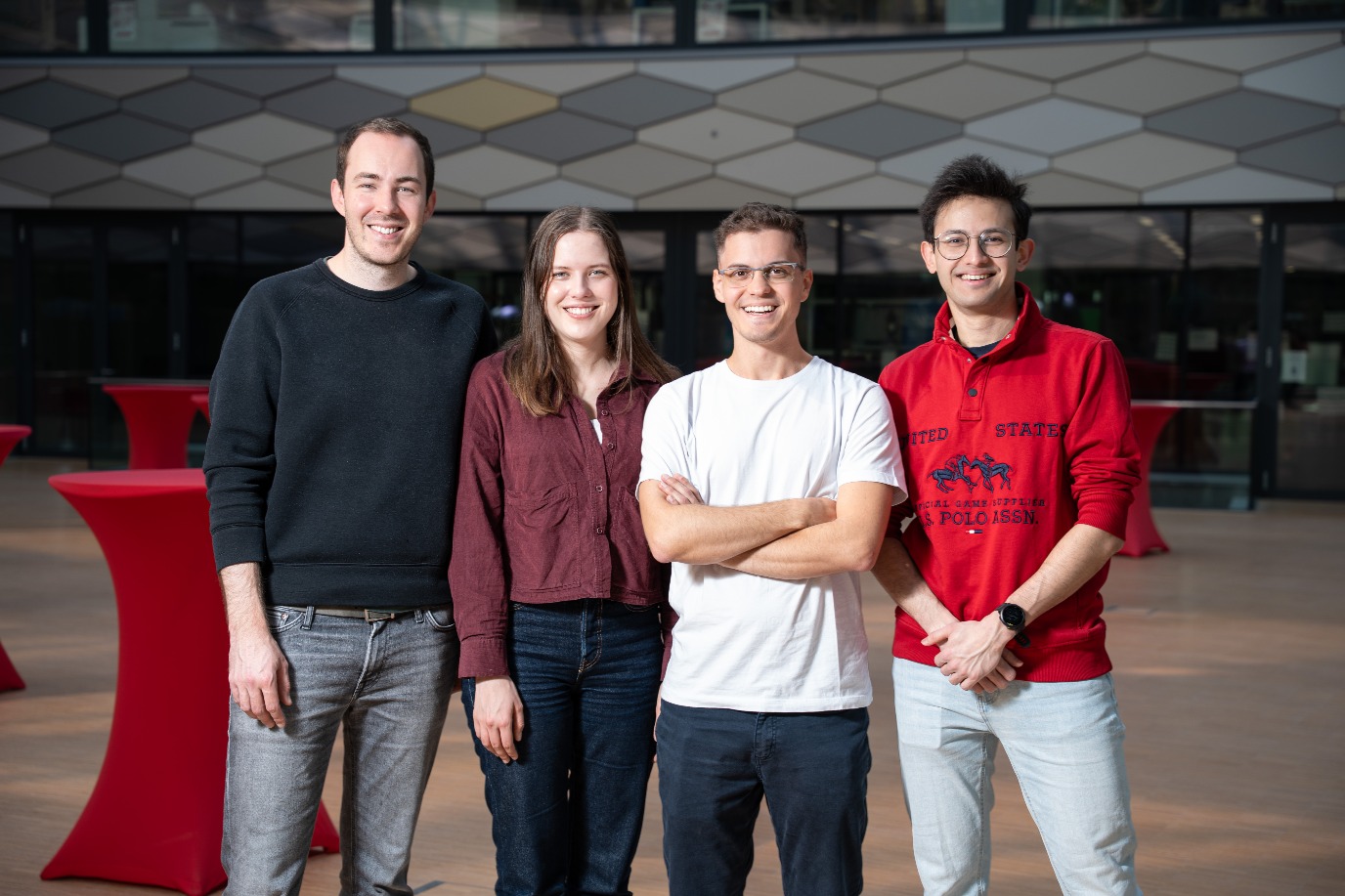
Current Board
Otavio Citton
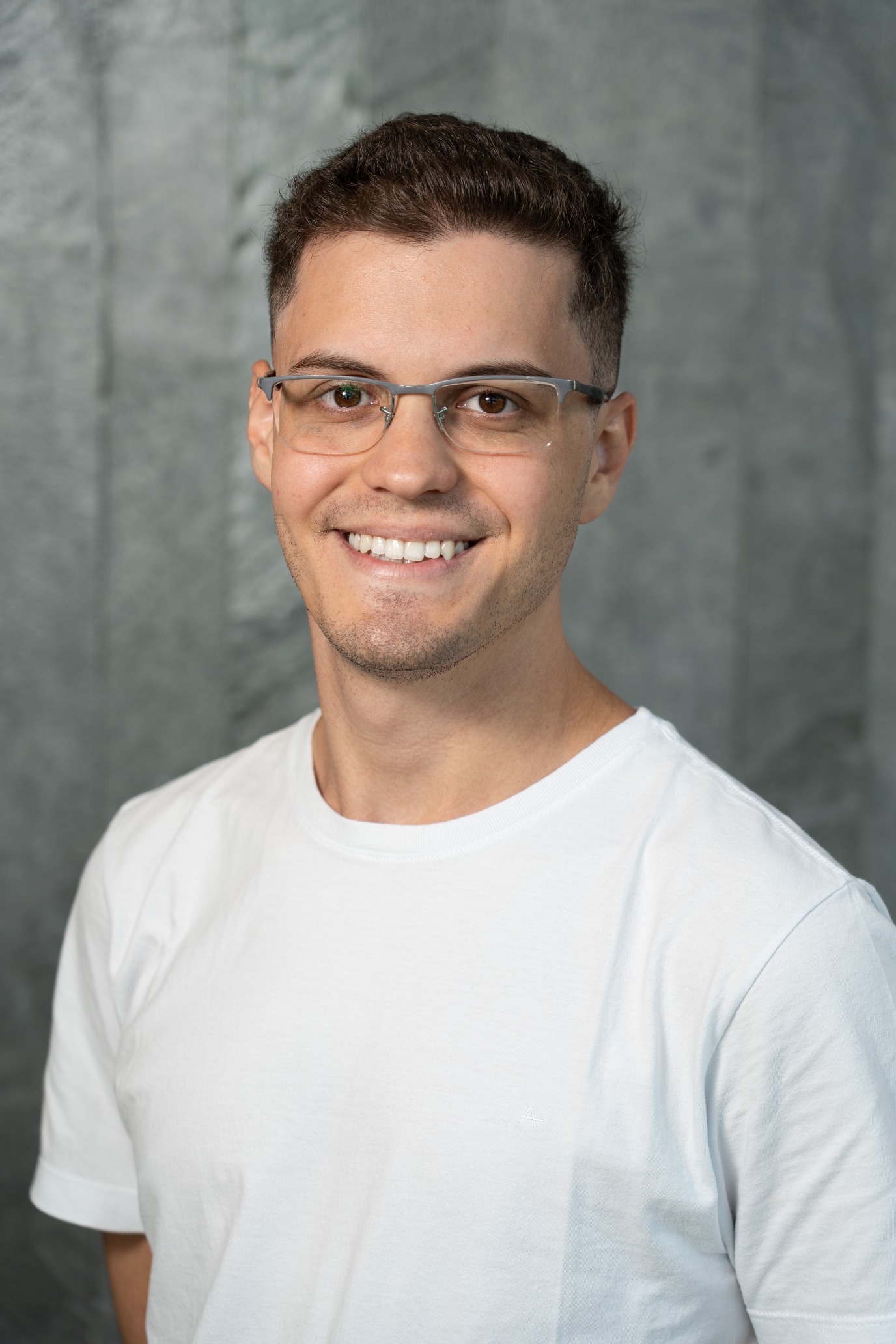
Hello, I am Otavio Citton, originally from Brazil, passionate about everything science related!
I studied physics at the University of São Paulo, where I also did my Master in theoretical physics focused on statistical mechanics.
My research interests lie in the realm of complex systems such as computer algorithms, the brain, biological systems and even societies. I believe that physics can be a powerful tool to better understand these problems, especially statistical mechanics and dynamical systems.
I moved to the Netherlands in 2023 to start my Ph.D. under the supervision of Prof. Michael Biehl of the Intelligent Systems group. My research is focused on the application of statistical physics techniques to analyse neural networks in a project funded by CogniGron.
In my opinion, CogniGron created the perfect environment for me to explore my research interests, since its main feature is the collaboration between scientists from different areas with different backgrounds. With the creation of the Talent Network, the connection with the other PhDs became even deeper, since now we have a platform to get together — not only professionally, but also on a personal level, something that I think is of fundamental importance for a healthy functional team.
Martin Sarott
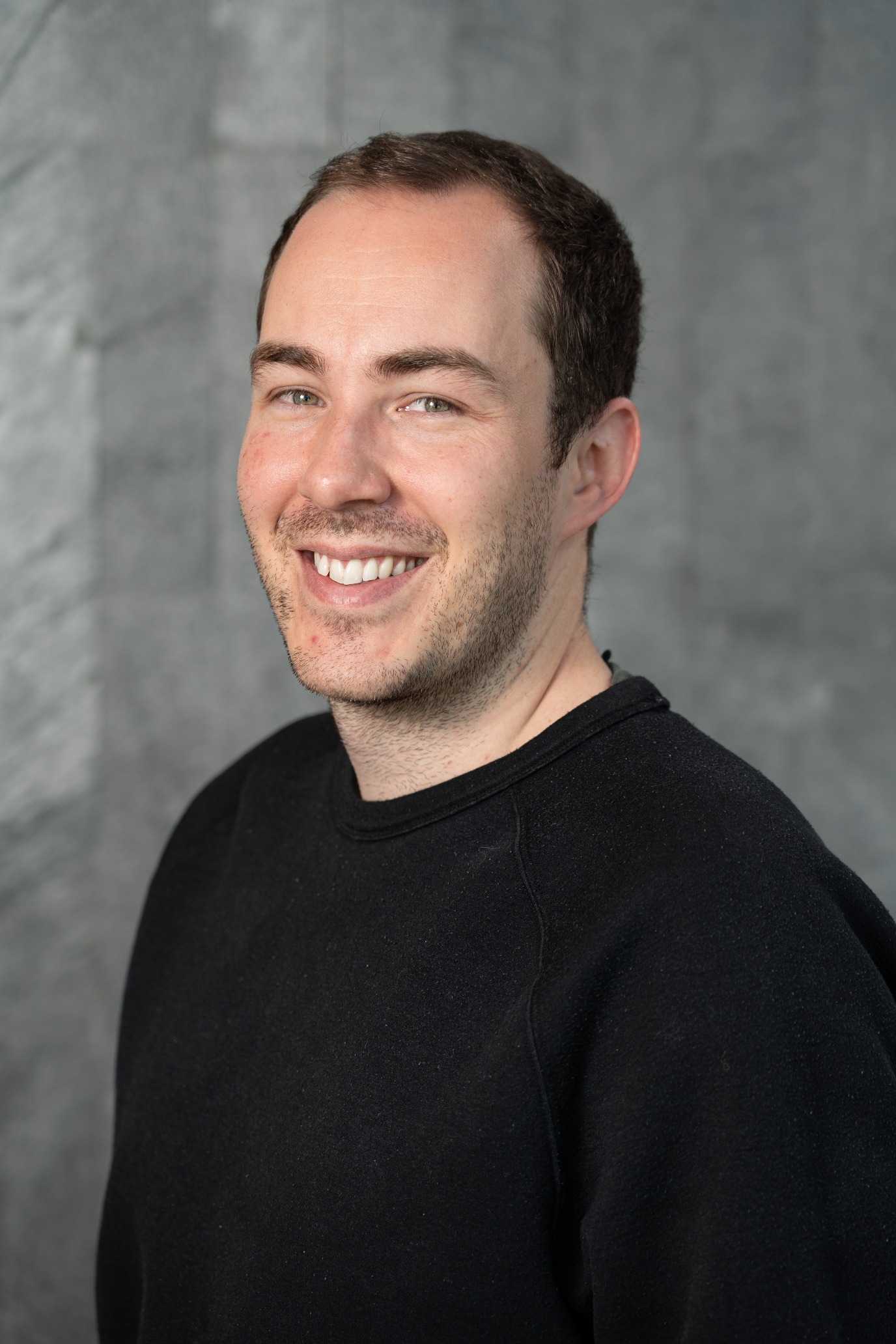
Hi there! My name is Martin Sarott, I'm from Switzerland, and I work as a postdoctoral researcher in the Solid State Materials for Electronics Group led by Prof. Beatriz Noheda.
I performed all my studies at ETH Zürich in Switzerland, where I completed my Bachelor's, Master's, and PhD degree in Materials Science.
As an experimental material scientist, my main interest lies in the study of thin-film ferroic oxides. I am particularly intrigued by the possibility to design entirely new functional properties in oxides by exploiting size effects in the ultrathin regime and by interfacing different materials with atomic-scale precision.
In my current research, I aim to mimic the non-volatile memory capacity of biological synapses and the volatile spiking behaviour of neurons using ferroelectric thin films. Ferroelectric materials exhibit a spontaneous electric polarization that can be switched with an electric field and, thus, provide an ideal playground to develop next-generation energy-efficient electronic components.
The way CogniGron unites researchers across different disciplines within a common mission to develop energy-efficient cognitive computing paradigms is unique. For this ambitious mission to be successful, it is crucial to establish a common language and enable frequent interactions between these different groups. I see the CogniGron Talent Network as a crucial puzzle piece that regularly connects early stage researchers and helps them understand each other's vocabulary from the very get-go. This will allow them to identify common challenges and tackle them in the most efficient way.
Safiere Kuijpers
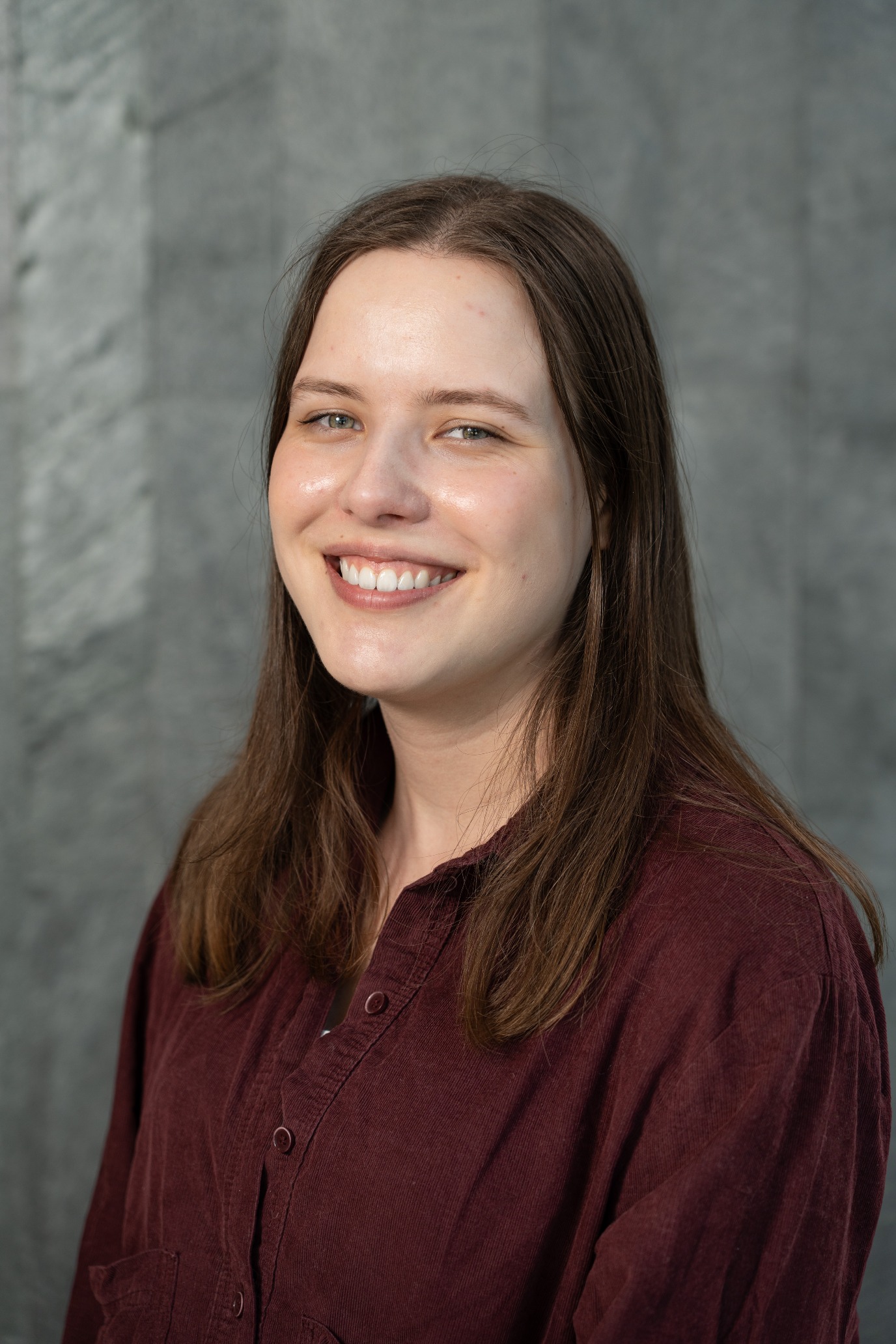
Hello, I am Safiere Kuijpers, a PhD student in Computational and Numerical Mathematics. I obtained both my bachelor's and master's degrees at Radboud University Nijmegen.
The thing that sparks the most joy in me when doing mathematics is modeling. I like to work with real-world scenarios and look for the correspondence between mathematics and reality.
A component of neuromorphic chips that will probably become very important is the memristor. This is a resistor that changes resistance when current flows through it. The topic of my research is related to interface-type memristors. These are random in the sense that if one repeats the same experiment, the results would not necessarily be the same. The goal is to quantify the uncertainty in these interface-type memristors and to use that to speed up the design cycle of memristors.
PhDs working for CogniGron are spread out over the Zernike campus and work in different research groups. This means that we don't meet each other very often. Since we are all working towards the same end goal, it is useful to get to know each other and collaborate more. The CogniGron Talent Network tries to connect PhD students and postdocs working for CogniGron on an informal level by organising social activities as well as introductory lectures, where we introduce each other to the basics of our own fields. In this way, we can create a stronger network and a common language to work on the future of neuromorphic computing.
Ishitro Bhaduri
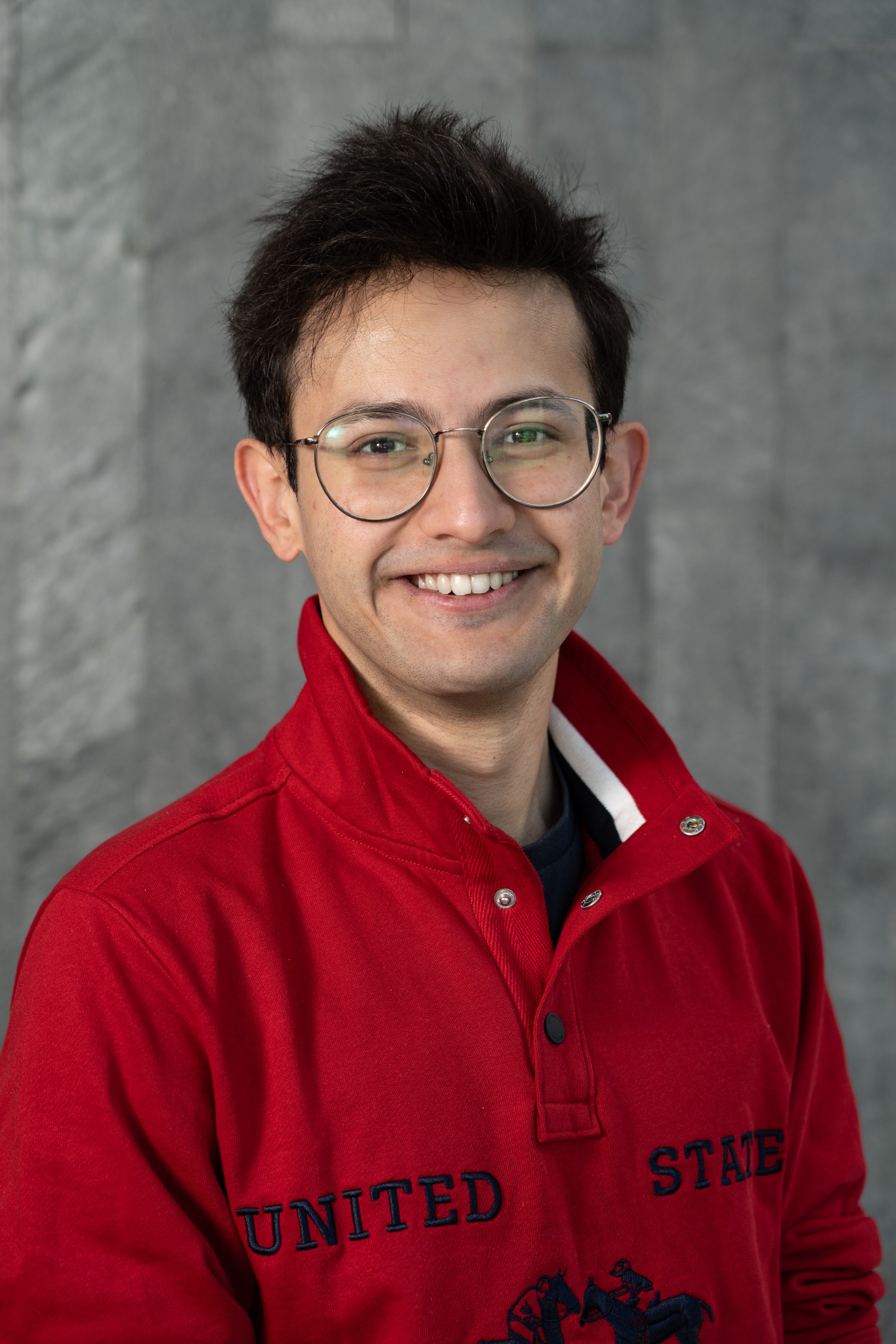
Hello, my name is Ishitro Bhaduri and I am PhD candidate in the Spintronics of Functional Materials group led by Prof. dr. Tamalika Banerjee.
I have completed both my Bachelor and Master degrees here at the University of Groningen. Currently my research goal is to develop hardware probabilistic bits using complex oxides. Probabilistic bits form the building blocks of probabilistic computers which can efficiently address cognition-based tasks that modern computers struggle with. Complex oxides, with their highly tunable electronic and magnetic properties, are perfect candidates for exploring such functionalities.
CogniGron is a very unique initiative that brings together researchers from diverse backgrounds. In such an interdisciplinary setting, it is often important to foster a sense of common understanding. The CogniGron Talent Network enables this by organizing introductory lectures and social events that can bridge the gap across diverse backgrounds and bring the entire community together both scientifically and socially.
Board Alumni
Jan Rieck

Jan Rieck got promoted in 2024!
My name is Jan Rieck, a 5th year PhD student in the Solid State Materials for Electronics group led by Beatriz Noheda.
I completed the Physics BA and MA programme at the RWTH Aachen in Germany, close to the Dutch border. I would call myself an experimental solid state physicist who is especially interested in using ferroic materials and their domain walls for neuromorphic applications. We are trying to turn the ferroelectric and ferroelastic domain wall network in a bismuth ferrite (BiFeO3) thin film into a brain-inspired processor.
My aim is to strengthen the connections between young researchers within CogniGron, both in a scientific and social way, because only then we get the most benefit from this unique and interdisciplinary community.
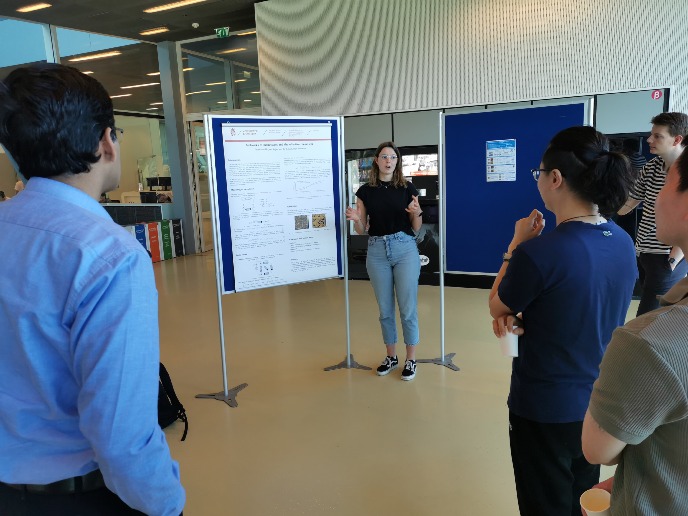
As a 'senior' PhD who has been with CogniGron for more than 4 years, I have a good overview about CogniGron's different research directions, groups and people. We, the CogniGron Talent Network Board, want to achieve this by organising scientific events such as lecture series, industrial events or poster sessions in combination with social activities to break barriers between people from different groups and research disciplines.
Jordi Timmermans
Hi, I am Jordi. Having studied in both Eindhoven and Groningen, my current research interests lie in neuromorphic computing in system control, and my current research is on a neuromuscular-inspired model that can be applied in neuromorphic computing. I am part of the research group Cognitive Modeling.
I think the CogniGron Talent Network can connect young researchers interested in neuromorphic computing from different fields. First focusing on connections within the University of Groningen and the Netherlands, and later with the rest of the world.
I would like to help build the framework (on-boarding tools and communication tools) that will provide the young researchers with connections within the RUG. And I would like to initialise communication between the Talent Network and other organisations within the Netherlands.
Events
From social networking events to meet-ups with the industry and discussions with peers and senior researchers — all events are aimed at supporting young scientists advance their careers and build bridges across different disciplines.
Currently, there are two recurring events:
-
Introductory Lecture Series, every second Wednesday of the month, where the basics of each field is taught by PhD's and postdocs of the respective fields (PhDs can receive credits for attending and presenting).
-
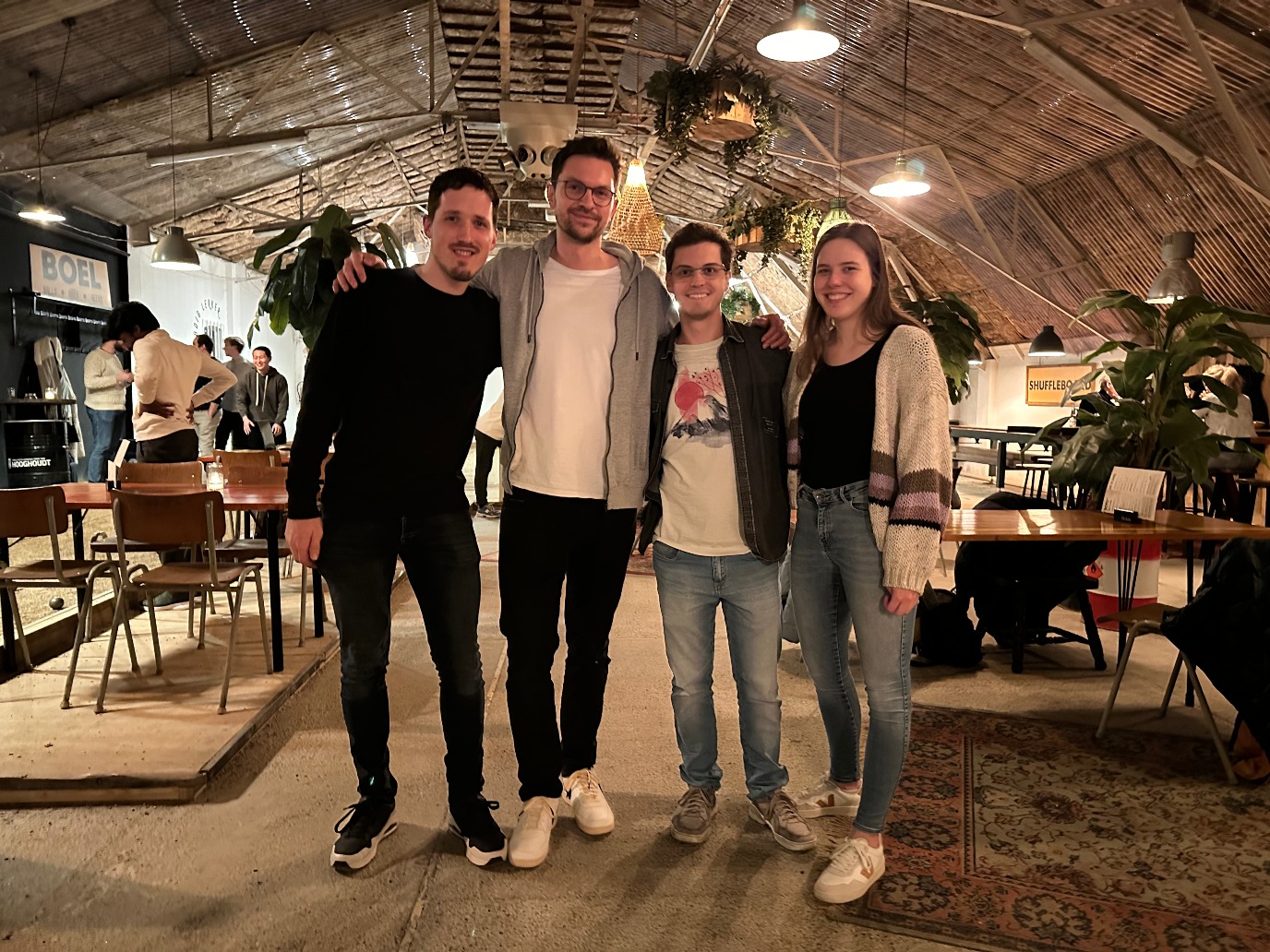
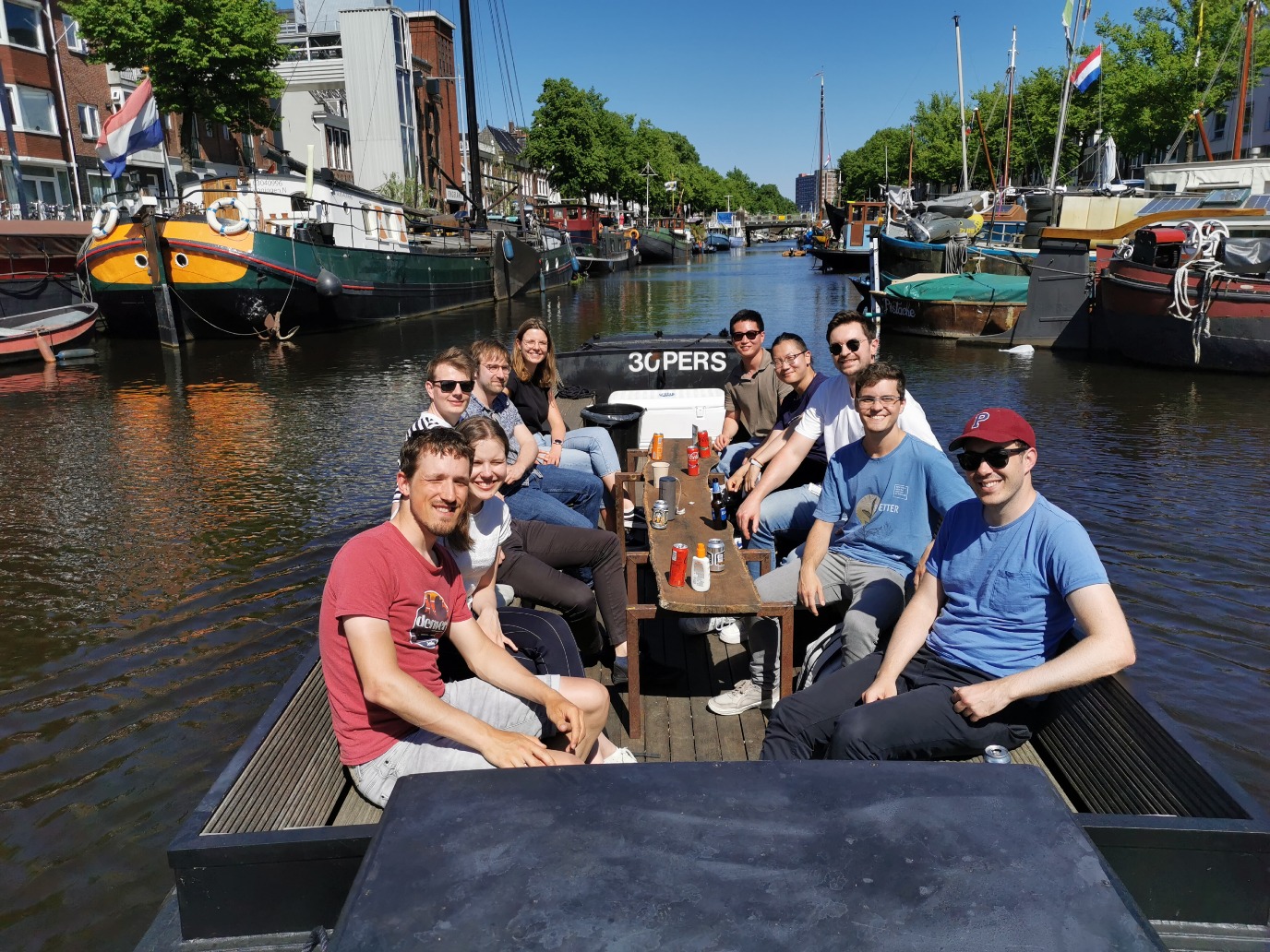
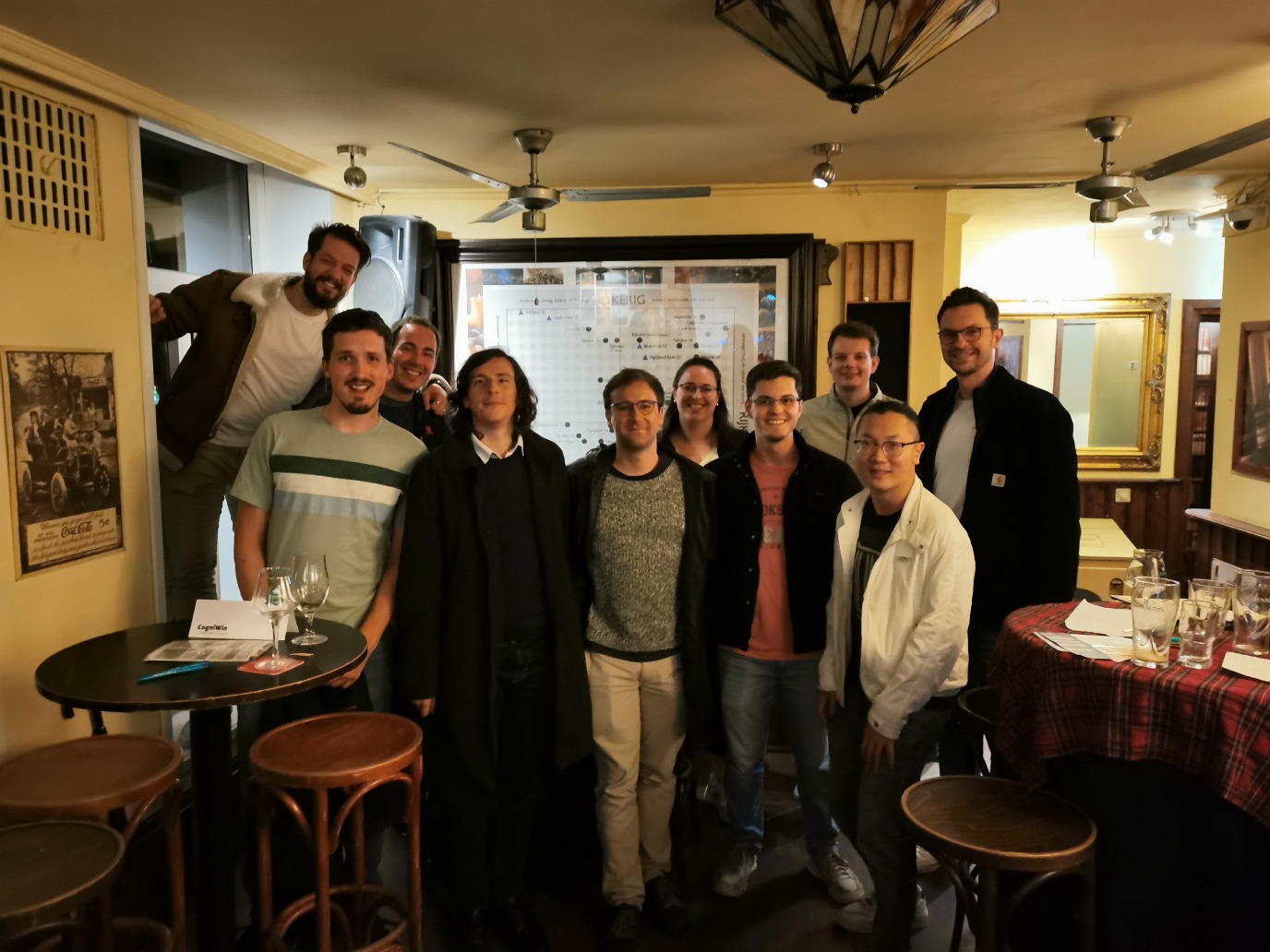
Bimonthly Event, which includes social events, scientific events and industry related events, typically outside the campus. These events are a great way to integrate the young researchers into the CogniGron community, and to stimulate interdisciplinary research.
Gallery
Get in touch
Would you like to get in touch with the CogniGron Talent Network? Please send an e-mail to: ctn rug.nl